Expert Interviews
Chronic Rhinosinusitis: A Focus on Minimally Invasive Procedures and Biologics—An Expert Interview with Prof. Caversaccio

Alexandra Pfitzmann ·
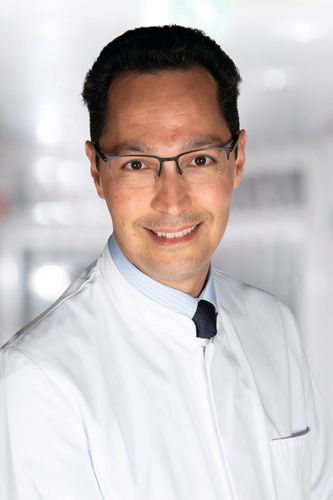
Prof. Dr. Marco Caversaccio is a leading expert in the field of otolaryngology, particularly in the treatment of tumors in the head and neck region. His expertise includes preserving the voice during laryngeal surgery and other complex procedures. Prof. Dr. Caversaccio has gained international recognition for his groundbreaking work in the field of computer-assisted surgery.
As Clinic Director and Chief Physician of the University Clinic for ENT, Head, and Neck Surgery at Inselspital in Bern, he leads a highly qualified team of physicians, nurses, medical technologists, speech therapists, and psychologists. The clinic offers comprehensive care in the field of otolaryngology in accordance with the latest scientific standards. Of particular note are endoscopic surgery of the nose and paranasal sinuses, as well as minimally invasive techniques that avoid incisions in the facial area.
Through interdisciplinary collaboration with other specialties—such as cranio-maxillofacial surgery, neurosurgery, and ophthalmology—complex cases are treated holistically. Prof. Dr. Caversaccio and his team are also leaders in modern otologic microsurgery, which improves hearing by closing defects in the eardrum and restoring the ossicular chain.
In the treatment of malignant tumors in the head and neck region, innovative techniques such as laser surgery and microvascular flap procedures are used in addition to conventional surgical methods. Interdisciplinary collaboration within the tumor board ensures individualized and optimal treatment planning for each patient, with a consistent focus on minimally invasive and organ-preserving surgery. At Prof. Dr. Caversaccio’s clinic, the focus is on the well-being and best possible treatment of patients, with the goal of providing supportive and professional care throughout their illness.
The editorial team of the Leading Medicine Guide, together with Prof. Dr. Caversaccio, focused on the nose and discussed treatment options for chronic rhinosinusitis—a chronic inflammation of the sinuses and nasal mucosa that affects approximately 5–10% of the population.
Chronic rhinosinusitis (CRS) is a complex condition that affects millions of people worldwide and impacts their quality of life. This chronic inflammation of the paranasal sinuses and the nasal mucosa can lead to a variety of symptoms, including persistent nasal congestion, nasal discharge, facial pain, and a reduced sense of smell. CRS can be caused by various factors, including infections, allergies, anatomical abnormalities, and environmental factors. The diagnosis and treatment of CRS often require a multidisciplinary approach supported by a team of otolaryngologists, allergists, and radiologists. This condition can have a significant impact on the daily lives of those affected and therefore requires a comprehensive evaluation and treatment to alleviate symptoms and improve the quality of life for those affected.
“First of all, one must realize that approximately 10,000 liters of air are inhaled and exhaled through the nose every day. In the process, toxic substances or soot particles inhaled with the air are also trapped at the entrance to the nose. The tonsils also react to certain substances, and the body must deal with them, building up its immunological memory through ‘memory cells.’ As people age, they become more vulnerable. A cold isn’t serious in itself; it goes away after 10–13 days—but you have to let it run its course, otherwise bacteria can enter the paranasal sinuses, and chronic inflammation can develop, which then covers the nasal mucosa. As a result, the sinuses become blocked, and—to use a metaphor—instead of a flowing river, you have a draining lake with a swamp. A genetic predisposition can also be a cause of CRS. For example, cystic fibrosis can affect the paranasal sinuses and lead to rhinosinusitis. The thick, sticky mucus typically produced by people with cystic fibrosis can block the paranasal sinuses. This can lead to a buildup of mucus in the sinuses, which in turn can cause inflammation and infection. People with allergies or immune deficiencies generally experience nasal problems more frequently, such as those with CVID (Common Variable Immune Deficiency),” explains Prof. Dr. Caversaccio at the beginning of our conversation. Smoking, frequent respiratory infections, asthma, and a family history of CRS increase the risk of developing CRS.
In CVID, the immune system is unable to produce enough antibodies to protect the body from infections. The exact cause of CVID is not fully understood, although genetic and environmental factors may play a role. People with CVID have low levels of immunoglobulin G (IgG), immunoglobulin A (IgA), and/or immunoglobulin M (IgM), which leads to an increased risk of recurrent infections, particularly of the respiratory tract, the digestive tract, and the skin.
“The fact is, the nose acts as a filter. So many substances pass through it, including nanoparticles, which can then enter the brain and potentially trigger dementia. It is still unclear whether air pollution is specifically a problem or whether it is inhaled sulfur dioxide—which affects, for example, people who live near or work in lignite mining areas or nuclear power plants. The climate—specifically humidity—also plays a major role in nasal problems, which occur more frequently at higher humidity levels because bacteria and viruses thrive in moist environments,” explains Prof. Dr. Caversaccio.
The symptoms of CRS can vary.
The most common symptoms include persistent nasal congestion, nasal discharge, facial pain, reduced sense of smell, and coughing. These symptoms can fluctuate over time and, in some cases, worsen—especially if the condition is not treated appropriately. “It can be said that a patient may develop CRS if a cold persists for more than twelve weeks. The nose is blocked; it may also run; pressure builds up in the sinuses; and there may be a reduction in the sense of smell. In older patients, this is also referred to as ‘postnasal drip,’ in which excess mucus drains from the sinuses into the throat. “Normally, the nasal mucosa produces enough mucus to keep the nose moist and to remove foreign particles and pathogens. In CRS, this production is often increased, and the mucus can accumulate in the sinuses,” says Prof. Dr. Caversaccio, adding:
“Then, with CRS, there are cases with and without nasal polyps. Normally, the cilia in the nose beat backward. And if there is inflammation here, it can be carried even further down, even into the lungs. Among people who have developed nasal polyps, 50% also suffer from asthma. Some patients also develop hypersensitivity to acetylsalicylic acid (e.g., found in aspirin) or to white wine, in which case they react to the sulfate content in the wine, causing nasal swelling.”
The diagnosis of rhinosinusitis is typically made through a thorough medical history, physical examination, and, if necessary, additional diagnostic tests.
First, the patient’s medical history is taken, during which the doctor asks about symptoms such as persistent nasal congestion, nasal discharge, facial pain, reduced sense of smell, and cough. “A thorough medical history is very important. I also inquire about workplace conditions, ask whether the patient smokes or uses cocaine (the latter gradually destroys the nasal cartilage), and whether there are any known allergies. A physical examination can provide clues to inflammation of the sinuses, during which the doctor looks for swelling, redness, or tenderness in the facial area. Additional tests may be necessary to confirm the diagnosis and assess the severity of the condition. These include imaging procedures such as CT scans or MRIs of the sinuses, which can help identify structural abnormalities or signs of inflammation. In some cases, however, an endoscopic examination of the nasal cavity may also be performed to look directly into the sinuses; unlike imaging techniques, this method reveals only a fraction of the details. If an infection is suspected, a culture or swab may also be taken from the sinuses to identify the pathogen and determine the appropriate treatment. In addition, allergy testing and desensitization may be performed, and a lung function test is sometimes part of the diagnostic process. The so-called “SNOT-22 questionnaire” is also frequently used—a self-assessment tool for patients developed by physicians to evaluate the severity of their symptoms and determine the extent to which their quality of life is affected,” explains Prof. Dr. Caversaccio regarding the diagnostic process.
Untreated rhinosinusitis can lead to complications.
Sinus infections: Blocked sinuses can provide an ideal environment for bacterial growth, which can lead to recurrent sinus infections.
Nasal polyps: Chronic inflammation can lead to the formation of polyps in the paranasal sinuses, which can obstruct breathing and cause additional symptoms such as facial pain and headaches.
Intracranial complications: In rare cases, untreated sinusitis can lead to serious complications such as meningitis, brain abscesses, or other life-threatening conditions.
There are various conservative treatment options for rhinosinusitis.
“Nasal rinses or nasal showers are used regularly to cleanse the nasal cavity with an isotonic or hypertonic saline solution. This helps remove mucus and allergic irritants and soothes the nasal mucosa. Steam baths are also helpful, as is staying well-hydrated. For allergy-related CRS, antiallergic medications are helpful. Nasal sprays can be used short-term to relieve nasal congestion and inflammation. These include decongestant cortisone nasal sprays for short-term use or steroid nasal sprays such as fluticasone for long-term treatment of inflammation. When using nasal sprays, it’s always important to apply them in a crisscross pattern. This means spraying into the right nostril with your left hand and into the left nostril with your right hand. This is important because it ensures that the spray lands exactly where it’s supposed to—and not on the nasal septum—since this can cause the septum to dry out quickly or, over time, even lead to perforations. “For bacterial infections, antibiotics may be prescribed for 2–3 months to combat the infection and reduce inflammation, especially if the patient does not have nasal polyps,” explains Prof. Dr. Caversaccio, outlining the possible conservative measures. Lifestyle changes such as quitting smoking, avoiding allergens and irritants, and engaging in regular physical activity can also help reduce symptoms and improve well-being.
New Hope for People with Chronic Rhinosinusitis and Polyps: Biologics
The introduction of biologics has revolutionized the treatment of chronic rhinosinusitis (CRS) and offers a ray of hope to many severely affected individuals. “Biologics are molecular antibodies used for immunomodulation. They have also been used extensively in rheumatology in recent years and can specifically target the causes of diseases and have anti-inflammatory effects. Patients receive the biologics via subcutaneous injections administered every 2–3 weeks; patients can also administer the injections at home. Because the therapy is still very expensive at the moment, it is used as an ‘add-on therapy’—that is, when all other conservative treatments have failed, or when surgery has not produced the desired results (surgery is less expensive than therapy with biologics). The therapeutic effect of biologics becomes apparent after about 7–8 months. There are few side effects. “In rare cases, redness may occur at the injection site; occasionally, headaches or itching in the eye may occur,” explains Prof. Dr. Caversaccio.
Biologics are medications produced using biotechnology that are capable of blocking specific cytokines or inflammatory mediators involved in the pathogenesis of CRS. Some of the biologics commonly used for CRS include anti-interleukin-5 antibodies such as mepolizumab and reslizumab, as well as anti-interleukin-4/-13 antibodies such as dupilumab. These medications work by inhibiting the activity of inflammatory mediators that play a key role in the recruitment and activation of eosinophils, as well as by reducing mucus production and the formation of nasal polyps.
Compared to conventional therapies such as steroid nasal sprays or systemic steroids, biologics offer several advantages. First, they are more specific and directly target the underlying inflammatory mechanisms, which can lead to more effective symptom control. Second, they can help patients for whom conventional therapies have not been sufficiently effective or who have experienced unwanted side effects, particularly with long-term steroid use. Third, biologics can enable long-term remission of symptoms, thereby reducing the need for frequent repeat treatments.
Minimally invasive surgeries, such as endoscopic sinus surgery (FESS), are considered for patients with chronic rhinosinusitis (CRS) when conservative treatments are insufficient to alleviate their symptoms.
First, the patient must have tried various conservative treatment options—such as nasal irrigations, nasal sprays, and antibiotics—without success. “It is also important to determine the patient’s immunoglobulin status to rule out CVID (Common Variable Immune Deficiency), as minimally invasive surgery would not be successful in the long term in such cases. An assessment of the sense of smell is also necessary before any potential surgical procedure. If the sense of smell is impaired, cortisone tablets (plus stomach protection) can be prescribed for ten days to help restore the sense of smell,” explains Prof. Dr. Caversaccio. It is important to ensure that the patient has no contraindications for the surgery and is in good health.
“During endoscopic surgery—that is, using a keyhole technique—existing polyps can be removed. The openings to the maxillary sinuses can also be widened to clear the maxillary and frontal sinuses. That is the goal. The nasal septum is the anatomical issue that often still requires surgery. If necessary, the turbinates can also be reduced in size slightly. The surgery then takes 1–2 hours, depending on the extent of the procedure. And since the surgery takes place near the eyes and the brain—with the aorta on the right and left and the pituitary gland above—we rely heavily on navigation systems during the procedure to further minimize risks. In the past, nasal packing was used, but this is no longer done in this way today. Thanks to the techniques available today, hemostatic foam containing coagulants or hemostatic agents can be applied to the nose after the procedure. Alternatively, dissolvable packing is used. This ensures the patient’s quality of life, as they can breathe easily again right away. “Typically, the patient is discharged from the hospital after one night,” says Prof. Dr. Caversaccio. Sometimes such a surgery needs to be repeated. “It’s like in a garden—you mow the lawn, and the grass grows back. The same can happen with adenoids. The goal is always for the patient to be able to breathe better again,” adds Prof. Dr. Caversaccio.
After a minimally invasive procedure such as endoscopic sinus surgery (FESS), some patients may notice an improvement in their symptoms within just a few weeks, particularly with regard to nasal breathing and nasal congestion. Full recovery and the optimal effect of the surgery can only be determined after a few months, as the nasal mucosa needs time to regenerate and stabilize. When using biologics to treat CRS, the time it takes for symptoms to improve can also vary.
Outlook
“Anyone who has nasal problems and finds it difficult to breathe due to congestion can certainly use a nasal spray for a period of 7–10 days. However, anyone who continues to use a nasal spray on a regular basis risks developing a dry nose, which can also lead to the formation of what is known as a ‘stinky nose,’ in which yellowish-green crusts and scabs form in the nasal passage, emitting a foul, sweetish odor. The problem is that patients get used to the nasal spray because it provides quick relief when their nose is blocked. In such cases, I always recommend seeing a doctor to determine the exact medical cause of the nasal problem. Medical technology has advanced so much today, and with the 3D endoscope, surgical procedures are much more effective. Biologics are a real “game-changer”—they’re truly a blessing for many patients because they help them regain their quality of life and, in some cases, a lost sense of smell. Of course, we still have to wait for the long-term results, which will be available in about 10–20 years,” says Prof. Dr. Caversaccio encouragingly, and with that, we conclude our conversation.
Thank you very much, Professor Caversaccio—that was a fascinating insight into the treatment options for chronic rhinosinusitis!
Share this article
About the medical author
Alexandra Pfitzmann
Editor
Alexandra Pfitzmann – medical author: expert knowledge, professional articles and medical insights in the Leading Medicine Guide.
More about the medical author →Expert Interviews
Read next
- Expert interview
Cardiogeriatrics: Significance and benefits in the context of hospital reform
Sep 21, 2026
Cardiogeriatrics: Significance and benefits in the context of hospital reform
Read more - Expert interview
Expert Interview with Professor Dr. Amadeus Hornemann, MPH
Sep 18, 2026
Prof. Amadeus Hornemann on Precision Medicine in Gynecology: Modern Surgery, New Techniques, Better Quality of Life
Read more - Expert interview
Expert Interview with Professor Dr. Konstantinos Anagnostakos
Sep 15, 2026
Prof. Anagnostakos on Painful Knee Replacements
Read more