Expert Interviews
Expert Interview with Prof. Christian Taube, M.D., on COPD

Alexandra Pfitzmann ·
Professor Christian Taube, M.D., a specialist in allergology, pulmonology, and lung cancer at the Ruhrlandklinik, University Medical Center Essen, has earned an outstanding reputation in the treatment of asthma, bronchitis, lung cancer, and COPD. The expertise of this experienced hospital director is particularly sought after when it comes to rare lung diseases. As the West German Lung Center, the Ruhrlandklinik ranks among the leading hospitals for the surgical and medical treatment of all diseases of the respiratory system. As part of Essen University Hospital, the medical specialists at the Ruhrlandklinik collaborate on an interdisciplinary basis with many other specialists and centers of excellence at Essen University Hospital.
The Department of Pulmonology offers the full range of pulmonary medicine treatments at the highest medical standard. The spectrum of diagnostic options includes all current standard procedures in pulmonary medicine, such as pulmonary function tests, exercise stress tests, and right heart catheterization. In addition to nuclear medicine procedures, ultrasound and endoscopic procedures are used to identify the causes of disease. With its Section for Interventional Bronchology, the Department of Pulmonology operates one of the largest bronchoscopy units in Germany and is equipped with state-of-the-art technology.
Under the direction of Univ.-Prof. Dr. Christian Taube, the clinic specializes in conditions such as chronic obstructive pulmonary disease, lung cancer, occupational lung diseases, infectious diseases, genetic disorders of the lungs and pleura, as well as rare lung diseases. Its main areas of focus include the treatment of pulmonary emphysema, bronchial asthma, pulmonary hypertension, cystic fibrosis, and COPD. The editorial team at the Leading Medicine Guide wanted to take a closer look at the topic of COPD (“Chronic Obstructive Pulmonary Disease”) and took the opportunity to speak with Professor Dr. Christian Taube.
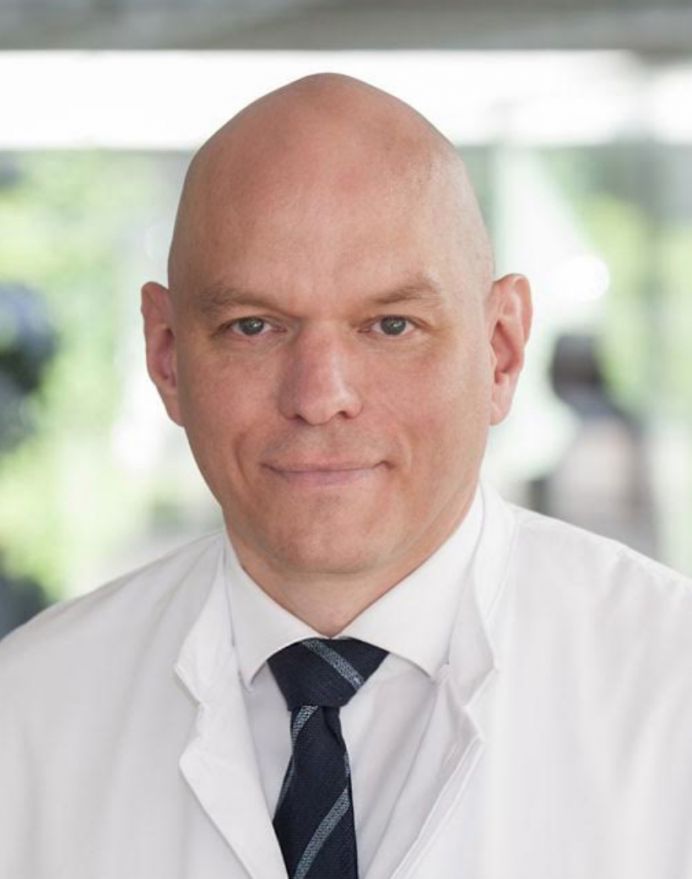
COPD is a progressive and incurable lung disease in which the airways are chronically inflamed and narrowed. The two main forms of COPD are chronic bronchitis and emphysema. Unfortunately, COPD is a widespread disease. According to the World Health Organization (WHO), more than 200 million people worldwide are affected by COPD. The disease is particularly prevalent in countries with high rates of tobacco use, as smoking is one of the main causes of COPD. “In Germany, approximately 8 million people suffer from COPD. Most people develop the disease in the second half of their lives, meaning they are between 40 and 60 years old,” Professor Dr. Taube notes at the beginning of our conversation.
The symptoms of COPD often develop gradually and can worsen over time. “Common symptoms include a persistent cough, phlegm, shortness of breath (especially during physical exertion), chest tightness, recurrent respiratory infections, and a whistling sound when breathing, known as ‘wheezing.’ These symptoms can significantly impair the quality of life for those affected and, in advanced stages of the disease, lead to limitations in physical endurance. At first, the person affected only notices the initial symptoms during increased exertion. “The more the disease progresses, the more noticeable the symptoms become even at rest,” explains pulmonologist Prof. Dr. Taube. It is important that COPD is detected and treated early to slow the progression of the disease and prevent complications. Smokers definitely have an increased risk of developing COPD, but former smokers and people exposed to pollutants at work or in the environment can also suffer from the disease.
The diagnosis of COPD is usually based on a combination of medical history, clinical examinations, and lung function tests.
The doctor will first take a detailed medical history to gather information about symptoms, risk factors such as smoking, occupational exposures, and a family history of lung disease. In addition, a physical examination will be conducted to look for symptoms such as abnormal breathing sounds, shortness of breath, and chest tightness. Professor Dr. Taube offers a crucial insight into the diagnostic process: “Lung function testing—also known as a spirometry test—is extremely important and crucial. It is used to assess how the lungs are functioning and provides important information about respiratory capacity, airflow, and other parameters of the airways. Imaging of the lungs, as well as other organs, helps determine whether COPD is present. After all, shortness of breath alone can also be caused by the heart, for example.”
The examination is usually performed while the patient is seated, allowing for an upright posture. It is important that the patient sits still and does not move during the measurement. The exhaled air is measured using a breathing tube. “This initial examination assesses airway narrowing and oxygen uptake, so that, in cases of uncertainty, the severity of a lung disease can be determined,” explains Prof. Dr. Taube. During the measurement, the patient inhales and exhales into the device. The device records the volumes and rates of the breathing movements. It measures various parameters such as vital capacity (maximum inhalation and exhalation), one-second capacity (air exhaled during the first second of a forceful exhalation), total lung capacity, etc. The measurement is often repeated several times to obtain consistent results. The best results are then selected and used for analysis.
The most important pulmonary function tests for diagnosing COPD are spirometry and body plethysmography. During spirometry, the patient must take a deep breath and then exhale as quickly as possible. This test measures the amount of air that can be exhaled within one second (FEV1) and the total lung capacity (FVC). The results make it possible to determine the degree of airflow obstruction and thus the severity of COPD. Body plethysmography measures lung volume and allows for a more accurate assessment of lung function. A chest X-ray may be performed to rule out other possible causes of the symptoms or to identify lung changes associated with COPD. In addition, a blood gas analysis can be performed to measure the oxygen and carbon dioxide levels in the blood and to assess the severity of airway changes. By combining these diagnostic procedures, the doctor can make an accurate diagnosis, determine the severity of the disease, and plan appropriate treatment. It is important to detect COPD early to prevent the disease from worsening and to initiate appropriate treatment.
The treatment of COPD aims to relieve symptoms, slow the progression of the disease, and improve patients’ quality of life.
“If the patient is a smoker, the most important step in treating COPD is smoking cessation. Smoking is the most common risk factor for developing COPD, and quitting smoking can slow the progression of the disease and improve symptoms. Various nicotine replacement therapies can help with this. In addition, medication can be used, such as inhaled medications (bronchodilators) that widen the airways. These can be prescribed as short- or long-acting inhalers or as tablets. Physical fitness remains important—it is essential to improve physical performance and alleviate shortness of breath. Rehabilitation plays a crucial role in this regard. Respiratory therapy and breathing exercises can help strengthen the respiratory muscles and make breathing easier. In cases of severe COPD, oxygen therapy may also be used to increase the oxygen level in the blood and reduce the strain on the heart. Pulmonary rehabilitation is another effective way to restore lung function. It consists of physical training, nutritional counseling, and respiratory therapy. “In some cases, particularly with severe COPD, surgery such as lung volume reduction or a lung transplant may be considered,” said Professor Dr. Taube regarding the various treatment options.
The treatment of COPD is generally a long-term process, and managing the disease requires close cooperation between the patient and the treating physician. It is important for patients to take their prescribed medications regularly, maintain healthy habits, and adhere to a healthy lifestyle in order to achieve the best possible results and slow the progression of the disease.
Smoking kills!
Tobacco smoking is associated with a wide range of serious health risks. From cardiovascular disease to lung cancer to respiratory problems—the list of potential dangers is long and alarming. Every cigarette damages the lungs and the cardiovascular system. The health problems caused by smoking can not only be painful but also significantly reduce quality of life. However, the decision to quit smoking can not only improve your own life but also protect the lives of those around you. Secondhand smoke affects children, family members, and friends who are unwittingly exposed to the harmful substances found in cigarettes. The journey to becoming a non-smoker may be challenging, but it is worth it. There are numerous resources, support groups, medications, and professional counseling available to help you successfully navigate this journey. Willpower and determination are the first steps toward a healthier and more fulfilling life.
“Patients who quit smoking and become more active notice a significant improvement after just a few weeks. Cough symptoms improve, and the risk of having a heart attack or developing lung cancer decreases,” says Professor Dr. Taube encouragingly.
Current Research and Development in the Treatment of COPD
New medications are constantly being developed that specifically target the pathophysiology of COPD. These include, for example, medications that target inflammatory processes in the airways and could slow the progression of the disease. Research is also being conducted to determine whether stem cell therapies could be used to regenerate and repair damaged lung tissue in COPD patients. Researchers are also investigating the role of genetic factors in the development of COPD and are searching for targeted therapeutic approaches that could address specific genetic characteristics. “A genetic cause of COPD is very rare. In these cases, it involves what is known as alpha-1 antitrypsin deficiency, which occurs only when defective genes are present from both the mother and the father. As a result, a specific type of protein called alpha-1 antitrypsin is produced in insufficient quantities or in an abnormal form. However, this protein plays an important role in the body by regulating the balance of proteases—enzymes that can cause tissue damage. Normally, alpha-1 antitrypsin protects against excessive activity of enzymes such as trypsin, which could attack lung tissue. “A deficiency in alpha-1 antitrypsin can lead to an imbalance between these enzymes and their regulator, resulting in damage to lung tissue,” explains Prof. Dr. Taube.
The potential of telemedicine is also being increasingly harnessed in the treatment of COPD. “The use of telemedicine and digital technologies can improve care for COPD patients by facilitating access to medical care and support. Telemedicine offers a way to optimize the treatment and monitoring of COPD patients, especially in situations where in-person doctor visits may be difficult,” explains Prof. Dr. Taube. Through telemedicine, COPD patients can stay in regular contact with healthcare professionals from home. This can be done via video calls, text messages, or phone calls. During these virtual consultations, symptoms can be discussed, questions answered, and treatment plans adjusted. This enables more personalized care, as patients can remain in their familiar surroundings while still receiving medical advice and support. “Telemedicine devices can be used to measure key health parameters, such as blood oxygen levels or respiratory rate, and transmit them to the medical team. This allows for the early detection of potential worsening of the condition before it leads to more serious problems,” adds the lung specialist.
The positive impact of lifestyle changes such as quitting smoking, physical activity, and diet.
The most important step in managing COPD is quitting smoking. Smoking is the main trigger for most cases of COPD, and quitting is crucial for slowing the progression of the disease and improving lung function. Regular exercise can also improve physical fitness, which in turn increases breathing efficiency and reduces fatigue. At the same time, exercise helps strengthen muscles and improve overall health. And a balanced diet rich in fruits, vegetables, whole grains, and lean protein can strengthen the immune system and reduce inflammation. This can help make COPD patients less susceptible to infections and help them feel better.
It is important to protect yourself from air pollution and avoid areas with high levels of air pollution. Air pollution can worsen COPD symptoms and lead to breathing difficulties. “Workplace exposures such as dust, chemicals, and fumes can increase the risk of occupational COPD. Occupational safety and the promotion of a safe work environment have improved significantly, especially when looking at North Rhine-Westphalia and considering the mining industry, for example. Exposure to fine particulate matter, however, has unfortunately worsened. Anyone who belongs to a high-risk group should take advantage of the many early detection programs and screenings to identify COPD at an early stage,” recommends Prof. Dr. Taube, concluding with a personal appeal: “An active lifestyle is important! For a good quality of life!”
Professor Dr. Taube, thank you very much for your powerful words and the valuable insight into COPD!
Share this article
Expert Interviews
Read next
- Expert interview
Expert interview with Professor Dr Elmar Herbst, PhD
Oct 15, 2026
Patient-centred and personalised knee surgery
Read more - Expert interview
Cardiogeriatrics: Significance and benefits in the context of hospital reform
Sep 21, 2026
Cardiogeriatrics: Significance and benefits in the context of hospital reform
Read more - Expert interview
Expert Interview with Professor Dr. Amadeus Hornemann, MPH
Sep 18, 2026
Prof. Amadeus Hornemann on Precision Medicine in Gynecology: Modern Surgery, New Techniques, Better Quality of Life
Read more