Expert Interviews
Obesity Proposal Rejected – Are Bariatric Surgeries Abroad Dangerous? Expert Interview with Hristo Nikolaev Kolev

Alexandra Pfitzmann ·
Hristo Nikolaev Kolev is a highly qualified specialist in general surgery with a clear focus on bariatric surgery. At his private practice, Adipositas Chirurgie Westend in Frankfurt am Main, he supports people who are severely overweight on their journey toward better health, quality of life, and self-determination. With over 300 successfully performed bariatric surgeries and more than 600 endoscopic gastroscopies—including the implantation of gastric balloons—Hristo Kolev is among the most experienced and accomplished specialists in his field.
His range of services includes modern procedures such as sleeve gastrectomy, mini gastric bypass, and Roux-en-Y gastric bypass. Hristo Kolev also performs complex revision surgeries—such as those following previous sleeve or bypass procedures—with high precision and using gentle, minimally invasive techniques. In doing so, he consistently follows a holistic approach based on the latest scientific findings. The goal of his work is not only to reduce body weight but, above all, to alleviate associated comorbidities such as type 2 diabetes, high blood pressure, or joint pain—and thereby sustainably improve his patients’ quality of life.
Hristo Kolev places particular emphasis on providing personalized, respectful care. From the initial consultation through surgical treatment to long-term follow-up care, he supports his patients with great empathy and professional diligence. Each treatment is individually tailored to the patient’s health condition and wishes. His additional qualification as an infection control officer further underscores his commitment to the highest safety and quality standards in surgical care. Anyone considering bariatric surgery or seeking trustworthy medical support after being denied coverage by their health insurance provider will find Hristo Kolev to be a competent and experienced point of contact.
You can easily schedule a free consultation via the website www.adipositas-chirurgie-westend.de—the first step toward a lighter and healthier life. However, applying for bariatric surgery through health insurance is often problematic because, despite its proven effectiveness, the procedure is considered a last resort in Germany—meaning it is only approved once all other conservative treatment options have been exhausted. Some patients then look abroad for a solution and have the surgery performed there. The editorial team at Leading Medicine Guide learned why this can be problematic in a conversation with obesity specialist Hristo Kolev.
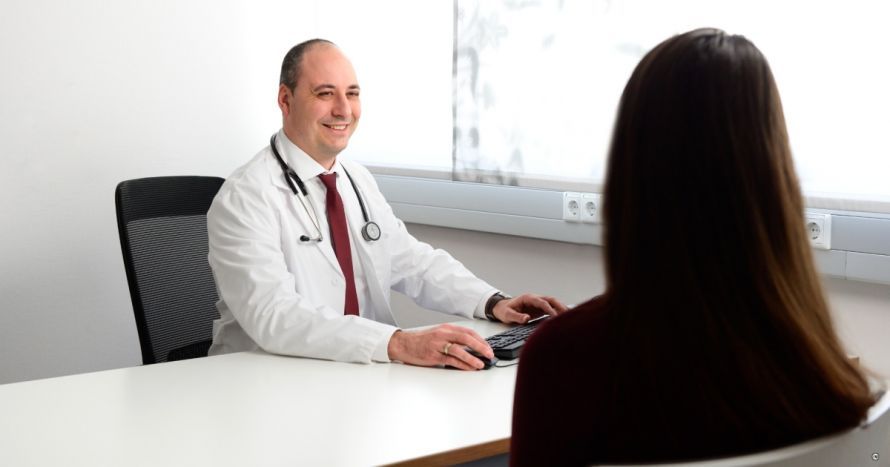
Obesity, colloquially referred to as severe overweight, has long since become one of the most pressing health challenges of our time. It affects not only a person’s physical appearance but is, above all, a chronic disease with far-reaching consequences for the entire body. People who are morbidly obese have a significantly increased risk of cardiovascular disease, type 2 diabetes, joint problems, certain types of cancer, and psychological distress such as depression or social exclusion.
The causes of obesity are complex and range from genetic and hormonal factors to metabolic disorders, emotional eating, and an unhealthy lifestyle. While conservative measures such as diets, exercise, and behavioral therapy often fail to achieve sustainable weight loss, bariatric surgery—that is, surgical procedures to reduce stomach size or reroute the digestive tract—has been shown to deliver long-term success. In Germany, however, access to such procedures is strictly regulated: Anyone wishing to undergo bariatric surgery must first submit an application for approval to their health insurance provider.
Before a health insurance provider approves bariatric surgery in Germany, patients must demonstrate that several conservative measures have been unsuccessful over an extended period of time.
“The topic of bariatric surgery is particularly relevant right now, not least because more and more patients are traveling abroad for bariatric procedures. In Germany, access to such surgery is clearly regulated and subject to specific requirements. At the heart of this is a structured step-by-step plan that first calls for conservative measures before surgery can be approved by the health insurance provider. A central element of this process is the so-called multimodal concept (MMK), which must generally be carried out over a period of six to twelve months.
The goal is to bring about a sustainable lifestyle change. The MMK includes nutritional therapy, which is carried out by qualified professionals and aims for a structured dietary change; exercise therapy, which is documented by physical therapists or sports scientists; and, if necessary, behavioral therapy and psychological support. “These measures must not only be completed but also thoroughly documented—including supporting documentation, stamps, and signatures—so that the health insurance provider can review the application,” explains Hristo Kolev at the beginning of our conversation.
According to current guidelines (e.g., the S3 guideline on bariatric surgery), the multimodal approach (MMK) is generally mandatory prior to any bariatric surgery, including:
- for a BMI ≥ 40 kg/m² (Class III obesity) or
- a BMI of ≥35 kg/m² with severe comorbidities (e.g., type 2 diabetes, sleep apnea).
An exception to the MMK is possible only in rare cases, for example, if a life-threatening condition is present or if the patient has demonstrably already exhausted all conservative measures without success and these cannot be repeated within the MMK—but these are decisions made on a case-by-case basis.
Bariatric surgery is generally medically indicated when a body mass index (BMI) exceeds 40 kg/m², corresponding to Class III obesity. Surgery may also be considered for a BMI of 35 kg/m² or higher if there are serious comorbidities—such as type 2 diabetes mellitus or obstructive sleep apnea—that have been clearly confirmed by a sleep laboratory and a specialist diagnosis.
In both cases, however, a conservative multimodal treatment plan (MMK) must generally be implemented before surgery. This includes, among other things, dietary, exercise, and behavioral therapy over a defined period of time. The MMK may be waived only in justified exceptional cases, such as when there is a contraindication to conservative therapy or an urgent indication for surgery. As a rule, however, an attempt at conservative therapy is mandatory.
“Another issue is the use of pharmacological alternatives such as GLP-1 receptor agonists (e.g., Wegovy®). These are currently covered by health insurance only under certain conditions, such as for people with diabetes. For other patients with a BMI between approximately 30 and 39, this therapy is an option, but only as a self-pay service.
Here, too, the rule applies: Only if no improvement is seen despite these measures can an application for surgery have a chance of success. The argument for making surgery available at an earlier stage is medically sound, as severe obesity is directly linked to numerous complications such as high blood pressure, joint problems, fatty liver disease, diabetes, or even a reduced life expectancy.
Studies show that life expectancy can be reduced by up to ten years in cases of long-term obesity. Nevertheless, in Germany, surgery is still considered a last resort—or “ultima ratio”—in part due to the high costs associated with it. “Health insurance companies therefore place great emphasis on ensuring that all non-invasive and more cost-effective options have been exhausted first,” Hristo Kolev explains, adding:
“In practice, the requirements of the various health insurance providers may differ in detail. Although medical guidelines are largely uniform—for example, those issued by the German Society for the Study of Obesity or the German Society for General and Visceral Surgery—health insurance companies may, for instance, have different requirements regarding the duration of the multimodal treatment plan or the level of detail in the documentation.
Some require twelve months instead of six, while others demand very precise details regarding the content of therapy, the frequency of counseling, or evidence of physical activity. The Medical Service also plays a central role in the approval process. Based on all submitted documents, it prepares an independent assessment that examines the medical necessity, the results of the multimodal treatment plan, and the psychological evaluation. Particular attention is paid to whether the patient is motivated and “compliant”—that is, willing and able to commit to the necessary long-term behavioral changes. Potential contraindications for the procedure are also evaluated.”
The German healthcare system is strongly based on the principle of proportionality: Invasive measures should only be undertaken when less risky therapies have failed to produce results. There also remains a certain degree of reluctance toward surgical obesity treatment, stemming in part from outdated notions of “lack of discipline” associated with obesity, but also in part from efforts to ensure cost-effectiveness in the healthcare system. Access to bariatric surgery therefore remains a carefully regulated process that focuses on the long-term benefits and the patient’s individual suitability.
Bariatric procedures performed abroad without adequate preparation and follow-up care can carry a high risk of adverse complications and long-term health problems. Careful planning, comprehensive information, and a structured aftercare plan are essential to ensuring the success of treatment and sustainably improving quality of life. For this reason, great importance is placed in Germany on interdisciplinary care that systematically takes these aspects into account.
“Let’s imagine a patient with a BMI of 30 and no comorbidities whose application for bariatric surgery is denied. However, the patient does not want to wait long and decides instead to travel to Turkey to have a sleeve gastrectomy performed there. The patient would generally have to cover the costs themselves, as German health insurance does not cover such treatments abroad.
Such cases do indeed occur and are usually financed by the patients themselves. According to my information, the costs of surgery abroad are significantly lower than prices in Germany, usually ranging between 3,000.00 and 6,000.00 euros. This naturally raises questions about the quality and safety of these procedures, since in Germany the costs for materials, instruments, and disposable items are very high, which is also reflected in the high quality of care.
Abroad, the quality of clinics varies greatly. There are certainly highly qualified clinics and surgeons, but there are also those that do not meet German standards. It is important that the clinic and the surgeon have international accreditation and specialize in the specific surgical method. Experience with the specific technique is also crucial. Hygiene standards can vary greatly from clinic to clinic, and inadequate hygiene increases the risk of infections and serious complications after the procedure.
A major problem with surgeries abroad is postoperative care. Patients are often discharged just a few days after surgery and travel back to Germany. Language barriers can lead to misunderstandings regarding patient education or postoperative instructions, which can compromise patient safety. Many patients also do not fully understand what kind of follow-up care is necessary. However, follow-up care is crucial, as a lack thereof can lead to long-term medical complications.
For example, patients who have undergone bariatric surgery absolutely require lifelong medical care, nutritional counseling, and often psychological support as well. Some patients mistakenly believe that no further measures are necessary after surgery—that they will simply lose weight and everything will be fine. However, that is not the case. “The surgeries often lead to deficiencies—for example, in vitamins or iron—which must be carefully addressed to prevent long-term damage,” points out Hristo Kolev. 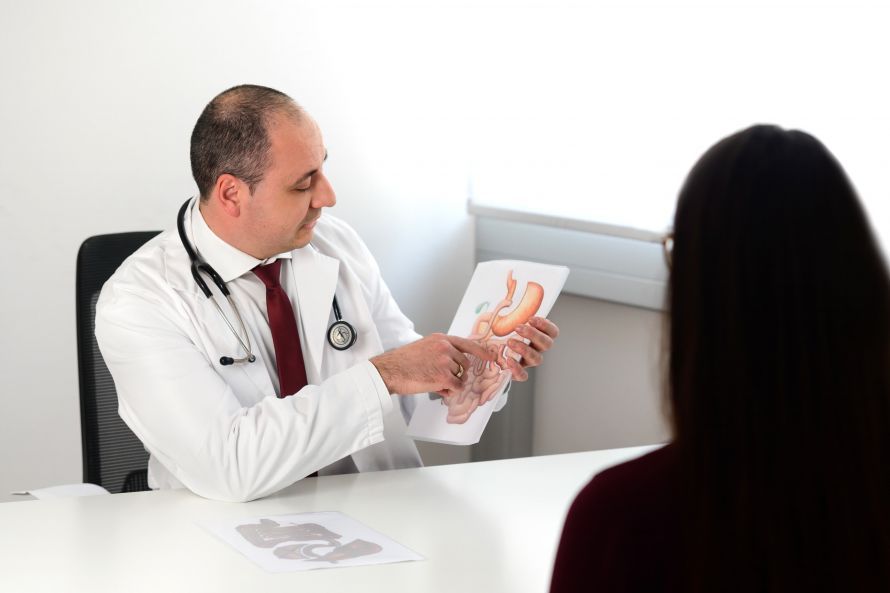
For German doctors, treating complications following bariatric surgery performed abroad poses a significant challenge, especially when the medical documentation is incomplete or inadequate. This not only makes it difficult to assess the cause of the complications but can also lead to necessary treatments being delayed or not recognized at all.
“Many patients actually don’t know exactly what kind of surgery they underwent abroad. Some simply say they had stomach surgery or a gastric reduction. However, there are various procedures: a sleeve gastrectomy is different from, for example, an omega-loop bypass, in which the small intestine is also connected to the stomach and the digestive tract is completely rerouted.
The Roux-en-Y bypass is also a complex surgery in which two intestinal loops are connected in different ways—one at the base of the stomach and one between two sections of the intestine. So when a patient simply states that they’ve had “stomach surgery” or “gastric bypass surgery,” it’s very difficult for us to determine which procedure was actually performed without detailed surgical reports. Often, these reports are either missing entirely or are written in a foreign language that we cannot readily understand. Nevertheless, here in Germany, we must treat and resolve any complications that arise. “Legally speaking, we are obligated to provide patients with the best possible care, even if we did not perform the original surgery ourselves,” says Hristo Kolev, who goes on to describe the most common challenges:
“The most common complication in patients who have undergone sleeve gastrectomy abroad is a leak in the suture line. This is a serious complication and constitutes a medical emergency that must be treated immediately. Patients often come to us with peritonitis and severe pain. In such cases, repeat surgeries are often necessary, during which the abdominal cavity is thoroughly flushed and cleaned. In addition, further treatment is performed in which a special stent is placed in the stomach to bridge the leak. This stent typically remains in place for six weeks until the site has healed.
However, there are also cases in which healing is not complete. In such cases, further therapy is required, involving the endoscopic insertion of a special sponge into the resulting cavity where the inflammation is located. This sponge is very expensive and must be replaced every three days—that is, on Monday, Wednesday, and Friday—for about two to three weeks until healing is complete. This treatment is very costly and places a significant burden on health insurance providers.”
If patients decide to undergo bariatric surgery abroad that has not been approved in Germany, various legal and insurance-related difficulties may arise, especially if postoperative complications occur.
Hristo Kolev comments: “If a patient undergoes surgery abroad and complications arise afterward that require treatment in Germany, the question arises as to how this will be handled from an insurance perspective. In principle, health insurance providers in Germany cover the costs of treating such complications, regardless of where the initial surgery took place. German doctors are morally and ethically obligated to treat every patient, regardless of where the initial treatment was provided. However, coverage by the health insurance provider can be an issue in some cases.
If a patient deliberately undergoes surgery abroad against the health insurance provider’s advice or without medical justification, claims for reimbursement could theoretically be asserted. However, such claims are rare and difficult to enforce, as treatment in the patient’s home country is usually regarded as a humanitarian obligation.”
The most popular countries for such surgeries are primarily Turkey, Poland, and the Czech Republic. In Turkey, surgeries are often the most affordable, which attracts many patients.
“In Germany, there are strict standards for both clinics and the materials used. The high-quality materials used in Germany are often very expensive, whereas abroad, cheaper but potentially substandard products may sometimes be used. You don’t always know how high-quality the instruments and materials used actually are. Even though there are certainly very good doctors in Turkey, that’s not the case everywhere. For this reason, a clear warning is in order.
For the sake of your own health, you should make sure that the surgery is performed by experienced specialists using high-quality materials. Another major problem is follow-up care. In Germany, health insurance companies often cover only part of the costs, and long-term follow-up care in particular is not covered. Although many obesity centers try to cover the initial follow-up care with the flat-rate payments from health insurance companies, subsequent follow-up appointments and accompanying measures often have to be paid for privately. “This issue is even more difficult when it comes to surgeries abroad, as follow-up care is often not available at all or only to a very limited extent,” notes Hristo Kolev.
Lifelong follow-up care after bariatric surgery is absolutely essential for patients. Many patients come to a bariatric center after surgery and report that they have regained weight or are no longer adhering to their meal plan.
“While some know how they should eat, they still occasionally reach for sweets. This is precisely the point at which patients need to take action again—return to nutritional counseling, exercise more, or keep a food diary to figure out exactly where the problem lies. Often, patients receive nutritional counseling only once after surgery and then stop attending follow-up appointments, even though these should take place regularly. If weight loss stalls, it’s essential to carefully determine the cause and take targeted action to address it.
Another very important point is the lifelong use of supplements, namely vitamins and minerals. Family doctors play a particularly crucial role here, as they are the ones who continue to care for patients and must regularly—ideally once or twice a year—monitor the levels of important substances such as iron, ferritin, transferrin, vitamin B12, and other B vitamins. If these levels become too low, serious deficiency symptoms can occur, which may also have neurological effects or lead to anemia.
Family physicians are also responsible for replacing these missing nutrients. In cases of iron deficiency, simply giving the patient a tablet is not enough; especially for patients with bypass surgery, an iron infusion is often necessary, though this is costly. “As a result, many general practitioners do not perform such treatments, which traps patients in a vicious cycle,” Hristo Kolev explains, and concludes our conversation by emphasizing:
“Furthermore, many obesity centers in hospitals are not affiliated with the statutory health insurance system, so laboratory tests cannot simply be billed through health insurance. This means that patients are often dissatisfied because they do not receive all the necessary follow-up care, and they then switch to another doctor, which does not improve the situation. Ideally, follow-up care should be provided by the primary care physician, but if the physician refuses or does not cooperate, patients must cover the costs themselves. Unfortunately, this is the reality, because health insurance companies do not provide sufficient coverage for many of these necessary follow-up services.
It is a difficult issue because health insurance companies often focus primarily on costs rather than putting the patient first. Every treatment is billed strictly according to codes, and often the funds provided are insufficient for comprehensive care. In addition, due to the low-cost options available abroad, there is unfortunately a great deal of medical tourism, for example in plastic surgery, which, however, is associated with high risks.”
Thank you very much, Mr. Kolev, for these important words of caution regarding bariatric surgery abroad!
Share this article
Expert Interviews
Read next
- Expert interview
Expert interview with Professor Dr Elmar Herbst, PhD
Oct 15, 2026
Patient-centred and personalised knee surgery
Read more - Expert interview
Cardiogeriatrics: Significance and benefits in the context of hospital reform
Sep 21, 2026
Cardiogeriatrics: Significance and benefits in the context of hospital reform
Read more - Expert interview
Expert Interview with Professor Dr. Amadeus Hornemann, MPH
Sep 18, 2026
Prof. Amadeus Hornemann on Precision Medicine in Gynecology: Modern Surgery, New Techniques, Better Quality of Life
Read more