Expert Interviews
Fecal Incontinence: New Hope and Paths to a Life of Freedom—An Expert Interview with PD Dr. Dindo

Alexandra Pfitzmann ·
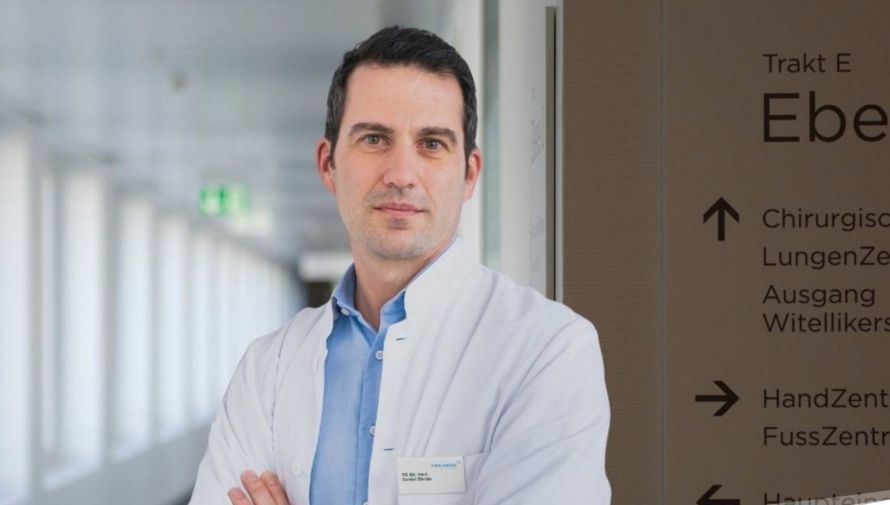
Priv.-Doz. Dr. med. Daniel Dindo is an outstanding proctologist who specializes in the treatment of diseases of the rectum, anus, and anal canal. As a partner at the Surgical Center at the renowned Hirslanden Clinic in Zurich, he enjoys an international reputation and is considered one of the leading proctologists in modern high-performance medicine. For more than a decade, he has devoted himself exclusively to proctological conditions, from comprehensive diagnosis through a wide range of therapies to individualized follow-up care. His designation as a European Specialist in Coloproctology in 2008 by the European Board of Surgery Qualification marked a milestone in his medical career.
The wide range of conditions he treats—including hemorrhoids, anal fistulas, coccygeal fistulas, anal continence issues, and anal changes caused by viral infections—attests to his vast experience and expertise. With more than four thousand consultations and over five hundred surgeries per year, he tackles challenges in consultation with patients at various state-of-the-art facilities. PD Dr. Dindo places great emphasis on a thorough diagnosis, drawing on his remarkable experience. His empathetic approach and personalized counseling ensure that patients feel they are in good hands right from the moment of diagnosis.
Through his close collaboration with various specialists and the use of state-of-the-art diagnostic procedures, he ensures that treatment plans are tailored to patients’ individual needs. His international network in proctology and his role as former president of the Swiss Working Group for Coloproctology help ensure that he is always up to date on the latest modern procedures. This is reflected in his broad range of treatments, which often do not require surgery.
Particularly noteworthy is his dedication to treating fecal incontinence, a taboo subject that affects many people. PD Dr. Dindo not only addresses the underlying causes with empathy but also offers modern treatment options, including sacral nerve stimulation. His expertise ranges from conservative approaches to surgical interventions, always with the patient’s well-being in mind. With Proctomed, his practice specializing in colorectal diseases, PD Dr. Dindo has established an internationally sought-after center distinguished by a high level of expertise, innovation, and a patient-centered approach. The editorial team of the Leading Medicine Guide spoke with PD Dr. Dindo about the still-taboo topic of fecal incontinence to raise awareness, particularly regarding effective and promising forms of therapy and treatment.
Fecal incontinence is a serious health problem that often remains hidden due to shame or embarrassment. This stigma can prevent people who suffer from it from seeking appropriate medical help or even discussing the issue. It is a condition that impairs control over bowel movements and can have various causes, including age-related changes, childbirth, neurological problems, or specific medical conditions. The impact on the quality of life and mental well-being of those affected is enormous, and managing this condition often requires open discussion, medical help, and appropriate treatment approaches.
Fecal incontinence, also known as the uncontrolled loss of stool or feces, can be caused by a variety of factors.
“A common cause is weakness or damage to the anal sphincter, the muscle that controls the anus. This can be caused by childbirth, injuries, or certain medical conditions. Similarly, disorders affecting the nerves that control the bowel and the anal sphincter—such as those associated with diabetes, spinal cord injuries, or neurological conditions—can lead to continence problems. Sometimes, no specific cause is known at all—it is a multifactorial condition,” Dr. Dindo notes at the start of our conversation. Chronic diarrheal diseases such as Crohn’s disease or ulcerative colitis can also exacerbate fecal incontinence. Another factor can be rectal prolapse, in which the rectum slips out of place and impairs the normal closure of the anus. Even surgical procedures involving the bowel or anus can alter the anatomical structure and lead to fecal incontinence. The aging process also plays a role, as natural deterioration of the muscles and nerves can occur with age, impairing control over bowel movements.
Early diagnosis is crucial to ensuring the best possible treatment.
Causes identified early can often be treated more effectively, which in turn leads to an improved quality of life for the patient. Untreated fecal incontinence can ultimately lead to skin irritation, infections, and social isolation. Therefore, it is important to discuss symptoms with a doctor in a timely manner to receive a comprehensive diagnosis and appropriate treatment options. “When patients’ distress becomes too great, they go to the doctor—even if it’s just their primary care physician at first. However, out of shame, they often endure their symptoms for a long time, and these range from flatus incontinence to soiled underwear to uncontrolled fecal leakage. Patients cope with this for a long time, don’t tell anyone about it, and know exactly where public restrooms are (there are even designated restroom guides),” says Dr. Dindo regarding the stigmatized behavior of those affected.
Various treatment options are available for the non-surgical management of fecal incontinence, which can be tailored to the individual needs of patients.
“First, I discuss with the patient the basic requirements for controlling bowel movements and flatulence. We need muscle strength for this, we need a sphincter muscle—but you also have to be able to sense when a bowel movement is coming. The consistency of the stool is also important; it should be soft. I then discuss conservative measures with the patient to strengthen the muscles. Control functions can be improved through targeted exercises to strengthen the pelvic floor muscles. Physical therapists can create individualized exercise plans to strengthen the muscles and promote continence. There is also what is known as anal biofeedback, which uses electronic devices to help patients better control their pelvic floor muscles. Through visual or auditory feedback, patients can learn to control the muscles more consciously. Adjusting one’s diet, particularly in cases of diarrhea, can also help improve stool consistency. For example, taking psyllium husks helps improve the consistency of the stool and make it more compact. In some cases, medications such as loperamide may be prescribed; these affect bowel function and can slow the transit of stool. Food intolerances must be identified, and other intestinal disorders must be ruled out, which is done via a colonoscopy,” explains Dr. Dindo.
Psyllium husks are the seed husks of the Plantago ovata plant, which are often used as a high-fiber dietary supplement. These husks consist mainly of soluble fiber, which can absorb a lot of water and thereby help increase stool bulk. Due to their ability to swell, they can support bowel motility, which can be helpful in regulating digestive problems such as constipation or diarrhea.
Sacral nerve stimulation (SNS) plays a significant role in the treatment of fecal incontinence and can be particularly beneficial for certain patient groups.
In advanced or persistent cases of fecal incontinence, surgical intervention may be considered. “SNS is a standard treatment in which an electrode and a small device, similar to a pacemaker, are implanted under the skin. This device sends electrical impulses to the sacral nerves, which are responsible for controlling the pelvic floor and bladder and bowel function. The device is implanted in the patient using a minimally invasive procedure under local anesthesia, and the procedure is 100% reversible. The success rate for this treatment is 80%, and symptoms are definitely improved by at least 50%. Even if residual symptoms remain, the patient’s quality of life usually improves significantly nonetheless. Theoretically, the electrode can remain in the patient for a lifetime and has a battery life of approximately 15 years. “The battery can be easily replaced,” explains Dr. Dindo regarding this promising therapy. SNS has a positive effect on the nerve pathways in the pelvic region and influences communication between the brain and the intestines. Through targeted stimulation of the sacral nerves, muscle activity in the pelvic floor can be regulated and improved. This leads to better control over the bowel movement process and can reduce the symptoms of fecal incontinence.
In some cases, the sphincter muscle can also be reconstructed if it has been damaged—for example, during childbirth.
“If, for example, a sphincter injury occurred during childbirth, there are standard surgical procedures to restore or improve the muscle’s function. In sphincteroplasty, the damaged sphincter muscle is repaired by reconstructing or suturing the torn or weakened parts of the muscle to restore function. There are also some experimental approaches involving artificial sphincters. However, this technology is still under development and is not routinely used in clinical practice. “If, for example, sacral neuromodulation has not worked for the patient, then an artificial bowel outlet is the next option and ultimately a good way to break out of social isolation and regain control over one’s own body,” recommends Dr. Dindo.
An artificial bowel opening, also known as a stoma, is surgically created to connect the bowel to the body’s surface. This allows stool or urine to be expelled from the body when normal elimination through the usual route is no longer possible or when parts of the bowel or urinary tract have had to be removed.
Colostomy: In this procedure, the large intestine is brought out through the abdominal wall to create an artificial opening. Depending on its positioning, this can be temporary or permanent.
Ileostomy: This type of artificial bowel opening is created from the small intestine. Similar to a colostomy, the small intestine is brought out through the abdominal wall to allow for the passage of stool.
Urostomy: This artificial opening is used to drain urine when the natural urinary tract no longer functions. In this procedure, a portion of the urinary system is brought out through the abdominal wall.
The surgery to create an artificial bowel opening is performed under general anesthesia. The surgeon selects the location of the opening based on the patient’s individual needs and medical requirements. A stoma bag is placed over the artificial opening to collect waste. Adjusting to an artificial stoma requires time and patience, both physically and mentally. Stoma care and proper handling of the stoma bag are essential for preventing complications and ensuring a better quality of life.
Interdisciplinary collaboration plays a crucial role in the diagnosis and treatment of fecal incontinence, particularly with regard to physical therapy approaches and psychosocial support. A holistic approach that integrates various medical disciplines enables a comprehensive assessment and individually tailored treatment plans for patients. “This is particularly important if pelvic floor prolapse with rectal prolapse has occurred following childbirth. In such cases, we collaborate with the gynecology department. For men, we work closely with the urology department,” comments Dr. Dindo. Psychosocial support is of great importance, as fecal incontinence can often have not only physical but also emotional and social consequences. An interdisciplinary team that includes psychologists or social workers can help identify psychological stressors and offer appropriate support.
A balanced diet plays a crucial role in maintaining a healthy gut. The food we eat has a significant impact on gut health.
A balanced diet is crucial for gut health. Our diet has a direct impact on gut health and overall well-being. Fiber-rich foods such as whole grains, fruits, vegetables, legumes, and nuts are essential for healthy digestion. They not only support regular bowel movements but also promote a healthy gut microbiota. A healthy gut is home to a complex community of bacteria, viruses, fungi, and other microorganisms known as the gut microbiota. These microbes play a crucial role in digestion, strengthening the immune system, and maintaining the health of the digestive tract.
“Simply consuming psyllium husks and an adequate amount of fiber in the form of vegetables, fruits, and legumes helps the gut flora. Meat, rice, and pasta, on the other hand, are not beneficial. Probiotics, found in foods such as yogurt, kefir, sauerkraut, and fermented products, help promote a balanced gut flora. They provide live microorganisms that support digestion and strengthen the immune system,” advises Dr. Dindo.
Adequate fluid intake and a varied diet are important for healthy digestion. Water helps soften stools and prevent constipation, while a varied diet promotes the diversity of the gut microbiota. Sugar and unhealthy fats can negatively impact gut health, so consciously avoiding them is beneficial. In addition, eating slowly, exercising, managing stress, and getting enough sleep also have a positive effect on gut health.
When the gut flora is unhealthy …
“SIBO stands for ‘Small Intestinal Bacterial Overgrowth’ and describes a condition in which bacteria accumulate in unusually high quantities in the small intestine—a condition that has been receiving increasing attention in recent years. In SIBO, bacteria—usually from the large intestine—multiply in the small intestine, which can lead to various health problems. The symptoms of SIBO often resemble those of other digestive disorders, such as bloating, abdominal pain, cramps, diarrhea, and occasional constipation. Treatment for SIBO typically involves antibiotics to reduce the excessive bacterial overgrowth, followed by dietary and lifestyle adjustments to prevent recurrence. “Treatment may also include probiotic supplements, dietary changes, and management of underlying conditions,” adds Dr. Dindo.
An Emotional Appeal
“The most important thing of all is for patients to talk about their problem and stop feeling guilty. According to the literature, approximately 5% of the population in Switzerland is affected—that’s about 400,000 people! Of these, approximately 30–50% are nursing home residents. However, the actual numbers are likely much higher. It is therefore important to provide better education to reduce the stigma surrounding this issue,” says Dr. Dindo hopefully.
A Wish for the Future.
“Sacral neuromodulation has certainly revolutionized the treatment of fecal incontinence; it was, so to speak, a quantum leap. It’s almost a miracle that this allows us to better control bowel movements. But I would like to see the problem of fecal incontinence given just as much visibility as that of urinary incontinence, which, for example, receives widespread attention through TV commercials for pads and is thus no longer considered taboo—why can’t a message about help for fecal incontinence be broadcast here as well? “Self-help groups, for example, could invest money in PR and advertising in magazines,” says Dr. Dindo, expressing his hope for better public education on the topic, and thus concludes our conversation.
Dear Dr. Dindo, thank you very much for helping us raise awareness together about the still-taboo topic of fecal incontinence!
Share this article
Expert Interviews
Read next
- Expert interview
Expert interview with Professor Dr Elmar Herbst, PhD
Oct 15, 2026
Patient-centred and personalised knee surgery
Read more - Expert interview
Cardiogeriatrics: Significance and benefits in the context of hospital reform
Sep 21, 2026
Cardiogeriatrics: Significance and benefits in the context of hospital reform
Read more - Expert interview
Expert Interview with Professor Dr. Amadeus Hornemann, MPH
Sep 18, 2026
Prof. Amadeus Hornemann on Precision Medicine in Gynecology: Modern Surgery, New Techniques, Better Quality of Life
Read more