Expert Interviews
Lifesavers in Rhythm: Pacemakers and Defibrillators—An Expert Interview with Priv.-Doz. Dr. Kaya

Alexandra Pfitzmann ·
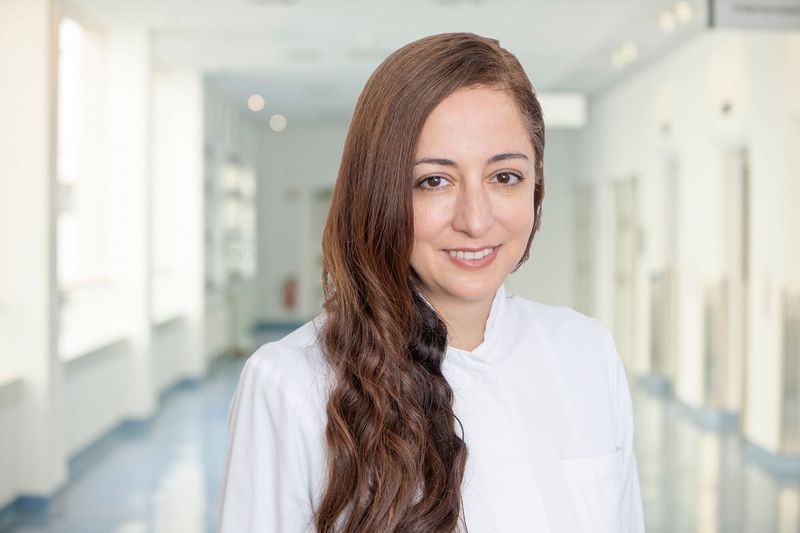
Priv.-Doz. Dr. med. Elif Kaya, Chief Physician of the Department of Rhythmology at Clemenshospital Münster, is a leading expert in cardiovascular medicine. She specializes in pacemaker and defibrillator therapies—known as device therapy—and offers innovative treatment methods for patients with cardiac arrhythmias and other heart diseases.
Clemenshospital Münster, part of the renowned Alexianer Misericordia GmbH, is distinguished by its excellent medical care. Equipped with state-of-the-art technology in cardiac functional diagnostics and cutting-edge cardiac catheterization labs, the hospital ensures the highest safety standards and provides patients with comprehensive care.
Priv.-Doz. Dr. Kaya offers innovative solutions such as wireless pacemakers and implantable defibrillators. Her extensive experience in the implantation of implantable cardioverter-defibrillators (ICDs) and subcutaneous defibrillators has made her a leading figure in ensuring the best possible medical care at Clemenshospital Münster.
The editorial team of the Leading Medicine Guide spoke with Priv.-Doz. Dr. Kaya specifically about device therapy to learn more about this life-saving measure.
The use of a defibrillator is a crucial step in life-saving medicine, particularly for patients with life-threatening cardiac arrhythmias. The use of a defibrillator aims to treat life-threatening conditions such as ventricular fibrillation or ventricular tachycardia (a dangerous heart rhythm disorder in which the ventricles beat faster than normal), which can lead to sudden cardiac arrest. These life-saving devices deliver a shock to restore a regular heart rhythm. In addition to external defibrillators, there are also implantable defibrillators that are implanted in the body and can automatically intervene to treat life-threatening arrhythmias directly before a critical condition develops. These implantable devices play a vital role in preventing sudden cardiac death and offer an effective treatment option for patients at increased risk of life-threatening cardiac arrhythmias.
An implantable cardioverter defibrillator (ICD) is an implantable device used to treat patients at risk for life-threatening cardiac arrhythmias.
This electronic device consists of two components: the ICD unit, which comprises the battery and the electronics, and the electrode. The unit is usually about the size of a matchbox; it is implanted under the chest muscle and, in combination with the electrode, continuously monitors the heart rhythm. If dangerous arrhythmias such as ventricular fibrillation or ventricular tachycardia occur, the ICD intervenes by delivering a shock to restore the heart to a normal rhythm. “Implantable defibrillators have been available since 1980, and the patients who benefit most from a cardioverter-defibrillator are those who have survived cardiac arrest and those who are at increased risk for life-threatening cardiac arrhythmias. These devices offer prevention and represent a life-saving therapy, as they are capable of detecting and treating dangerous cardiac arrhythmias and ending the life-threatening condition. People who have survived sudden cardiac arrest are informed by their cardiologist about implantable defibrillator therapy at the latest after this serious turning point in their lives. There are also clearly defined guidelines that specify exactly which patients are suitable candidates for this type of therapy. “Examples include structural or genetic heart diseases,” explains Priv.-Doz. Dr. Kaya at the beginning of our conversation.
Indications for the implantation of a cardioverter-defibrillator
- A history of sudden cardiac arrest or dangerous cardiac arrhythmias.
- Heart failure with reduced cardiac output.
- Structural heart disease or genetic disorders that increase the risk of sudden cardiac death.
Implantable cardioverter-defibrillators (ICDs) and conventional pacemakers are both implantable rhythm management devices, but they have different functions and objectives.
“Pacemakers are implanted in patients with a heart rate that is too slow to regulate the heart’s rhythm and ensure that the heart beats at a rate that is not too slow. These devices are used to treat arrhythmias in which the heart beats too slowly or has pauses in its rhythm. In contrast, cardioverter-defibrillators are implanted in patients who are at higher risk for life-threatening rapid heart rhythm disturbances, such as ventricular fibrillation or ventricular tachycardia, which can lead to sudden cardiac death. The ICD continuously monitors the heart rhythm and delivers a shock in the event of a life-threatening arrhythmia to restore the heart to a normal rhythm. “Essentially, conventional cardioverter-defibrillators combine the functions of a pacemaker with the ability to additionally detect and treat dangerous cardiac arrhythmias,” explains Priv.-Doz. Dr. Kaya.
How does a defibrillator differ from a pacemaker?
A pacemaker is implanted when the heart beats too slowly. It detects the slow heart rate and then delivers small, imperceptible electrical impulses that stimulate the heart muscle and trigger a heartbeat. A defibrillator, on the other hand, also intervenes when the heart begins to beat “chaotically” fast. It then delivers a shock that “resets” the rapid heartbeat so that a normal heartbeat can resume.
The implantation of an implantable cardioverter-defibrillator (ICD) involves several steps and is usually performed under local anesthesia.
“First, various preliminary examinations are necessary to determine whether the patient requires therapy with an implantable cardioverter-defibrillator and which type of defibrillator is most suitable. Many factors must be taken into account, including the underlying cardiac condition, comorbidities, and the patient’s age. Only then can the focus shift to selecting the appropriate system. There are various types available. For example, in the conventional, so-called transvenous single-chamber system, the electrode is implanted into the right ventricle via a venous access route. In dual-chamber systems, a pacing electrode is additionally placed in the right atrium. This allows for more precise control of the heart rate and the timing of atrial contractions in relation to the ventricles. The three-chamber system, in turn, includes an additional pacing electrode in the coronary sinus. This enables the synchronization of heart contractions in both ventricles and is an established cornerstone in the treatment of patients with severe heart failure. In addition to conventional transvenous systems, ICD systems with no intracardiac or intravascular components at all have also become well established as an effective therapy, thereby avoiding probe-related problems. In Germany, so-called subcutaneous defibrillators have also been available since 2010; these are unique in that they are located entirely outside the heart and blood vessels, yet are still capable of delivering effective shock therapy. These systems are particularly suitable for younger patients, as they are expected to live with the device for a long time—and ideally without complications. The systems are also suitable for patients who have undergone chemotherapy or require dialysis. However, this type of system has one drawback—it cannot provide additional pacing. Finally, the patient’s occupation must also be taken into account. For example, individuals who bear responsibility for road traffic as part of their jobs—whether bus or truck drivers, pilots, or train engineers—or those who are exposed to strong magnetic fields in their work can no longer perform their professional duties,” explains Priv.-Doz. Dr. Kaya.
Implantation is usually performed under local anesthesia. If desired, mild sedation can also be administered. The lead is inserted through a vein near the collarbone. The device is then typically implanted under the pectoral muscle. The exact number and placement of the individual leads depend on the type of ICD. After implantation, functional tests are performed to ensure that the ICD is working properly and would respond to cardiac arrhythmias.
“The duration of the surgery depends on the complexity of the procedure and the patient’s individual circumstances. After implantation, the patient remains in the hospital under medical observation for a short monitoring period before being discharged home, usually after just one night. Single- and dual-chamber implantations can also be performed on an outpatient basis,” says Priv.-Doz. Dr. Kaya.
Although ICD implantation is relatively safe, like any surgery, it carries certain risks. Possible complications include bleeding, infections, pneumothorax, lead dislocation, myocardial perforation, or other complications, but these are generally rare. “After implantation, an ICD requires regular medical follow-up to ensure that it is functioning properly and that no problems arise over the long term. The patient is provided with an ICD ID card that confirms they have such a device and identifies the manufacturer,” explains Priv.-Doz. Dr. Kaya.
Using a smartphone to make calls or listen to music does not interfere with the function of ICDs implanted today. However, one should not hold the phone directly against the skin where the ICD is located.
Quality of life plays a significant role in the decision to undergo or decline implantation of an implantable cardioverter-defibrillator (ICD).
The decision to receive an ICD can enhance a sense of safety and protection against sudden, life-threatening cardiac arrhythmias. This can contribute to improved mental health and give patients greater confidence in their daily activities. However, ICD implantation can also have negative effects on quality of life. Some patients may feel restricted or impaired in their freedom of movement simply because they know they have such a device implanted.
“The awareness of carrying a medical device inside the body can trigger fears or worries and cause psychological stress. It is important for patients and their doctors to carefully weigh these aspects in order to make the best possible decision for each individual’s situation. Most people prefer the safety that an ICD offers, while others take the potential limitations or psychological stress into account and wish to consider alternative treatment options. Open communication between patients and doctors, as well as a thorough consultation about the potential impact on quality of life, are crucial for making the best possible decision. Some patients who have already survived cardiac death are often very anxious and welcome such an implant as a guardian angel. “The device is checked every 3–6 months and may need to be reprogrammed if necessary,” explains Dr. Priv.-Doz. Kaya, adding further details about adapting to daily life with the new device:
“For example, the patient must always present their implant ID card before an upcoming MRI exam and, for instance, at security checkpoints before a flight. Patients also receive informational brochures explaining, for example, that after shock therapy has been administered, they may initially be prohibited from driving. It must also be made clear how shock therapy works and how its course can vary. For example, Ms. Müller might be out for a walk and could lose consciousness due to a sudden cardiac arrhythmia. The system delivers a shock, bringing the patient back to consciousness—Ms. Müller will be briefly disoriented but will not experience any pain. However, there are also patients who have not yet experienced circulatory collapse due to a ventricular arrhythmia, meaning the patient experiences the shock therapy while fully conscious. Patients describe this as feeling as if an elephant were stepping on their chest. This can be very traumatic and painful for the patient and may also lead to phantom pain over time. Therefore, it is very important that the device be programmed according to very strict criteria and deliver a shock only when necessary. This is because false shocks can occur, for example, due to device malfunctions or benign arrhythmias. Cables can also wear out over the years, which in turn generates interference signals that the device interprets as an arrhythmia and may trigger a shock.”
The implantation of a defibrillator is an important step for people with certain heart rhythm disorders or who are at risk of sudden cardiac death.
“In addition to the medical aspects, regaining quality of life plays a crucial role, though this is perceived very differently from person to person. Most patients feel safer and are no longer as afraid of sudden cardiac death, since they have protection and can therefore sleep more soundly. Others still have fears and feel restricted due to a sensation of having a foreign object in their body. For patients who have had a 3-chamber system implanted, there is an additional major benefit in daily life—not only is protection against sudden cardiac death guaranteed, but exertional shortness of breath can also improve significantly. People with an ICD can live completely normal lives. “There are no absolute restrictions in daily life,” says Priv.-Doz. Dr. Kaya regarding patients’ experiences.
Protect your heart—it’s the engine of your life!
By taking care of your health and making conscious decisions, you can strengthen your heart and protect it from disease. Make time for regular exercise, a balanced diet, and sufficient sleep. Avoid smoking and excessive alcohol consumption. Pay attention to stress management, and find ways to bring relaxation and joy into your life. By following these simple steps, you’re investing in the long-term health of your heart and improving your quality of life. “Of course, there are also factors over which we have no control at all, such as genetic predisposition or, quite simply, age. Over the past 10–15 years, there have been incredible advances in the development of ICDs. The devices have become smaller and smaller, and even severely ill patients can now receive optimal treatment,” says Priv.-Doz. Dr. Kaya optimistically, bringing our conversation to a close.
Thank you very much, Priv.-Doz. Dr. Kaya, for your explanations regarding the life-saving measures made possible by an implantable cardioverter-defibrillator (ICD)!
Share this article
Expert Interviews
Read next
- Expert interview
Expert interview with Professor Dr Elmar Herbst, PhD
Oct 15, 2026
Patient-centred and personalised knee surgery
Read more - Expert interview
Cardiogeriatrics: Significance and benefits in the context of hospital reform
Sep 21, 2026
Cardiogeriatrics: Significance and benefits in the context of hospital reform
Read more - Expert interview
Expert Interview with Professor Dr. Amadeus Hornemann, MPH
Sep 18, 2026
Prof. Amadeus Hornemann on Precision Medicine in Gynecology: Modern Surgery, New Techniques, Better Quality of Life
Read more