Expert Interviews
A Multidisciplinary Approach: Effective Treatment of Colorectal Cancer—An Expert Interview with Prof. Gruenberger

Alexandra Pfitzmann ·
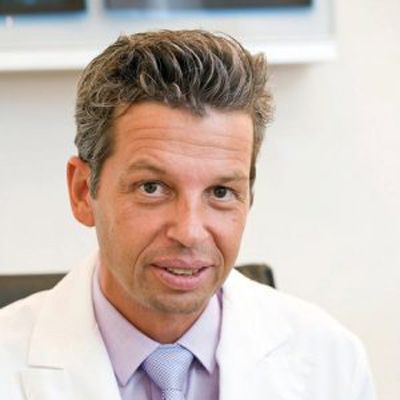
Chief Physician Prof. Dr. med. Thomas Gruenberger is regarded as a leading figure in the field of liver and biliary tract surgery, as well as pancreatic and colorectal cancer surgery, in Vienna. His extensive expertise and dedication have made him a leading specialist in his field, and his work contributes significantly to the advancement of gastroenterological surgery. Prof. Dr. Gruenberger heads the state-of-the-art Gruenberger Private Practice in Vienna. His areas of expertise include the treatment of liver diseases, biliary tract diseases, pancreatic tumors, and colorectal and liver cancer.
With an impressive medical background and many years of experience, he has earned a reputation as an expert in complex surgical procedures. As a specialist in liver and biliary tract surgery, Prof. Dr. Gruenberger has developed numerous innovative procedures to provide optimal treatment for patients with liver and biliary tract diseases. His advances in minimally invasive surgery have helped shorten recovery times and improve patients’ postoperative quality of life. In pancreatic surgery, his focus is on precise diagnostic procedures and modern surgical techniques for treating pancreatic tumors.
His holistic approach takes into account both the effectiveness of the intervention and patients’ quality of life following surgery. His multidisciplinary approach integrates the latest developments in oncology and surgery to create personalized treatment plans for each patient. Prof. Gruenberger’s ongoing research in the fields of hepatology and gastrointestinal surgery is reflected not only in his clinical work but also in numerous scientific publications. His commitment to training young physicians and surgeons helps ensure that his extensive knowledge and experience are passed on to the next generation.
Overall, Chief Physician Prof. Dr. med. Thomas Gruenberger is a key figure in Vienna’s healthcare system, whose dedication and expertise make a significant contribution to advancing medical care in the fields of hepatology, liver and biliary tract surgery, pancreatic surgery, and the treatment of colorectal cancer. In particular, the diagnosis of metastatic colorectal cancer poses a challenge. This advanced form of cancer, which has spread beyond its original site in the colon, requires a comprehensive and individualized approach to medical care. For this reason, the editorial team of the Leading Medicine Guide took the opportunity to speak with Prof. Dr. Gruenberger about this specific condition.
Metastatic colorectal cancer refers to an advanced form of colorectal cancer in which cancer cells detach from the original site in the colon and spread to other parts of the body. Metastases are secondary tumors that form in distant organs or tissues and are the result of advanced cancer. Colorectal cancer typically begins as a benign growth, known as a polyp, in the colon or rectum (the final section of the colon immediately before the anus). Over time, this polyp can develop into a malignant tumor. If cancer cells from this tumor enter the bloodstream or the lymphatic system, they can be carried to other organs or tissues and form metastases there. The spread of metastases can affect various organs, with the liver and lungs being common sites.
Colorectal carcinoma, commonly known as colon cancer, presents with a variety of symptoms that can vary from person to person.
“First of all, the symptoms depend on where the tumor is located. If the tumor is located at the beginning of the large intestine, it usually causes anemia due to constant bleeding from the tumor. This leads to symptoms such as fatigue, weakness, shortness of breath, and dizziness. In the early stages of rectal cancer, the symptoms are similar to those of colon cancer. Typically, changes in bowel habits occur, with alternating diarrhea and constipation, sometimes painful bowel movements, or a feeling of incomplete bowel emptying. In advanced rectal cancer, rectal bleeding, pain in the anal area, weight loss, and intestinal obstruction may occur. The time it takes for these symptoms to become noticeable varies from person to person and depends on factors such as the type of tumor, its location, and its growth rate. If everyone underwent regular screening, such as a colonoscopy, colorectal cancer could largely be eradicated. You should have your first screening at age 50 and then every 5 years, since colon cancer cells do not grow very quickly and it takes time for a polyp to develop. “However, if colorectal cancer is detected too late—which, unfortunately, happens more often due to the later onset of symptoms associated with the more aggressive right-sided tumor—the cancer quickly spreads to other organs such as the liver and lungs, or deposits form on the peritoneum, a condition known as peritoneal carcinomatosis,” explains Prof. Dr. Gruenberger clearly.
Significant progress has been made in the treatment of metastatic colorectal cancer in recent years, particularly through the introduction of new therapeutic approaches and drug combinations.
When colorectal cancer metastasizes, the cancer spreads beyond the colon to other organs or tissues in the body. Typically, metastases from colorectal cancer are found in the liver and lungs. Metastatic colorectal cancer can lead to further complications and limit treatment options. The prognosis generally worsens as the cancer spreads to other organs. “The development of metastases depends on the aggressiveness of the cancer, which is usually more aggressive on the right side than on the left due to molecular differences. In the past, we operated on 80% of patients with metastases that had formed during the so-called follow-up period after the removal of colorectal cancer. Today, in 80% of patients, it’s exactly the opposite: we treat patients who are diagnosed with both colorectal cancer and metastases at the same time,” notes Prof. Dr. Gruenberger.
Surgery is the primary treatment method for colorectal cancer, especially in the early stages of the disease. It allows for the complete removal of the tumor and the surrounding lymph nodes to stop the cancer from progressing. “If surgery is an option, that’s good news for the patient. However, surgery is not always possible, especially if the tumor is too advanced or has already spread throughout the body. Surgery is only advisable if the tumor and its metastases can be completely resected; the surgical risk should be evaluated in an interdisciplinary setting. However, there have been tremendous advances in recent years in the development of new therapies, such as chemotherapy and antibody therapy. “Approximately 5% of patients have microsatellite instability, for which a specific immunotherapy has been developed that can lead to complete tumor destruction in a high percentage of cases,” explains Prof. Dr. Gruenberger encouragingly.
Patients with microsatellite instability (MSI) have genetic alterations that cause these repeated sequences in their genetic material to become unstable. This can lead to an increased susceptibility to certain types of cancer, particularly colorectal cancer, and may also indicate a familial predisposition to cancer. The presence of MSI can also play a role in treatment selection, as certain therapies have been developed specifically for tumors with this instability.
There has been no significant increase in the number of colorectal cancer patients. However, the causes are clear.
“In Austria, approximately 5,000 people are diagnosed with colorectal cancer each year—a relatively constant figure—while in Germany the number is approximately 60,000, due to the larger population. In Africa, for example, where many people are undernourished, colorectal cancer is virtually nonexistent. It is a disease of modern civilization—in the past, cases of colorectal cancer were also rare in Asia. Now that fast-food chains serving large amounts of meat have become widespread there, the number of cases is rising there as well. People who eat fish are significantly less likely to develop colorectal cancer. Physically active individuals are also less likely to develop it, and obesity is a risk factor,” Prof. Dr. Gruenberger explains.
By analyzing the genetic and molecular characteristics of the tumor, doctors can gain a better understanding of the specific properties of each patient’s cancer. “As a general rule, colorectal cancer can be hereditary; therefore, if there is a positive family history, a colonoscopy should be performed even before the age of 50!” urges Chief Physician Gruenberger. The comprehensive treatment of patients with metastatic colorectal cancer requires a multidisciplinary approach in which various medical specialties work together. Optimal coordination between these specialties is crucial for providing the best possible care for patients.
“In addition, it has been found that the tumor often disappears completely with long-term therapy. This can then be effectively monitored using the ‘watch and wait’ method to determine whether a tumor forms again, which is the case in about a quarter of patients,” explains Prof. Dr. Gruenberger, specifically regarding rectal tumors. “As for the hospital stay, it depends on whether the tumor is localized or metastatic. If it is localized and the patient receives pre-treatment radiation, this varies between short-term and long-term radiation, with each outpatient session lasting only two minutes. If chemotherapy is planned, this can be done on an inpatient basis with a four-day hospital stay, or on an outpatient basis, or even at home if the patient is taking oral medication. If surgery is planned, patients should expect a hospital stay of about one week, although minimally invasive robotic surgery has reduced the length of stay by two days. “Although the surgery itself takes a little longer overall, the procedure is much less invasive for the patient,” says Prof. Dr. Gruenberger, adding: “Patients who undergo minimally invasive surgery experience fewer complications, and ultimately this certainly translates into longer survival—though this has not yet been evaluated. But the fact is that immunosuppression—the suppression of the immune system—is less severe with minimally invasive surgery than with open surgery. There are also fewer complications, simply due to the precise guidance of the robotic instruments during the operation. And complications are always a contributing factor to the potential development of a recurrence. In localized colorectal cancer, depending on how advanced it is, 90% of patients remain recurrence-free over a five-year period, which is very good. If lymph node metastases have formed, the rate is 75–80%, and these patients require additional chemotherapy after surgery. For metastatic colorectal cancer that could be completely removed, the survival rate is approximately 5 years.”
The quality of life for patients with metastatic colorectal cancer is influenced by a variety of factors.
These can vary greatly during and after treatment and depend on various factors. Among the key aspects is effective symptom management, which includes pain control, prevention of nausea, and management of fatigue. Psychological support plays an equally important role, as the diagnosis and treatment are emotionally taxing. Anxiety, depression, and other emotional challenges may arise and require appropriate care, whether through talk therapy or group support. Another significant factor is nutritional management, as patients with metastatic colorectal cancer often experience weight loss, loss of appetite, or digestive problems. Tailored nutritional management is crucial for maintaining quality of life. Likewise, exercise and rehabilitation play an important role in preserving physical function, reducing fatigue, and enhancing overall well-being. Social support from family, friends, and support groups can improve emotional coping. A strong social network and the opportunity to connect with others facing similar challenges are of great importance.
Call for improved tumor boards.
In regular meetings—known as tumor boards—comprising physicians from various disciplines, such as oncologists, surgeons, radiologists, pathologists, and other specialists, individual patient cases are discussed, and a personalized treatment plan is developed collaboratively. “There will certainly be even more innovative therapies. However, it is important that patients have the right to a second opinion. This means that treatment must be able to be discussed within a well-composed tumor board—with colleagues who are up to date on the latest scientific findings regarding potential treatment methods and can therefore decide which sequence of therapies is most likely to succeed. New forms of therapy are developed every year, and this offers great hope for an increase in cure rates at the metastatic stage. And finally, as a recommendation for prevention and maintaining good health: “Eat fish once a week, and hike up a mountain once a week!” advises Prof. Dr. Gruenberger at the conclusion of our conversation.
Dear Professor Dr. Gruenberger, thank you very much for this very important conversation!
Share this article
About the medical author
Alexandra Pfitzmann
Editor
Alexandra Pfitzmann – medical author: expert knowledge, professional articles and medical insights in the Leading Medicine Guide.
More about the medical author →Expert Interviews
Read next
- Expert interview
Cardiogeriatrics: Significance and benefits in the context of hospital reform
Sep 21, 2026
Cardiogeriatrics: Significance and benefits in the context of hospital reform
Read more - Expert interview
Expert Interview with Professor Dr. Amadeus Hornemann, MPH
Sep 18, 2026
Prof. Amadeus Hornemann on Precision Medicine in Gynecology: Modern Surgery, New Techniques, Better Quality of Life
Read more - Expert interview
Expert Interview with Professor Dr. Konstantinos Anagnostakos
Sep 15, 2026
Prof. Anagnostakos on Painful Knee Replacements
Read more