Expert Interviews
That really makes my blood boil!

Alexandra Pfitzmann ·
Interview with Professor Dr. Grünberger, Head of the Department of Surgery at the Kaiser-Franz-Josef Hospital, SMZ-Süd in Vienna
You’re surely familiar with the expressions “It makes my bile rise!” or “spew venom and bile.” This figurative language isn’t without reason. In fact, it can happen that the yellow-green bile isn’t excreted by the liver through the duodenum but actually reaches the mouth via the esophagus. However, this is caused by an underlying medical condition and not by a bad mood or stress, as is often mistakenly assumed.
For example, a gallstone or gallbladder inflammation may be the cause. Other symptoms of gallbladder problems often include dark brown urine or yellowing of the eyes and skin. The tricky thing about gallstones is that the person affected often doesn’t notice them for a long time. They are usually discovered by chance during a routine ultrasound examination. And as long as the stones do not cause any symptoms, there is no urgent need to remove them surgically. But when they do make themselves felt, it hurts. Cramp-like pain may occur.
Signs of gallbladder disease
First and foremost, cramp-like pain in the upper abdomen is noticeable. The pain may also radiate to the back or the right shoulder. Bloating, an unpleasant feeling of fullness, vomiting, or nausea can also be accompanying symptoms. These symptoms occur because the gallbladder contracts to push bile into the intestine, but gallstones block the opening.
How does a gallstone form?
The closely interlinked interaction of the liver, pancreas, and bile ducts with the gallbladder forms a single unit when it comes to digestive processes. Toxins and metabolic waste products are filtered by the liver and bile; the bile also releases valuable substances necessary for fat digestion, while the liver serves as an essential store for fats, vitamins, and sugars and produces important proteins for cell growth.
Bile is produced in the liver to ensure healthy fat digestion. Every day, approximately half a liter of bile is produced in the liver and temporarily stored in the gallbladder. Under normal circumstances, this bile flows through the bile ducts into the small intestine to aid in the digestive process. The bile, which consists of water and non-water-soluble substances, is stored in the gallbladder when there is “nothing to do”—that is, when no digestive activity is taking place. Gallstones can form when this fluid clumps together. The resulting stones, formed from many crystals, consist largely of cholesterol and can grow to several centimeters in size.
Are more and more people suffering from biliary tract diseases or gallstones?
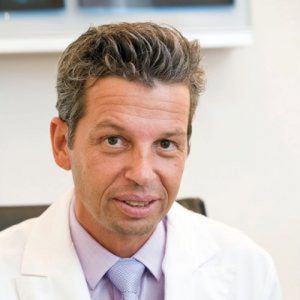
Professor Thomas Grünberger, MD, Chief of the Department of Surgery at the Kaiser-Franz-Josef Hospital, SMZ-Süd, in Vienna, treats patients with liver tumors, liver metastases, pancreatic tumors, and pancreatic carcinomas, as well as patients with gallstones, gallbladder carcinomas, and bile duct carcinomas.
The editorial team of the Leading Medicine Guide spoke with him about issues related to the gallbladder and wondered why more people seem to be suffering from gallbladder problems than in the past. “Apart from rare hereditary diseases, gallbladder inflammation (cholecystolithiasis) is a classic disease of affluence, triggered by obesity and a high-fat diet,” explains Prof. Dr. Grünberger. It is therefore no coincidence that the risk of developing gallstones increases starting around age 40. Incidentally, women are more affected than men, which is due in part to the female hormone estrogen, which causes more cholesterol to be secreted, which in turn promotes the formation of gallstones.
Dietary Tips for a Healthy Gallbladder
Try to avoid high-fat foods such as meat, sausage, cheese, and cream. Foods that cause bloating, such as cabbage and legumes, should also be eaten only in moderation. Spicy seasonings, chocolate, and sulfur-containing preservatives (used, for example, to preserve peanuts and almonds) should likewise be consumed only in small amounts. A balanced, fiber-rich diet that keeps cholesterol in check and avoids animal fats is definitely a good idea!
When the gallbladder has to go…
Very often, gallbladder disease can initially be treated with pain-relieving and antispasmodic medications. Ultimately, however, long-term relief from pain can only be achieved by removing the gallbladder. This procedure is relatively straightforward. “Thin tubes are inserted through three to four small incisions in the abdominal wall. The surgeon can then insert the necessary instruments through these to remove the gallbladder,” explains Prof. Dr. Grünberger, one of the leading specialists in hepatopancreatobiliary surgery—which encompasses operations on the liver, pancreas, and bile ducts or gallbladder.
If the bile ducts are so severely diseased that a carcinoma has formed, the entire gallbladder must be removed in every case. “Gallbladder carcinoma occurs in two forms: 1. As an incidental finding during histological examination of the gallbladder following its removal due to gallstones. In such cases, the need for a subsequent resection depends on the tumor stage; and 2. as an incidental finding in patients with right upper quadrant abdominal pain (in which case the disease is usually already at an advanced stage). The extent of the resection (including surrounding structures such as the liver, duodenum, colon, and bile duct) determines the difficulty of the procedure. It is possible to live without a gallbladder without any problems, since bile is produced in the liver and flows through the bile duct into the duodenum to aid in digestion; “The gallbladder simply serves as a reservoir for excess bile,” explains Prof. Dr. Grünberger.
“Make sure to follow a low-cholesterol, high-fiber diet, and keep your weight reasonably under control to support your gallbladder and bile ducts,” encourages Professor Dr. Grünberger, whom we warmly thank for this brief overview of the bile ducts.
In addition to his clinical work at SMZ-Süd, Prof. Dr. Thomas Grünberger is also active as a member of the Austrian Society for Surgical Oncology (ASSO) and the European Society of Surgical Oncology (ESSO), as well as a member of numerous other professional societies. In addition, he trains future doctors and nurses and is a sought-after speaker both in Austria and abroad. Prof. Grünberger conducts intensive research in the field of oncology, which is reflected in numerous scientific publications. In addition, Prof. Dr. Grünberger heads the Department of HPB Surgery at Sigmund Freud Private University in Vienna.
Share this article
About the medical author
Alexandra Pfitzmann
Editor
Alexandra Pfitzmann – medical author: expert knowledge, professional articles and medical insights in the Leading Medicine Guide.
More about the medical author →The Gruenberger Surgery
ProfileExpert Interviews
Read next
- Expert interview
Cardiogeriatrics: Significance and benefits in the context of hospital reform
Sep 21, 2026
Cardiogeriatrics: Significance and benefits in the context of hospital reform
Read more - Expert interview
Expert Interview with Professor Dr. Amadeus Hornemann, MPH
Sep 18, 2026
Prof. Amadeus Hornemann on Precision Medicine in Gynecology: Modern Surgery, New Techniques, Better Quality of Life
Read more - Expert interview
Expert Interview with Professor Dr. Konstantinos Anagnostakos
Sep 15, 2026
Prof. Anagnostakos on Painful Knee Replacements
Read more