Expert Interviews
Lifestyle and Health: Preventing Inflammation, Osteoarthritis, and Sarcopenia Through Diet and Fitness

Alexandra Pfitzmann ·
A healthy lifestyle is one of the most powerful ways to prevent inflammation, osteoarthritis, and sarcopenia. Diet and exercise work together as a team: they stabilize metabolism, protect joints and muscles, and keep inflammatory processes in check.
Those who eat a balanced diet, consume enough protein, and exercise regularly lay the foundation for keeping joints resilient, preventing muscle loss, and stopping silent inflammation from taking hold in the first place. This creates a holistic approach that strengthens long-term health, mobility, and quality of life.
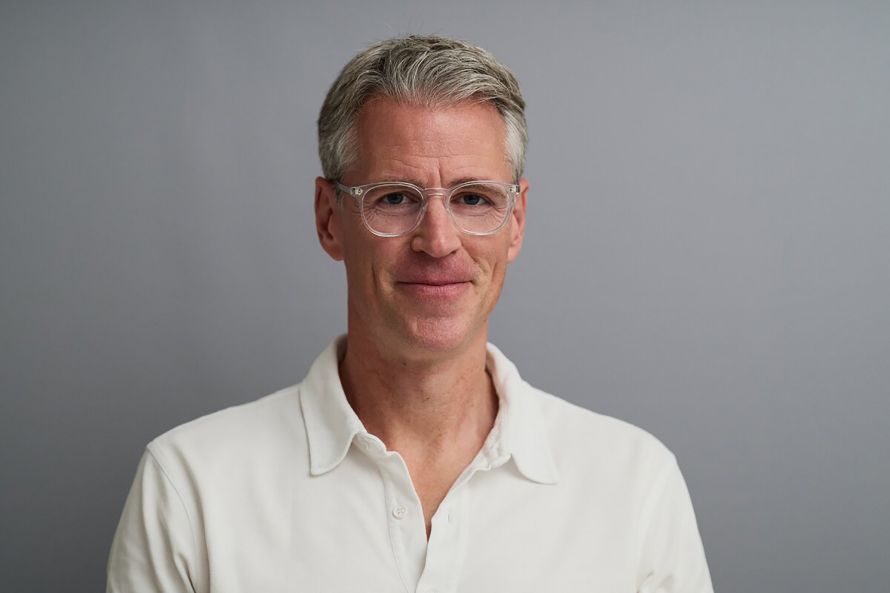
“As an orthopedic surgeon and trauma surgeon, I see the consequences of an unhealthy lifestyle every day: people who lose their mobility—and often their independence—due to osteoarthritis, muscle atrophy, or bone fractures. At the same time, scientific evidence now shows more clearly than ever that we can significantly influence the course of many of these conditions through our lifestyle.
A healthy diet, regular exercise, and maintaining muscle mass are therefore not merely wellness topics, but central building blocks of modern preventive medicine. Our goal should not only be to live longer, but above all to remain healthy, mobile, and independent for longer,” Prof. Dr. Kälicke notes at the outset.
Which specific dietary components have been proven to have anti-inflammatory effects and can thus reduce the risk of chronic diseases in old age?
“In my view, an anti-inflammatory diet doesn’t start with individual foods, but with avoiding chronic metabolic disorders. The biggest mistake is to focus exclusively on ‘superfoods’ while simultaneously eating too much and too frequently on a long-term basis. Chronic overeating and constant snacking cause insulin levels to remain elevated for much of the day.
Over time, this promotes insulin resistance—one of the main causes of chronic, low-grade inflammation, known as ‘inflammaging.’ It is precisely these inflammatory processes that are now considered the primary driver of many age-related diseases, such as cardiovascular disease, diabetes, osteoarthritis, sarcopenia, and dementia. That is why my most important dietary recommendation is, first and foremost: do not eat too much or too often. For most people, two to three meals a day are entirely sufficient. Constant snacking should be avoided as much as possible. Only on this basis can individual foods deliver their additional benefits. A diet that is as natural as possible and Mediterranean-inspired is recommended, featuring plenty of vegetables, legumes, berries, nuts, high-quality plant-based oils such as olive oil, fiber-rich whole-grain products, and sufficient high-quality protein to maintain muscle mass.
Many of these foods provide polyphenols, dietary fiber, and unsaturated fatty acids, which support anti-inflammatory metabolic processes while also positively influencing the gut microbiome. It is equally important to reduce the consumption of highly processed, energy-dense foods as much as possible. These foods often contribute to obesity, visceral fat accumulation, and thus the production of pro-inflammatory signaling molecules from adipose tissue.
One aspect that is likely to become significantly more important in the future is environmental pollution. This includes microplastics in particular. Although many of these connections are still the subject of intensive research, the data available so far suggest that the intake of microplastics and other pollutants should be reduced wherever possible—for example, by consuming foods that are as fresh and minimally processed as possible and by being mindful of packaging materials,” said Prof. Dr. Kälicke.
“My conclusion is therefore this: What matters is not individual anti-inflammatory foods, but an overall healthy metabolism. Those who avoid overeating, insulin resistance, and visceral fat create the most important prerequisite for preventing chronic inflammation from developing in the first place.
I would frame this question a bit more broadly. The real difference between strength training and endurance training lies not only in which muscle fibers are trained, but also in which aging processes they primarily influence. This gives the answer significantly more depth.
I would rank them as follows:
- Both forms of training are essential.
- Strength training = the most important measure against sarcopenia (Type II fibers).
- Endurance training = Type I fibers, mitochondria, metabolism, cardiovascular system.
- Osteoarthritis: both are important, but strength training is slightly more important due to its shock-absorbing function.
- Final message: “It’s not either/or, but both.”
To what extent do the preventive effects of endurance training and strength training differ with regard to the development of sarcopenia and osteoarthritis?

“Endurance and strength training have different focuses—but for healthy aging, we need both. They complement each other and affect different muscle structures and metabolic processes. Strength training is the most important measure for preventing sarcopenia, or age-related muscle loss. It primarily targets the fast-twitch Type II muscle fibers—our power fibers.
It is precisely these fibers that degrade particularly early and severely as we age. They determine whether we can stand up from a chair, catch ourselves if we stumble, or carry heavy grocery bags. As we lose them, we lose not only muscle strength but often our independence as well.
Endurance training, on the other hand, primarily targets the slow Type I muscle fibers. These are particularly rich in mitochondria—the powerhouses of our cells—and primarily improve aerobic performance, fat burning, and cardiovascular health. At the same time, regular endurance training increases maximum oxygen uptake (VO₂max), one of the best predictors of a long and healthy life. Both forms of training are also of great importance for osteoarthritis prevention, albeit in different ways.
Strong muscles act as shock absorbers for our joints. They reduce peak stress and protect cartilage, ligaments, and bones from excessive forces. At the same time, exercise is essential for nourishing joint cartilage. Cartilage has no blood vessels of its own but is nourished by diffusion from the synovial fluid.
It is only the regular alternation between loading and unloading that enables this exchange of substances. Today we even know that controlled stress can positively influence the cartilage within its biological limits and stimulate regenerative processes. In most cases, therefore, the solution for osteoarthritis is not rest, but intelligent exercise,” says Prof. Dr. Kälicke, adding:
“My conclusion is therefore: Strength training primarily protects against sarcopenia and stabilizes the joints. Endurance training, in particular, improves metabolism, the cardiovascular system, and mitochondrial function. Anyone who wants to age healthily should therefore never have to choose between strength training and endurance training. The two are inseparable and together form the foundation for mobility, independence, and quality of life well into old age.”
What role does the combination of nutrition and exercise play, compared to isolated measures, when it comes to the long-term preservation of muscle mass?
“Long-term preservation of muscle mass is only possible when nutrition and exercise go hand in hand. The two complement each other and can only achieve their full effect when working together. Put simply: Muscles need a training stimulus and the right building blocks. If either is missing, building muscle becomes difficult. Strength training provides the crucial stimulus. It signals to the muscles that they are needed. Without this stimulus, the body breaks down muscle tissue—in accordance with the biological principle: What isn’t used is conserved.
Conversely, training alone is not enough either. Without an adequate protein intake, the body lacks the necessary amino acids to repair damaged muscle fibers and build new muscle proteins.
As we age, this connection becomes even more important. The muscles then become less responsive to protein and training stimuli—we refer to this as anabolic resistance. Put simply: As we age, our muscles become “less responsive.” That’s why older adults need not only regular strength training but also, as a rule, more high-quality protein than younger adults.
The amino acid leucine is particularly important here, as it acts as a kind of “spark” for muscle building. However, I do not recommend drinking protein shakes all day long or constantly consuming small portions of protein. From the perspective of traditional muscle-building, frequent protein intake can certainly be beneficial and is specifically used in bodybuilding, for example. As part of a healthy longevity strategy, however, we’re pursuing a different goal. We want to maintain muscle mass while also allowing the body regular breaks from eating.
These breaks support processes such as autophagy and prevent the sustained activation of the mTOR signaling pathway, which—while essential for muscle building—can also promote aging processes if chronically overactivated. That’s why I prefer two to three protein-rich meals a day, which provide a sufficiently strong growth stimulus while allowing enough time in between for regeneration and cellular repair.
In addition, creatine can be particularly beneficial, especially as we age. It is one of the most thoroughly studied dietary supplements and can support strength development, performance, and the maintenance of muscle mass. However, the foundation always remains regular strength training, an adequate protein intake, and an overall active lifestyle,” explains Prof. Dr. Kälicke.
Muscles are far more than just a locomotive organ. They are also metabolic, hormonal, and health-regulating organs. Anyone who wants to maintain them in the long term should therefore never consider nutrition and exercise in isolation. Only their combined effect effectively protects against sarcopenia, preserves independence, and improves the chances of a long, healthy life. Our goal here is not to build as much muscle as possible, but to ensure as many healthy and independent years of life as possible.
How can lifestyle interventions be tailored to individuals to account for both genetic predispositions and different age groups?

“The most important message is this: There is no one-size-fits-all solution. Prevention must be individualized. Every person has different genetic makeup, a different metabolism, different pre-existing conditions, a different fitness level, and different personal goals. At the same time, the influence of our genes is often overestimated. For a long time, it was assumed that genes determine about 20 to 30 percent of our lifespan. More recent studies suggest that their influence may actually be higher—possibly as much as 50 percent.
Regardless of the exact figure, however, the key message remains the same: even if our genes were to determine half of our fate, the other half is in our own hands. Diet, exercise, sleep, stress management, and other lifestyle factors significantly influence how healthily we age. Genes can set a direction—but they are not an unchangeable fate,” explains Prof. Dr. Kälicke, adding:
“That’s why you should always start with an honest self-assessment. Am I more of a slim type, athletically built, or do I tend to be overweight? Do I have sufficient muscle mass, or are the first signs of sarcopenia already appearing? Do I have insulin resistance? What is my body fat percentage? How fit am I really? Do I suffer from osteoarthritis, osteoporosis, or cardiovascular disease? Only once I know my starting point can I develop the right strategy.
That’s why I like to say: Measure instead of guess. Age also plays a crucial role. A 30-year-old has different goals than a 75-year-old. When you’re young, the main focus is on establishing healthy habits and preventing risk factors from developing in the first place. In later life, maintaining muscle mass, regular strength training, adequate protein intake, and preventing falls become increasingly important. However, the goal remains the same at every stage of life: to stay healthy, active, and independent for as long as possible.
Ultimately, it’s not about conforming to some general ideal of health, but about making the most of one’s own circumstances. Effective prevention therefore always begins with an individualized assessment and culminates in a personalized, sustainable lifestyle. As a doctor, I don’t just treat lab results or diagnoses—I guide people on their journey toward a healthier life.”
How does calorie restriction affect performance in strength training and maximum oxygen uptake (VO₂max)?
On this topic, Prof. Dr. Kälicke explains: “Moderate calorie restriction can have a positive effect on metabolism, body weight, and numerous aging processes. However, how it is implemented is crucial. Calorie restriction does not mean malnutrition. The goal is not to eat as little as possible, but to cut out excess calories while continuing to provide the body with an optimal supply of protein, vitamins, minerals, and fiber. Anyone reducing calories should therefore under no circumstances cut back on protein. Especially during strength training, the muscles need sufficient protein to be maintained or built up.
If calorie restriction is accompanied by insufficient protein intake, the risk increases of losing not only fat but also valuable muscle mass. I therefore recommend cutting calories primarily by reducing excess carbohydrates and highly processed foods. Adequate protein intake and regular strength training form the foundation for preserving muscle mass as fully as possible despite a calorie deficit. The situation is somewhat more nuanced when it comes to endurance training.
For light training sessions at a basic intensity level, additional carbohydrates are generally not necessary. However, before longer or more intense workouts, adequate carbohydrate intake can be beneficial to replenish glycogen stores and prevent a drop in performance or the classic “hitting the wall.” “For very long endurance sessions, carbohydrate intake may also be beneficial during the workout,” he adds,
“Maximal oxygen uptake (VO₂max) depends primarily on regular endurance training. Moderate calorie restriction generally does not impair it, provided there is an adequate supply of nutrients. On the contrary: if it leads to weight loss while preserving muscle mass, the relative VO₂max—that is, oxygen uptake relative to body weight—often even improves.
Severe or long-term calorie deficits, on the other hand, become problematic, as they can impair recovery, performance, and muscle mass. From a longevity perspective, our goal is different from that of competitive sports anyway. It’s not about achieving peak performance in the short term or building as much muscle mass as possible. Our goal is to keep the metabolism healthy, maintain muscle mass, and preserve physical performance at the highest possible level over many decades.”
What scientific evidence is there that early prevention through healthy lifestyle habits measurably improves quality of life in old age?
“The scientific evidence today is overwhelming. Hardly any area of medicine has been studied more extensively than the influence of a healthy lifestyle on healthy aging. We now know very clearly that regular exercise, a balanced diet, sufficient sleep, and not smoking not only increase life expectancy but, above all, significantly extend the number of healthy years of life.
A 2018 study by Mandsager and colleagues is particularly impressive. The authors examined more than 122,000 people and were able to show that high cardiorespiratory fitness is one of the strongest predictors of a long life. People with the highest endurance capacity had the lowest mortality rates—even in old age. It was also noteworthy that poor fitness increased the risk of death at least as much as classic risk factors such as diabetes, smoking, or cardiovascular disease. The evidence regarding muscle strength is similarly compelling.
Numerous studies show that low handgrip strength is not only associated with sarcopenia but is also a strong predictor of falls, the need for long-term care, hospitalizations, and even increased mortality. Muscle strength is thus far more than a measure of physical performance—it is a biomarker for healthy aging. The key point, however, is this: prevention doesn’t begin at age 70. Most chronic diseases develop over decades. Insulin resistance, atherosclerosis, sarcopenia, and osteoarthritis develop gradually and often go unnoticed for a long time. Those who wait until symptoms appear to take action have often already lost valuable time.
That is precisely why I advocate for proactive medicine. We should not wait for diseases to develop, but rather create the conditions for healthy aging early on. Regular exercise, a protein-rich and natural diet, sufficient sleep, and maintaining muscle mass are not short-term measures, but investments in the future. Our goal is not just to live as long as possible, but to live as many years as possible in good health, with mobility, and independently. That is exactly what we mean today by a long “healthspan,” emphasizes Prof. Dr. Kälicke.
To what extent can digital health applications or wearables help promote healthy routines and support the prevention of inflammation and joint problems?
Prof. Dr. Kälicke comments: “I view digital health applications and wearables very positively in principle. One of my guiding principles is: Measure rather than guess. Because we can only objectively assess and specifically improve what we measure. Fitness watches, activity trackers, continuous glucose monitoring (CGM), body composition analyses, and modern sensors now provide valuable information about physical activity, sleep, heart rate, exercise intensity, and metabolism. Especially at the beginning of a lifestyle change, this data can help reveal patterns and establish healthy routines.
For example, many people are significantly more active when they track their daily step count or exercise activity. Wearables can also be helpful in preventing inflammation and joint problems. They motivate people to exercise regularly, prevent long periods of physical inactivity, and help manage training load more effectively. “Those who strike a sensible balance between exertion and recovery reduce the risk of overuse injuries to muscles, tendons, and joints,” he concludes, adding:
“Nevertheless, I don’t view this development uncritically. I’m not a fan of monitoring every bodily function every single day. At some point, there’s a risk of becoming a slave to your own metrics. Health shouldn’t consist primarily of numbers, but also of body awareness, experience, and common sense. Over time, many people develop a good sense of when they’re getting enough exercise, how intensely they should train, or when their body needs a break. Then it’s no longer necessary to constantly monitor all parameters. However, I’m convinced that we’re only at the beginning of this journey. In the coming years, artificial intelligence will be able to consolidate massive amounts of data from wearables, lab results, and other health information and analyze it in a much more personalized way than we can today. This will allow us to tailor preventive measures even more precisely to each individual in the future. Wearables can therefore be excellent companions on the path to a healthier lifestyle. However, they should support us—not control us. In the end, what matters isn’t the number on the watch, but the habits that result from it.”
LNGVTY: LIVE LONGER, LIVE BETTER—Exercise, Nutrition, Stress Management: Longevity Strategies for Healthy Aging and a Long Life
Prof. Dr. med. Thomas Kälicke
Graefe und Unzer Verlag
- 17th Edition, July 2026
432 pages
ISBN-10: 3758905559
ISBN-13: 978-3758905551
€24.00 on Amazon and at bookstores

- Heads two orthopedic surgery departments, both of which provide consistently high-quality care at both locations.
- Holds four board certifications, reflecting exceptionally broad surgical expertise.
- Endoprosthetics specialist performing 800–900 hip and knee replacements annually; EndoCert-certified center.
- Expert in revision surgeries for infections, loosening, instability, and periprosthetic fractures.
- Focus on joint preservation through cartilage surgery, axial corrections, and reconstructive procedures.
- Top-level hand surgery, including complex reconstructions and minimally invasive techniques.
- Reconstructive surgery for deformities, infections, pseudarthrosis, and tumors.
- Minimally invasive arthroscopy of the knee, shoulder, hand, and ankle.
- A broad range of conservative treatments, including physical therapy, occupational therapy, injections, and pain management.
- High diagnostic accuracy thanks to many years of experience in complex trauma surgery.
- Empathetic patient care with clear communication and structured follow-up care.
Share this article
Expert Interviews
Read next
- Expert interview
Expert interview with Professor Dr Elmar Herbst, PhD
Oct 15, 2026
Patient-centred and personalised knee surgery
Read more - Expert interview
Cardiogeriatrics: Significance and benefits in the context of hospital reform
Sep 21, 2026
Cardiogeriatrics: Significance and benefits in the context of hospital reform
Read more - Expert interview
Expert Interview with Professor Dr. Amadeus Hornemann, MPH
Sep 18, 2026
Prof. Amadeus Hornemann on Precision Medicine in Gynecology: Modern Surgery, New Techniques, Better Quality of Life
Read more