Expert Interviews
Long/Post-COVID in Psychosomatic Medicine: An Expert Interview with Dr. Eva Roder, M.D.

Alexandra Pfitzmann ·
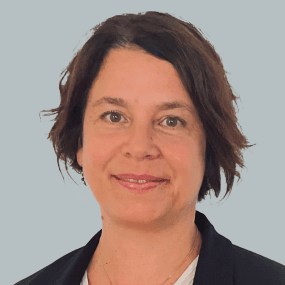
Dr. Eva Roder, M.D., is a senior attending physician and an experienced specialist in psychosomatic medicine and psychotherapy at the CuraMed Day Clinic in Neu-Ulm, which opened in July 2024 as part of the modern Neu-Ulm Health Campus. The day clinic, which is distinguished by an innovative and interdisciplinary treatment approach, offers patients comprehensive, holistic care at the highest medical standard. With her expertise and understanding of the interactions between the body and the mind, Dr. Roder makes an important contribution to the care of people with psychosomatic and psychiatric disorders.
In her role as senior attending physician, Dr. Eva Roder brings many years of experience and specialized knowledge in the treatment of a broad spectrum of psychosomatic conditions. These include, among others, anxiety disorders, depressive disorders, adjustment disorders, burnout and exhaustion syndromes, as well as chronic pain. A particular focus is on the holistic treatment of patients suffering from long-COVID and post-COVID symptoms. These complex symptoms, which often have no clear physical cause, present enormous challenges for many affected individuals. Dr. Roder and her team rely on customized treatment plans that are individually tailored to patients’ needs.
Another unique feature of the day clinic is its hybrid model, which allows patients to flexibly participate in individual therapy components online or remotely. This enables treatments to be optimally adapted to individual life situations and seamlessly integrated into daily life. Of particular note is the day clinic’s specialized outpatient clinic, where people with long-COVID or post-COVID symptoms can seek specialized psychosomatic diagnosis, counseling, and the initiation of further therapeutic and treatment steps. The editorial team of the Leading Medicine Guide was able to learn more about this very topic in a conversation with Dr. Roder.
Long- or post-COVID symptoms are characterized by a broad and complex spectrum of physical and psychological symptoms that persist even weeks or months after recovering from an acute COVID-19 infection and can significantly impair the quality of life of those affected. These symptoms can occur either in isolation or in combination, which often makes diagnosis and treatment particularly challenging.
“Chronic fatigue and a feeling of physical and mental exhaustion, combined with reduced performance, often top the list of symptoms. In addition, there are neurological symptoms such as difficulty concentrating and memory problems, which are also collectively referred to as ‘brain fog.’ Third on the list are respiratory symptoms, such as shortness of breath. A change in the sense of smell is also common, and some affected individuals report pain. This includes pain of all kinds—whether joint pain, muscle pain, or headaches. Gastrointestinal symptoms such as nausea or diarrhea are also reported. Patients often suffer from psychological symptoms as well. The most common psychological symptoms and disorders associated with post-COVID include anxiety, depression, sleep disturbances, and post-traumatic stress disorder—the latter particularly following severe cases. “The pandemic itself was a psychological stressor that should not be underestimated. When additional stressors are added to this, mental health conditions can develop,” explains Dr. Roder at the beginning of our conversation, describing how patients find their way to a doctor:
“For some patients, exhaustion is also linked to an inability to work. As a result, many affected individuals first go to their primary care physician, who initially assesses the physical symptoms. Patients who come here to the CuraMed Clinic have often been through a long and arduous journey through the healthcare system; they are dissatisfied or frustrated, or feel they aren’t being taken seriously because no sufficient physical causes for their symptoms have been found.”
The EPILOC study from Baden-Württemberg is investigating the long-term effects of COVID-19 in nearly 12,000 people aged 18 to 65. The results so far show that about a quarter of those affected still suffer from symptoms such as fatigue, difficulty concentrating, and chest pain six to twelve months after infection. People with a higher BMI, in particular, recover more slowly. The study emphasizes the importance of early treatment options for Long COVID.
Unlike other chronic conditions, where organic causes are often clearly identifiable, in many cases of Long COVID no clear organic changes can be detected. This often leads to uncertainty among those affected, as their symptoms are real but medically difficult to pin down and cannot be detected using established diagnostic methods. While established chronic diseases are generally well understood and treatable thanks to years of research, Long or Post-COVID requires new interdisciplinary approaches. Since the condition is still relatively new, there are as yet no valid causal treatment approaches. Instead, holistic approaches are used that take both the body and the mind into account. These include, among other things, targeted and individually tailored physical activity, breathing exercises, medication, and psychotherapeutic support through individual and group therapy to help manage symptoms.
It is often difficult to identify organic causes for Long or Post-COVID symptoms because the underlying mechanisms of the disease are extremely complex and are not yet fully understood.
“It is not correct for the treatment of Long COVID to be relegated to the ‘psychological corner.’ The approach to the disease must be biopsychosocial. Just like any other illness, Long COVID also has an impact on mental health and interpersonal relationships. After important somatic examinations have been conducted, all patients with post-COVID should actually be offered a psychosomatic assessment—an examination of both body and mind—in relation to their symptoms,” states Dr. Roder.
A major reason for the diagnostic difficulty is that, to date, there are no clear biomarkers that can unequivocally detect Long or Post-COVID. Unlike with known diseases, where changes in blood values, tissue structures, or organ functions are measurable, most findings in Long COVID remain unremarkable or nonspecific, or are still being tested. Even when symptoms such as fatigue, shortness of breath, or neurological disorders are present, it is often not possible to identify any clearly detectable damage in the body. Another factor is that Long or Post-COVID represents a multisystemic clinical picture. The symptoms may result from a combination of various processes, such as persistent inflammation (low-grade inflammation), immune system disorders, microcirculatory problems, or neurological dysfunction, such as dysfunction of the autonomic nervous system.
“There are now various theories that are gaining increasing support, suggesting, for example, that certain viral components remain present in the patient’s body and can trigger autoimmune reactions, in the form of inflammation. It has been recognized that organic causes often cannot be detected using conventional diagnostic methods, such as laboratory tests or MRI. Particularly with regard to fatigue, the latest thinking suggests that the cause lies at the cellular level, specifically in altered cellular metabolism. Current research is investigating changes in the mitochondria—the cell organelles responsible, among other things, for producing the “body’s currency” for mental and physical energy. “Further research is still needed in this area,” says Dr. Roder.
Mitochondria are small, power-plant-like cell organelles found in almost all human cells. Their main function is energy production: They convert nutrients such as glucose and fatty acids into ATP (adenosine triphosphate), which serves as the body’s universal energy currency. In addition to energy production, mitochondria play a role in cell division, signal transduction, detoxification, and the regulation of cell death (apoptosis). Since they possess their own DNA (mtDNA), they can replicate independently of the cell and adapt to changes. Damage to mitochondria has been linked to various conditions, including neurodegenerative diseases, metabolic disorders, and Long COVID.
Comprehensive diagnostics and individualized treatment planning for Long COVID patients.
“When a patient with symptoms of post-COVID or Long COVID comes to the specialized clinic, the 50-minute outpatient consultation thoroughly assesses not only the current symptoms but also the associated limitations on quality of life and other biographical and current stress factors. We inquire about potential risk factors as well as resilience factors related to post-COVID. Based on a detailed psychopathological assessment, we determine whether mental health diagnoses such as anxiety or depression have developed. These are then discussed with the patient, and recommendations regarding treatment options are provided—for example, whether psychosomatic treatment at a day clinic is indicated. Any prior somatic findings provided by the patient are reviewed and taken into account in the recommendations. “If necessary, we would recommend additional diagnostic testing,” explains Dr. Roder regarding the diagnostic approach.
Psychosomatic treatment can significantly help those affected by Long COVID or post-COVID symptoms to alleviate their symptoms and improve their quality of life by specifically focusing on the interactions between the body and the mind.
“If a patient undergoes psychosomatic treatment at our day clinic in Neu-Ulm, the structure of the therapy can be thought of as a modular system. We put together a personalized therapy program—medically and therapeutically appropriate—from a variety of available options: These include, among others, mindfulness groups, self-esteem groups, open discussion groups, yoga, individual therapy sessions, and a wide range of relaxation-based therapies. Overall, the goal is to increase patients’ sense of self-efficacy, improve their ability to manage symptoms, strengthen social skills, and help them learn to recognize and accept their own limits. We often work with patients who, prior to their illness, functioned at an extreme level—giving 200%, so to speak—and then felt as though they had been “braked down to zero” by the illness and its associated symptoms. “The goal of therapy here is to help patients feel valuable despite their personal limits, which can then have an overall positive effect on the severity of their symptoms,” says Dr. Roder regarding the treatment options at the CuraMed Clinic in Neu-Ulm.
Through psychosomatic treatment, many patients can experience not only a reduction in physical symptoms but also an improvement in their emotional and psychological quality of life. Patients often report that, after psychosomatic treatment, they feel better able to accept their symptoms and change their life circumstances in order to cope better with their condition. They gain a better understanding of the complex interaction between body and mind and learn practical strategies for living with chronic conditions in a healthy way.
Individualized therapeutic approaches play a crucial role.
Tailored therapies take into account each patient’s specific needs and stressors and aim to strengthen both physical and mental health. Among the most commonly used therapeutic approaches are exercise sessions adapted to the patient’s resilience, mindfulness training, relaxation exercises, and psychotherapeutic sessions, which complement one another in their effects.
“The day clinic treatment we offer our patients—not just those with post-COVID symptoms—typically lasts six weeks and is tailored to the individual patient’s needs. We first assess which activities the patient can comfortably participate in and which might be too strenuous. The intensity of the therapy is adjusted accordingly. At our clinic, every patient has a different daily schedule with individually tailored therapy modules. Patients receive three one-on-one sessions per week at our clinic. We also offer a hybrid day clinic program that includes three days of in-person treatment and two days of online treatment from home,” explains Dr. Roder regarding the services offered by the CuraMed Day Clinic in Neu-Ulm.
The focus of treatment is not only on symptom relief but also on improving patients’ ability to cope with their individual symptoms. Each of these therapeutic approaches contributes in its own way to restoring the balance between physical and mental health and strengthening patients’ self-efficacy.
The CuraMed Day Clinic in Neu-Ulm is available to privately insured patients, recipients of government health subsidies, and self-pay patients. A private consultation for post-long-COVID care is offered. The consultation consists of one to two appointments during which current symptoms, as well as the associated limitations on quality of life and other biographical and current stressors, are assessed. The team assesses whether mental health conditions such as anxiety or depression have developed. Previous somatic findings are reviewed, and recommendations regarding treatment options are provided.
The increase in Long- and Post-COVID cases poses a significant challenge to the healthcare system.
The rising number of Long-COVID patients places a significant strain on the healthcare system. Many patients require long-term, specialized treatments that extend beyond the acute phase of the infection. Caring for these patients requires an interdisciplinary approach that takes both physical and mental health aspects into account.
“Long or post-COVID is still very much an issue, even though COVID-19 has clearly taken a back seat. The 3rd Long-COVID Congress was recently held in Berlin, where it also became clear that a better care infrastructure is needed. This is because many affected individuals do not know where to find the right places to turn for help. Perhaps there are simply still too few of them. Research into causes and treatment approaches must be further expanded,” comments Dr. Roder.
Interdisciplinary treatment facilities are needed that can ensure coordinated, high-quality care. This leads to longer wait times for patients. Another aspect of the challenge is the long-term care and rehabilitation of affected patients. While emergency care and hospital stays were the primary focus during the acute phase of COVID-19, Long COVID is a chronic condition that requires continuous and often protracted treatment. In addition, there is still a knowledge gap regarding the management of Long- and Post-COVID. While the acute effects of COVID-19 have been well researched, the long-term consequences are not yet fully understood. There is a lack of sufficient scientific data and clear treatment guidelines for this complex condition.
“If someone with post-COVID symptoms has not yet received any treatment, I recommend seeing their primary care physician to work with them to identify specialized outpatient clinics, so that the primary care physician can issue an appropriate referral if necessary. At www.longcoviddeutschland.org, you can find lists of post-COVID outpatient clinics across various medical specialties. There, you can find out if there is a clinic near where you live. I also always recommend a consultation at a psychosomatic clinic, because the chronic nature of the condition takes a mental toll, and such clinics offer a holistic approach to all symptoms. The guidelines take a biopsychosocial approach, which makes perfect sense. There are also self-help groups you can join. At www.nakos.de (National Contact and Information Center for Self-Help Groups), you can find out if a self-help group is available nearby. In addition, the WHO (World Health Organization) has published an illustrated brochure with exercises for home use, such as breathing exercises. It also includes a patient guide for those affected and their families, with information on the latest developments regarding the condition and recommendations,” explains Dr. Roder. At the end of our conversation, he adds: “There definitely needs to be more public education. Post-COVID patients are not hypochondriacs! Understanding of this chronic condition should be increased, and the disease should be destigmatized.”
Thank you very much, Dr. Roder, for this insightful conversation!
Share this article
Expert Interviews
Read next
- Expert interview
Expert interview with Professor Dr Elmar Herbst, PhD
Oct 15, 2026
Patient-centred and personalised knee surgery
Read more - Expert interview
Cardiogeriatrics: Significance and benefits in the context of hospital reform
Sep 21, 2026
Cardiogeriatrics: Significance and benefits in the context of hospital reform
Read more - Expert interview
Expert Interview with Professor Dr. Amadeus Hornemann, MPH
Sep 18, 2026
Prof. Amadeus Hornemann on Precision Medicine in Gynecology: Modern Surgery, New Techniques, Better Quality of Life
Read more