Expert Interviews
Modern Treatments for Lung Cancer—Developments in Treatment Approaches: An Expert Interview with Prof. Thomas

Alexandra Pfitzmann ·
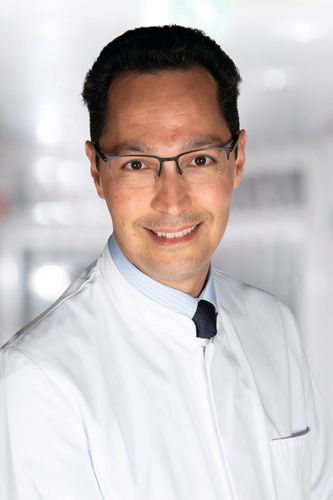
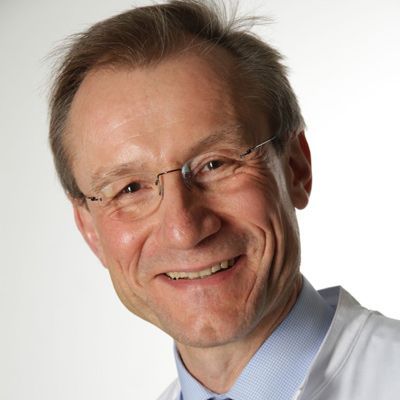
University Professor Dr. med. Michael Thomas is a leading figure in the field of thoracic oncology and enjoys an excellent reputation both nationally and internationally. As Chief of Medical Oncology for Thoracic Tumors at the renowned Heidelberg Thorax Clinic, he leads one of Europe’s leading institutions for the treatment of lung and breast cancer with great expertise. The Thoraxklinik, part of Heidelberg University Hospital, combines a tradition spanning over a century with state-of-the-art medical research and care. Here, patients benefit from an interdisciplinary approach that combines cutting-edge medicine, innovative therapies, and patient-centered care.
Prof. Dr. Thomas has been Chief Physician at the Thoraxklinik since 2005 and has held the Chair of Medical Oncology for Thoracic Tumors at Heidelberg University since 2006. In addition, he holds a specialty certification in palliative medicine, which underscores his expertise in the holistic care of patients. Since 2015, he has been a member of the Executive Board of the National Center for Tumor Diseases (NCT) in Heidelberg, where he plays a key role in shaping the interface between scientific research and clinical application. Under his leadership, state-of-the-art diagnostic procedures and therapeutic concepts are developed and implemented, drawing on both molecular biological findings and innovative approaches such as immunotherapies and multimodal treatment strategies.
The range of diseases treated by Prof. Dr. Thomas encompasses all tumors of the thoracic cavity, including non-small-cell and small-cell lung carcinomas, Pancoast tumors, thymic tumors, pleural mesotheliomas, and pulmonary sarcomas. His expertise ranges from traditional chemotherapy to state-of-the-art immunological and molecularly stratified systemic therapies, always supported by closely coordinated interdisciplinary case conferences. Patients benefit from personalized treatment plans that incorporate innovative procedures such as stereotactic radiotherapy or intensity-modulated radiation therapy (IMRT) and are designed to achieve the best possible outcomes.
Prof. Dr. Michael Thomas combines medical excellence with a special focus on the individual needs of his patients. Under his leadership, the Thoraxklinik Heidelberg is not only a center of cutting-edge medicine but also a model for patient-centered and research-driven care. In an interview with Prof. Dr. Michael Thomas, the editorial team of the Leading Medicine Guide learned more about modern treatments for lung cancer and the range of options specifically offered by the Thoraxklinik in Heidelberg.
Lung cancer is one of the most common and aggressive forms of cancer worldwide and poses major challenges for both patients and the medical community. Because its symptoms often appear late, lung cancer is frequently diagnosed only in advanced stages, which complicates treatment and worsens the prognosis. In recent years, however, significant advances in diagnosis and treatment have opened up new possibilities. In particular, personalized approaches—such as molecular therapy and immunotherapy—as well as modern imaging techniques and multimodal treatment strategies are increasingly enabling more precise and effective treatment. Understanding the biological mechanisms of this disease and developing innovative therapies are the focus of current research, with the goal of improving survival rates and enhancing the quality of life for those affected.
Significant progress has been made in recent years in the early diagnosis of lung cancer, which has the potential to significantly improve patients’ prognosis and survival rates.
Lung cancer is often not diagnosed until it has reached an advanced stage, when the chances of a cure are already severely limited. Modern technologies and optimized screening programs aim to detect tumors early, before they cause symptoms or metastasize. “Generally speaking, people go to the doctor when they notice a change in how they feel. In the case of lung cancer, the primary tumor may or may not cause symptoms. One possible symptom is a persistent cough that lasts longer than four weeks and does not change. However, smokers often have chronic bronchitis, which causes recurring coughing—a chronic inflammatory reaction in the bronchi that also leads to increased mucus production. In smokers, a change in the nature of the cough may be observed, for example, if the cough suddenly becomes persistent and does not go away, or even becomes bloody. It is also possible that the disease has already metastasized, as lung cancer develops over a period of time. During this time, the tumor has the opportunity to mutate in such a way that it possesses a high potential for metastasis. Metastases can then form, for example, in the bones, liver, brain, or adrenal glands. Symptoms here may include bone or back pain, as well as fatigue, reduced stamina, difficulty concentrating, or headaches,” explains Prof. Dr. Thomas, elaborating on early diagnosis:
“There is evidence that screening can offer benefits. In large studies conducted over extended periods, a high-risk group was screened annually using low-dose CT. One study involved 15,000 smokers, 50% of whom received the screening and the other 50% did not. Eligibility criteria included being between the ages of 70 and 75 and having smoked an average of one pack of cigarettes per day for 15 years. These 15 “pack-years” are also reached by smoking two packs a day for 7.5 years or half a pack a day for 30 years. The study found that mortality from lung cancer was lower in the screening group because tumors were detected earlier—and these were smaller tumors that could therefore be treated more effectively. A higher percentage of tumors were detected at an earlier stage, allowing for surgery and appropriate follow-up treatment. However, even small tumors may already have metastasized; in the early, operable stages of the disease, metastases are often detected within one to two years after tumor removal. That is why it is important to reduce the risk of metastasis even in the early stages through appropriate therapeutic approaches, and there are new developments in this area as well.”
A key development in the treatment of lung cancer is immunotherapy, which has been incorporated into treatment since 2015
“It is important to know that the immune system is regulated in a variety of ways. T lymphocytes, a subgroup of white blood cells, are specialized in recognizing and fighting pathogens, infected cells, and abnormal (e.g., cancerous) cells. They respond to specific signals, sometimes with heightened intensity. To prevent an excessive reaction, the body has a downregulation mechanism that returns the T cells to a resting state. However, the tumor can specifically exploit this mechanism by producing the PD-L1 protein on its surface. This inhibits the lymphocytes or even causes them to die. This is precisely where medical research came in: Scientists discovered that this mechanism can be blocked by antibodies that either act directly against the protein responsible for the feedback loop or bind to the PD-L1 protein on the tumor. The Nobel Prize in Medicine was awarded in 2018 for this groundbreaking discovery. “We refer to this method as immunotherapy,” explains Prof. Dr. Thomas, adding:
“When this form of immunotherapy is used, it has been shown that in the metastatic stage of cancer, about one-fifth of treated patients survive long-term—twice as many as with chemotherapy alone—an important advance that encourages us to further develop and improve this therapeutic approach. Immunotherapy is now also being used for locally advanced tumors. In these cases, treatment involves either surgery or modern, low-side-effect radiation therapy, usually combined with chemotherapy. If the tumor exhibits PD-L1 expression of at least 1%, the form of immunotherapy mentioned above is indicated and enables a significant increase in the 5-year survival rate in the range of 15%—and here, too, studies are ongoing to achieve further improvement. The greatest challenge lies in combating micrometastases. Until a few years ago, chemotherapy was the sole treatment administered after surgery for this reason. Today, a combination of immunotherapy and chemotherapy is used even before surgery. After surgery, a decision is made on a case-by-case basis as to which form of therapy is most appropriate—whether to continue immunotherapy or to pursue an alternative approach. This is currently being investigated and further optimized in numerous clinical trials. The goal is to specifically strengthen the immune system by using various antibodies or conjugated substances. Our clinic is deeply involved in this field, conducts its own studies, and works in our oncology research center to further develop and improve existing approaches.”
Genetic and molecular changes in tumor tissue have a significant influence on the choice of therapy for lung cancer. In recent years, research has gained deeper insights into the molecular structure of lung cancer, leading to the development of increasingly personalized treatment approaches that are specifically tailored to the unique characteristics of an individual patient’s tumor.
“It is important to obtain a sufficient amount of tumor tissue, for example through bronchoscopy. This is performed very safely and effectively at our center—we perform approximately 5,000 bronchoscopies and about 1,000 CT-guided biopsies annually. At the same time, we have highly specialized pathology and molecular pathology departments. Molecular pathology examines genetic and molecular changes in cells to specifically characterize and treat diseases such as cancer. Through DNA and RNA analyses, it enables personalized therapies and contributes to more precise medicine. This also includes the immunohistochemical detection of PD-L1. This is followed by molecular analysis, which uses complex procedures to examine genetic changes and provide information about specific mutations. Among the most common genetic alterations that occur in lung cancer are mutations in the epidermal growth factor receptor (EGFR) gene, the Kirsten Rat Sarcoma Virus (KRAS) gene, the BRAF gene, the anaplastic lymphoma kinase (ALK) gene, the RET and ROS1 genes, as well as other defined genetic alterations. These genetic alterations promote the uncontrolled growth of cancer cells and provide specific targets for targeted therapies, such as tyrosine kinase inhibitors in tablet form. These drugs inhibit the signaling pathways activated by the genetic alterations. “By precisely analyzing the molecular characteristics of a tumor, doctors can select more individualized and effective therapies that are specifically tailored to the particular mutation and the tumor’s behavior,” explains Prof. Dr. Thomas.
Personalized therapy for lung cancer is made possible by rapid advances in molecular diagnostics. Personalized medicine is based not only on the detection of tumor mutations but also on the tumor microenvironment, the patient’s immune status, and other factors that together enable a tailored therapy. A key advantage of personalized therapy is that it can help reduce side effects, as the treatment is specifically targeted at tumor cells while largely sparing healthy cells.
Modern forms of therapy have a significant impact on recurrence rates and survival prognosis in lung cancer, both in early and advanced stages. In particular, the introduction of immunotherapies, targeted therapies, and new chemotherapeutic approaches has revolutionized treatment options and led to significant progress in oncology.
“Drug therapy can, of course, have side effects. Patients may suffer from diarrhea, experience skin reactions, have muscle pain, or show elevated liver or pancreatic enzyme levels. In such cases, the dose of the medication must be adjusted or a break in treatment must be taken. Immunotherapy can also cause similar side effects and others that are the body’s reaction to interference with the immune system. Therefore, it is important that patients are well-informed about this and monitor themselves closely so that countermeasures can be taken in a timely manner in the event of side effects,” states Prof. Dr. Thomas.
Despite these advances, however, challenges remain, particularly with regard to the development of resistance. Many patients who initially respond to immunotherapies or targeted therapies develop therapeutic resistance after a certain period of time. This means that the tumor develops mechanisms to evade the therapy and continue to grow. In immunotherapy, a major cause of this resistance is a change in the tumor cells that allows them to evade detection by the immune system’s T cells. The tumor microenvironment can also change and impair the function of immune cells. In targeted therapies, a common problem is the emergence of secondary mutations in the target gene. The tumor tissue develops new genetic alterations that block the drugs’ effectiveness. To counteract this resistance, researchers are working on new combination therapies that target multiple mechanisms of action simultaneously, thereby reducing the risk of resistance developing.
“Ultimately, all these different new approaches are making therapy increasingly effective. Systemic therapy, in particular—in the form of immunotherapeutic approaches using specific antibody constructs, antibodies directly conjugated to chemotherapeutic agents, or new molecular developments to improve oral tablet therapy—is showing steady progress. In the locoregional, non-metastatic stages of the disease, the goal is to effectively combine modern concepts of radiation therapy and thoracic surgery with the best possible systemic therapy within a multimodal treatment approach. Here, it is important to have the best possible expertise in every specialty. Fortunately, as Germany’s largest lung cancer center, we in Heidelberg possess a very high level of expertise in all areas. “We see 1,000 new cases of lung cancer annually, develop multimodal treatment strategies, design studies even for marginalized patient groups, and are active as sought-after partners in the development of national and international guidelines as well as in the design of clinical trials,” Prof. Dr. Thomas emphasizes the high level of expertise concentrated at the Lung Cancer Center in Heidelberg.
A fundamental call for prevention and support from Heidelberg
“Please quit smoking if you smoke. It’s never too late! Your cancer risk decreases after about 12 to 15 years and reaches the level of a nonsmoker. You’ll quickly become fitter, have a lower risk of infection, halt the breakdown of lung tissue, and improve your circulatory system. Every smoker can easily find out how best to quit. We also offer a smoking cessation program here in Heidelberg. You can also consult your primary care physician, who can arrange a referral if necessary. It’s important to stay proactive! If your primary care physician detects signs of possible lung cancer, it’s crucial to be referred to a specialized center to benefit from the necessary expertise across various medical disciplines. When a diagnosis of lung cancer is on the table, you need a good strategy to cope with the resulting uncertainty and existential stress. “These issues can also be discussed with your primary care physician or the treating physician at the hospital,” urges Prof. Dr. Thomas, and at the conclusion of our conversation, he presents a concept developed by the Heidelberg Lung Cancer Center that supports patients throughout the course of their illness:
“We have developed the HeiMeKOM (Heidelberg Milestone Communication Concept) for this purpose. Under this concept, interprofessional teams—consisting of a physician and a nurse—conduct structured discussions with lung cancer patients and their family members at specific points in the course of the disease. The concept aims for preference-sensitive and proactive shared decision-making, as well as an improvement in patients’ quality of life. The goal in every case is to empower patients and their families so they can cope with the disease in their daily lives. We always keep our patients 100% in focus.”
Thank you very much, Prof. Dr. Thomas, for this important information, which gives us hope and courage!
Share this article
Expert Interviews
Read next
- Expert interview
Expert interview with Professor Dr Elmar Herbst, PhD
Oct 15, 2026
Patient-centred and personalised knee surgery
Read more - Expert interview
Cardiogeriatrics: Significance and benefits in the context of hospital reform
Sep 21, 2026
Cardiogeriatrics: Significance and benefits in the context of hospital reform
Read more - Expert interview
Expert Interview with Professor Dr. Amadeus Hornemann, MPH
Sep 18, 2026
Prof. Amadeus Hornemann on Precision Medicine in Gynecology: Modern Surgery, New Techniques, Better Quality of Life
Read more