Expert Interviews
PD Dr. med. Dr. h.c. Klaus Exner: Follow Your Nose—A Look at Plastic Surgery

Alexandra Pfitzmann ·
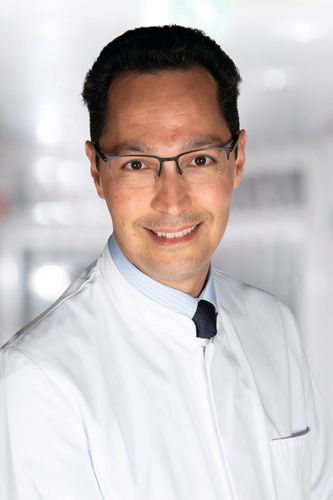
The editorial team of the Leading Medicine Guide spoke with PD Dr. med. Dr. h.c. Klaus Exner, a specialist in plastic and aesthetic surgery in Frankfurt am Main, to shed more light on the field of plastic surgery. With a full fifty years of professional experience and numerous awards, PD Dr. med. Dr. h.c. Klaus Exner is one of the most sought-after specialists in plastic and aesthetic surgery and also possesses a high level of expertise in hand surgery and microsurgery. For this recipient of the Federal Cross of Merit, humanitarian commitment is also a matter of course.

Anyone who believes that plastic surgery established itself primarily because of the desire of the “rich and beautiful” to look ever more perfect and to avoid aging at all costs is mistaken. Evidence of a large number of nose surgeries dates back as far as 400 B.C. These were primarily performed in pre-Christian India, where crimes were punished by cutting off the nose, as well as the ears and lips. Later in history, mutilation as a form of punishment also became common in the Roman and Byzantine Empires. In the 7th century A.D., for example, it was believed that only a physically intact man could become emperor. Therefore, to strip potential rivals or deposed emperors of their imperial dignity, cutting off the nose was an effective method… This is where the first surgical reconstructive procedures came into play.
“Thumbs up!”
Dr. Klaus Exner, MD, PhD, h.c., actually came to plastic surgery via hand surgery, as he had already been trained in hand surgery and microsurgery by Prof. Dieter Buck-Gramcko, MD, at the very beginning of his surgical residency out of personal interest. During this period, 1974–1975, microsurgery was beginning to develop, and a doctor from Australia demonstrated successful replantations of fingers and hands, to the amazement of all medical professionals. Shortly thereafter, on October 16, 1975, PD Dr. med. Dr. h.c. Klaus Exner successfully performed the first thumb replantation in Germany. After completing his residency in general surgery, he underwent further training in plastic and aesthetic surgery under Prof. Gottfried Lemperle in Frankfurt am Main.
Not Just for “the Rich and the Beautiful”
Many people associate plastic surgery with images of smooth, taut faces without expression lines, oversized breast augmentations, or even the removal of ribs to make the waist appear even narrower. Yet plastic surgery is a much broader field. “Personal conversations and encounters with patients quickly open up new perspectives and a different understanding of aesthetics in plastic surgery,” begins PD Dr. med. Dr. h.c. Klaus Exner in our conversation. “For example, when a woman undergoes breast reconstruction surgery after breast cancer treatment, and if we can understand and alleviate not only her physical suffering but also her psychological distress, then aesthetics takes on a whole new significance, as it can contribute to a full recovery. Another example involves many adolescent girls who suffer from so-called tubular breasts, also known as tube breasts or trunk-like breasts. In this condition, due to a congenital defect, the lower half of the breast develops only very slightly, which can lead to grotesque deformities of the gland. These girls suffer greatly, are subjected to teasing, and feel excluded and incomplete. “Why shouldn’t we help these girls through plastic surgery?” explains PD Dr. med. Dr. h.c. Klaus Exner, highlighting the importance of aesthetic surgery. In our society, it has long been considered perfectly normal for young children with severely protruding ears to undergo surgery before they even start school.
Until the early 1990s, all sorts of “charlatans”—as PD Dr. Exner calls them—“were at work in the Federal Republic of Germany, declaring themselves cosmetic surgeons without sufficient surgical knowledge,” until plastic surgery was finally—and very belatedly—recognized as a medical specialty. The residency program in plastic, reconstructive, and aesthetic surgery lasts six years.
The Pillars of Plastic Surgery
To better understand the specialty, people often use the model of a classical temple supported by four pillars:
Reconstructive Surgery
Deals with congenital malformations, the consequences of accidents, tumor-related conditions, and tissue destruction caused by inflammation or degenerative changes. It is also applied in many other surgical specialties, such as orthopedics, oral and maxillofacial surgery, gynecology, and vascular surgery. Interdisciplinary collaboration between plastic surgeons and other specialties has greatly enriched reconstructive surgery in recent decades.
Aesthetic Surgery
Is the key to the success of all surgeries that cause changes to the body’s surface. These include congenital malformations as well as the consequences of accidents, defects caused by inflammation, tumors, or degenerative changes. It is the crowning achievement of reconstructive surgery and an important measure of quality in plastic surgery. So-called “cosmetic surgery” refers to cosmetic procedures, where the indication is usually based solely on the patient’s desire. The terms “cosmetic surgery” or “beauty surgery” do not provide patients with the assurance that they will be treated by a properly trained and certified specialist.
Burn Surgery
Deals with the complex treatment of patients with severe burns. This includes the removal of burned skin and the coverage of tissue defects to save lives and prevent extensive scarring. It is performed in specialized centers at large hospitals. To earn the title of specialist, plastic surgeons must also demonstrate that they have completed advanced training in burn medicine.
Hand Surgery
This is an additional subspecialty that falls within both plastic surgery and orthopedics and traumatology. Hand surgery primarily focuses on the treatment of congenital malformations of the upper extremities, consequences of accidents, replantations, and inflammatory and degenerative diseases. Surgeries on nerves, muscles, and bones are frequently performed to restore mobility. This branch of plastic surgery is characterized by particularly gentle surgical techniques, such as microsurgery.
Improved Quality of Life
The possibilities offered by plastic surgery for congenital malformations provide many people with a unique opportunity to improve their quality of life, as many suffer from a different appearance or severe functional impairments that lead to social exclusion. Tumor surgery—that is, the surgical treatment of malignant tumors—has also made tremendous progress thanks to the possibilities offered by plastic surgery. Tumors can now be completely removed with the necessary safety margin, as new techniques allow large defects to be replaced using flap grafts. “This also makes it possible to surgically reconstruct damaged areas of muscle or bone. Microsurgery has brought enormous benefits in this area,” explains PD Dr. med. Dr. h.c. Klaus Exner.
Eyelid Lift, Facelift, Thread Lift, Hyaluronic Acid, and Botox
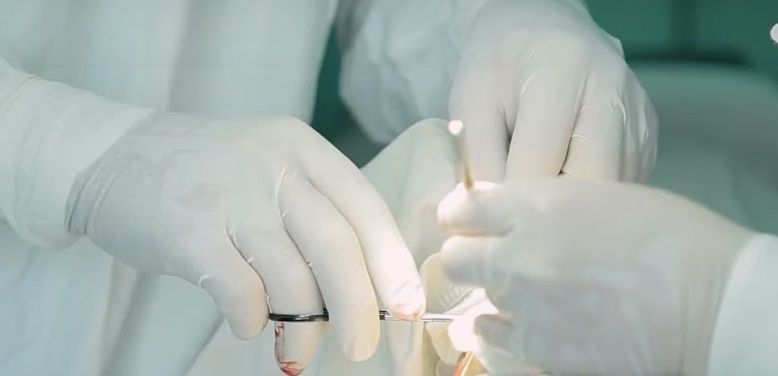
“Eyelid surgery is probably the most common procedure and is considered standard practice,” says Dr. Exner, emphasizing, “A facelift is a safe procedure when performed by an experienced surgeon. There are also no serious complications, such as facial nerves being damaged during the operation.” During a facelift, the facial skin and underlying tissue are tightened, resulting in increased tension. Skin and muscle structures are tightened using sutures and reattached to firm underlying structures. The procedure has become equally popular among both women and men. “General anesthesia should be avoided at all costs during a facelift, as blood pressure fluctuations are high during the procedure. The procedure should therefore be performed gently under local anesthesia while the patient is in a twilight state,” recommends PD Dr. med. Dr. h.c. Klaus Exner.
Another technique for facial tightening is the thread lift, which was originally developed in Korea in the field of acupuncture. In this procedure, so-called PDO threads (polydioxanone) are placed under the skin to correct sagging skin and wrinkles without incisions. The individual threads are inserted using micro-needles and dissolve completely in the body over time. The insertion of the threads stimulates the body’s own collagen production and promotes cell regeneration. However, after about 15 months, the effect wears off, and the skin becomes less firm again. “I don’t recommend a thread lift for very saggy skin,” explains Dr. Exner. “There’s a risk that the face will literally slide down,” he warns.
Many people who want to look younger have hyaluronic acid injected into prominent areas of the face, such as the mentolabial folds—the lines that run from the mouth down to the chin. “At first glance, hyaluronic acid injections sound harmless. But caution is needed here as well. Inflammation can certainly occur. Particularly dangerous are unscrupulous practices, for example in South America, where people are injected with a mixture of silicones and oils, which can result in terrible side effects and subsequent disfigurement,” warns Dr. Exner.
And what about Botox? “Botox has become an indispensable part of the beauty industry today. In fact, well-placed Botox injections can replace a forehead lift,” says PD Dr. med. Dr. h.c. Klaus Exner. Botox, a neurotoxin, is most commonly used in the upper third of the face up to the zygomatic arch and is particularly suitable for correcting the glabellar line (frown line), horizontal forehead wrinkles, and crow’s feet. The active ingredient blocks nerve signals to the muscles, thereby relaxing the muscles and skin, which results in a visible smoothing of the skin.
“Aesthetic principles are an essential component of plastic surgery. So-called ‘cosmetic surgery’ does not exist as a recognized specialty. When deciding on the right treatment method, you always need the full knowledge and experience of a specialist in plastic surgery. This is especially true for a facelift or breast surgery,” emphasizes PD Dr. med. Dr. h.c. Klaus Exner, who has been listed for many years in the FOCUS physician directories among the best plastic surgeons specializing in breast surgery, facelift, and blepharoplasty.
Aid for the Third World
In industrialized nations, there are many options for medical care, which is generally very good. Thanks to the insurance system, the social safety net makes surgeries possible, including those in the field of plastic surgery. For example, a patient in Germany who suffers from a drooping eyelid (ptosis) can, following an ophthalmological evaluation, receive the necessary surgery without having to pay any out-of-pocket costs. In many countries around the world, this is not possible. Poverty and a lack of social assistance prevent access to medical care, let alone plastic surgery to improve quality of life. Children are born with cleft lip and palate (formerly known as a “hare lip”), and they must cope with this for the rest of their lives because surgery is not available. People who have been in accidents also often remain disfigured for the rest of their lives.
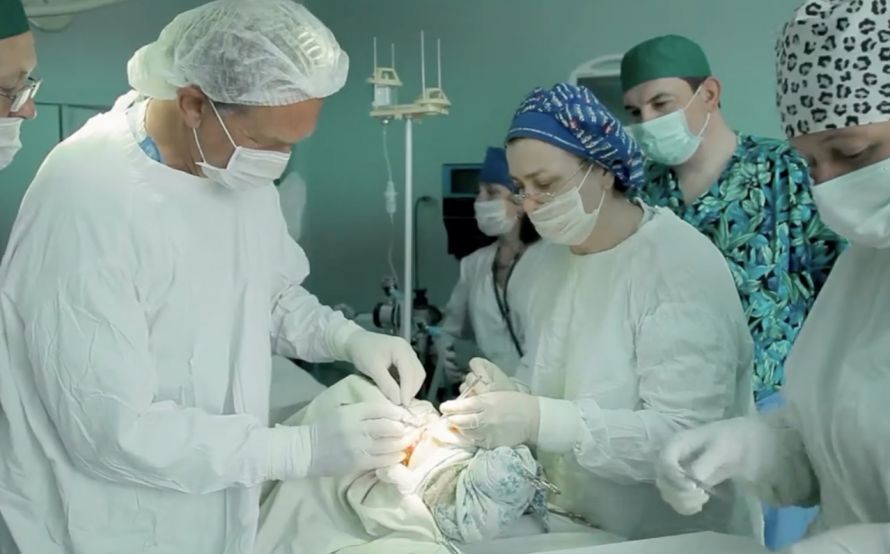
“For more than 30 years, I have been fully committed to performing surgeries on severely injured and ill people, especially children with congenital malformations in the Third World. This support is a labor of love to which I gladly devote my free time. It all began in 1972 when I heard about a scholarship to Third World countries and took notice,” recalls PD Dr. med. Dr. h.c. Klaus Exner. “I went to Bolivia for a year as a development aid worker and was involved with organizations such as ‘Terres des Hommes’ and ‘Misereor.’ After I moved to Markus Hospital in Frankfurt am Main in 1980, Prof. Dr. Gottfried Lemperle founded the organization ‘Interplast Germany,’ which provided volunteer medical aid abroad. To date, approximately 120,000 patients worldwide have undergone surgery. I myself have now participated in over 50 missions abroad and have learned that you have to organize things differently there—that is, it’s often a lack of infrastructure or poor equipment that determines life or death. It remains a profound experience for me, and on more than one occasion, it took a great deal of courage. Often, it’s less about medical problems and more about personal stories that deeply move you,” says PD Dr. med. Dr. h.c. Klaus Exner thoughtfully.
Beauty at Any Price?
Those who suffer from a perceived lack of beauty will have greater self-esteem and feel better after surgery. Of course, there are also people who have been completely transformed by numerous procedures—those who get so-called “rubber-boat lips” injected, who find themselves beautiful with enormous breasts, or who, after many procedures, have a mask-like face without a single wrinkle. “Nil nocere!” warns PD Dr. med. Dr. h.c. Exner—“do no harm”—when we ask whether there shouldn’t also be limits on the part of the surgeons.
There are rare cases of so-called dysmorphophobia—people who would ideally like to have their entire bodies reconstructed. Every doctor must be on high alert in such cases.
“A person’s individual wishes can often be understood through in-depth discussions. I recall a case in which a man requested ‘cup size B’ testicles as a custom implant, since he had often been teased as a child because of his smaller testicles and had developed deep-seated insecurities. After several discussions, I ultimately granted his wish, and—lo and behold—the man was happy and stayed in touch for a long time,” says PD Dr. med. Dr. h.c. Klaus Exner with great empathy. But he also warns: “Science comes before fashion trends! Exaggerated advertising campaigns for cosmetic procedures should be curtailed. I view providers who advertise surgeries on credit very critically. If the procedure doesn’t produce the desired result, financial stress is added to the psychological pressure,” concludes PD Dr. med. Dr. h.c. Klaus Exner as our conversation comes to a close.
Privatdozent Dr. med. Dr. h.c. Klaus Exner works in private practice as a plastic surgeon in Frankfurt and Oberursel and performs major surgeries at the hospitals of the Hochtaunus district in Bad Soden or at interdisciplinary tumor centers such as the Frankfurt/Höchst Hospital. Outpatient surgeries are performed at the Frankfurt Hochtaunus Center for Plastic Surgery in Oberursel.
For his international relief work with INTERPLAST-Germany, Prointerplast Seligenstadt, BigShoe, and MIT, he has received prestigious awards such as the Pitzer Prize and the Dieffenbach Medal from the DGPRÄC. In Ukraine, he was awarded the Order of St. Nicholas by the Metropolitan of the Orthodox Church in Kyiv. In November 2021, PD Dr. med. Dr. h.c. Klaus Exner was awarded an honorary doctorate by the Danylo Halyzkyi National Medical University of Lviv! He was honored for his 15 humanitarian missions up to 2021 and his scientific collaboration in the field of plastic surgery in Ukraine. And when Russia’s war of aggression began, he immediately organized aid shipments to Lviv.

Dr. Exner—thank you very much for such an open and very personal conversation!
Anyone wishing to contact the specialist directly can do so via his profile page on the Leading Medicine Guide.
Share this article
About the medical author
Alexandra Pfitzmann
Editor
Alexandra Pfitzmann – medical author: expert knowledge, professional articles and medical insights in the Leading Medicine Guide.
More about the medical author →Frankfurt / Hochtaunus Plastic Surgery Clinic
ProfileExpert Interviews
Read next
- Expert interview
Cardiogeriatrics: Significance and benefits in the context of hospital reform
Sep 21, 2026
Cardiogeriatrics: Significance and benefits in the context of hospital reform
Read more - Expert interview
Expert Interview with Professor Dr. Amadeus Hornemann, MPH
Sep 18, 2026
Prof. Amadeus Hornemann on Precision Medicine in Gynecology: Modern Surgery, New Techniques, Better Quality of Life
Read more - Expert interview
Expert Interview with Professor Dr. Konstantinos Anagnostakos
Sep 15, 2026
Prof. Anagnostakos on Painful Knee Replacements
Read more