Expert Interviews
What Patients Really Expect—and What Ultimately Makes Them Satisfied

Alexandra Pfitzmann ·
Professor Dr. Alexander Albert is one of Germany’s most experienced heart specialists—a surgeon who combines the highest level of professional expertise with a distinctly patient-centered approach. For him, treatment is only successful if it is gentle, personalized, and easy to understand.
Thanks to his many years of experience at universities and renowned hospitals, he is able to explain even complex procedures in a way that ensures patients always know what is happening to them. Continuous follow-up care is particularly close to his heart: Every patient is seen again in person by the surgeon approximately two months after surgery to answer questions and discuss the healing process. This approach demonstrates how seriously Prof. Dr. Albert takes the well-being of his patients—and why heart patients in the Ruhr region have an exceptional specialist with an impressive range of expertise right in their own community.
The editorial team of the Leading Medicine Guide was able to learn more about this in a personal interview with Professor Dr. Alexander Albert.
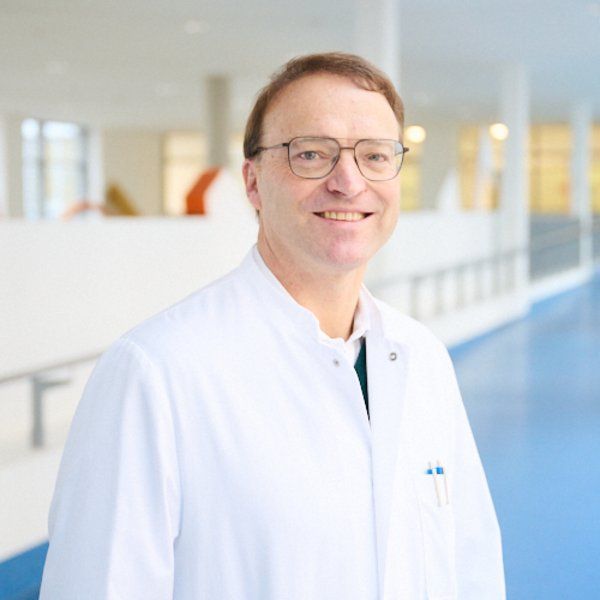
Especially with highly complex procedures, such as those Prof. Dr. Alexander Albert performs on a daily basis, the success of treatment depends not only on technical excellence but also on trust, transparency, and clear communication. Patients arrive with a wide range of expectations, hopes, and concerns—and how well a center addresses these has a lasting impact on their experience. Against this backdrop, questions regarding expectations and satisfaction take on special significance.
“Many patients come to cardiac surgery feeling very uncertain because heart problems are almost always associated with fear. Some—like a patient who is here right now and who traveled all the way from Trier—are terrified that their heart might suddenly stop. Although her test results were initially normal, her symptoms were so clear that they had to be taken seriously.
As soon as people start thinking about their hearts, they listen to their bodies, feel every beat, every pause—and what seems harmless to outsiders can appear threatening to those affected. From their perspective, everything feels different and often much more dangerous, especially when they don’t fully understand how the heart works.
These fears often intensify as soon as a diagnosis is on the table. A heart valve defect, for example, immediately sounds life-threatening to many, even though in most cases it does not cause the heart to suddenly stop. But if you can’t put the diagnosis into context, the idea that you could drop dead at any moment quickly takes hold.
The situation is different with severe narrowing of the coronary arteries, which can actually be a sign of an impending heart attack—and it is precisely these differences that must be explained so that patients can understand their situation. On top of that, emotions have a direct impact on the heart. Nervousness, anxiety, or stress cause it to beat faster, and anyone who is already worried about having a heart problem can easily get caught in a vicious cycle: anxiety intensifies the symptoms, and the symptoms intensify the anxiety.
In clinical practice, this is particularly evident in people without a clear diagnosis who become increasingly preoccupied with their symptoms. Patients who already have a serious heart condition and are facing surgery, on the other hand, are often less caught up in this cycle—they’ve already been through a lot and tend to be more focused on their treatment. To break this cycle, one thing is needed above all else: a conversation.
Some patients benefit from simple explanations, others from pictures or sketches. What matters most is that they feel understood and in good hands. Trust alleviates fear—often more than any medical statistic. That’s why many patients specifically seek out a particular doctor because they feel safe there, even if the journey is long.
“This human connection is a central part of treatment. And it’s a wonderful feeling when you notice that a patient becomes calmer after a conversation, gains confidence, and is able to let go of some of their fear,” explains Prof. Dr. Albert at the beginning of our conversation.
Many patients feel well cared for when they realize they’re being treated as human beings—and that’s exactly what’s reflected in the feedback the clinic receives.
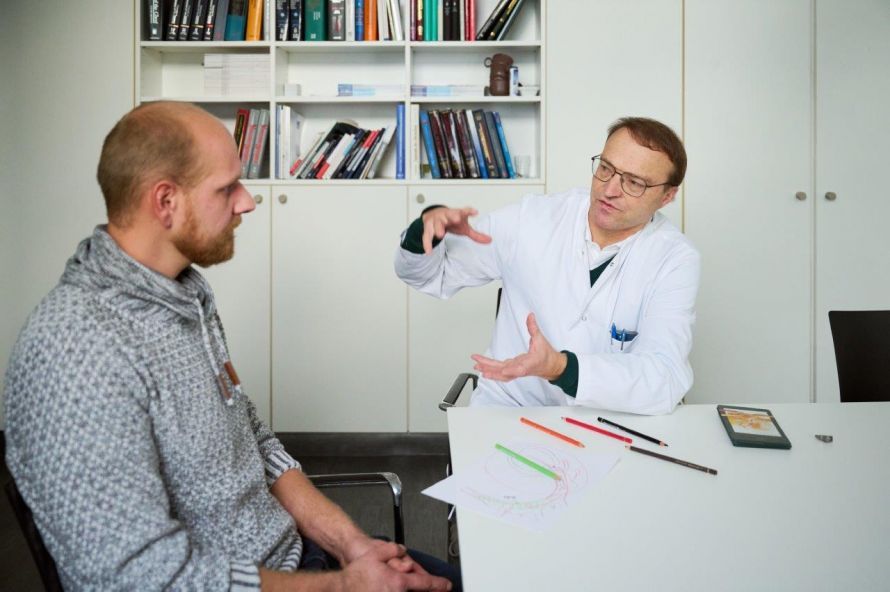
Prof. Dr. Albert explains: “The numerous positive reviews never focus on food or rooms, but almost always on the feeling of being heard: nursing staff who are attentive, respond with empathy, take both minor and major complaints seriously, and convey that the patient is the center of attention. This experience arises from a combination of attitude, team culture, and personal interaction.
Much of this starts with leadership: When the right approach to patients is modeled, it shapes the entire team. Employees who were initially rather brusque or distant adapt because they sense that appreciation and respectful communication are not only expected here but are actually practiced. At the same time, the team brings great diversity—culturally, linguistically, and in the way they interact with people.
Some have a warm, southern European temperament; others have a calm, experienced demeanor; still others strike just the right note with humor and regional slang, making patients feel understood. This mix fosters closeness and trust, especially in an environment where many people feel helpless. The way rounds are conducted also contributes to this: thoroughly, with a focus on the whole person, not just the medical facts.
Some may find this time-consuming, but for patients, it creates a comprehensive picture that gives them a sense of security. Ultimately, it is precisely this interplay of empathy, time, genuine care, and a team culture that consciously fosters humanity that ensures patients feel well supported—even in situations that cause them great anxiety.”
Many patients today come to cardiac surgery with very clear expectations—and at the same time with a range of concerns that must be taken seriously. Modern cardiac medicine is increasingly associated with terms such as “minimally invasive,” “gentle,” and “rapid recovery.”
People want procedures that improve their quality of life without disrupting their daily routines for long. They expect transparency, clear explanations of complex decisions, and the feeling of being actively involved in the treatment process. At the same time, they hope for the highest level of technical expertise and a team that remains composed even in difficult situations.
This is countered by deeply rooted fears: the fear of pain, of complications, of losing control during surgery—and, not least, the worry of no longer being “the same person” after the procedure. Many people also fear the uncertainty: What exactly will happen? How long will recovery take? What will the procedure mean for my future life?
These expectations and fears can be effectively reconciled when medical care is not only technically excellent but also communicatively strong.
“Openness and honesty play a major role in cardiac surgery, but most patients don’t want an unflinching level of detail; rather, they want clear, reassuring guidance. Many arrive feeling very anxious, yet compared to oncological diseases, this field often offers cause for optimism: In the vast majority of cases, people recover well after treatment and go on to have a normal life expectancy.
That’s why it’s less about laying out every risk in percentages and more about explaining in an understandable way what needs to be done—without overwhelming patients with statistical worst-case scenarios. Someone about to undergo surgery doesn’t want to hear how high the stroke or mortality rate is in theory, but rather that the procedure is generally safe and that there is someone there who takes responsibility. At the same time, honesty is essential when it comes to assessing the situation.
Many people come in feeling that “everything is ruined” or that they no longer have a chance, and then discover that there are often several options—sometimes minimally invasive, sometimes in stages, sometimes using new methods that involve less risk. It is precisely these tailored solutions that alleviate fear, because they show that patients aren’t forced into a rigid mold, but rather that a personalized assessment is made to determine what is truly necessary.
Time and again, there are cases in which patients arrive with seemingly hopeless findings and, in the end, are stable and symptom-free again thanks to a tailored strategy. Whether it’s an elderly woman who, instead of major surgery, first undergoes a minimally invasive procedure to place three bypasses and later receives a TAVI, or a patient with a lifelong tendency to bleed for whom a completely different, gentle method is chosen—what matters is finding solutions that are right for the individual.
That is exactly what makes cardiac surgery so special today: there is a wide range of options, and for almost everyone, a safe path that offers hope can be found,” emphasizes cardiac specialist Prof. Dr. Albert.
In cardiac surgery, the personal relationship between surgeon and patient is far more than just a human bonus—it is a crucial component of long-term treatment success. Heart surgery is among the most emotionally and physically taxing procedures there are.
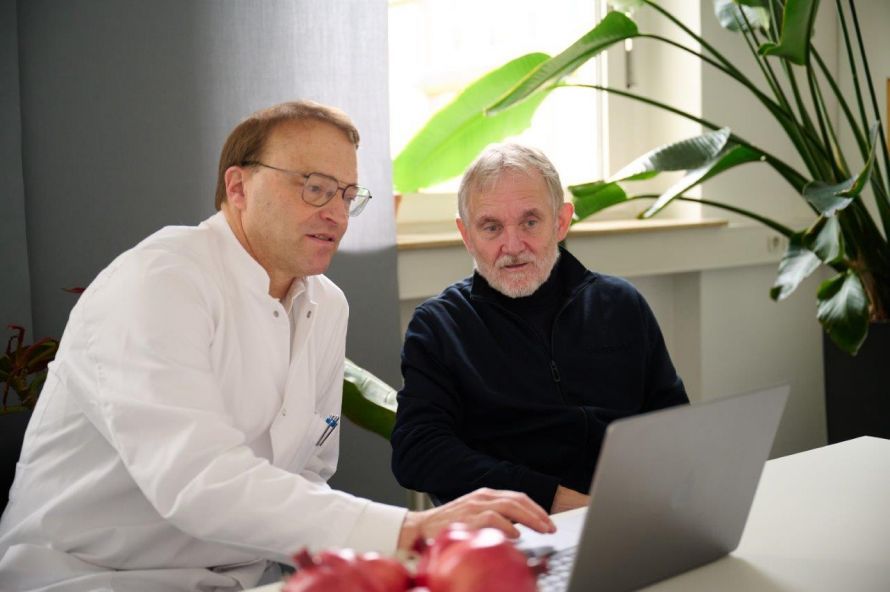
“Many people seek a second opinion because they didn’t feel seen as a whole person at their first treatment center. They often report that their fears, questions, or uncertainties were largely ignored and that the treatment seemed very technical. Instead of addressing their individual concerns, test results were presented matter-of-factly—along the lines of, ‘The value is normal; you can go home,’ or ‘The valve is leaking; you need surgery.’
For those affected, it often remains unclear whether all possibilities were truly explored, whether there are alternatives, or whether major surgery is actually necessary. Many feel left alone with their questions, especially when they read online about minimally invasive procedures that no one has told them about. This combination of poor communication, a lack of context, and the feeling of not being taken seriously leads patients to seek out someone who will listen to them and truly understand their situation.
When they then experience in a conversation that their fears are taken seriously, that options are weighed together, and that individual wishes are also taken into account, trust is built. Some are determined to undergo minimally invasive surgery, while others categorically reject certain procedures—and it is precisely these personal preferences that must be accommodated. However, there are also cases in which patients insist on their decision despite all recommendations, even if it seems medically unusual.
Like the 84-year-old woman who absolutely refused to undergo surgery “from the front” and preferred to accept the risk that something might go wrong. Situations like these are also part of the process: respecting the patient’s wishes without leaving them to fend for themselves. And sometimes it turns out that even risky approaches can have a positive outcome,” notes Prof. Dr. Albert.
The personal relationship builds trust, and structured follow-up care gives that trust a concrete form. Together, they form a foundation that extends far beyond the operating room—and that significantly shapes the long-term success of cardiac surgery.
Several factors determine whether a patient truly feels supported, taken seriously, and safe after surgery—and these factors carry particular weight in cardiac surgery.
“After heart surgery, follow-up care plays a central role because the procedure is a profound experience for many patients—not only physically but also emotionally. To prevent uncertainties, conflicting advice, or well-meaning warnings from those around them from leading to lasting fears, all patients who have undergone surgery are scheduled for a follow-up appointment after two to three months.
During this phase, we can assess how they are truly doing, determine which symptoms are normal, and explain in detail the effects of the surgery. The individual steps are explained once again—and often illustrated—and patients are reassured that most people regain their full physical capacity and can resume their daily routines, including exercise, just as before.
These consultations conclude the entire treatment process: from the initial contact through the procedure to the return to a normal life. They provide an opportunity to celebrate successes, but also to address cases where symptoms persist or doubts arise. In such cases, the focus is on putting things into perspective, reassuring the patient, and working together to clarify what outcomes are realistic. This creates a smooth transition from medical care back to everyday life,” says Prof. Dr. Albert, describing the post-operative period.
In a highly specialized, technically demanding field such as cardiac surgery, there is always a risk that the human side of care will take a back seat to complex workflows and precise procedures. To ensure that this does not happen, we need structures and approaches that consistently put the patient at the center.
Patients need to feel they have a designated point of contact who knows their history and guides them through the entire process. This prevents them from getting lost in the complexity of a large medical center. Structural elements such as regular follow-up appointments, defined channels of communication, and transparent processes also ensure that no one “falls through the cracks” and that uncertainties are addressed early on.
“The relationship between patients and the hospital is caught in the crossfire of current reforms, but how this relationship develops depends heavily on the specific medical specialty and the hospital’s structure. In fields with few but very time-intensive procedures—such as cardiac surgery—personal contact is often maintained because each surgeon typically performs only one or two major heart surgeries, which automatically results in more individualized care.
At the same time, patients’ psychological expectations here differ from those in specialties with many minor procedures, which further facilitates communication. The system in which a hospital is embedded is also a key factor. In municipal hospitals, economic pressure is often lower than in private hospitals, which are more focused on efficiency and case volumes.
Where there is no daily financial oversight asking why fewer surgeries were performed on a given day, there is more room for conversation, rapport, and individualized care. The downside may be that fewer financial resources flow into certain departments—but the upside is an atmosphere in which time is not viewed exclusively as a cost factor. It is therefore impossible to make a blanket statement about whether the reform will worsen the doctor-patient relationship.
Much depends on the extent to which economic constraints interfere with daily practice and how much freedom teams retain to practice patient-centered medicine. “In areas where case numbers are low and procedures are complex, this relationship often remains more stable than in high-volume specialties,” emphasizes Prof. Dr. Albert, and with that, we conclude our conversation.
Thank you very much, Professor Dr. Albert, for this insightful perspective on the importance of patient satisfaction and what can be done to achieve it.
- Internationally renowned cardiac surgeon with over 20 years of leadership experience in major cardiac and transplant centers.
- Director of Cardiac Surgery at Klinikum Dortmund since 2019; has established a center of supraregional significance.
- Specialist in minimally invasive and off-pump bypass surgery; one of the few surgeons worldwide to perform multiple bypasses using minimally invasive techniques without sternotomy.
- Director of the European Training Center for Minimally Invasive Bypass Surgery (Medtronic).
- Wide range of complex procedures: valve reconstructions, aortic surgery, endocarditis surgeries, Ross procedures, artificial heart implantations, and pacemaker lead removals.
- Clear philosophy: preference for biological, reconstructive solutions; heart valves are repaired rather than replaced whenever possible.
- Personalized treatment decisions made within an interdisciplinary heart team, always involving the patient.
- Pioneer of minimally invasive techniques and emergency care (founder of the “Mobile ECMO Team Dortmund”).
- Strong focus on patient-centered care: clear explanations, scheduled follow-up appointments with the surgeon, and high continuity of care.
Share this article
Expert Interviews
Read next
- Expert interview
Expert interview with Professor Dr Elmar Herbst, PhD
Oct 15, 2026
Patient-centred and personalised knee surgery
Read more - Expert interview
Cardiogeriatrics: Significance and benefits in the context of hospital reform
Sep 21, 2026
Cardiogeriatrics: Significance and benefits in the context of hospital reform
Read more - Expert interview
Expert Interview with Professor Dr. Amadeus Hornemann, MPH
Sep 18, 2026
Prof. Amadeus Hornemann on Precision Medicine in Gynecology: Modern Surgery, New Techniques, Better Quality of Life
Read more