Expert Interviews
Sleep-Related Breathing Disorders: Diagnosis and Treatment of Obstructive Sleep Apnea Syndrome (OSAS)

Alexandra Pfitzmann ·
Sleep-related breathing disorders, particularly obstructive sleep apnea syndrome (OSAS), interfere with nighttime breathing and can significantly reduce quality of life. Typical symptoms such as loud snoring, daytime sleepiness, and difficulty concentrating should be taken seriously. Targeted diagnostics make it possible to determine the severity of the disorder, and personalized treatments help stabilize nighttime breathing and reduce long-term health risks. To learn more, the editorial team at Leading Medicine Guide spoke with Prof. Dr. Bergmann and discovered some surprising facts.
Obstructive sleep apnea syndrome, or OSAS for short, goes beyond normal snoring and is characterized by repeated pauses in breathing during sleep.
Although those affected often snore very loudly, unlike simple snoring, it is accompanied by intermittent pauses in breathing, sometimes accompanied by loud awakening reactions, known as arousals. These interruptions lead to a reduced oxygen supply to the body and disrupt the sleep cycle, so that those affected often feel exhausted and tired during the day despite getting enough sleep. Typical accompanying symptoms include morning headaches, difficulty concentrating, mood swings, and irritability.
“Obstructive sleep apnea is a serious sleep disorder that, unlike harmless snoring, often goes unnoticed by the person affected. While snoring is usually only a nuisance to the bed partner, sleep apnea can have significant health consequences over the course of years. Typical symptoms that the patient notices include pronounced daytime sleepiness, waking up feeling unrested, and increasing fatigue in daily life.
In the background, complications in the cardiovascular system can also develop—such as high blood pressure or heart rhythm disorders, which often go unnoticed until much later. In many cases, it is the bed partner who first notices the conspicuous snoring or pauses in breathing, thereby prompting a medical evaluation. For the doctor, this is an important clue for distinguishing between harmless snoring and the dangerous form of sleep apnea. For people who live alone, however, the condition often goes undetected for many years, since no one observes the nighttime breathing pauses.
In such cases, increased daytime sleepiness, difficulty concentrating, or a general feeling of exhaustion may be the first signs. At the same time, it’s important to keep in mind that such symptoms can also have other causes—such as hormonal changes, which are common in women going through menopause, or metabolic disorders. “Therefore, if sleep problems are suspected, a comprehensive medical evaluation is always important to identify the actual cause and provide targeted treatment,” explains Prof. Dr. Bergmann at the beginning of our conversation, adding important information about the specific anatomical factors:
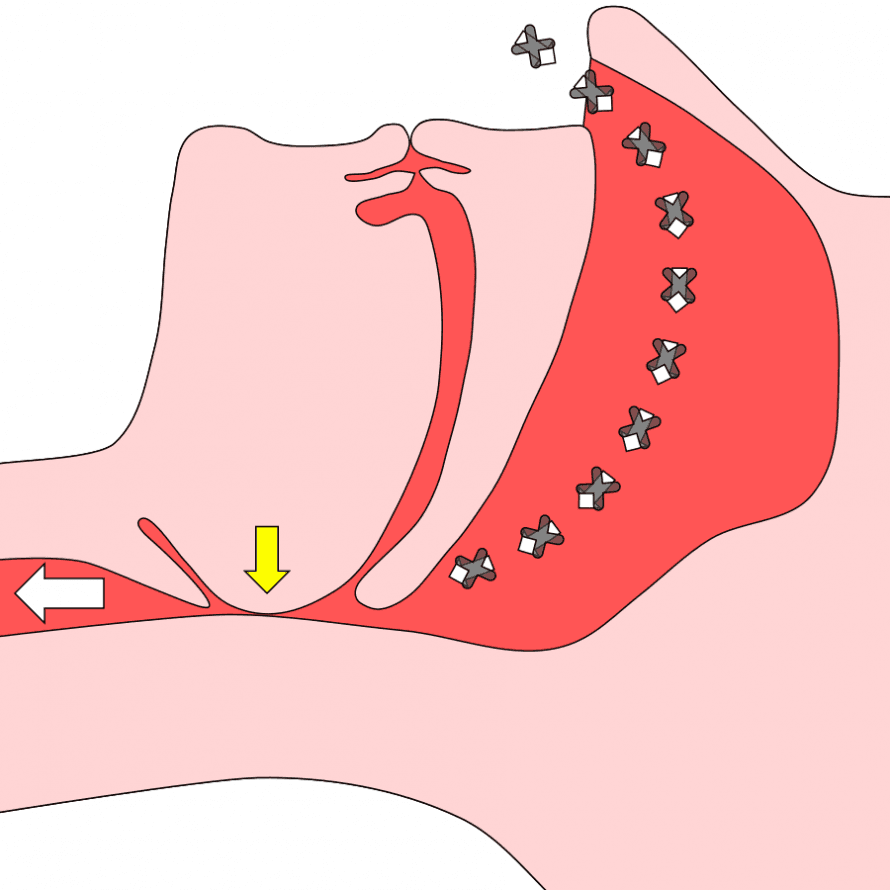
“One of the most significant contributing factors is being overweight, as it leads to an increase in fatty tissue in the neck area. This fat exerts external pressure on the pharynx, which narrows during sleep anyway due to natural muscle relaxation. As a result, air can no longer pass freely—leading to snoring and, in more severe cases, breathing pauses. To understand how these narrowings occur, it helps to look at the anatomy: The pharynx extends from the nasal cavity to the larynx and consists of several levels—the soft palate with the uvula, the palatine tonsils, the base of the tongue, and the epiglottis. During deep sleep or REM sleep, when muscle tone is particularly low, these structures can narrow and collapse, obstructing the airflow. The risk is especially high in people who are overweight, as fat cells in the neck area enlarge and further narrow the throat. This also explains why many people with the condition have a larger neck circumference. Nevertheless, the syndrome can also occur in people of normal weight, for example due to anatomical peculiarities, enlarged tonsils, or an unfavorable position of the jaw and tongue. Therefore, body weight is a significant risk factor, but not the sole cause. It plays an important role in both the development and treatment of sleep apnea—weight loss can significantly alleviate symptoms, but it does not replace medical evaluation and treatment.”
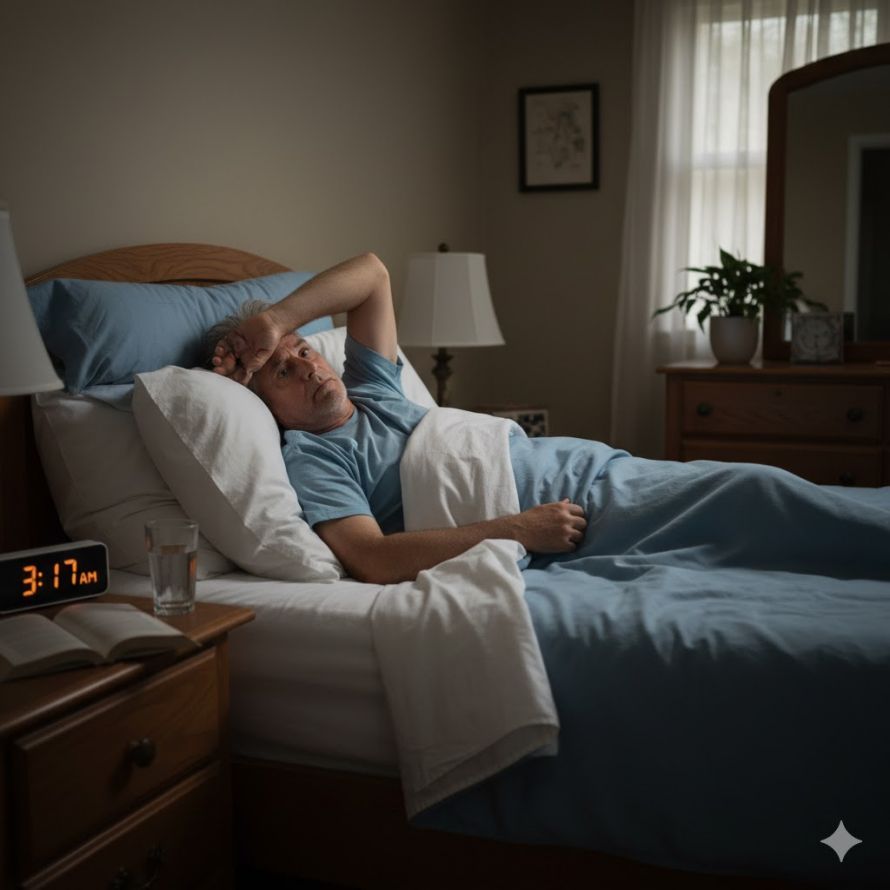
Many couples sleep separately because snoring or nighttime breathing pauses are disruptive. Often, only the snoring problem is noticed at first, but obstructive sleep apnea may be the underlying cause. It carries health risks such as high blood pressure or cardiovascular disease, which necessitate early diagnosis and treatment. While normal snoring is usually caused solely by vibrations of the soft tissues in the throat, OSAS is significantly more serious due to these repeated breathing pauses and the associated oxygen deprivation.
The diagnosis of obstructive sleep apnea syndrome (OSAS) involves several steps to reliably identify the condition and precisely determine its severity.
“If a patient has been suffering from fatigue, exhaustion, or concentration problems for an extended period and suspects that this might be related to their sleep, the evaluation begins with a detailed medical consultation. This forms the basis for any further diagnostic tests to properly classify the symptoms.
The physician—usually an ENT specialist, internist, pulmonologist, or cardiologist with additional training in sleep medicine—first determines whether the condition is an organic sleep-related breathing disorder, that is, obstructive sleep apnea, or a non-organic sleep disorder such as insomnia, which is characterized by difficulty falling asleep or staying asleep. Often, both forms occur together, which is of great importance for treatment planning.
During the consultation, the patient’s sleep patterns and lifestyle are examined in detail: difficulty falling asleep and staying asleep, nighttime awakenings, sleep patterns, potential shift work, the urge to urinate at night, or alcohol consumption, which can exacerbate snoring by causing muscle relaxation in the throat,” says Prof. Dr. Bergmann, adding:
“Standardized, scientifically validated questionnaires are used for objective assessment—such as the Epworth Sleepiness Scale, which measures the tendency to fall asleep during daily activities, or the STOP-BANG test, which evaluates various risk factors such as snoring, fatigue, blood pressure, and body measurements. If the patient exceeds certain thresholds, the suspicion of sleep apnea is confirmed. If insomnia is suspected, specific assessment tools are also used to determine the severity of the insomnia.
This is followed by a physical examination, particularly by an ear, nose, and throat (ENT) specialist, who assesses the anatomical structures relevant to sleep-related breathing disorders—such as the soft palate, tonsils, base of the tongue, larynx, and nasal breathing. Impaired nasal breathing can exacerbate snoring and breathing pauses, which is why it must always be evaluated as well. This is followed by diagnostic testing using specialized equipment: First, a polysomnography—often referred to as a “mini sleep lab”—is typically performed. This is an outpatient test conducted during sleep that records parameters such as snoring, body position, breathing pauses, oxygen saturation, and heart rate.
Modern devices can also determine sleep stages and the frequency of breathing pauses. If abnormalities are detected, a more comprehensive polysomnography is ordered—the so-called full sleep lab study. This test is conducted on an inpatient or outpatient basis and provides a comprehensive picture of respiratory behavior, cardiovascular activity, sleep architecture, and oxygen supply. Only on the basis of this data can a diagnosis of obstructive sleep apnea be confirmed and an individualized treatment plan developed.”
Diagnostics in the sleep lab typically take place over one night, during which all relevant bodily functions are recorded while the patient sleeps. Only in special cases—such as when neurological causes are suspected—can the examination be extended to several nights. This measurement serves not only to detect a sleep-related breathing disorder but also to determine its severity, which is crucial for subsequent treatment planning.
Prof. Dr. Bergmann explains: “The severity of sleep apnea is described using the so-called apnea-hypopnea index (AHI). This value indicates how many breathing pauses (apneas) or periods of shallow breathing (hypopneas) occur per hour. If the AHI is below 5 events per hour, the result is considered normal. Mild sleep apnea is defined as 5 to 15 events; 15 to 30 events indicate a moderate form; and more than 30 breathing pauses per hour are classified as severe sleep apnea.
In practice, even values exceeding 80 or 90 breathing pauses per hour are not uncommon. This classification is of great clinical significance because it is directly linked to the patient’s health risk. Starting with moderate sleep apnea, the risk of cardiovascular diseases such as high blood pressure, heart attack, or stroke increases significantly. Obstructive sleep apnea is one of the most common chronic conditions worldwide—estimates suggest that around 30% of the population is affected, though many are unaware of it. Given that cardiovascular diseases remain among the leading causes of death, the timely diagnosis and treatment of this sleep disorder are of crucial importance.”
Education is a crucial component of sleep apnea treatment. Many people with the condition are unaware that their symptoms may be caused by a sleep-related breathing disorder—and neither are many primary care physicians or specialists who do not regularly deal with sleep medicine.
“That is why sleep medicine professional associations are working intensively on patient information, care pathways, and continuing education to raise awareness of the issue. Particularly in patients with high blood pressure, sleep apnea should always be considered, and further sleep diagnostics should be initiated if necessary. The current state of care in Germany poses a major problem: There are too few certified sleep labs, and wait times in many places range from three to nine months.
This is due both to the high costs of setting up and operating a sleep lab and to the limited number of specialized physicians. Sleep medicine requires additional training for specialists in internal medicine, otolaryngology, or pulmonology. Physicians without this qualification can, after completing a special four-day course, at least perform an outpatient polysomnography to provide an initial assessment and determine whether a referral to a sleep laboratory is necessary.
As for the stay in the sleep lab, many patients initially find the unfamiliar environment and the attached monitoring devices unsettling. Studies show, however, that this has little impact on the quality of the diagnosis—even if sleep is slightly shorter or more restless, the recordings still provide reliable results. One advantage of alternative methods is ambulatory polysomnography, in which the examination takes place in the patient’s familiar sleeping environment—at home or even in a hotel bed.
This option is particularly recommended for patients without serious pre-existing conditions, while people with a history of heart attack, severe obesity, or complex cardiovascular or metabolic diseases should be admitted to an inpatient sleep laboratory. However, public health insurance plans generally cover inpatient examinations only if the medical criteria are met. “Outpatient polysomnography is often billed privately, but this makes it available to more patients who want a quick and straightforward diagnostic evaluation,” explains sleep medicine specialist Prof. Dr. Bergmann.
In obstructive sleep apnea syndrome (OSAS), several physiological mechanisms lead to repeated pauses in breathing during sleep. The primary cause is instability of the upper airways.
Treatment for obstructive sleep apnea includes both conservative and, in individual cases, surgical approaches. The gold standard is nocturnal positive airway pressure therapy, known as nPAP therapy (nocturnal positive airway pressure therapy).
Prof. Dr. Bergmann explains: “The patient wears a mask that covers either the nose or both the nose and mouth. The mask is connected via a tube to a small, quiet machine that continuously blows air into the patient’s airways. The increased air pressure keeps the airways open, effectively reducing breathing pauses and snoring.
This therapy is particularly important for patients with severe sleep apnea. In the past, CPAP therapy was the standard, in which the device sets a constant air pressure (C stands for “continuous”). Today, there is also A-PAP therapy, in which the device automatically detects how much pressure the patient needs to prevent breathing pauses. This increases patient acceptance and improves long-term adherence to therapy. Nevertheless, patients often find it uncomfortable to wear such a mask, and after three years, only about 50% of patients use the mask regularly.
Telemedicine solutions allow the therapy to be monitored and adjusted, which can increase adherence to up to 80%. Another important factor is body weight. If the body mass index is above the normal range, weight loss should be pursued. There is no official nutrition counseling available by prescription, but primary care physicians or internists can draw on their network of dietitians. Even without formal counseling, targeted weight management can be recommended, as this can significantly improve sleep apnea.”
For patients who cannot tolerate the mask or do not wish to use it, there is the mandibular advancement device (MAD), a dental splint that prevents the tongue from sliding backward at night and blocking the airways.
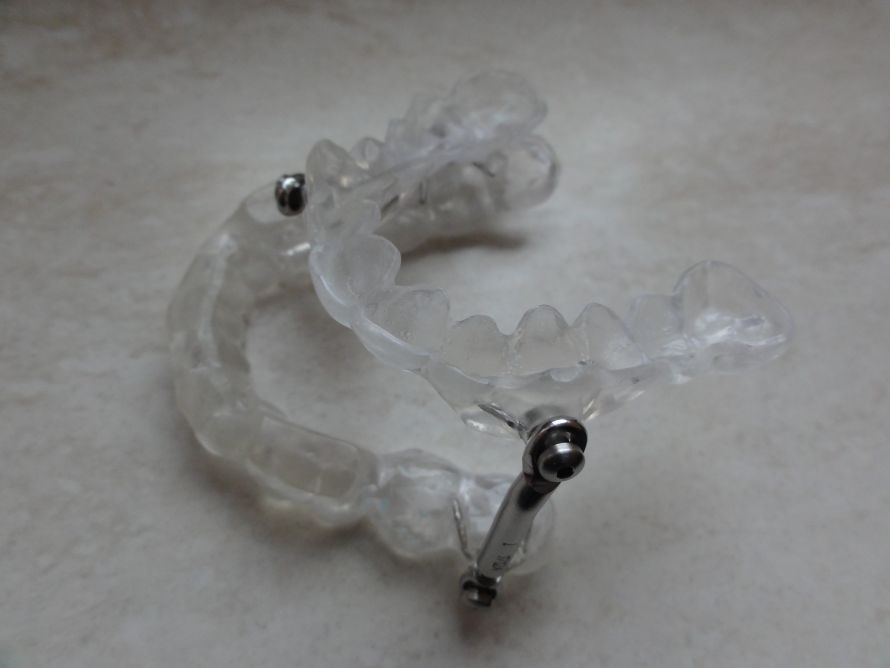
“This method is less effective than positive airway pressure therapy, but still significantly better than no treatment at all. For mild or moderate forms of sleep apnea, it can even be used as a primary therapy. However, for patients who are severely overweight and have moderate sleep apnea, positive airway pressure therapy is usually still recommended. Important to know: These therapies are aids, comparable to glasses or hearing aids—they do not correct the cause, but rather compensate for the problems. “In cases of anatomical causes such as obesity, improvement can be achieved through weight management, but this is only a long-term solution, so CPAP or oral appliance therapy remains necessary in the meantime,” emphasizes Prof. Dr. Bergmann.
Surgical interventions may be considered if the patient has mild or moderate sleep apnea, or severe sleep apnea that cannot be treated with a mask for specific reasons.
“In such cases, a sleep endoscopy can be performed first. During this procedure, the patient is put into a sleep-like state so that the doctor can assess the upper airways in a manner that closely resembles how they behave during sleep at home. This allows us to identify where in the throat collapse occurs and where breathing pauses arise. At the same time, we can determine whether the patient would benefit from a dental splint or whether there are narrowings in the soft palate, base of the tongue, or epiglottis that are better treated surgically.
For example, if the palatine tonsils are significantly enlarged, a tonsillectomy may be advisable. Surgical procedures on the soft palate are also possible. A newer, highly effective option—though not suitable for all patients—is the tongue pacemaker. In this procedure, an electrode is implanted into the tongue muscles, similar to a cardiac pacemaker, combined with a sensor under the skin that monitors the oxygen level in the blood.
If the oxygen level drops during a pause in breathing, the electrode emits a small, barely noticeable electrical impulse that moves the tongue in such a way that the airway is reopened. “This is an innovative surgical option that can lead to a significant improvement in sleep apnea, particularly for selected patients,” explains Prof. Dr. Bergmann, adding:
“Not every patient is a candidate for surgical intervention. Patients with a very high frequency of breathing pauses or who are severely overweight are generally not suitable, as the collapse of the throat from the side is too pronounced and even a tongue pacemaker is not sufficiently effective in these cases. However, suitability can be accurately assessed using the diagnostic methods described earlier—namely, sleep laboratory testing and sleep endoscopy.
The surgeries are then performed at specialized centers. For soft palate tightening, the success rate can be quantified: One should never assume a 100 percent success rate, but the recommended procedures generally lead to a significant reduction in symptoms. Surgical treatment of the soft palate, with or without simultaneous removal of the palatine tonsils, initially shows a success rate of just under 90%. Over the following years, this rate drops to about 60%, as the tissue involved is soft tissue that can change.
Many people who had their palatine tonsils removed during childhood have a lower risk of developing sleep apnea later in life. For these patients, however, soft palate treatment alone has a success rate of only about 30%. Therefore, the physician must decide on a case-by-case basis which therapy is optimal for the individual patient. Surgical interventions are also generally only suitable for patients with mild to moderate sleep apnea, since in cases involving a very high number of breathing pauses, even surgical procedures cannot resolve the symptoms as reliably as positive airway pressure therapy.”
Device-based therapies such as CPAP (Continuous Positive Airway Pressure) and BiPAP (Bilevel Positive Airway Pressure) devices are key treatment methods for obstructive sleep apnea syndrome (OSAS), particularly for moderate- to severe forms of the condition. Their mechanism of action is based on keeping the upper airways open during sleep to prevent repeated breathing pauses.
If you want to take preventive measures against a sleep-related breathing disorder, maintaining a healthy weight is the first priority. In addition, it is important to consult a doctor if there are signs of potential breathing problems.
“Many of the so-called sleep-improving products offered online—such as nasal strips, mouth guards, or special pillows—have generally not been scientifically evaluated, so their effectiveness has not been proven. Pragmatic measures can be helpful in individual cases: For example, if diagnostic tests show that snoring or breathing difficulties occur only when lying on one’s back, the patient can be advised not to sleep on their back.
There are now also digital aids available for this purpose, such as back-sleeping prevention devices or ergonomic side-sleeper pillows. Another important factor is nasal breathing. Allergies—such as those to dust mites—can cause nasal congestion at night, thereby contributing to snoring or breathing pauses. Here, too, those affected should seek medical advice rather than relying on unmonitored self-treatment.
Digital tools can also be helpful. Modern wearables such as the Apple Watch (9th generation and later), Garmin or Samsung watches, and special smart rings can provide indications of nighttime breathing pauses or abnormalities in blood pressure. “If deviations are detected over several nights, this is an indicator that the situation should be further evaluated by a doctor,” explains Prof. Dr. Bergmann, adding:
“In my practice, I offer a comprehensive range of treatments: from outpatient or inpatient sleep lab diagnostics to the adjustment of positive airway pressure therapy and even surgical procedures (with the exception of tongue pacemaker implantation, which is performed at specialized centers). Examination of the nose is also an important component, as unobstructed nasal breathing has a significant, albeit indirect, influence on sleep-related breathing disorders. This allows patients to be treated both preventively and specifically before serious consequences arise.”
- Board-Certified Specialist in Otolaryngology, Private ENT Practice & Head of the ENT Department at RKM740 Düsseldorf
- Areas of expertise: Nasal & sinus surgery, functional & aesthetic rhinoplasty, allergology, sleep medicine, ear ventilation disorders, silent reflux, pediatric ENT
- Combination of conservative and surgical therapies, state-of-the-art diagnostics such as digital volume tomography, innovative therapies such as longevity infusions
- Research in immunology at the University of Pittsburgh, international fellowships, over 72 publications
- Professor at the University of Duisburg-Essen; active in AeDA Düsseldorf, the EAACI Working Group, the Examination Board, and the Continuing Education Committee
- Recipient of the Anton von Tröltsch Prize and the Plester Prize
- Holistic, patient-centered care, combining precision, science, and quality of life
Share this article
Expert Interviews
Read next
- Expert interview
Expert interview with Professor Dr Elmar Herbst, PhD
Oct 15, 2026
Patient-centred and personalised knee surgery
Read more - Expert interview
Cardiogeriatrics: Significance and benefits in the context of hospital reform
Sep 21, 2026
Cardiogeriatrics: Significance and benefits in the context of hospital reform
Read more - Expert interview
Expert Interview with Professor Dr. Amadeus Hornemann, MPH
Sep 18, 2026
Prof. Amadeus Hornemann on Precision Medicine in Gynecology: Modern Surgery, New Techniques, Better Quality of Life
Read more