Expert Interviews
Chronic Inflammatory Bowel Diseases: Nutrition and Modern Care Approaches

Alexandra Pfitzmann ·
Chronic inflammatory bowel diseases pose significant challenges for both patients and healthcare providers—which makes modern, holistic approaches all the more important. In addition to effective medications and innovative diagnostic methods, diet, lifestyle, and structured care plans are also crucial for successful treatment.
Together, these elements enable a personalized treatment plan that alleviates symptoms and sustainably improves quality of life. The editorial team of the Leading Medicine Guide spoke with Professor Robert Ehehalt, M.D., to learn more.

Chronic inflammatory bowel diseases such as Crohn’s disease and ulcerative colitis arise from a complex interplay of genetic factors, a misdirected immune response, and environmental and lifestyle influences. People with a genetic predisposition react with an overactive immune response to components of the gut flora or to stimuli that are completely harmless to healthy individuals.
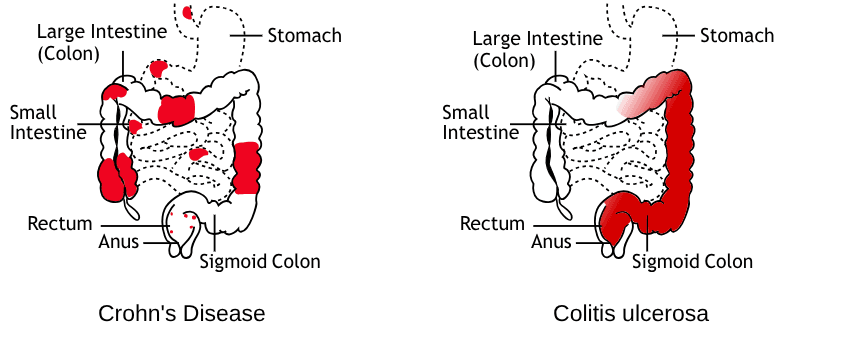
This excessive immune response leads to persistent inflammation of the intestinal mucosa, which spreads differently depending on the type of disease: Crohn’s disease can affect the entire digestive tract and inflame all layers of the intestinal wall, while ulcerative colitis is limited to the large intestine and primarily affects the superficial layers of the mucosa. The microbiome also plays a role, as changes in the composition of gut bacteria can further irritate the immune system and contribute to flare-ups.
“The causes of chronic inflammatory bowel diseases are still not fully understood. However, it is believed that a defect in the intestinal wall’s barrier function plays a central role. The intestinal wall is no longer as stable, allowing substances from food or the environment—as well as natural gut bacteria—to penetrate the intestinal wall more easily. This leads to an excessive inflammatory response.
Two factors appear to be responsible for this: First, genetic influences—over 300 so-called susceptibility genes are now known, which, in certain combinations, increase susceptibility. Second, an environmental trigger is needed to ultimately cause the disease to flare up. Such triggers can include changes in the microbiome, as well as lifestyle factors such as stress, lack of sleep, insufficient sunlight (and thus insufficient vitamin D), infections, or medications such as antibiotics. The disease can, in principle, first appear at any age, although there are typical age groups in which it is more common.
The most common age range for initial onset is between 18 and 35 years of age—that is, precisely during a phase of life when many people are starting families, pursuing higher education, beginning their careers, or building a home. This is why the disease particularly often affects an active, productive segment of the population. It can also occur in older people, but this is significantly less common,” explains Prof. Dr. Ehehalt, adding:
“Since it is a bowel disease, it primarily manifests as abdominal symptoms: pain, cramps, diarrhea, occasionally constipation, blood in the stool, bloating, or fever. The symptoms depend heavily on where the disease is localized. Ulcerative colitis affects only the large intestine and typically leads to diarrhea, abdominal cramps, and blood in the stool.
Crohn’s disease, on the other hand, can affect the entire gastrointestinal tract. If, for example, it is located in the middle section of the small intestine, abdominal pain and bloating tend to be the predominant symptoms, while blood in the stool is less common. It usually begins with recurring or persistent abdominal symptoms that do not go away—and eventually, this leads to medical evaluation and diagnosis.”
In Germany, approximately 0.5 to 0.9 percent of the population is currently affected by inflammatory bowel disease—and the trend is rising. By 2030, the figure is expected to reach about one percent, or roughly 800,000 people. Modern lifestyle habits likely play a role: highly processed foods and emulsifiers can trigger flare-ups. A fresh, varied, Mediterranean-style diet is recommended—“like at an Italian restaurant,” but freshly prepared rather than from the freezer.
An effective dietary therapy for chronic inflammatory bowel diseases thrives on the fact that it is not rigid but adapts flexibly to the condition of the gut. People with Crohn’s disease or ulcerative colitis have very different triggers, tolerances, and disease courses, which is why an individualized approach is crucial. Generally, dietary goals during flare-ups differ from those during remission, and these distinctions form the core of a personalized strategy.
During acute flare-ups, the focus is on relieving the gut. The inflamed gut is more sensitive to fiber, fat, large portions, or heavily spiced foods. Many patients benefit during this phase from easily digestible foods, smaller meals, and an overall reduction in irritants.
Depending on the severity, even temporary enteral nutrition may be advisable—that is, a form of nutrition that is gentle on the intestines while ensuring an adequate supply of nutrients. It is important that this phase not be misunderstood as a permanent dietary regimen, but rather as a therapeutic measure that gives the intestines time to calm down.
“Diet can help alleviate some symptoms of chronic inflammatory bowel diseases, especially during flare-ups. Crohn’s disease progresses in flare-ups, and during periods of severe inflammation, the body tolerates different foods than it does during quieter phases. In addition, people with Crohn’s disease have the same food intolerances as everyone else—such as lactose or fructose intolerance—which often makes the situation harder to assess and leads to significant individual variability.
From a medical perspective, diet can help prevent or reduce the severity of flare-ups to some extent. There are even specialized dietary therapies, such as modular diets like Modulin IBD (a fully balanced, specialized medical food; IBD = Inflammatory Bowel Disease), which are used primarily in children. This involves completely replacing the normal diet, which can actually help the inflammation subside. However, the problem remains: as soon as the patient returns to a normal diet, the inflammation usually returns. “That’s why long-term medication is necessary—it’s very rare for the disease to be controlled by diet alone,” Prof. Dr. Ehehalt explains.
Another key component of personalized care is the targeted provision of critical nutrients. Inflammation, diarrhea, or malabsorption can lead to deficiencies in iron, vitamin B12, vitamin D, zinc, or folic acid. These deficiencies cannot always be corrected through general dietary recommendations alone but require regular monitoring and supplementation tailored to the individual.
Nutritional therapy is only effective if it remains practical for everyday life. This means that personal preferences, cultural eating habits, work-related stress, and psychological factors must be taken into account. Stress, lack of sleep, and irregular meals can trigger flare-ups, which is why effective nutritional therapy always takes these aspects into account.
Modern therapies have fundamentally changed the treatment of chronic inflammatory bowel diseases in recent years. Instead of relying exclusively on broad-spectrum immunosuppressants, targeted medications are now available that block specific signaling pathways of the immune system and thereby control inflammation more precisely. Which therapy is appropriate depends heavily on the type of disease, the severity of the course, previous medication trials, and individual risk factors.
“Various pharmacological approaches are available for the treatment of chronic inflammatory bowel diseases. A basic distinction is made between conventional therapies and so-called advanced therapies. Conventional therapies include salicylates such as mesalazine—often referred to as ‘aspirin for the gut’—classic or topically applied corticosteroids, and immunosuppressants such as azathioprine, which have been used for decades and influence the immune system in a way that brings inflammation under control.
Advanced therapies include biologics—protein molecules that specifically target certain inflammatory mediators or target structures, such as anti-TNF antibodies or drugs that target interleukin-23. These are usually injected under the skin. Advanced therapies also include modern oral medications, such as JAK inhibitors or sphingosine-1-phosphate modulators, which reduce inflammatory activity in the immune system.
The Competence Network for Intestinal Diseases offers a clear overview of all available medications in an easy-to-understand format and provides regularly updated information. Upon initial diagnosis, treatment always begins with conventional medications, as biologics and modern small-molecule therapies are only approved if one (but not all) of these basic therapies proves ineffective. If these are not sufficiently effective, treatment can be switched to the more advanced medications.
Which medication is chosen in each individual case depends on many factors: pre-existing conditions such as cardiac arrhythmias or previous infections, an existing or planned pregnancy, as well as practical considerations such as whether someone prefers to take pills or would like to avoid injections. “Ultimately, the decision is always made together with the patient—medically justified, but individually tailored,” explains Prof. Dr. Ehehalt.
Biologics have revolutionized IBD therapy
TNF-α blockers (medications that specifically block the inflammatory mediator tumor necrosis factor-alpha (TNF-α)) are among the classic treatments and are used when conventional therapies such as corticosteroids or immunosuppressants are insufficient. They are effective for Crohn’s disease and ulcerative colitis and can significantly reduce flare-ups. Newer biologics target other inflammatory pathways, such as interleukin-12/23 or interleukin-23 (inflammatory mediators). They often enable stable remission even in cases with long-standing, difficult-to-control disease courses. Another important group is integrin inhibitors: They act specifically in the intestine by preventing certain immune cells from migrating into the mucosa—an option for people at increased risk of systemic side effects or with relevant comorbidities.
At the start of therapy, it is important to define clear time frames within which a medication should take effect. This is always discussed individually with the patient.
Prof. Dr. Ehehalt comments on this: “With cortisone, for example, a significant improvement is expected after one to two weeks. If this does not occur, it is unlikely that cortisone will reliably bring the inflammation under control. This raises the question of why the medication is not working, whether further diagnostic testing is necessary, or whether the treatment should be changed.
This principle applies to all medications: Some work faster, others slower, but there is always a defined period of time after which one assesses whether there has been a response. If no effect occurs, one moves on to the next medication. If there is a response, the current medication is continued for the time being. Cortisone is always tapered off gradually because, due to its many side effects, it is not intended for long-term use, whereas many other medications can be used over the long term.
However, since Crohn’s disease has a relapsing-remitting course, there are also phases in which the disease goes into remission and medications can be temporarily reduced or discontinued—so lifelong treatment is not always absolutely necessary.”
Structured care models, such as those found in specialized IBD centers or interdisciplinary networks, have become increasingly important in recent years because they achieve something that is often difficult to implement in conventional care: They pool expertise, coordinate complex treatment pathways, and provide long-term support to patients through a disease that can constantly change.

“Finding the right doctor isn’t easy when you have a chronic illness. First and foremost, the chemistry has to be right: You need someone with whom you can build a good doctor-patient relationship, because this care often continues for many years. At the same time, the doctor should be professionally competent and have experience with inflammatory bowel diseases. University outpatient clinics are very often specialized in this area.
In private practice, it’s worth specifically looking for practices that treat a lot of IBD and enjoy providing this complex care. The certificate for IBD practices issued by the Professional Association of Gastroenterologists in Private Practice (bng) offers a good guide. It lists practices that consider themselves IBD experts. Another option is specialized outpatient care (ASV) for IBD patients. Here, hospital and private-practice physicians collaborate in an interdisciplinary manner and have created a network that is essential for patient care—including rheumatologists, dermatologists, infusion centers, endoscopy, and ultrasound. Through the Association of Statutory Health Insurance Physicians, you can find out where such ASV locations are; patients are generally well cared for there.
As far as endoscopy is concerned, the overall quality in Germany is very high. More important than the question of “good or bad” is that the examination takes place where the patient is also being treated. A doctor who has seen the intestine firsthand can better interpret the findings and manage the treatment more effectively. Modern equipment is standard today, and much also depends on preparation—that is, how well the colon has been cleansed. For people with IBD, it makes sense to have an endoscopy performed by someone who regularly treats these conditions and is familiar with their specific characteristics.
Given that up to one percent of the population may suffer from inflammatory bowel disease in the future, many specialized gastroenterologists will be needed to provide these people with good care. “That’s why it’s worth actively seeking out these specialists—they are the key points of contact for stable, competent long-term care,” recommends Prof. Dr. Ehehalt.
Effective relapse prevention for inflammatory bowel disease is most successful when diet, lifestyle, and medication do not operate in isolation but rather support one another. IBD is a dynamic condition whose activity fluctuates significantly.
That is why a combination of stabilizing medication, a diet that does not place additional strain on the gut, and lifestyle habits that soothe rather than fuel inflammatory processes is needed. The microbiome serves as a kind of biological link between all these areas.
“The microbiome has become a veritable buzzword in recent years—not only because it’s scientifically fascinating, but also because it sparks a lot of discussion. If you look at the body’s total cell mass, you’ll find that only a small portion is actually human; the vast majority consists of bacteria.
These bacteria are metabolically active, and their metabolic byproducts have a measurable effect on our bodies. Studies show that some detectable metabolites in the blood are not of human origin but come from the environment—largely shaped by the microbiome. We therefore live in a symbiotic relationship: we influence our bacteria, and our bacteria influence us.
Accordingly, it stands to reason that the microbiome also plays a role in determining diseases—ranging from neurological disorders to intestinal diseases. The fact that this topic has gained so much significance over the past 10–15 years is primarily due to the fact that we are now much better able to measure what happens in the gut. In the past, we had to rely on cultured bacteria or protein analyses.
Today, “big data,” AI, and modern high-throughput methods enable a more precise quantification of the microbiome—and thus provide entirely new insights. So it’s no wonder that many are trying to influence their diseases through the microbiome,” explains Prof. Dr. Ehehalt, adding critically:
“Of course, marketing also plays a role. Terms like ‘microbiome’ sound healthy and modern, and the food industry is happy to capitalize on that. A broad, diverse microbiome is considered desirable, and diet has a significant influence on it. Studies show that the composition of the gut flora changes after just a few days when, for example, you switch from a Western, meat-rich diet to a vegetarian diet.
There are pathogenic bacteria, such as Salmonella, that we don’t want in our bodies. Alongside these, however, is the normal microbiome, in which some bacteria irritate the gut more than others—which can trigger symptoms in people with a compromised intestinal barrier, such as those with IBD. Metabolic byproducts of these bacteria can also affect the body, possibly even mood and emotions. The latter has not yet been conclusively proven, but is the subject of intense debate.”
Continuous care provided by specialized teams offers people with inflammatory bowel disease a tangible advantage, because it supports patients with a condition that rarely follows a stable course and continually presents new challenges.
In specialized IBD centers or closely networked teams, gastroenterology, surgery, radiology, nutritional therapy, nursing, and psychosocial support ideally work not alongside one another, but together. This close coordination ensures that changes in the course of the disease are detected early, treatment decisions are made more quickly, and complications are addressed before they become advanced.
“If a patient is well-managed with biologics or other modern medications, they can generally achieve a completely normal quality of life. Once the disease is under control, their daily life is no different from that of other people. Thanks to today’s medical advances, the life expectancy of IBD patients is even considered normal.
Most can work, pursue a career, start a family, build a home—everything one could wish for in a fulfilling life. Our practice is certified as an IBD specialty practice within the BNG and is also active in the ASV IBD network—both of which are structures that enable particularly high-quality, coordinated care. Above all, these structures demonstrate that the people working here are consciously and wholeheartedly dedicated to the treatment of inflammatory bowel diseases.
For patients, they offer valuable guidance, as do platforms such as the Leading Medicine Guide, which allow patients to find doctors who specialize in IBD,” says Prof. Dr. Ehehalt at the conclusion of our conversation.
Thank you very much, Professor Dr. Ehehalt, for this valuable insight into the management of chronic inflammatory bowel diseases!
- Specialist in Gastroenterology, Owner of the Heidelberg Gastroenterology Practice
- Board-certified specialist in Internal Medicine & Gastroenterology; additional certifications: Diabetology, Emergency Medicine, Infectious Diseases
- Areas of expertise: IBD, endoscopy/colonoscopy, colorectal cancer screening, gastrointestinal and liver diseases, nutritional medicine, capsule endoscopy
- Director of a clinical research center with access to innovative therapies
- Use of modern technology such as GI Genius™ (AI-assisted endoscopy)
- Adjunct Professor at Heidelberg University; active in teaching and lecturing
- Fellow of the American Gastroenterological Association – internationally networked
- Certified specialty practice for IBD
Share this article
Expert Interviews
Read next
- Expert interview
Expert interview with Professor Dr Elmar Herbst, PhD
Oct 15, 2026
Patient-centred and personalised knee surgery
Read more - Expert interview
Cardiogeriatrics: Significance and benefits in the context of hospital reform
Sep 21, 2026
Cardiogeriatrics: Significance and benefits in the context of hospital reform
Read more - Expert interview
Expert Interview with Professor Dr. Amadeus Hornemann, MPH
Sep 18, 2026
Prof. Amadeus Hornemann on Precision Medicine in Gynecology: Modern Surgery, New Techniques, Better Quality of Life
Read more