Expert Interviews
Modern Body Contouring in Transition: From Aesthetics to Functional, Holistic Medicine

Alexandra Pfitzmann ·
Modern body sculpting is undergoing a period of profound change. For a long time, the focus was primarily on aesthetic goals—smoother, firmer, slimmer. Today, a completely different understanding has taken center stage: The body is no longer merely sculpted, but is viewed as a complex interplay of metabolism, tissue quality, function, and long-term health.
Surgery, regenerative medicine, and metabolic approaches are converging and opening up new avenues that go far beyond mere aesthetics. This shift marks the transition to a functional, holistic approach to medicine, in which aesthetic results do not arise in isolation but stem from a deep understanding of biological processes.
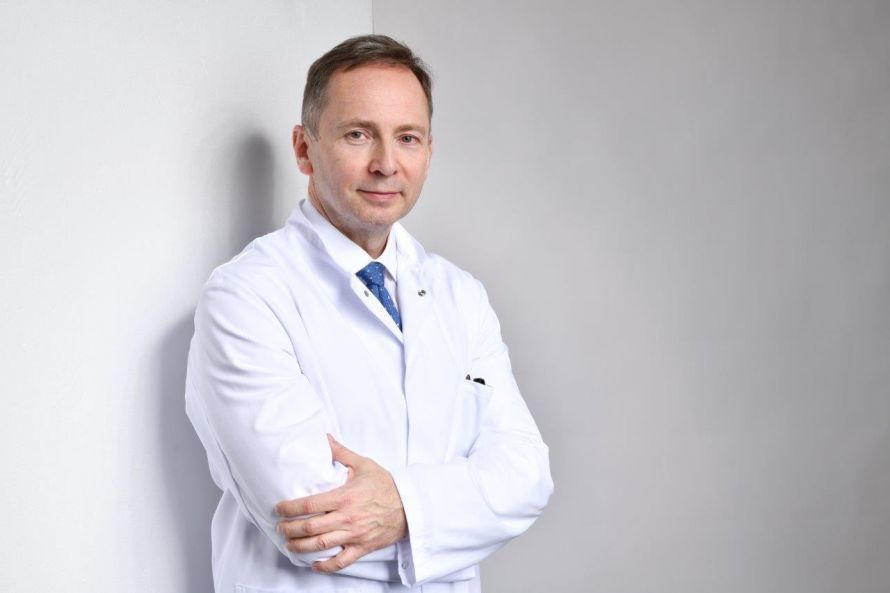
The editorial team of the Leading Medicine Guide learned more about this topic in a conversation with Professor Dr. med. Dr. hc mult. Konrad Karcz, an experienced surgeon who has been studying adipose tissue for many years in the context of bariatric surgery treatment concepts and body contouring following massive weight loss.
“In today’s environment, food is available almost everywhere. Even a short walk through the city takes you past snack bars, cafés, bakeries, or ice cream shops. Even at gas stations, colorful candies and snacks are displayed right in front of the register, tempting people to grab them on a whim. Often, these are just small snacks that, at first glance, ‘don’t amount to much.’ Over weeks and months, however, these extra calories can really add up.
High-calorie foods containing readily available carbohydrates and fats can contribute to an increase in body fat when consumed regularly. How and where fat tissue is stored varies greatly from person to person. Some people tend to gain weight more evenly. Others develop typical problem areas, such as on the hips, thighs, abdomen, or upper arms. Hormonal changes, genetic factors, and individual metabolic processes can further influence this distribution.
In certain patients, lipedema may also become apparent over time. This is not simply ordinary weight gain, but a chronic fat distribution disorder that is often accompanied by a feeling of tightness, sensitivity to pressure, pain upon touch, and a tendency to develop bruises. Many affected individuals report that the effects of dieting become quickly visible in certain areas of the body—such as the face, upper body, or lower legs—while the hips, buttocks, or thighs show little response.
If this process repeats itself over the years, fat deposits can form that can only be influenced to a limited extent by diet and exercise alone. At a certain point, weight loss through conservative measures alone can become very difficult. In such cases, a doctor should assess whether additional measures are appropriate. These may include structured nutrition programs, exercise therapy, medication such as GLP-1 receptor agonists, or—if medically indicated—bariatric procedures.
Bariatric surgeries can reduce stomach volume or influence metabolism and are particularly considered in cases of severe obesity, when conservative measures have not been sufficiently successful, and when comorbid medical conditions are present. “The decision to proceed is always made on an individual basis following a thorough medical examination, patient education, and a careful weighing of the risks and benefits,” explains Prof. Dr. Karcz at the beginning of our conversation, adding:
“From this perspective, it’s easy to explain why diets often fail. They can be effective in the short term, but they often do not lead to lasting change if old eating and exercise patterns are resumed after some time. Sustainable weight loss usually does not begin with radical programs, but with small, realistic changes that can be implemented on a daily basis. Exercise and nutrition remain the foundation of any treatment. Without a long-term lifestyle adjustment, even subsequent body contouring has only limited value.”
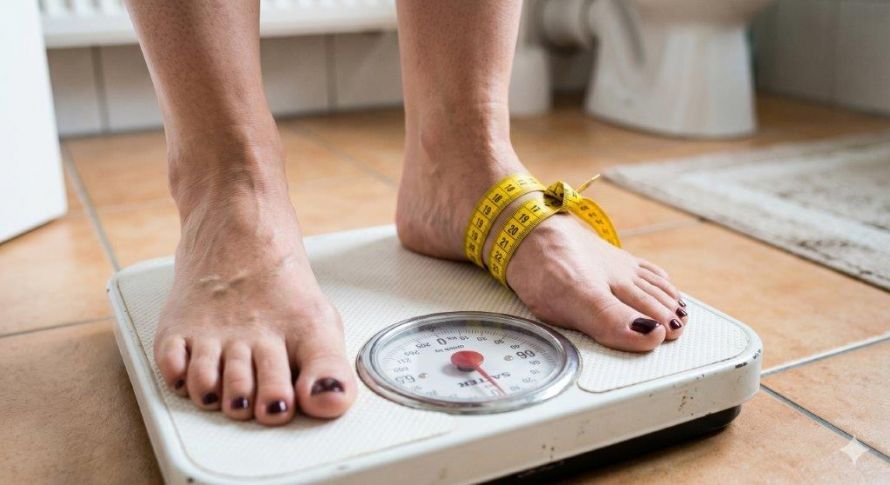
Why Fat Tissue Can Be So Stubborn
Adipose tissue reacts differently to diet, exercise, hormonal influences, and genetic factors depending on the body region. While some areas of the body respond relatively quickly to weight loss, fat deposits on the abdomen, hips, buttocks, or thighs often remain significantly more resistant. In particular, fat tissue in the hips and buttocks tends to store fat more readily in many people and is often slower to mobilize. Repeated weight fluctuations can further exacerbate this effect. Over time, this leads to areas of the body that respond only to a limited extent to conservative measures, despite consistent dietary changes and exercise.
Modern medicine is no longer solely concerned with aesthetic corrections but increasingly focuses on maintaining health and prevention. Severe obesity is considered a risk factor for numerous comorbidities, and our understanding of adipose tissue has fundamentally changed in recent years. Adipose tissue is no longer viewed as a passive energy store but rather as a hormonally and metabolically active organ that can influence various processes in the body.
“Adipose tissue is not just a passive energy store. It produces various signaling molecules that can influence metabolism, inflammatory processes, feelings of hunger and satiety, and overall well-being. As weight increases, many people find it noticeably more difficult to exercise regularly and stay motivated over the long term.
From an evolutionary perspective, it made sense to store energy as efficiently as possible, since food was not always available in the past. Today, however, we live in an environment where high-calorie, sugary, and highly processed foods are everywhere. It is precisely this discrepancy that can contribute to the development of excess weight, its continued increase, and its entrenchment over the years. Today, foods are often presented in ways that tempt us to eat even when we aren’t truly hungry. Sugar, sweetened beverages, and highly processed carbohydrates play a major role in this because they are readily available, are often consumed unconsciously, and quickly provide many calories without keeping you full for long.
The more body fat that is already present, the more difficult it becomes for many people to lose weight and maintain their weight loss in the long term. This is not simply due to a lack of discipline, but rather to a combination of metabolism, hormonal signals, physical activity patterns, the dietary environment, and habits ingrained over many years. That’s why every treatment begins with prevention: regular exercise, less sugar, fewer highly processed foods, more mindful eating, and realistic changes in daily life.
However, many people find that traditional diets don’t work in the long run. This is often because radical dietary approaches are not sustainable in everyday life. For decades, dietary trends have come and gone—low-carb, low-fat, high-protein, or ketogenic diets. Many of these approaches may be effective in the short term, but what really matters is whether they fit into your life over the long term. Sustainable changes are usually small and practical for everyday life. Instead of strict deprivation, it can help to develop mindful rules—for example, specific situations or days when sweets are planned and enjoyed without guilt. “What matters isn’t the perfect diet, but a realistic, sustainable eating plan that takes the strain off the metabolism and stabilizes the body over the long term,” emphasizes Prof. Dr. Karcz.
Exercise and nutrition form the foundation of any body-contouring treatment. Without these two components, it is nearly impossible to meaningfully assess how stable a potential result might be in the long term. For minor concerns, targeted—and often combined—measures may be sufficient, for example, liposuction on the upper arms with additional skin tightening, a tummy tuck, a thigh lift, or modern procedures such as plasma or laser skin tightening to improve skin quality and make the body’s contours appear more harmonious.
“Planning becomes significantly more complex when patients have lost 30, 40, or even 60 kilograms. Especially after bariatric surgery, the body must be carefully prepared before major body-contouring procedures can be performed safely and effectively. Depending on the type of bariatric surgery—for example, sleeve gastrectomy, gastric bypass, or biliopancreatic diversion—food intake, digestion, and metabolism change to varying degrees. Both sleeve gastrectomy and gastric bypass primarily reduce the amount of food that can be consumed.
With gastric bypass and, in particular, biliopancreatic diversion, there is also an altered food transit time, which can have a greater impact on the absorption of vitamins, trace elements, and protein. These factors, in particular, play a decisive role in subsequent body-contouring surgeries. Major body contouring surgeries place a significant strain on the body and result in extensive wound surfaces. For these wounds to heal properly, the body requires sufficient protein, vitamins, iron, zinc, and other micronutrients. If there are undiagnosed deficiencies, the risk of wound healing disorders or other complications may be increased.
That is why responsible body-contouring treatment always begins with careful preparation. It is important to know which bariatric surgery was performed, how stable the weight is, and whether any nutrient deficiencies exist. Close collaboration with specialized centers and nutritional medical care help identify potential deficiencies early on and address them in a targeted manner. Only once the patient’s weight, protein status, and vitamin and trace element levels are sufficiently stable can major body-contouring procedures be planned appropriately.
Many patients are relieved to learn that this process takes time and is built up step by step. Often, different areas of the body are treated one after another to avoid placing unnecessary strain on the body and to ensure the safest possible healing. “The goal here is not only aesthetic improvement, but above all a stable, functional, and long-term safe result that fits the patient’s new life situation,” Prof. Dr. Karcz emphasizes.
Women who come in after one or more pregnancies often describe a similar pattern: After the first birth, it’s often relatively easy to return to their original weight. After subsequent pregnancies, however, many women find that some of the weight is more stubborn.
Added to this are changes in the abdominal wall, skin quality, and body contours that cannot always be fully reversed through diet and exercise alone. In such situations, an individualized assessment is important to determine which measures are appropriate, realistic, and medically justifiable.
Prof. Dr. Karcz comments: “This is quite understandable, as the female body undergoes multiple changes throughout life—due to pregnancies, hormonal shifts, weight fluctuations, and the natural aging process. These factors influence how fat tissue is stored, how elastic the skin remains, and how stable the body’s contours are after weight loss. Starting around age 40, many women find it more difficult to lose weight or regain their former body shape. Fat distribution can also change:
A 30-year-old woman often has a different fat distribution pattern than a 50-year-old woman. For this reason, a body-contouring treatment should always be planned on an individual basis—taking into account age, skin quality, hormonal status, pregnancies, weight history, and overall health. In some cases, it may be advisable to include an additional gynecological or endocrinological evaluation, particularly if symptoms, changes in the menstrual cycle, menopausal symptoms, or noticeable weight fluctuations are present.
Body-contouring procedures therefore often address not just a single body region, but several interrelated factors. Realistic, medically responsible planning is crucial to achieving a harmonious, stable result that is appropriate for the patient.”
Modern body contouring does not merely target excess fat but recognizes adipose tissue as an active, biological tissue. As a result, aesthetic surgery is moving closer to addressing functional, regenerative, and metabolic considerations. Form, function, and health should not be viewed in isolation but rather as interconnected aspects of responsible treatment.
Tissue quality plays a central role in modern body contouring. After all, a body can only be contoured as well as the tissue allows. Structure, blood flow, elasticity, scarring, and potential inflammatory processes significantly influence how stable, harmonious, and durable a result can be in the long term.
“Time and again, there are situations in which a desired aesthetic procedure should not be performed—or should not be performed in the originally planned manner—for medical reasons. Especially with non-essential surgeries, safety always comes first. I recall a patient in her sixties who wanted a facelift, even though she had relevant pre-existing internal and cardiac conditions. After a detailed consultation and careful consideration, we jointly decided to forgo major surgery. Instead, we opted for gentler measures to improve skin quality, radiance, and address specific signs of aging.
For me, it’s important to remember: Not everything that is technically possible is also medically advisable. Patients should feel taken seriously and understood, while risks must be openly discussed. Sometimes the best decision is to plan with deliberate restraint and do only what is safe and responsible. Even minor procedures or modern non-surgical methods can—when selected on an individual basis—achieve visible and natural improvements. These include, for example, treatments to improve skin quality, wrinkle treatments, gentle contour enhancements, or procedures around the eye area.
“My goal is never an artificial or exaggerated result. What matters most is a fresh, rejuvenated, and natural appearance that suits the patient’s personality, health, and life situation,” says Prof. Dr. Karcz.
Modern body contouring is not just about removing fat or tightening the skin. The quality of the tissue being treated—and which must heal after surgery—is always a crucial factor.
“Well-perfused, elastic, and healthy tissue can generally adapt better to new contours and support the healing process. That is why we pay attention not only to the external shape but also to skin quality, connective tissue, blood flow, scarring tendency, and overall health. After liposuction or body contouring, the result is not determined solely by the amount of fat tissue removed. Equally important is how well the skin and soft tissues can retract and how stable the tissue remains over time. Particular care must be taken when planning for chronically irritated, fibrotic, or metabolically compromised tissue. Such tissue may be more sensitive, heal more slowly, or be more prone to irregularities and changes in contour.
Therefore, one of the most important questions to ask before any body-contouring procedure is not only, “What do we want to change?” but also, “What is the condition of the tissue we are working with?” Responsible planning therefore takes into account signs of inflammation, hormonal influences, metabolic status, skin elasticity, and connective tissue structure. “Modern, tissue-preserving, and regenerative procedures can help support tissue quality and ensure that the result appears as harmonious and natural as possible,” emphasizes Prof. Dr. Karcz.
Long-term, harmonious results are not achieved through the most aggressive reduction possible, but rather through stable tissue conditions and careful, tissue-preserving planning.
Metabolism, inflammatory processes, and tissue quality significantly influence which procedure is appropriate and safe, how stable a result can be, and which treatment will be effective in the long term. Modern body contouring is therefore not just a surgical procedure, but an integrative process that combines biology, function, and aesthetics.
“I find the progress of patients who have lost a great deal of weight—sometimes 50, 60, or even 80 kilograms—particularly impressive. Such changes are not only impressive from a medical or aesthetic standpoint. They often transform a person’s entire life: mobility, clothing choices, self-confidence, social participation, and the feeling of being at home in one’s own body again.
Many of these people remain in friendly contact even years after treatment. Usually, it’s small gestures—Christmas greetings, New Year’s wishes, a birthday message, or a brief note letting me know they’re doing well. It is precisely these quiet, recurring gestures that mean a great deal to me. They show that a treatment was not only technically successful, but that it was the right choice for the patient: at the right time, with the right planning, and with the right degree of responsibility.
For me, this long-term gratitude is a sign that it wasn’t simply a matter of “performing surgery,” but that the journey we took together was well-guided and medically sound. Feedback like this gives me strength. It reminds me why this work is important: because modern surgery can help people regain quality of life, security, and joy in their everyday lives,” emphasizes Prof. Dr. Karcz, and with that, we conclude our conversation.
Thank you very much, Professor Dr. Karcz, for these compelling insights into modern body contouring!
- Senior Consultant at Nuremberg Hospital; Adjunct Professor of Surgery at LMU Munich
- More than 20 years of surgical experience in general, bariatric, metabolic, reconstructive, aesthetic, minimally invasive, and robot-assisted surgery
- Focus on body contouring and reconstructive body contouring following massive weight loss
- Specialist in robotics, digital visualization, and AI-assisted procedures in surgery, with a focus on precision, safety, and patient-centered innovation
- International awards, including the Karl Storz Prize, the Gold Medal from David Aghmashenebeli University, and several honorary doctorates
- Many years of international research and lecturing in the fields of surgical innovations, medical technology, and digital medicine
- Leading role in international professional societies and medtech initiatives, including those related to iSMIT
- Management and innovation expertise gained through additional training at the Silesian University of Economics and Harvard University
- Commitment to modern, integrative, and digital healthcare that combines surgery, technology, and individualized patient care
Share this article
Expert Interviews
Read next
- Expert interview
Expert interview with Professor Dr Elmar Herbst, PhD
Oct 15, 2026
Patient-centred and personalised knee surgery
Read more - Expert interview
Cardiogeriatrics: Significance and benefits in the context of hospital reform
Sep 21, 2026
Cardiogeriatrics: Significance and benefits in the context of hospital reform
Read more - Expert interview
Expert Interview with Professor Dr. Amadeus Hornemann, MPH
Sep 18, 2026
Prof. Amadeus Hornemann on Precision Medicine in Gynecology: Modern Surgery, New Techniques, Better Quality of Life
Read more