Expert Interviews
Expert Interview with Prof. Dr. Kutzner on Hip and Knee Joint Replacement: Everything Under One Roof!

Alexandra Pfitzmann ·
Professor Karl Philipp Kutzner, M.D., is a recognized specialist in the field of orthopedic surgery, with a focus on joint replacement, particularly hip and knee arthroplasty. He has many years of experience as a senior physician at a clinic specializing in endoprosthetics and has demonstrated his scientific expertise through a habilitation at Johannes Gutenberg University Mainz. His particular area of expertise lies in the use of short-shaft prostheses, a field in which he is considered one of Germany’s leading experts. Through his practice, the Endoprotheticum Rhein-Main, Prof. Dr. Kutzner has been offering modern and personalized treatment plans since 2023, ranging from minimally invasive techniques to revision surgeries.
He places great emphasis on holistic care that does not rule out conservative measures, in order to provide patients with the best possible support. Thanks to his comprehensive expertise, he is able to develop tailor-made solutions for each patient that lead to long-term pain relief and an improved quality of life. His patients benefit from the close integration of his practice with the state-of-the-art curaparc-clinic in Mainz and the Lilium Clinic in Wiesbaden, which combine excellent surgical care with personalized support.
Prof. Dr. Kutzner is known for his empathetic and personalized consultations, which he is able to conduct with particular depth thanks to his practice’s independent status (not affiliated with any health insurance fund). This allows him to take the time needed to work with patients to develop the best possible treatment strategy. As a result, he is not only one of the most medically accomplished but also one of the most patient-centered orthopedic surgeons in the Rhine-Main region. The editorial team of the Leading Medicine Guide spoke with the specialist in joint replacement and learned more about the new treatment approach at the new curaparc-clinic in Mainz and how important it is for patients to have all components of their care under one roof.
The Endoprotheticum Rhein-Main in Mainz is a specialized center focused on treating patients with joint diseases through joint replacement. Here, people with joint pain and discomfort receive comprehensive and personalized care. Prof. Dr. Kutzner has recently also taken on the role of medical director of the new curaparc-clinic in Mainz, where he performs surgeries on and cares for his patients. The curaparc campus is also home to the Endoprotheticum’s new practice location, which, in cooperation with a large physical therapy practice right next to the clinic, offers follow-up care in the form of ENDO-Reha. 
“In mid-June 2025, the new curaparc-clinic officially opened with its first surgery. At the same time, the first patients are already being treated at the new location, the Endoprothetrapeuticum. Everything is still very new, but the direction is clear and in line with current trends. The concept of offering medical services in a bundled, interdisciplinary manner from a single source is currently in greater demand than ever—and that is precisely what is being addressed and consistently implemented here. The question of what concrete benefits patients derive from the new location and the integrated treatment concept—particularly in the field of joint replacement—can be answered particularly well against the backdrop of current structural challenges in the healthcare system. This is because there is a fundamental problem: the demand for orthopedic treatments is rising steadily, not least due to demographic change.
At the same time, the public healthcare system is coming under increasing pressure—access to care is becoming more difficult, especially for those with public health insurance. Public hospitals, which must also provide emergency care, are struggling with massive staff shortages. As a result, scheduled procedures—such as those typical in joint replacement—are increasingly being pushed to the back burner in day-to-day clinical practice. Typically, joint replacement surgeries are not acute emergencies but rather procedures that can be scheduled years in advance. Nevertheless, these procedures are repeatedly postponed in many public hospitals.
The waiting lists are long; patients often wait half a year or longer for a surgery date. Even when a date is scheduled, cancellations can occur at short notice—for example, when emergency cases such as femoral neck fractures are admitted overnight or when staff members are unavailable. “It is then the patients with scheduled procedures who are put off—a situation that is frustrating not only for them but also for the treating specialists, especially when they rely on operating room capacity as external surgeons,” explains Prof. Dr. Kutzner at the beginning of our conversation, adding:
“These structural problems lead to a systematic undersupply of elective procedures. To counteract this trend, alternative care models are needed—such as specialized, privately operated clinic locations that focus specifically on elective orthopedic services. Such a facility does not have to be reserved exclusively for private patients. Patients with public health insurance should also have the option to use such facilities when the situation in the public hospital system requires it. Privately operated clinics are not required to maintain an emergency room or intensive care unit—this allows them to specialize clearly in elective procedures. Such structures can effectively complement public healthcare by enabling reliable, predictable, and high-quality treatment—especially in areas such as joint replacement, where time, preparation, and continuity play a decisive role.”

The integration of the Endoprotheticum Rhein-Main and the Endoprotherapeuticum into the curaparc Campus Mainz offers patients a holistic care concept that optimally links all phases of treatment related to joint replacement —from precise diagnostics through individualized surgical planning and preparation to specialized postoperative care.
At the heart of this is the “one-stop shop” principle: Close collaboration among all participating departments—orthopedics, anesthesiology, physical therapy, and nursing—under one roof ensures seamless communication and consistently coordinated care. This ensures that every single step is tailored to the patient’s needs, without any friction or delays between different facilities or specialties.
“Modern joint replacement has advanced significantly in recent years—so much so that many procedures today generally no longer require intensive care. For the vast majority of patients, joint replacement surgeries are predictable, safe procedures. This development opens up new possibilities in the healthcare system, particularly with regard to privately operated clinics that are specifically geared toward elective orthopedic procedures. The trend of investors funding the construction and operation of such facilities cannot be overlooked.
Of course, such investors also pursue economic interests. But this is precisely where the challenge lies: if private clinics focus exclusively on privately insured patients or self-pay patients, a gap in care emerges for the majority of the population. There are now numerous such facilities that have taken this exclusive approach—but that alone does not solve the structural healthcare problems. Rather, we need models that also allow those with public health insurance to access these specialized facilities,” explains Prof. Dr. Kutzner, adding:
“Several years ago, this idea was taken up and successfully implemented at the Lilium Clinic in Wiesbaden. The approach involves applying to health insurance providers for coverage of services through a so-called ‘individual cost coverage application.’ This process involves first assessing and documenting the diagnosis, the necessary treatment, and the quality standards under which it will be performed. Many statutory health insurance providers now recognize this approach—on the condition that treatment costs do not exceed the established rates for standard care. This procedure is now routinely applied.
At the new clinic location—the curaparc-clinic—the concept is also based on this idea: a privately operated facility specializing in orthopedics that also treats patients with statutory health insurance. In addition to orthopedics, the clinic also performs a limited number of procedures in plastic surgery, otolaryngology, and urology. However, the clear focus is on orthopedic surgeries. Despite existing restrictions—such as those imposed by certain large health insurance providers like the AOK or the Techniker Krankenkasse, which are currently still showing some reluctance—acceptance among other health insurance providers is now high.
A prerequisite remains a transparent application submitted prior to treatment, which clearly outlines the medical need and the quality of care. Patients benefit significantly in this setting: treatment processes can be planned effectively, the infrastructure is specifically tailored to the relevant procedures, and care is provided in an environment with sufficient staff and a pleasant atmosphere. This closes a gap in care—not by replacing, but by complementing the public system.”
The interdisciplinary collaboration among surgeons, anesthesiologists, physical therapists, and nursing staff within a specialized facility such as the curaparc-clinic in Mainz plays a crucial role in the success of hip and knee replacement treatments. When all the relevant disciplines work closely together under one roof, patients benefit in multiple ways.
Prof. Dr. Kutzner emphasizes the comprehensive range of services here: “A central problem in the current healthcare system is that many patients have little access to timely consultation or surgery appointments. They often have to wait for months—and even then, it sometimes happens that scheduled appointments are canceled at the last minute. On top of that, most public hospitals do not have a designated primary physician. Patients undergoing surgery often meet the operating physician for the first time on the morning of the procedure. For many, this is an unsatisfactory situation, as the desire for trust, security, and personalized care is particularly strong in a medical context.
In a private practice setting with a structured approach, this type of patient care can be provided much more effectively. During office hours, patients are cared for by the same doctor who performs their surgery—and, whenever possible, that doctor remains involved throughout the entire follow-up care process. This results in continuous, personalized care that is rarely feasible in public healthcare settings. Another important aspect concerns postoperative care. Although many patients report a successful procedure, they are often dissatisfied with the subsequent rehabilitation. In rehabilitation clinics, they frequently encounter new healthcare providers, different medical assessments, and varying instructions that often contradict what was previously communicated.
Yet, especially after joint replacement surgery, it is crucial that postoperative recommendations be based on the specific surgical situation—and the surgeon himself knows this best. If the operating physician assesses the surgical situation as stable and complication-free, he can tailor the recommendations accordingly. Conversely, if, for example, poor bone quality is detected during surgery, a targeted postoperative adjustment is necessary—and it must be done immediately, not by third parties at an external facility.”
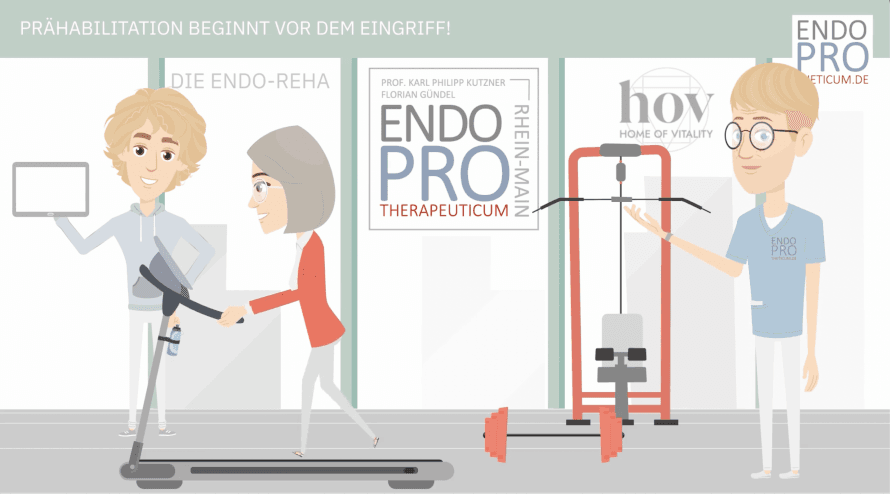
An additional advantage of the model lies in the close integration between the surgical team, physical therapy, and the rehabilitation department. Thanks to the physician’s personal presence on site, medical questions or uncertainties can be clarified immediately, and treatment plans can be individually adjusted.
“Not every patient requires the same level of rehabilitation: While some recover quickly with just a few interventions, others need significantly more support—such as lymphatic drainage, exercise therapy, or close monitoring. In teaching hospitals or large medical centers, such individualized care is hardly feasible due to the high volume of cases. In the current model, however, a manageable number of surgeries are performed each week—leaving enough time to provide intensive care for the patients under our supervision. “Patients know in advance who will be treating them, can adjust to the professional expertise and personality of their treating physician, and are accompanied throughout the entire course of therapy—all the way to full recovery and a return to everyday life,” explains Prof. Dr. Kutzner.
The “one-stop-shop” concept creates a structured, transparent, and coordinated chain of care that minimizes medical, organizational, and communication risks—thereby ensuring greater safety, quality, and trust.
Prof. Dr. Kutzner describes the additional benefits: “What doesn’t yet exist on a widespread basis in this form—and what we’re currently building here—is an on-site rehabilitation program that’s also attractive to people who don’t come from Mainz or the immediate surrounding area. For these patients, we are currently creating modern apartments covering a total area of approximately 750 square meters, where they can live with their partner—for a week, ten days, or for a duration tailored to their individual needs. These apartments—which are currently still under construction—will allow patients to live right on the clinic grounds, in close proximity to the rehabilitation facility and the hospital.
The apartments are equipped with a private bathroom, shower, and all the amenities you’d expect from a good hotel. Meals are provided by the clinic next door. The goal is to make the stay as pleasant and efficient as possible—with short distances, close therapeutic supervision, and high-quality medical care. Physical therapy takes place right on site—currently, our therapists are on duty from early morning until the evening. I myself am usually there starting around 8:30 a.m. and continue to work with many patients in the afternoons and evenings as well. This allows us to tailor the rehabilitation program together on an individual basis, without any rigid schedule or standard program. How exactly this concept will develop in the long term remains to be seen—but the idea is in place, and the first building blocks have already been implemented.
What’s more, the entire site is designed as a medical campus. In addition to orthopedics, other specialties are located here—a general practitioner, internists, gynecologists, and other orthopedic facilities—so that we can consult with specialists across disciplines at short notice for specific issues. This is a real advantage for medical care.”
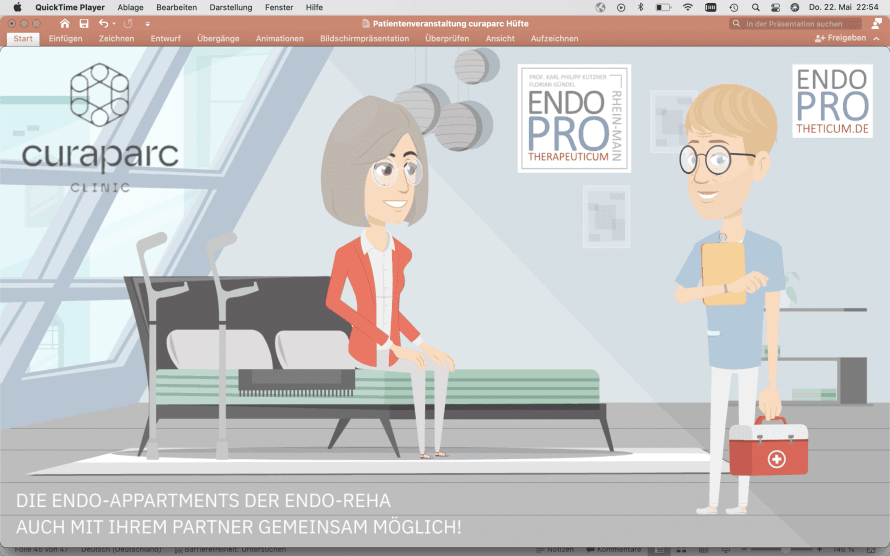
The accommodations on the medical campus are designed as a so-called “self-pay” option, comparable to a hotel stay. The cost will be around 80 euros per night—a mid-range price. This means that for about 500 euros, a patient can stay on-site for a week, in close contact with the therapeutic team, in a comfortable environment. For many patients, this is a sensible and feasible investment in their health. It’s important to note that while the apartment is a private or out-of-pocket expense, the medical treatment itself is now reimbursable by many statutory health insurance providers upon application. However, the cost of accommodation alone is not covered.
Regarding health insurance coverage, Prof. Dr. Kutzner explains: “Another point concerns supplemental insurance. Many people think that private supplemental hospital insurance automatically covers all costs—but that’s not always the case. For example, those with basic coverage through Techniker Krankenkasse (TK) cannot automatically receive inpatient treatment at a private clinic, even with supplemental insurance. While supplemental insurance covers amenities such as a private room or treatment by the chief physician, it does not cover the free choice of hospital. The situation is different, for example, with the DAK health insurance company: There, even without supplemental insurance, there is already significantly more flexibility, and in combination with supplemental insurance, there is even complete freedom of choice.
Most insured individuals are unaware of such differences—I didn’t know this myself in the past. That’s why we’re trying to offer a flexible solution with our concept: Even those with statutory health insurance can be treated by us through so-called “individual cost coverage applications.” This is a key component of our model. “Our goal is to establish this concept as a forward-looking model of care—initially in the Rhine-Main region, in Mainz.”
The goal is to create a privately managed medical service—independent of large hospital groups and hospital chains. In doing so, we are deliberately pursuing a concept that is not exclusively geared toward a wealthy target group, but rather aims to make high-quality medical care accessible to as many people as possible.
“Of course, such structures must also be economically viable. A longer inpatient stay is hardly affordable under statutory health insurance anymore—the costs have become very high. But if you manage the length of stay efficiently—for example, by limiting it to two to three days, which is medically sufficient in the vast majority of cases—then it works very well. By closely staggering patient schedules, we can treat more patients without compromising on quality.
It’s clear that many people are waiting for exactly these kinds of services. The biggest misconception remains: ‘Private clinics—aren’t those just for private patients?’ But that hasn’t been true for a long time. The challenge lies in changing this public perception—because the reality is much more inclusive. When all services come from a single source, the risk of misunderstandings, loss of information, or uncoordinated treatment courses automatically decreases. This begins right after surgery: In traditional rehabilitation settings, patients often have to transfer to a different facility for several weeks. There, they do receive medical care, but from people they don’t know—people who didn’t perform the procedure themselves and who often aren’t aware of important details. Occasionally, we see patients in follow-up care after six weeks—with poorly healing wounds, unexplained pain, or complications that could have been avoided. Then, of course, you ask yourself: ‘Why didn’t you get in touch sooner? Why didn’t anyone notice this?’” says Prof. Dr. Kutzner, who also comments on the effectiveness of rehabilitation:
“But when rehabilitation takes place on-site—right where the surgery was performed—patients can simply turn to us if they have any concerns: ‘You operated on me—could you please take a look? Is everything okay?’ This personal, rapid feedback prevents many issues. It replaces the feeling of anonymity with a close, trusting relationship. Of course, there are dedicated colleagues at other hospitals who work carefully as well. But there’s a difference between knowing a patient personally, having operated on them yourself, and taking active responsibility for the outcome—versus coming in later as an outsider. In the former case, the sense of responsibility, the closeness, and the understanding of the patient’s individual circumstances are simply greater—and that is precisely what makes a decisive contribution to quality.”
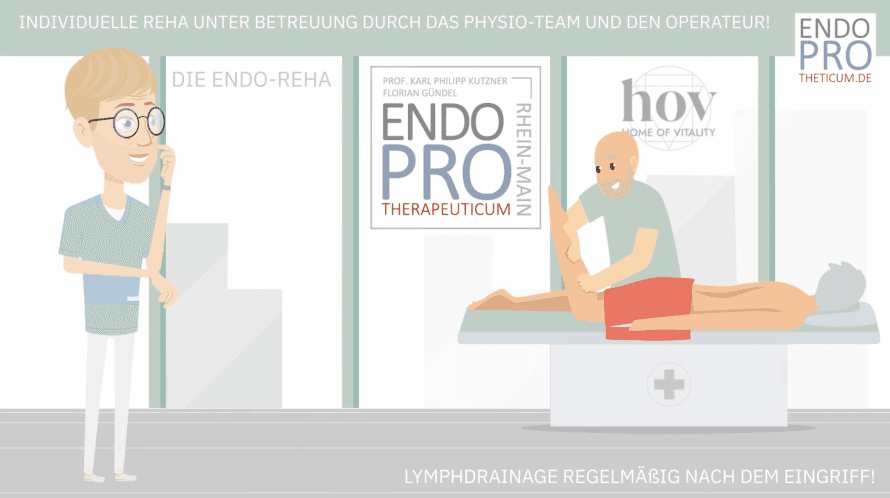
The closely integrated model combining surgery, follow-up care, and rehabilitation—all under one roof—enables short communication channels, quick responses, and individualized care. This helps prevent complications, improves the quality of treatment, and contributes to patients recovering faster, more safely, and with longer-lasting results.
“Our clinic has a total of four operating rooms. To start, we’ll be putting two of them into operation. We’re aware that the beginning will be challenging. As a newly opened, privately run clinic in a metropolitan area, we’re still largely unknown at this point. Many people are not yet aware that we’ve made a conscious decision to take a different, patient-centered approach. Therefore, I don’t expect all four operating rooms to be fully utilized in the first few weeks. We also have 13 inpatient beds available—a capacity that could potentially become a bottleneck in the future.
However, outpatient care is also playing an increasingly important role today. In the future, it may even be possible to perform certain procedures on an outpatient basis—especially for patients from the immediate area. Models from the U.S. could serve as a template here: There, patients drive up, undergo surgery, and leave the clinic two to three hours later. We’re not (yet) at that stage in Germany. Currently, most patients still stay for two to three nights for observation. But it’s quite possible that care will continue to shift toward outpatient and post-hospitalization models in the coming years—supplemented by home visits or early referral to rehabilitation,” predicts Prof. Dr. Kutzner.
Rehabilitation takes place partly on an individual basis, partly in small groups, or through structured training stations. Not every treatment can be carried out—or makes sense—in a one-on-one format.
Prof. Dr. Kutzner gives an example: “During lymphatic drainage, a therapist works intensively with a patient—afterward, the patient trains independently under supervision in the exercise area. What’s crucial here is not only the care provided but also the constant proximity of medical staff. Our vision is for patients who have undergone surgery to be housed directly on the ward, with the clinic next door and the rehabilitation unit in the same building. This allows us to provide close, ongoing support. For example, I can walk through the exercise area and spontaneously speak with a patient: ‘Mr. Müller, how are you doing? Are you managing well?’—and if not, we can react immediately. This kind of proximity is a clear advantage of our concept.”
A classic risk associated with orthopedic surgery is postoperative infection—the most serious complication from a medical standpoint. “While a physical therapist can’t do anything about that, response time is crucial here. The sooner we notice something, the better we can take corrective action. This is exactly where it helps if the on-site team is already familiar with the patient. Another risk concerns load management: Over the past 10–15 years, we have rightly advocated that patients should be mobilized early.
However, especially with cementless implants, too early or too intense loading can also lead to prostheses becoming loose or healing incorrectly. This doesn’t happen often—but it does happen. And in many cases, it could have been prevented. I’m saying this deliberately: Just as rehabilitation can help, it can also cause harm. That’s why it’s extremely important to tailor the therapy to the individual. Some people need to be reined in—especially those who are active or athletic—while others need more support and motivation. Not everyone has the same circumstances or goals. And not everyone needs the same rehabilitation program. That is precisely why a differentiated, personalized approach is so important,” Prof. Dr. Kutzner emphasizes.
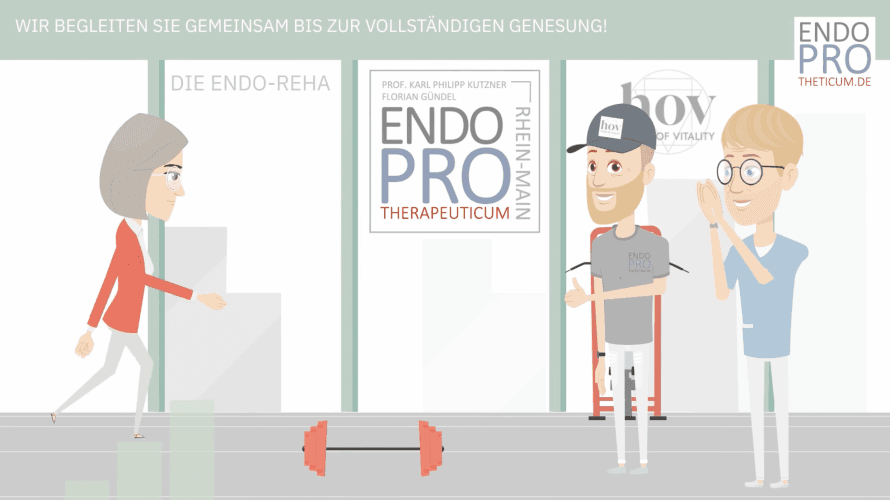
Especially in cases of complications or revision surgeries in the field of hip or knee arthroplasty, close collaboration among all relevant specialties under one roof is of crucial importance. Such procedures are often more complex than the initial implantation and require not only specialized surgical knowledge but also coordinated collaboration with anesthesiology, radiology, laboratory diagnostics, microbiology, physical therapy, and nursing.
“We’re starting with an orthopedic team of six colleagues initially—and likely seven soon. They’re all experienced specialists from private practice, including the two team doctors for Mainz 05, who have been on board from the very beginning. In addition, an orthopedic practice from Bad Kreuznach is participating. We’re deliberately starting on this scale and will monitor how things develop. The location is part of a so-called health campus where additional space is available.
Should demand increase and a “rush” for our services develop, an expansion would be conceivable—for example, through additional bed capacity or medical units. But realistically speaking: In this first year, we’ll be happy if we can keep the 13 beds regularly occupied. However, it’s also important to us that we don’t want to establish a system of mass care. Our goal is to provide individualized, high-quality care—not just for an exclusive group of patients, but accessible to as many people as possible—within a framework that prioritizes quality over quantity,” states Prof. Dr. Kutzner. 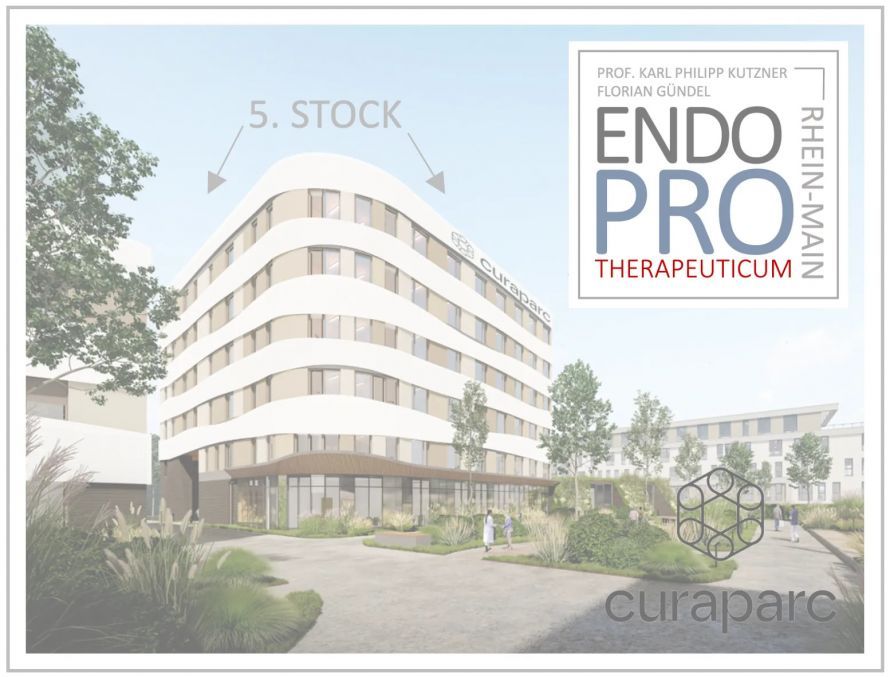
The Health Campus—almost like a medical “vacation”?
“Of course, we’re pursuing a modern concept: short distances, interdisciplinary collaboration, and personalized care. It’s perfectly fine if it feels a bit more comfortable than the typical hospital routine. And if the term ‘health campus’ evokes positive associations, then that’s exactly what we want. The goal is to create an atmosphere where people feel well taken care of. And when you really do need something, you should be able to say: ‘That’s exactly where I want to go,’” affirms Prof. Dr. Kutzner, and with that, we conclude our conversation.
Thank you very much, Prof. Dr. Kutzner, for the insight into your modern concept at the curaparc-clinic!
Share this article
Expert Interviews
Read next
- Expert interview
Expert interview with Professor Dr Elmar Herbst, PhD
Oct 15, 2026
Patient-centred and personalised knee surgery
Read more - Expert interview
Cardiogeriatrics: Significance and benefits in the context of hospital reform
Sep 21, 2026
Cardiogeriatrics: Significance and benefits in the context of hospital reform
Read more - Expert interview
Expert Interview with Professor Dr. Amadeus Hornemann, MPH
Sep 18, 2026
Prof. Amadeus Hornemann on Precision Medicine in Gynecology: Modern Surgery, New Techniques, Better Quality of Life
Read more