Expert Interviews
Advances in the Surgical Treatment of Colorectal Cancer: Robotic Surgery and Colorectal Carcinomas

Alexandra Pfitzmann ·
In total, there are approximately 60,000 new cases per year, making colorectal cancer one of the most common types of cancer in Germany. The editorial team of the Leading Medicine Guide spoke with Prof. Dr. Pantelis about the surgical treatment of colorectal cancer and also learned more about the use of robot-assisted surgery.
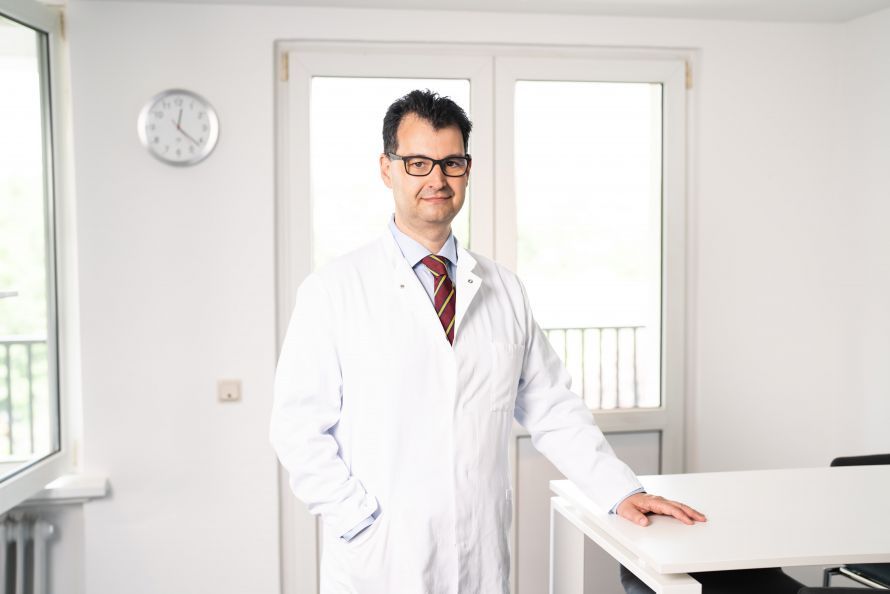
Surgical treatment of colorectal cancer has made significant advances in recent years, which have markedly improved patients’ prospects for success and recovery. In particular, the use of modern technologies such as robotic surgery has expanded the range of minimally invasive procedures and enables more precise surgical techniques. These innovations are playing an increasingly important role in the treatment of colorectal cancer and offer promising prospects for a gentler yet more effective therapy.
A colorectal carcinoma usually develops from benign precursor lesions, known as polyps, which grow over the course of years and gradually develop into malignant tumors. The development process is influenced by a series of genetic mutations that cause uncontrolled cell growth and division.
Risk factors such as a low-fiber diet, obesity, smoking, alcohol consumption, chronic inflammatory bowel diseases, and a family history of the disease also contribute to its development. The tumor can progress as tumor cells accumulate in the mucosa, invade deeper tissue layers, and eventually enter the lymphatic and blood vessels, increasing the risk of metastasis.
“Colorectal carcinoma usually develops gradually over many years from benign precursors. This process is also known as the adenoma-carcinoma sequence. The disease begins with a change in the mucosa, for example, in the form of a polyp or adenoma. Over the course of decades, genetic changes can cause this to develop into an invasive carcinoma. However, there are also cases with a genetic predisposition in which tumors form very rapidly from healthy mucosa; this is, however, the exception rather than the rule. Unfortunately, there are no clear early symptoms of this cancer. Changes in bowel movements—such as thinner stools, fluctuations between hard stools and diarrhea, bloating, or new-onset pain—may be warning signs. Visible blood in the stool or on toilet paper should always be investigated, as it may have harmless causes such as hemorrhoids, but it can also be a sign of a malignant tumor. In most cases, the diagnosis is not made until a later stage, when symptoms have already appeared. That is why screening is recommended: Starting at age 50, every insured person without symptoms can be offered a colonoscopy. This examination is the most important method for detecting cancers or precancerous lesions at an early stage. There are also alternatives, such as testing for blood in the stool; however, colonoscopy is the screening method of choice—especially because it is significantly more reliable. Other options include computed tomography (CT) scans or immunological tests, but colonoscopy remains the best method. And as with all cancers, the earlier it is detected, the better. Unfortunately, colorectal cancer is sometimes not detected until it has reached an advanced stage. However, it is often detected in the early stages, when it can be completely cured through appropriate surgical removal. “So there’s a wide spectrum: from early-stage precancerous lesions to advanced, metastatic tumors,” explains Prof. Dr. Pantelis at the start of our conversation.
If the cancer is not detected in time, there is a risk that it will spread and impair vital organ functions, which drastically worsens the chances of recovery. Therefore, early detection and treatment are crucial for significantly reducing the risk and improving survival rates.
The current gold standard for the surgical treatment of colorectal carcinomas is the so-called R0 resection, in which the tumor is completely removed, including a safe margin of healthy tissue. Two main procedures are used for this: open surgery and minimally invasive surgery, particularly laparoscopic or robot-assisted surgery. The choice of procedure depends on the tumor’s size, location, the patient’s overall health, and other individual factors; however, in specialized centers, the vast majority of surgical procedures are now performed using minimally invasive techniques.
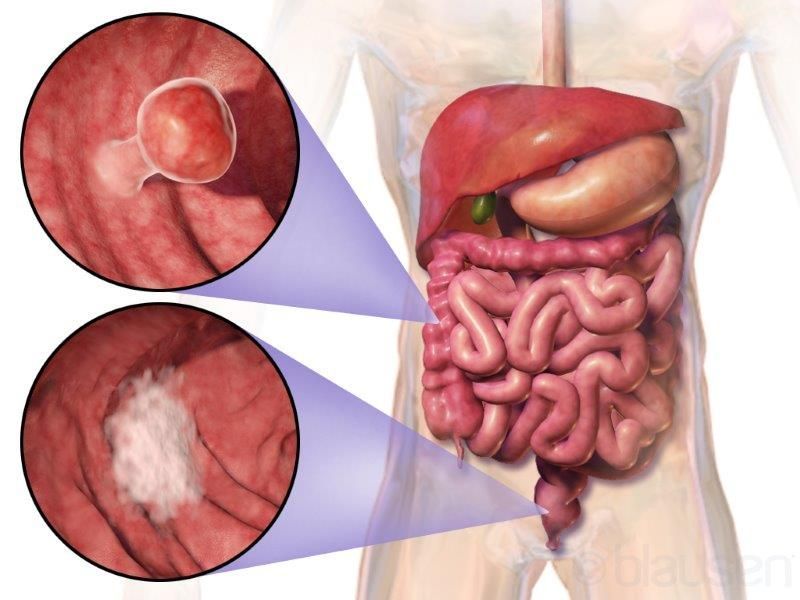
“When a patient is diagnosed with colorectal cancer, various treatment options are available. In early stages, colonoscopic resection is often sufficient. In advanced stages, however, further treatment is necessary in most cases. The most important form of treatment is surgery, as it is the only method that can completely remove the tumor and potentially lead to a cure. After diagnosis, the patient is referred to a specialized colorectal cancer center, where comprehensive follow-up diagnostics, such as a CT scan, are performed. “In interdisciplinary tumor boards, surgeons, oncologists, and radiation oncologists work together to determine the appropriate treatment plan,” says Prof. Dr. Pantelis, adding:
“There is an established standard that varies depending on the tumor’s location. For rectal carcinomas—that is, cancer in the final section of the colon—treatment is significantly more complex due to the anatomical location and includes preoperative radiation therapy and chemotherapy in addition to surgery. For colon cancer, the focus is generally on direct surgery, which is the best treatment in about 95 percent of cases. Surgical techniques have advanced significantly in recent years. While the basic surgical procedure—that is, the removal of the tumor—has been standardized for decades, laparoscopic, or minimally invasive, surgery emerged about 20 years ago. In this approach, small incisions are made in the abdomen, and the surgery is performed using a camera and special instruments. Robot-assisted surgery has also recently been introduced, in which a surgical robot enables procedures to be performed with even greater precision and less invasiveness.”
Minimally invasive robotic surgery for the treatment of colorectal cancer offers a variety of advantages that can significantly improve both the intraoperative procedure and postoperative recovery, as well as long-term outcomes. The use of highly advanced robotic systems, such as the Da Vinci system, significantly increases surgical precision.
“The Da Vinci system from Intuitive is a well-known brand in robot-assisted surgery and is now considered the market leader. However, it is no longer the only system available but rather part of a broader range of robot-assisted surgical technologies. Today, people often simply refer to “Da Vinci,” even though the term actually encompasses these highly precise, mechanically assisted surgical procedures. These procedures offer numerous benefits for both the surgeon and the patient. For the patient, the minimally invasive technique means smaller incisions, faster recovery, less pain, and a lower risk of infection. In addition, the highly precise movements and improved visualization—especially in confined spaces such as the pelvis—ensure a significantly more accurate surgical procedure. This has become almost standard practice, particularly for rectal cancer. The improved visibility also reduces the risk of nerve damage, bladder dysfunction, and sexual dysfunction. While clinical studies have not yet conclusively demonstrated improved oncological outcomes, the benefits in terms of reducing complications are clearly evident. We have been using the Da Vinci robot for three years. Its introduction was accompanied by a rigorous training program, to which the entire team has adapted. Surgeons undergo extensive training, which includes initially spending 30 hours working on a simulator, completing specialized courses, and always being accompanied by experienced colleagues during their first surgeries. After a training period, surgeons can perform surgeries independently, though an experienced mentor is still present during the initial stages. There are only a few cases in which robotic-assisted surgery cannot be used. These are mostly specific patient-related reasons, such as when a minimally invasive technique is not possible due to a particular patient position or severe pre-existing heart or lung conditions. Open surgery is also frequently still performed for very large tumors affecting multiple organs or in cases of severe adhesions resulting from previous surgeries. However, such cases have become very rare in the meantime,” explains Prof. Dr. Pantelis, adding:
“Here at St. Marien Hospital, we perform about a hundred complex and major surgeries each year using the robot. Thanks to our certification as a colorectal cancer center by the German Cancer Society, we also benefit from a high level of recognition, which attracts patients from other regions who trust in the expertise of our facility. In recent years, there has been a general increase in demand from patients who actively choose robot-assisted surgery after being informed about it or having already heard about it. Initially, there were uncertainties and questions about whether the robot actually performs the surgery and whether the process is not simply automated like an autopilot, but understanding has since grown, and patients are increasingly actively requesting this technology. As for specific complications associated with robot-assisted surgery, it can be said that these are hardly any different from those of conventional procedures. Although there is concern that severe bleeding might be harder to control, the team practices procedures to ensure they can quickly switch to open surgery in an emergency. Serious robot-specific complications are truly extremely rare and, to the best of our current knowledge, do not exist. Thus, when performed by a sufficiently experienced surgeon, the technique does not pose increased risks; on the contrary, it often results in lower complication rates.”
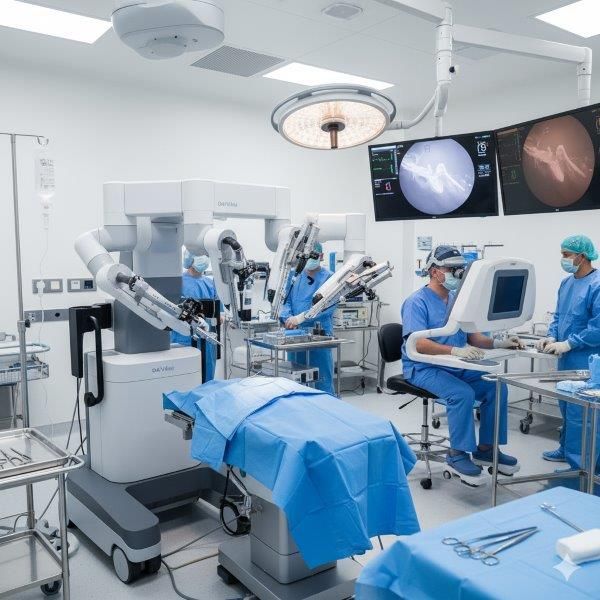
Robot-assisted surgery offers a precise view and gentle removal of tumors and lymph nodes thanks to high-resolution 3D optics and extremely maneuverable instruments. It results in less blood loss, fewer injuries, less pain, and lower complication rates, which improve recovery prospects and quality of life. However, the high investment costs, necessary training, and limited availability pose major challenges. Although the technology shows promising results, long-term data are still limited, which is why robotic surgery in colorectal oncology continues to be scientifically monitored and used in specialized centers.
Prof. Dr. Pantelis explains: “The likelihood of achieving a complete R0 resection for a colorectal tumor depends on the tumor’s initial size. For smaller tumors, there is nearly a 100% chance that all tumor cells will be completely removed. With larger tumors, the risk of residual tumor tissue increases; however, even with large tumors, the rate of R1 resections—that is, residual tumor tissue that was not completely removed—is less than 5%, particularly with robot-assisted surgery. As for metastasis, there is a significant risk with colorectal cancer: Approximately 20 to 30% of all patients who undergo successful surgery go on to develop metastases, with the aggressiveness of the tumor playing a decisive role. Highly aggressive tumors can form metastases even in early stages or when they are small. Some tumors are so aggressive that metastasis cannot be ruled out later on, even after successful surgery.”
Adjuvant therapies such as neoadjuvant and adjuvant chemotherapy play a crucial role in the treatment of colorectal cancer, particularly in combination with surgical resection of the tumor.
Neoadjuvant chemotherapy is administered before surgery to shrink the tumor, limit its spread, and thereby improve its resectability. By reducing the tumor mass, less invasive procedures can be performed, which facilitates recovery and reduces the risk of complications. In addition, neoadjuvant chemotherapy helps combat potential micrometastatic tumor cells at an early stage, which can improve long-term control of the disease.
Prof. Dr. Pantelis comments: “Neoadjuvant therapies—that is, treatments administered before surgery—play a particularly important role in rectal cancer. The goal is to shrink the tumor through a combination of radiation and chemotherapy so that organ preservation—such as that of the sphincter muscle—becomes possible. Especially for tumors located very close to the sphincter, this preoperative treatment increases the chances of a successful surgery without the need for complete removal of the sphincter. After surgery, adjuvant therapies are then used to combat any remaining tumor cells. If metastases are already present or peritoneal carcinomatosis exists, these are palliative chemotherapies, in which a complete cure is usually no longer possible.”
Following a successful surgery—especially with minimally invasive procedures such as robot-assisted surgery—the hospital stay is usually significantly shorter than in the past.
“Instead of 10 to 14 days, patients can often be discharged home after about 5 to 7 days. This is usually followed by a rehabilitation program. If adjuvant chemotherapy is not necessary, follow-up care is standardized: an ultrasound examination is performed after 6 months, and a CT scan after one year. This plan is laid out in the guidelines. For most patients, the probability of tumor recurrence after five years is considered very low—though certain tumor types or specific circumstances constitute an important exception,” Prof. Dr. Pantelis clarifies, emphasizing:
“Interdisciplinary collaboration plays a central role in our work. It involves not only oncologists, radiation oncologists, and gastroenterologists, but also nurses, physical therapists, stoma therapists, pathologists, and many other specialties. Overall, we are a large team working together to provide the best possible treatment for the patient. Each case is discussed in regular tumor board conferences, in which all relevant colleagues participate, to develop the best individualized therapy.”
When searching for the right hospital for colorectal cancer treatment, certification by the German Cancer Society is an important seal of quality. This certification is regularly reviewed by external auditors, who assess the quality of the entire hospital, identify problems, and recommend improvements. Therefore, when choosing a facility, you should look for this official seal of approval.
“If there is no certified colorectal cancer center nearby, or if you decide against it, it is advisable to follow the recommendations of your primary care physician or gastroenterologist, as most patients begin their treatment there. An online search can be helpful, but you should be cautious, as marketing claims do not always reflect actual medical quality. Another criterion could be the number of cases treated: Hospitals with higher case volumes are often more experienced and generally achieve better outcomes,” states Prof. Dr. Pantelis, who concludes our conversation with a clear recommendation:
“As a long-standing colorectal cancer center with over 20 years of experience, we would like to emphasize how important screening is. Everyone aged 50 and older should undergo regular colonoscopies for early detection—regardless of whether they have risk factors such as obesity or smoking. If there is a family history of colorectal cancer—especially if it occurred in relatives under the age of 50—screening should begin as early as age 40. I particularly urge men to take advantage of screening programs, as they still do so too rarely; women are usually more proactive in this regard. If the results are normal, the next screening is recommended in about ten years. Many patients are afraid of the procedure, but it is generally well-tolerated and, in most cases, a success that brings peace of mind—it really isn’t as bad as many people think.”
Thank you very much, Prof. Dr. Pantelis, for this important information on colorectal cancer!
- Prof. Dr. med. Dimitrios Pantelis – Chief of General and Visceral Surgery at the GFO Clinics in Bonn (St. Marien-Hospital Venusberg & St. Josef-Hospital Beuel)
- Leading expert in abdominal surgery, specializing in colorectal cancer, gastric and hernia disorders, and chronic inflammatory bowel diseases
- Over 30,000 minimally invasive procedures performed under his supervision – the clinic is certified as a center of excellence for minimally invasive surgery
- For over ten years, he has specialized in laparoscopic surgery to promote faster recovery and reduce the complication rate
- More than 6,000 successful tumor surgeries in the field of oncological visceral surgery
- Director of the colorectal cancer center certified by the German Cancer Society at the St. Marien Hospital campus of GFO Klinken Bonn
- Certified “Senior Colorectal Surgeon” by the German Cancer Society
- Chair of the Integrated Colorectal Center Bonn / Rhein-Sieg since 2022
- Treatment spectrum also includes reflux disease, hiatal hernias, thyroid and parathyroid disorders, and all types of hernias
- Committed to holistic, individualized patient care and continuous medical education
Share this article
Expert Interviews
Read next
- Expert interview
Expert interview with Professor Dr Elmar Herbst, PhD
Oct 15, 2026
Patient-centred and personalised knee surgery
Read more - Expert interview
Cardiogeriatrics: Significance and benefits in the context of hospital reform
Sep 21, 2026
Cardiogeriatrics: Significance and benefits in the context of hospital reform
Read more - Expert interview
Expert Interview with Professor Dr. Amadeus Hornemann, MPH
Sep 18, 2026
Prof. Amadeus Hornemann on Precision Medicine in Gynecology: Modern Surgery, New Techniques, Better Quality of Life
Read more