Expert Interviews
Excellence in Oncology: Center for Esophageal, Gastric, Pancreatic, and Liver Diseases with Certified ERAS Programs and Specialized Centers for Peritoneal Carcinomatosis, NETs, and Sarcomas

Alexandra Pfitzmann · June 1, 2026
The Center of Excellence at the University Hospital of Münster specializes in the treatment of esophageal and gastric cancers, offers comprehensive expertise in liver and pancreatic surgery, is synonymous with cutting-edge medical care, and ranks among the most successful maximum-care providers nationwide. In addition, the center holds ENETS certification for rare neuroendocrine tumors and is certified as a sarcoma center and a peritoneal cancer center.
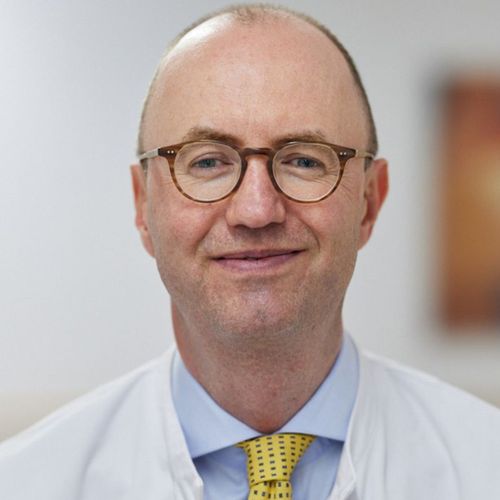
All diseases of the liver, pancreas, esophagus, colon, and stomach are treated with the university-level expertise of Professor Dr. Pascher and his team; the editorial staff of the Leading Medicine Guide spoke with him to learn more about this highly specialized program.
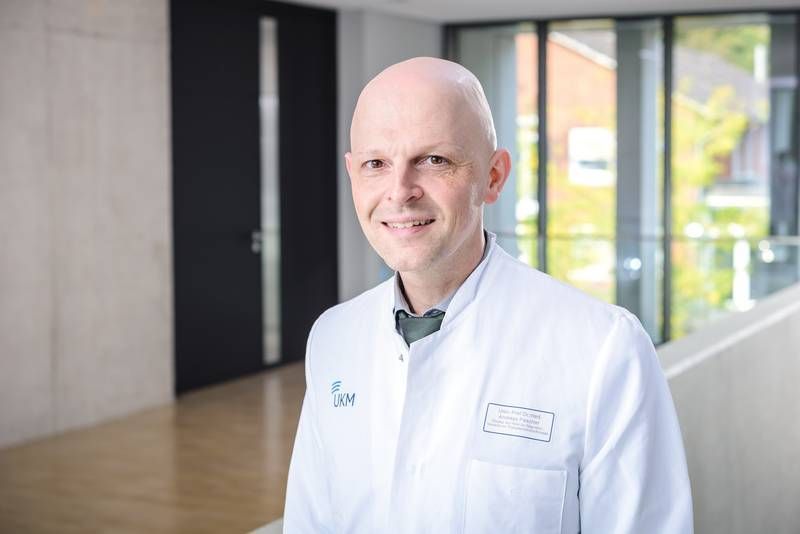
Rare tumor diseases and complex precancerous conditions place special demands on diagnosis and treatment. At the University Hospital of Münster, specialized teams work to strike the right balance between interventions initiated too early and those initiated too late, in order to both minimize risks and make the most of the chances for a cure.
“In principle, our work in visceral surgery at the University Hospital of Münster focuses primarily on the treatment of malignant diseases, their potential precursors, and complex clinical pictures. We specialize in rare tumor diseases and have established various centers for this purpose.
In addition, there are certain benign precursor conditions or hereditary disorders that are not yet necessarily malignant but carry a risk of transforming into cancer—so-called facultative precancerous conditions (tissue changes). Furthermore, there are precursor conditions and malignant diseases in which the course is obligatory—meaning that progression to cancer is virtually certain—such as certain types of colorectal polyps.
Furthermore, there are conditions that can progress to a malignant form only under certain conditions or when specific diagnostic indicators are present, such as cystic pancreatic diseases. This field is very complex, because we don’t want to operate too early—we must avoid performing surgery for a cystic pancreatic disease when there are still no signs of malignancy. At the same time, we must not wait too long.
This requires a high level of expertise and specialized teams capable of carefully weighing when an intervention is necessary. Striking this balance is precisely the art of treating such conditions,” explains Prof. Dr. Pascher at the beginning of our conversation, adding regarding diagnostics:
“Patients come to us through various channels. As a university hospital and a site of the Center of Excellence for Cancer at the West German Tumor Center (WTZ) in Münster, we work closely with a network of private practices, such as those specializing in gastroenterology, oncology, or other fields. Many patients are referred by these practices after undergoing complex preliminary diagnostics, so they can receive further diagnostic or therapeutic steps from us. Other patients come directly to us—for example, from general medical specialties—and undergo comprehensive diagnostics here for the first time.
Highly specialized examinations—such as complex endoscopies, endo-hepatology procedures for diagnosing liver or pancreatic diseases, whole-body PET-CT scans, or endoscopic procedures using AI-assisted technology and special dyes to detect early-stage tumors—are performed exclusively at our facility. Increasingly, patients are also contacting us on their own initiative, as they are specifically seeking centers that specialize in certain diagnoses and therapies, have certified quality management systems, and offer, for example, minimally invasive or robotic procedures. This results in a wide variety of ways in which patients find their way to our center.”
The University Hospital of Münster has 17 surgical departments with 44 operating rooms across six different locations.
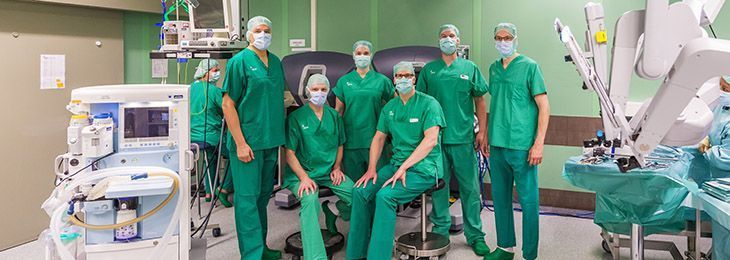
To be certified as a Center of Excellence in Oncology at the University Hospital of Münster, strict quality criteria must be met—including high case volumes, interdisciplinary tumor conferences, structured treatment pathways, documented outcomes, and active clinical research. Following certification, continuous improvement measures such as annual audits, quality reports, patient surveys, and the implementation of new guidelines ensure a consistently high quality of care.
“We meet both national and international standards, such as those of the German Society for General Visceral Surgery, the German Cancer Society, and European certifications for rare tumors such as neuroendocrine tumors (Center of Excellence). Our focus is on the visceral organs—from the esophagus, stomach, liver, and pancreas, through the intestines, to soft-tissue tumors such as sarcomas.
A key criterion is meeting minimum case volume requirements, as the quality of treatment is closely linked to experience and routine. Certified centers like ours can provide comprehensive infrastructure and expertise available at all times—in surgery, endoscopy, radiology, and intensive care medicine. Of particular note is our Center for Precision Oncology: Here, we use molecular biology techniques to identify individual tumor patterns and apply targeted immunotherapies alongside conventional chemotherapy.
This approach is becoming increasingly important, particularly for tumors of the abdominal organs. In addition, treatment outcomes are continuously documented. We evaluate not only the success of the surgery but also the patients’ progress after 30 days, three months, and six months, as well as their subjective quality of life. Another key component is interdisciplinary collaboration: We hold nearly 30 tumor board meetings per week, six to seven of which are dedicated solely to abdominal organs.
During these conferences, diagnoses, treatment recommendations, and treatment plans are discussed, documented, and implemented. “Through these measures, we ensure that patients receive the best possible care and that treatment is scientifically sound, structured, and quality-assured,” emphasizes Prof. Dr. Pascher.
ENETS certification is a seal of quality from the European Neuroendocrine Tumor Society. It is intended exclusively for centers that care for patients with neuroendocrine tumors. These tumors are rare, complex, and require highly specialized, interdisciplinary care. For a center to be recognized as an “ENETS Center of Excellence,” it must meet strict criteria: These include a high volume of cases, close collaboration among various specialties (oncology, endocrinology, gastroenterology, surgery, radiology, pathology), access to modern diagnostic procedures, and participation in clinical research. The certification is regularly reviewed and renewed to ensure sustained quality.
“Here in Münster, as a university hospital, we face the challenge of treating highly complex conditions such as cancer and managing transplants while making optimal use of our resources. We therefore work closely with surrounding hospitals: Less complex cases are distributed regionally, while we focus on the difficult cases. This allows us to provide patients with rapid access to specialized treatments—our goal is for everyone with a malignant disease to receive a surgery appointment within two weeks.
Medical reports and imaging results are submitted in advance, and telephone or video conferences are used for preparation before patients are examined on-site. Diagnoses are discussed and treatment recommendations are determined during weekly tumor board meetings. Today, we perform many procedures using minimally invasive and robot-assisted techniques, supported by specialized teams and state-of-the-art infrastructure.
This close collaboration also extends to training: colleagues rotate between the hospitals to share knowledge and experience. Patients benefit from this not only medically but also regionally—after complex procedures, they can receive follow-up chemotherapy or rehabilitation close to home. “The goal is an integrated care model that combines the expertise of a center with regional proximity, operates efficiently, and optimizes the patient journey,” explains Prof. Dr. Pascher.
Certified ERAS (Enhanced Recovery After Surgery) programs have established themselves in recent years as groundbreaking for the surgical treatment of complex tumor diseases and organ surgeries. For patients with diseases of the esophagus, stomach, pancreas, and liver, these programs offer a number of clear advantages over conventional surgical approaches, affecting both immediate recovery and long-term quality of life.
Specialized centers such as the certified Sarcoma and ENETS (European Neuroendocrine Tumor Society) Center focus on rare tumor diseases whose treatment requires extensive experience and is generally not widely available.
Prof. Dr. Pascher explains: “Sarcomas, especially those in the abdomen, can be very large and involve multiple organs. The key here is not to resort to surgery reflexively, but to involve all relevant disciplines, precisely characterize the disease, and, where possible, first shrink the tumors with medication before performing a precise surgical procedure. Centralization provides significant added value for patients: better diagnostics, access to molecular analyses, innovative therapeutic approaches, and clinical trials that would otherwise not be available.
Neuroendocrine tumors also require a high degree of expertise, as they can occur in virtually any organ and are very rare. These conditions are discussed collectively in specialized tumor boards, often in close collaboration with human genetics, pathology, and centers for personalized medicine. International data show that centralized treatment significantly improves patient survival—sometimes for years or even decades.
Countries such as Denmark, France, and England have already implemented this at the national level, while Germany, with its federal structure, has not yet adopted this model in this form. Centralization and specialized expertise thus ensure the best possible treatment outcomes for patients with rare tumors.”
Clinical trials are of central importance for the development of new therapies for sarcomas and other rare oncological diseases. Since sarcomas are highly heterogeneous and rare overall, there is often a lack of large patient cohorts that would be necessary for standardized therapies. Clinical trials provide the foundation for systematically testing which new drugs, surgical procedures, or combination therapies are actually effective and safe.
“At the University Hospital of Münster, clinical trials play a central role in research and the development of new therapies. Studies examining various aspects of treatment are continuously underway for nearly every type of tumor or organ. One area of focus is preoperative therapy, known as neoadjuvant therapy, in which tumors are shrunk with medication prior to surgery—for example, in cases of esophageal, gastric, pancreatic, or liver cancers, as well as sarcomas.
In addition, there are studies on post-treatment—known as adjuvant therapy—and on testing new classes of drugs, such as immunotherapies, which are used in a targeted manner and are often better tolerated than traditional chemotherapies. Furthermore, clinical trials are used to develop optimized perioperative care concepts, such as the ERAS (Enhanced Recovery After Surgery) programs. The goal is to accelerate recovery after surgery, for example through targeted prehabilitation involving nutritional and respiratory therapy, physical activity, or abstaining from alcohol and nicotine.
During hospitalization, specialized nurses, physical therapists, psycho-oncologists, and dietitians support patients to facilitate mobility, help them cope with their illness, and monitor treatment progress. The integration of pharmacists into the team also helps optimize medication use and manage side effects. The data collected in this way contributes to the further development of treatment standards both nationally and internationally.
“Clinical studies at the University Hospital of Münster thus not only serve individual patient care but also make a decisive contribution to advancing scientific knowledge and continuously improving the treatment of rare and complex tumor diseases,” Prof. Dr. Pascher explains.
New digital technologies, data science, and artificial intelligence open up opportunities to improve patient care and make the healthcare system more efficient.
“Artificial intelligence can help us make decisions. Medicine can be so complex that it is impossible to take all relevant information into account in a short amount of time in order to make the best possible decision. For example, when sitting at a molecular tumor board in a center for personalized medicine, so much data is analyzed and documented for each patient that a single person could not possibly process it all within the limited time available.
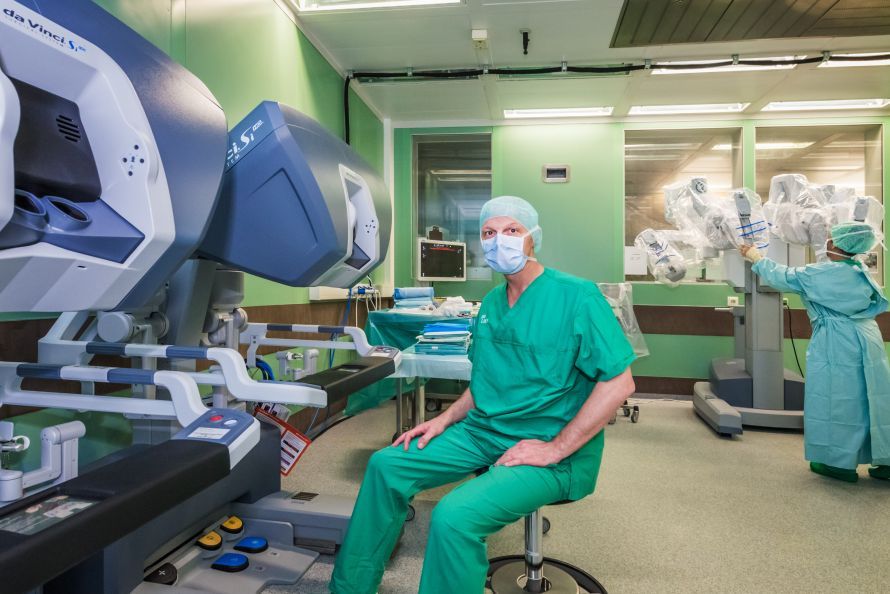
This is exactly where such systems come into play. Even in the operating room, when we work with robotic systems, artificial intelligence helps us develop optimized surgical procedures while simultaneously training our next generation of surgeons. You can think of it like aviation: No one would want to board a plane knowing that the pilot is flying it for the first time. Instead, pilots train intensively on simulators, learning how to handle difficult weather conditions and land the plane safely.
In exactly the same way, we use simulators and digital support systems in surgery today. To do this, we need powerful computers and immense amounts of data. These systems must be developed, maintained, and constantly updated—much like a flight simulator, which is continuously improved. This is the core of digitalization in healthcare, particularly in surgery.
“Data science is a crucial topic for the future that helps us immensely in focusing on what matters most: optimal patient care,” said Prof. Dr. Pascher, who is also the spokesperson for the UKM Robotics Center.
With its 5,000th robot-assisted surgery in September 2025, the UKM (University Hospital Münster) reached a significant milestone in the further development of innovative surgical procedures.
Of course, data protection also plays a role, especially when exchanging patient data between hospitals.
“For example, a patient comes to us from Hospital A, and the documents must be transmitted securely. There are clearly defined procedures for this, such as via the electronic health card, and imaging and medical data are also transmitted in encrypted form. When such data is processed for expert systems, it is always anonymized so that the individual patient can no longer be identified.
Furthermore, any use of such data takes place within the framework of studies for which the individuals concerned have given their consent. Patient consent is the fundamental prerequisite for any research involving medical data. It is important that data protection does not hinder medical progress. We therefore need sensible compromises: On the one hand, data protection standards must be adhered to; on the other hand, this must not restrict the further development of medicine so that we can achieve the greatest possible benefit for people,” states Prof. Dr. Pascher, adding at the end of our conversation:
“As a matter of principle, I always tend to view challenges as solvable tasks. However, the challenges are indeed significant because many demands are placed on us. We must transform ourselves—both structurally and in the way we work. Our healthcare system is among the most expensive in the world, yet we cannot claim to be one of the most efficient.
For many years, we have operated within a system where profitability was the primary concern and hospitals competed against one another. That is not a sustainable model. We must work together—not only among hospitals, but also with private practices and medical care centers (MVZs), that is, the large networks in the outpatient sector. Without this cooperation, the system will not function.
In addition, we must face the current challenges, both economically and in the area of digitalization. I am fundamentally optimistic, as challenges can be overcome. It is not helpful to simply point out problems or list reasons why something cannot work. What matters is keeping the goal in mind and focusing on the path to it as well as the possible solutions. What would be extremely helpful—not just for the healthcare system in Germany—is a shift in mindset. We should focus on what we specifically need to achieve solutions, rather than constantly emphasizing only the obstacles. With this mindset, most challenges can be overcome.
These basic principles also apply to our second major area of focus, the transplant center. Without going into detail here, the same basic principles can be applied to the processes there, for example, to transplant conferences. The underlying conceptual and philosophical framework—the commitment to the highest quality of care and a patient-centered approach—applies equally to the transplant program.”
Thank you very much, Professor Dr. Pascher, for your helpful explanations about your work at the University Hospital of Münster!
- University Hospital Münster: A leader in abdominal surgery and robotics.
- Prof. Dr. Andreas Pascher: Expert in liver, pancreas, esophagus, and rare tumors; heads the visceral transplantation program.
- Areas of expertise: Tumor surgery, robotic procedures, neuroendocrine tumors.
- Minimally invasive and robot-assisted procedures for optimal results.
- Center for Cancer: Close collaboration with regional partners.
- Research & Teaching: Training of new physicians; focus on regenerative medicine.
- Award: 2017 Von Langenbeck Prize for surgical achievements.
Share this article
About the medical author
Alexandra Pfitzmann
Editor
Alexandra Pfitzmann – medical author: expert knowledge, professional articles and medical insights in the Leading Medicine Guide.
More about the medical author →Expert Interviews
Read next
- Expert Interviews
Expert Interview with Professor Dr. Amadeus Hornemann, MPH
Sep 18, 2026
Prof. Amadeus Hornemann on Precision Medicine in Gynecology: Modern Surgery, New Techniques, Better Quality of Life
Read more - Expert Interviews
Expert Interview with Professor Dr. Konstantinos Anagnostakos
Sep 15, 2026
Prof. Anagnostakos on Painful Knee Replacements
Read more - Expert Interviews
Expert Interview with Professor Karl Philipp Kutzner, M.D.
Sep 11, 2026
Prof. Kutzner on Cutting-Edge Endoprosthetics at ENDOPROTHETICUM Mainz
Read more