
Clinic · Münster
Universitätsklinikum Münster
Specialist in liver surgery, pancreatic surgery, gastric, intestinal and esophageal surgery, oncological and robotic surgery in Münster
Waldeyerstraße 1, 48149 Münster
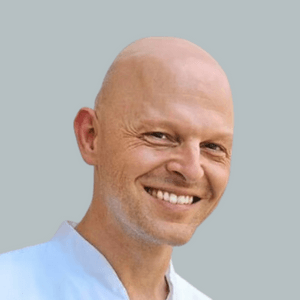
Our specialists
Stellv. Klinikdirektort: Prof. Dr. med. Benjamin Strücker
Geschäftsführender Oberarzt: PD Dr. med. Philipp Houben
Stellv. Klinikdirektor: PD Dr. med. Jens Peter Hölzen
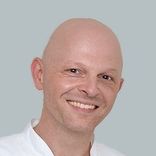
Univ.-Prof. Dr. med. Andreas Pascher
Areas of focus
- Tumor surgery (liver, pancreas, esophagus, stomach, peritoneal carcinomatosis)
- Robotic surgery (pancreas, liver, esophagus, stomach)
- Neuroendocrine tumors
- Visceral transplant surgery (liver, kidney, pancreas, intestine)
- Second opinion
Univ. Prof. Pascher is an outstanding specialist in all issues concerning the liver, pancreas, esophagus, stomach, and rare tumors (neuroendocrine tumors, sarcomas), and also in advanced tumor stages (oligometastasis, peritoneal carcinomatosis). He is considered a leading expert in the field of various tumor diseases of the abdominal cavity as well as robot-assisted surgery. He also heads one of the leading centers in visceral transplantation.
About the clinic
Anyone in the Münster/Westphalia region who has to deal with diseases of the abdominal organs turns to a name that is well-known in the surrounding area: Münster University Hospital "stands for cutting-edge medicine and is one of the most successful maximum-care providers in the country", as the UKM emphasises. The Northwest German Abdominal Center, which is affiliated with the Clinic for General, Visceral and Transplant Surgery, enjoys a special reputation. The abdominal center and clinic are part of the West German Tumor Center (WTZ), network partner Münster. The clinic, like the center, is headed by a highly specialized physician who treats all diseases of the liver, pancreas, esophagus, intestine and stomach with university-level expertise – Univ.-Prof. Dr. med. Andreas Pascher.
The Northwest German Abdominal Center is considered a pioneering institution for all diseases in the abdominal cavity – and a prime example of contemporary high-performance medicine. When Univ. Prof. Dr. Andreas Pascher became Director of the Department of General, Visceral and Transplant Surgery at Münster University Hospital in 2018, the tradition-rich hospital entered a new era of abdominal surgery. The clinic director brought some new ideas from time he previously spent at the Charité hospital in Berlin.
For Univ. Prof. Pascher, the patients are at the forefront of all medical considerations. This is why he almost always uses minimally invasive surgical techniques even for complex procedures: Whether it is difficult operations on the pancreas or esophagus, the treatment of liver cancer or stomach surgery – he always makes a point of proceeding as gently as possible on the organs and using his surgical skills to keep the length of people’s stay as short as possible.
Gastrointestinal tract: Trend-setting surgical procedures
People in the Westphalian region benefit from the innovative surgical methods, for which Univ. Prof. Pascher also likes to use robotic support, for a number of reasons. The high level of expertise at the UKM Robotics Center and the surgical precision achieved as a result lead to improved prognosis and organ protection, as well as a reduction in pain and healing times. Particularly in delicate operations on the esophagus, liver or pancreas, for example, the sophisticated robot technology acts as an arm-extension for the specialist. The head of the clinic and his team also benefit from navigation aids and assistance systems, which allow him to operate with millimeter precision while setting new standards time and again. The clinic director and his team use gentle surgical techniques for all diseases of the abdominal cavity – both benign and malignant. In the case of cancer, one of Prof. Dr. Andreas Pascher’s other specialities comes into play: He is also considered an absolute luminary in rare tumor diseases of the gastrointestinal tract and one of Europe’s leading surgeons in the field of neuroendocrine tumors. He also has a lot of experience in reconstructive surgery of the abdomen and intestinal rehabilitation. The clinic is one of only a few in Europe to offer a complete visceral transplant program. Besides liver and kidney, pancreas and intestine are also transplanted. The clinic is also one of the most active clinics in Europe when it comes to researching machine perfusion to preserve and improve post-mortem donated organs before organ transplantation.
Visceral Oncology Center: Treatment of cancer in regional and national cooperation
For cancers of the gastrointestinal tract, Münster University Hospital is certified as a Visceral Oncology Center. The Northwest German Abdominal Center and the Visceral Oncology Center belonging to it, both headed by Univ. Prof. Pascher, work very closely with partners in the region and beyond. For complex and advanced cancers of the abdominal organs, a second-opinion portal was set up, located in the newly created North Rhine-Westphalia virtual hospital, to answer questions on the operability (resectability) of liver tumors and liver metastases. Alongside all the minimally invasive and robotic surgical procedures, the Department of General, Visceral and Transplant Surgery also offers all kinds of open complex surgical procedures for extended liver and pancreas operations. These include procedures with complex vascular reconstructions and two-stage procedures in liver resection, such as the so-called ALPPS technique.
As a contemporary high-performance physician, interdisciplinary and interprofessional cooperation plays a major role for Univ.-Prof. Pascher. The expertise of top-class cooperation partners in gastroenterology, hepatology, nephrology, endoscopy oncology, radiation medicine, interventional radiology, pathology and other important partners in the West German Tumor Center, the German Visceral Transplant Center and the UKM Robotics Center is available at the UKM to this end. Particular attention is paid to the future-oriented development of cooperation with the nursing professions, especially in the fields of oncology and transplantation medicine. The clinic, headed by Prof. Andreas Pascher, assumes a pacemaker function for the development of interprofessional projects within the framework of the Magnet Hospital at the UKM.
Research, teaching, practice: Pioneering the future of medicine
Prof. Dr. Andreas Pascher's approach to university medicine also includes research and teaching. He is involved in both theoretical and practical training, for example in teaching organ-preserving surgical techniques or in training with the VR simulation trainer for laparoscopy and robotics. Within a very short time, the robotics center has developed into an international observation center where colleagues from other hospitals receive training. The most cutting-edge studies on cancers of the liver, pancreas, upper gastrointestinal tract and intestine are offered in the environment of the WTZ site in Münster. Prof. Pascher is co-responsible for developing more than 20 international guidelines in the field of neuroendocrine tumor diseases and has helped to establish the position of European consultant for neuroendocrine-oriented specialists. The specialist also has the coming generations of medical professionals in mind when it comes to transplant surgery: For him, the need for donor organs is one of the key issues that needs addressing in the future, which is also reflected in his research. For example, he is working on the machine perfusion of liver and kidney, the production of artificial organs and the regeneration of existing organs by means of cell transplantation. For his scientific achievements in the field of small bowel and multivisceral transplantation, he received the Von Langenbeck Prize, the highest award of the German Society for Surgery, in 2017.
The Northwest German Abdominal Center is considered a pioneering institution for all diseases in the abdominal cavity – and a prime example of contemporary high-performance medicine. When Univ. Prof. Dr. Andreas Pascher became Director of the Department of General, Visceral and Transplant Surgery at Münster University Hospital in 2018, the tradition-rich hospital entered a new era of abdominal surgery. The clinic director brought some new ideas from time he previously spent at the Charité hospital in Berlin.
For Univ. Prof. Pascher, the patients are at the forefront of all medical considerations. This is why he almost always uses minimally invasive surgical techniques even for complex procedures: Whether it is difficult operations on the pancreas or esophagus, the treatment of liver cancer or stomach surgery – he always makes a point of proceeding as gently as possible on the organs and using his surgical skills to keep the length of people’s stay as short as possible.
Gastrointestinal tract: Trend-setting surgical procedures
People in the Westphalian region benefit from the innovative surgical methods, for which Univ. Prof. Pascher also likes to use robotic support, for a number of reasons. The high level of expertise at the UKM Robotics Center and the surgical precision achieved as a result lead to improved prognosis and organ protection, as well as a reduction in pain and healing times. Particularly in delicate operations on the esophagus, liver or pancreas, for example, the sophisticated robot technology acts as an arm-extension for the specialist. The head of the clinic and his team also benefit from navigation aids and assistance systems, which allow him to operate with millimeter precision while setting new standards time and again. The clinic director and his team use gentle surgical techniques for all diseases of the abdominal cavity – both benign and malignant. In the case of cancer, one of Prof. Dr. Andreas Pascher’s other specialities comes into play: He is also considered an absolute luminary in rare tumor diseases of the gastrointestinal tract and one of Europe’s leading surgeons in the field of neuroendocrine tumors. He also has a lot of experience in reconstructive surgery of the abdomen and intestinal rehabilitation. The clinic is one of only a few in Europe to offer a complete visceral transplant program. Besides liver and kidney, pancreas and intestine are also transplanted. The clinic is also one of the most active clinics in Europe when it comes to researching machine perfusion to preserve and improve post-mortem donated organs before organ transplantation.
Visceral Oncology Center: Treatment of cancer in regional and national cooperation
For cancers of the gastrointestinal tract, Münster University Hospital is certified as a Visceral Oncology Center. The Northwest German Abdominal Center and the Visceral Oncology Center belonging to it, both headed by Univ. Prof. Pascher, work very closely with partners in the region and beyond. For complex and advanced cancers of the abdominal organs, a second-opinion portal was set up, located in the newly created North Rhine-Westphalia virtual hospital, to answer questions on the operability (resectability) of liver tumors and liver metastases. Alongside all the minimally invasive and robotic surgical procedures, the Department of General, Visceral and Transplant Surgery also offers all kinds of open complex surgical procedures for extended liver and pancreas operations. These include procedures with complex vascular reconstructions and two-stage procedures in liver resection, such as the so-called ALPPS technique.
As a contemporary high-performance physician, interdisciplinary and interprofessional cooperation plays a major role for Univ.-Prof. Pascher. The expertise of top-class cooperation partners in gastroenterology, hepatology, nephrology, endoscopy oncology, radiation medicine, interventional radiology, pathology and other important partners in the West German Tumor Center, the German Visceral Transplant Center and the UKM Robotics Center is available at the UKM to this end. Particular attention is paid to the future-oriented development of cooperation with the nursing professions, especially in the fields of oncology and transplantation medicine. The clinic, headed by Prof. Andreas Pascher, assumes a pacemaker function for the development of interprofessional projects within the framework of the Magnet Hospital at the UKM.
Research, teaching, practice: Pioneering the future of medicine
Prof. Dr. Andreas Pascher's approach to university medicine also includes research and teaching. He is involved in both theoretical and practical training, for example in teaching organ-preserving surgical techniques or in training with the VR simulation trainer for laparoscopy and robotics. Within a very short time, the robotics center has developed into an international observation center where colleagues from other hospitals receive training. The most cutting-edge studies on cancers of the liver, pancreas, upper gastrointestinal tract and intestine are offered in the environment of the WTZ site in Münster. Prof. Pascher is co-responsible for developing more than 20 international guidelines in the field of neuroendocrine tumor diseases and has helped to establish the position of European consultant for neuroendocrine-oriented specialists. The specialist also has the coming generations of medical professionals in mind when it comes to transplant surgery: For him, the need for donor organs is one of the key issues that needs addressing in the future, which is also reflected in his research. For example, he is working on the machine perfusion of liver and kidney, the production of artificial organs and the regeneration of existing organs by means of cell transplantation. For his scientific achievements in the field of small bowel and multivisceral transplantation, he received the Von Langenbeck Prize, the highest award of the German Society for Surgery, in 2017.
Admission criteria
- At least 10 years of surgical and treatment experience
- Expertise in modern diagnostic and surgical procedures
- An outstanding treatment focus within your own specialist area
- Member of a leading national professional association
- Leading professional position
- Active participation in specialist events (e.g. lectures)
- Active in research and teachin
- Evaluated quality management (e.g. certification)
Expert interviews
- Expert Interview with Univ.-Prof. Dr. med. Andreas Pascher (opens in a new tab)Excellence in Oncology: Center for Esophageal, Gastric, Pancreatic, and Liver Diseases with Certified ERAS Programs and Specialized Centers for Peritoneal Carcinomatosis, NETs, and Sarcomas
- "Only through an interdisciplinary approach can we offer the best possible and most comprehensive therapies!" (opens in a new tab)Prof. Pascher: “Only through an interdisciplinary approach can we offer the best possible treatments!”
Facts & experience
- Liver metastases surgery (Liver Surgery)
over 500
- Liver cancer surgery (Liver Surgery)
over 500
- Liver surgery (Liver Surgery)
over 1000
- Minimal invasive biliary surgery (Liver Surgery)
over 500
- Minimally invasive liver surgery (Liver Surgery)
over 500
- Liver resection (Liver Surgery)
over 1000
- Number of robotic HPBs (Liver Surgery)
over 400
- TULC (laparoscopic gallbladder removal) (Liver Surgery)
over 500
- Cholezystectomy (Liver Surgery)
over 1000
- Liver transplantation (Liver Surgery)
over 500
- Pancreatic cancer surgery (Surgical Oncology)
over 500
- Cancer therapy (Surgical Oncology)
over 1000
- Liver cancer surgery (Surgical Oncology)
over 500
- Liver metastases surgery (Surgical Oncology)
over 500
- Gastric cancer surgery (Surgical Oncology)
over 300
- Peritonectomy (Surgical Oncology)
over 200
- Tumor surgery (Surgical Oncology)
over 3000
- Pancreatic head resections and total pancreatectomies (Pancreatic Surgery)
over 500
Minimum requirement: 25
- Pancreatic left and segmental resections (Pancreatic Surgery)
over 300
Minimum requirement: 5
- Other pancreatic procedures for the treatment of pancreatitis (Pancreatic Surgery)
over 150
Minimum requirement: 10
- Hospital mortality (Pancreatic Surgery)
under 2%
- Ulcerative colitis surgery (Intestinal Surgery)
over 150
- Bowel resection (Intestinal Surgery)
over 1000
- Colorectal surgery (Intestinal Surgery)
over 500
- Rectal surgery (Intestinal Surgery)
over 300
- Colon cancer surgeries (Intestinal Surgery)
over 500
- Colon surgery (Intestinal Surgery)
over 400
- Minimal invasive intestinal surgery (Intestinal Surgery)
over 1000
- Minimally invasive esophageal surgery (Esophageal Surgery)
over 400
- Esophageal surgery (Esophageal Surgery)
over 600
Video presentation
Location
How to reach Universitätsklinikum Münster

Waldeyerstraße 148149 MünsterGermany
Specialisation
The medical spectrum of Universitätsklinikum Münster
Diseases
- Hepatitis (opens in a new tab)
- Hepatitis B (opens in a new tab)
- Hepatitis C (opens in a new tab)
- Jaundice (opens in a new tab)
- Peritoneal Cancer (opens in a new tab)
- Pancreatic Cancer (opens in a new tab)
- Colon Cancer (opens in a new tab)
- Intestinal polyps (opens in a new tab)
- Colon Cancer (Colonic Carcinoma) (opens in a new tab)
- Gallbladder Cancer (opens in a new tab)
- Bile Duct Carcinoma (opens in a new tab)
- Liver Cancer (opens in a new tab)
- Liver metastases (opens in a new tab)
- Stomach Cancer (opens in a new tab)
- Kidney Cancer (opens in a new tab)
- Esophageal Cancer (Esophageal Carcinoma) (opens in a new tab)
- Pancreatic Diseases (opens in a new tab)
- Appendicitis (opens in a new tab)
- Cholangitis (opens in a new tab)
- Cholestasis (opens in a new tab)
- Intestinal Wall Hernia (opens in a new tab)
- Fatty Liver (opens in a new tab)
- Cholangitis (opens in a new tab)
- Gallbladder Disorders (opens in a new tab)
- Biliary colic (opens in a new tab)
- Gallstones (opens in a new tab)
- Bile duct disorders (opens in a new tab)
- Liver Diseases (opens in a new tab)
- Liver Diseases in Children (opens in a new tab)
- Liver fibrosis (opens in a new tab)
- Liver failure (opens in a new tab)
- Cirrhosis of the liver (opens in a new tab)
- Crohn's disease (opens in a new tab)
- Pancreatitis (opens in a new tab)
- Intestinal Obstruction (Paralytic Ileus) (opens in a new tab)
- Reflux Disease (opens in a new tab)
- Esophageal disease (opens in a new tab)
- Duodenal ulcer (opens in a new tab)
- Ulcerative colitis (opens in a new tab)
- Perforations in the gastrointestinal tract (opens in a new tab)
- Short Bowel Syndrome
- Liver Tumors (Adenoma; FNH, Hemangioma)
- Oligometastasis
Treatments
- Ulcerative Colitis Surgery (opens in a new tab)
- Endocrine Surgery (opens in a new tab)
- Stomach Cancer Surgery (opens in a new tab)
- Colostomy (opens in a new tab)
- Surgical Oncology (opens in a new tab)
- Colorectal Surgery (opens in a new tab)
- Pancreas Transplant (opens in a new tab)
- Liver Surgery (opens in a new tab)
- Liver Transplant (opens in a new tab)
- Kidney Transplant (opens in a new tab)
- Pancreatic Surgery (opens in a new tab)
- Peritonectomy (opens in a new tab)
- Colon Surgery (opens in a new tab)
- Rectal Surgery (opens in a new tab)
- Liver Cancer Surgery (opens in a new tab)
- Minimally Invasive Colorectal Surgery (opens in a new tab)
- Minimally Invasive Liver Surgery (opens in a new tab)
- Minimally Invasive Biliary Surgery (opens in a new tab)
- Minimally Invasive Pancreatic Surgery (opens in a new tab)
- Pancreatic Cancer Surgery (opens in a new tab)
- Pancreatitis Surgery (opens in a new tab)
- Laparoscopic Pancreatic Surgery (opens in a new tab)
- Surgery for Liver Metastases (opens in a new tab)
- Cholecystectomy (opens in a new tab)
- Vagotomy (opens in a new tab)
- Intestinal resection (opens in a new tab)
- Liver resection (opens in a new tab)
- Percutaneous Transhepatic Cholangiography (PTC) (opens in a new tab)
- Antireflux surgery (opens in a new tab)
- Fundoplication (opens in a new tab)
- TULC (Laparoscopic Cholecystectomy) (opens in a new tab)
- Colon Cancer Surgery (opens in a new tab)
- Cancer Treatment (opens in a new tab)
- Palliative Care for Colon Cancer (opens in a new tab)
- Single-Port Technique in Gallbladder Surgery (opens in a new tab)
- Esophageal Surgery (opens in a new tab)
- Minimally Invasive Esophageal Surgery (opens in a new tab)
- Peritonectomy and HIPEC
- Gut Transplant
- PIPAC
- Robotic Surgery of the Colon and Rectum
- Robotic Liver Surgery
Diagnostics
Areas of Expertise
Universitätsklinikum Münster
Specialist in liver surgery, pancreatic surgery, gastric, intestinal and esophageal surgery, oncological and robotic surgery in Münster