In Europe, many millions of people suffer from chronic liver disease. Cirrhosis is a condition characterized by scarring of the liver. It is one of the four leading causes of disease-related death among adults aged 30 to 50.
In addition to alcohol, the main causes of chronic liver disease are viral hepatitis B and C. Hepatitis refers to inflammation of the liver.
In Europe, several thousand new cases of hepatitis B and C are estimated to occur each year. Prevalence of the hepatitis C virus is estimated at 0.5–5% (5–50 per 1,000 residents), depending on the country.
Background: The Liver
Weighing about 1,500 g, the liver is the largest internal organ in the human body. It is located in the upper right abdomen and is surrounded by a connective-tissue capsule. The liver is the body’s central metabolic organ.
Its functions include breaking down toxins before they enter the systemic circulation. The liver produces important proteins that are necessary, for example, for blood clotting and the body’s defense against infection.
Another important function is the production of bile, which is transported to the duodenum via a specialized duct system. Bile helps eliminate breakdown products of red blood cells and facilitates the digestion of fats. Various toxins are also excreted from the body via bile.
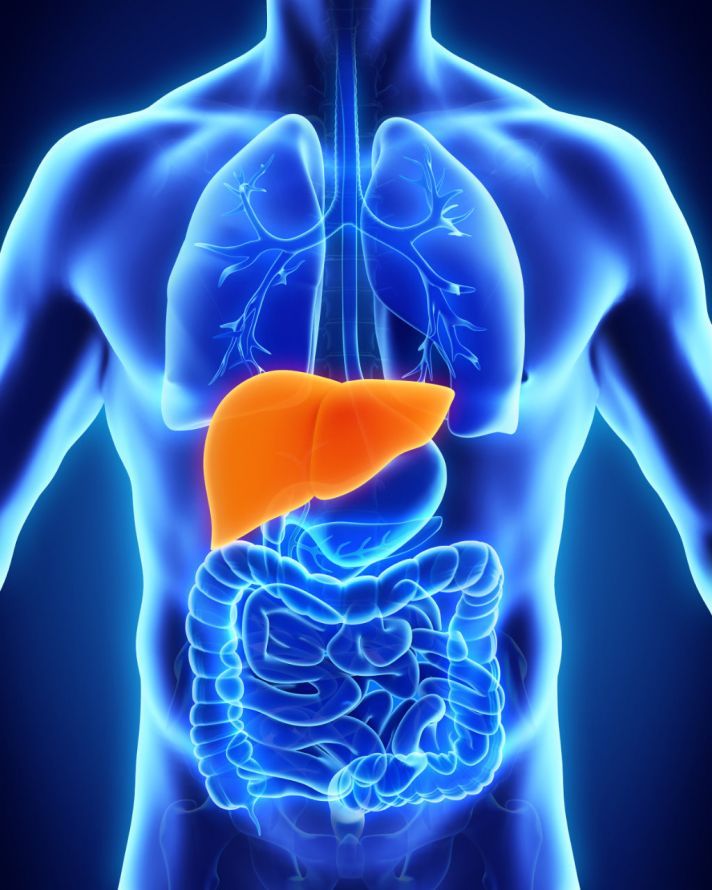
The liver itself contains no nerve fibers that could transmit pain. However, tension in the connective tissue capsule can lead to pain. This can occur, for example, when the liver swells or becomes scarred due to inflammatory processes.
Definition: What is viral hepatitis C?
Hepatitis C is a viral infection of the liver. The causative agent is the hepatitis C virus. The virus multiplies in the liver and is released into the bloodstream by the liver cells.
In about 60–80% of patients, the body’s immune system is unable to successfully fight off the virus. Hepatitis C then becomes chronic.
In the remaining 20–40% of patients, hepatitis C resolves on its own within half a year of infection without treatment.
Pathogenesis of Hepatitis C
In a chronic infection, the hepatitis viruses continuously infect new liver cells. As a sign of inflammation, white blood cells migrate into the liver tissue. They ensure that infected and dead liver cells are destroyed and cleared away. However, they are generally unable to eliminate the virus itself.
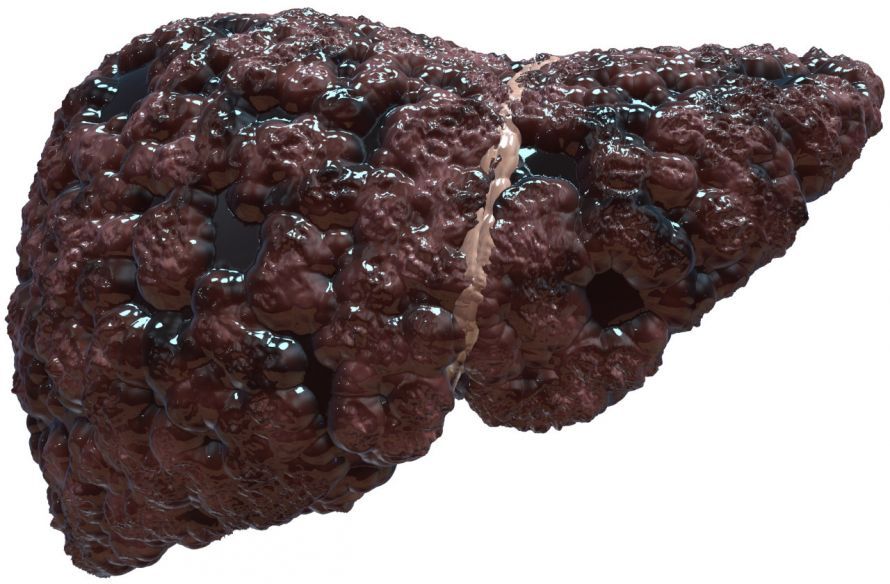
The dead liver cells can later be replaced by connective tissue (= scar tissue). If the liver undergoes connective tissue changes, the condition is referred to as liver fibrosis in the early stages and, later, as liver cirrhosis.
The body can no longer convert cirrhotic scar tissue back into liver tissue. As a result, the liver becomes increasingly scarred and gradually loses its ability to function.
Hepatitis C Infection
Infection with the hepatitis C virus usually occurs through direct or indirect contact with blood (parenteral transmission).
Before 1990, infection with the hepatitis C virus through the transfusion of blood and clotting products was not uncommon. Today, modern testing methods allow for the identification of hepatitis C-positive blood donors. The residual risk of hepatitis C infection through a blood transfusion is now minimal.
The virus can also be transmitted through contaminated syringes, such as during drug use. Other risk factors for infection with the hepatitis C virus include tattoos and piercings. Transmission can also occur through
- open wounds,
- razor blades, or
- toothbrushes
is also possible.
Sexual transmission of the virus is possible. However, the risk to sexual partners of infected patients is considered low. The risk of transmission depends on sexual behavior.
Transmission of the virus through intact skin or saliva has not been reported to date. Therefore, infection via dishes, glasses, or utensils is not a concern as long as they are not contaminated with blood.
Complications of Hepatitis C
Liver Cirrhosis
In approximately 30% of patients, chronic hepatitis leads to the development of liver cirrhosis in the years that follow. The risk of developing liver cirrhosis depends, among other factors,
- the patient’s age at the time of infection and
- the duration of the disease
. The disease often progresses more rapidly when infection occurs at an older age (over 40 years)
Risk factors for the development of liver cirrhosis include
- additional chronic liver diseases, such as those caused by other liver viruses (e.g., a concurrent infection with the hepatitis B virus) or
- substances that damage the liver in other ways. Alcohol is the primary culprit here.
Changes in blood flow
Cirrhosis of the liver is diagnosed when a large portion of the liver tissue has been replaced by connective tissue. This destroys the normal structure of the liver tissue, leading to changes in blood flow. These changes, in turn, can cause high blood pressure in the portal vein (the vein connecting the intestines to the liver).
Blood congestion can cause dilated veins (varices) to form in the esophagus and stomach. If these vessels rupture, severe gastrointestinal bleeding can occur. The risk of bleeding is exacerbated by impaired blood clotting. This is caused by reduced protein synthesis in the liver and a decrease in the number of blood platelets (thrombocytes).
Partly due to high blood pressure upstream of the liver, fluid may also accumulate in the abdominal cavity (ascites).
Further Damage
In cases of liver cirrhosis, the liver may no longer be able to fully break down the toxins that enter the bloodstream from the gastrointestinal tract. These toxins therefore enter the systemic circulation. There, they can lead to increased fatigue and difficulty concentrating (hepatic encephalopathy; encephalon = brain).
A cirrhotic liver produces less protein. This also results in insufficient production of substances needed for the body’s immune defense. For the affected individual, this means an increased susceptibility to infections.
Severe liver disease is often indicated by a yellowing of the eyes and skin (jaundice). This is caused by a buildup of bile. It is often accompanied by itching. At the same time, the urine may turn dark.

After a long course of the disease, the risk of developing liver cancer (hepatocellular carcinoma) also increases. In most patients, hepatocellular carcinoma develops as a result of liver cirrhosis. Therefore, regular ultrasound and blood tests are recommended.
In some cases, hepatitis C takes such a severe course that a liver transplant may become necessary.
A histological examination provides more detailed information about
- the activity of inflammation in the liver
- the extent of fatty liver disease, and
- the extent of connective tissue changes.
This requires the removal of liver tissue (liver biopsy). Indirect methods, such as elastography, can also accurately assess the extent of liver fibrosis.
Hepatitis C and Pregnancy
The risk of transmission of the hepatitis C virus from mother to child during pregnancy is considered low.
Transmission usually occurs only during childbirth. However, the probability of the newborn becoming infected with the hepatitis C virus is less than 5%. In patients who are also infected with the AIDS virus (HIV), the probability of transmission is higher.
Whether a hepatitis C infection can be transmitted through breastfeeding remains a matter of debate. However, most pediatricians do not generally advise HCV-infected mothers against breastfeeding.
Symptoms of Hepatitis C
The symptoms of hepatitis C are very mild; most patients do not notice the infection at all.
Some patients
- experience increased fatigue,
- feel run down and less productive, or
- experience discomfort in the upper right abdomen.
The development of jaundice is rather rare.
Diagnosis of Hepatitis C
Blood tests as part of hepatitis C diagnosis
The hepatitis C virus can be detected in the blood
- directly via its genetic material (RNA) or
- indirectly through the antibodies produced by the patient’s white blood cells
.
A positive RNA test result indicates an active infection. However, the presence of antibodies against the hepatitis C virus (anti-HCV) can
- indicate either a resolved hepatitis C infection
- as well as an ongoing, chronic infection
. In patients who have already recovered, antibodies may therefore still be detectable for a long time, but HCV RNA will not.
The basis for diagnosing hepatitis C is the detection of hepatitis C antibodies (anti-HCV). A patient is therefore anti-HCV-positive if they have hepatitis C virus antibodies in their blood.
In this case, direct viral detection should be performed, for example, using a test known as PCR (polymerase chain reaction). This is a highly sensitive test for detecting hepatitis C virus in the blood.
If antiviral therapy is being considered, it is also advisable to determine the amount of virus in the blood (viral load) and the genotype of the hepatitis C virus.
Liver function tests provide information—with certain limitations—about the inflammatory activity of hepatitis. However, normal liver function test results do not mean that chronic hepatitis C can be ruled out. Liver function tests are also performed to monitor progress during treatment.
Patients with chronic hepatitis C have an increased risk of developing liver cancer. Therefore, the tumor marker for hepatocellular carcinoma should be measured in the blood at regular intervals (every 6 to 12 months). Alpha-fetoprotein serves as the tumor marker. An ultrasound examination of the liver should be performed at similar intervals.
Liver Biopsy (Liver Puncture) and Hepatitis C
A liver puncture is useful for estimating
- the proportion of connective tissue fibers,
- the level of inflammation, and
- the degree of steatosis in the liver.
During a liver puncture, a small tissue sample is removed under local anesthesia. In the laboratory, it is examined microscopically (histologically).
A complete histological evaluation separately assesses inflammatory activity (grading) and the stage of fibrosis (staging).
“Healthy” hepatitis C virus carriers are defined as
- those with detectable virus in the blood,
- normal liver function tests, and
- a normal liver tissue sample
However, they are extremely rare.
In the majority of patients, signs of chronic hepatitis can be detected in the liver tissue even when liver function tests are normal.
Treatment of Hepatitis C
Drug Therapy
To halt the progression of the disease, treatment with interferon alfa is an option. It should be administered in combination with ribavirin whenever possible.
Ribavirin is a substance that inhibits hepatitis C viruses through a mechanism that has not yet been fully elucidated. It is effective only in combination with interferon alfa and is taken as a tablet or capsule. Ribavirin alone is not effective against hepatitis C viruses.
Interferon alfa is a protein produced naturally by the body, including by white blood cells. Its production increases, in particular, when the body needs to defend itself against infectious agents.
The interferon alfa used to treat viral hepatitis is produced biotechnologically. Interferon alfa must be injected into the subcutaneous fatty tissue.
An important factor in assessing a drug’s effectiveness is the response rate. The response rate is the number of patients in whom no virus is detectable in the blood during therapy.
An optimized effect is achieved by conjugating interferon alfa to polyethylene glycol (PEG) (pegylated interferon alfa, PEG-interferon alfa). The modified interferons remain active in the body for a longer period and therefore need to be injected only once a week.
The polyethylene glycol surrounds the interferon alfa like a “protective shield” against premature breakdown. This does not block the sites that are important for the interferon’s activity. As a result, a consistent therapeutic level can be maintained, and viral replication can be continuously suppressed over a longer period of time.
Clinical studies show that PEG-interferon alfa doubles the response rate compared to treatment with standard interferons. Combining PEG-interferon alfa with ribavirin can further increase response rates. This combination is also superior to the combination of standard interferons with ribavirin in terms of tolerability.
Dosages
The standard dosages for interferon alfa are as follows:
- Interferon alfa-2a: 3–6 million units three times a week
- Interferon alfa-2b: 3–5 million units three times a week
- PEG-interferon alfa-2a: 180 µg once weekly
- PEG-interferon alfa-2b: 1.0–1.5 µg/kg of body weight once a week
Your doctor should also adjust your ribavirin dose based on
- your blood count and
- your current body weight, as well as
- the HCV genotype
. It ranges from 800 to 1,200 mg daily, divided into two doses in the morning and evening. For patients in particularly severe condition, an even higher dose may be considered.
Treatment Protocol and Duration
The main goal of treatment is to render the hepatitis C virus undetectable, even using highly sensitive methods. The response rate to therapy with (PEG-)interferon alfa and ribavirin is initially 60–90%.
If patients initially respond to a medication, this does not necessarily mean the treatment will be successful. In some patients, the virus may recur either during treatment or after discontinuation of the medications.
Overall, therefore, the treatment success rate for (PEG-)interferon alfa and ribavirin therapy is 50–60%.
It is particularly important to take the medications regularly. If severe side effects occur during (PEG-)interferon alfa/ribavirin therapy, they can be treated with medication if necessary. Side effects also include depression.
The side effects of (PEG-)interferon alfa/ribavirin therapy subside rapidly after treatment ends. Therefore, the adjunctive therapy can also be discontinued quickly at that time.
Particularly good treatment outcomes can be achieved when treatment is started as early as possible. The progression of acute hepatitis C to a chronic condition can be prevented by a 24-week course of monotherapy with (PEG) interferon alfa.
Treatment is more successful in younger patients and those with a shorter duration of illness than in older patients. Patients who have already developed cirrhosis also do not respond as well. Last but not least, the duration of interferon therapy has a major influence on the success of treatment for chronic hepatitis C.
The German guidelines for the treatment of chronic hepatitis C (2004) recommend a 24-week course of therapy for patients with HCV genotype 2 or 3. For patients with HCV genotype 1 or 4, the duration of therapy should be 48 weeks.
Furthermore, a lower dose of ribavirin can be used in patients with genotypes 2 or 3 than in those with genotypes 1 or 4. Recent study results point to the possibility of improved, individualized therapy.
The recommended treatment duration can vary between 12 and 72 weeks, depending
- the HCV genotype,
- the viral load before the start of treatment, and
- the virologic response at week 4 of treatment.
Prognoses for the Chance of Cure
As early as four and twelve weeks into treatment, it is possible to assess the likelihood of sustained viral clearance. This assessment is based on the initial decline in viral load in the blood. Patients who have already achieved a 99% reduction in viral load during the first twelve weeks of treatment have a very good chance of cure.
Recent studies have shown that treatment with interferon alfa
- reduces the proportion of connective tissue fibers in the liver and
- the incidence of liver cancer is reduced.
This also applies to patients in whom the virus did not clear during therapy.
The German Liver Aid Association (Deutsche Leberhilfe e.V.) considers treatment with (PEG-)interferon alfa and, if necessary, ribavirin to be appropriate for all patients. This is provided that there are no additional medical conditions or other circumstances that would preclude such therapy.
The decision regarding the dose and duration of therapy should be evaluated on an individual basis by the treating physician.
Side Effects of Treatment with (PEG-)Interferon alfa and Ribavirin
Side effects frequently occur at the start of treatment with (PEG-)interferon alfa. They generally subside significantly as treatment progresses.
The most common side effects are flu-like symptoms such as
- fever,
- headaches, joint and muscle pain,
- fatigue,
- loss of appetite, and
- weight loss.

Fatigue and a general feeling of being unwell are among the possible side effects of hepatitis C treatment © Justlight | AdobeStock
Occasionally, there may also be
- disorders of thyroid function,
- particularly dry skin
- temporary hair loss
- mood changes, and even depression
Also important are changes in blood counts, which primarily affect white blood cells.
Patients should consult their treating physician regularly during therapy and report all side effects in detail. Many side effects can be managed through
- dose adjustments or
- the (temporary) prescription of additional medications
. Before treatment is completely discontinued due to intolerance or side effects, all other options should first be exhausted.
Allergic reactions can be triggered by both (PEG-)interferon alfa and ribavirin. A common side effect of ribavirin is temporary anemia. Regular blood count checks are therefore absolutely necessary.
It cannot be ruled out that ribavirin increases the risk of fetal malformations. Patients receiving ribavirin therapy must therefore use a reliable method of contraception during treatment and for up to six months after the end of treatment.
Treatment cannot be administered to women who are already pregnant before the start of therapy.
What should be considered during treatment with (PEG-)interferon alfa and ribavirin?
During treatment with (PEG-)interferon alfa, regular monitoring of
- liver function tests (GPT, GOT),
- blood count, and
- thyroid function
. After four and twelve weeks of treatment, the viral load (HCV-RNA) in the blood should also be measured.
Based on the results, a decision will be made as to whether the treatment is likely to be successful and how long it should be continued.
Are there alternative treatment options?
The (PEG-)interferon alfa therapy described above is currently the only way to eliminate the virus from the body.
In addition, success stories involving so-called alternative substances are frequently reported. However, there are no controlled studies examining the efficacy of these medications and methods. Therefore, all information on this subject is based on anecdotal reports.
Substances used to treat liver diseases include, for example,
- milk thistle extracts (silibinin),
- Phyllanthus amarus, a remedy used in Ayurvedic medicine,
- solanine, or
- Äbrotanum tea.
Glycyrrhizin, which is used primarily in Southeast Asia, is also said to have a positive effect on chronic liver diseases. However, its effectiveness against hepatitis viruses has not been proven.
Herbal supplements can also cause side effects or interact with other medications.
Patients should inform their primary care physicians or specialists about any additional supplements they are taking. This allows their doctor to assess compatibility and potential risks.
Future Treatment Options for Hepatitis C
Various treatment approaches are currently undergoing clinical trials, including
- other long-acting interferons (e.g., albinterferon)
- inhibitors of HCV-specific enzymes responsible for viral replication (protease and polymerase inhibitors). Based on initial clinical studies, these substances are considered particularly promising
- immunomodulators (e.g., so-called Toll-like receptor (TLR) agonists)
- therapeutic vaccines. These are designed to help the body’s own immune system eliminate the hepatitis C virus or at least slow the progression of the disease.
These new substances will not be approved until comprehensive data from clinical trials on
- efficacy,
- tolerability, and
- safety
are available. Outside of clinical trials, in the best-case scenario, additional medications for hepatitis C will not be widely available before 2011.
Is there a vaccine against hepatitis C?
Vaccination is available only for hepatitis A and B, but not for hepatitis C. It is also unlikely that a vaccine against hepatitis C will be available in the foreseeable future.
If you have not had hepatitis A or B, you should consider getting vaccinated against these two viruses. Be sure to discuss this with your doctor. An acute coinfection with the hepatitis A or hepatitis B virus in patients with chronic hepatitis C can be particularly severe.
What should I keep in mind regarding my diet?
As long as liver function is not impaired, no special diet is required for chronic hepatitis C.
If liver function is impaired, it may be necessary to reduce your intake of protein (meat, dairy products) and salt. Your doctor, possibly in consultation with a nutritionist, should discuss this with you. It is important that you avoid alcohol.
Share this article