The choice of treatment depends on the type of cancer, the stage of the disease, and the available treatment options. In addition to traditional methods, personalized cancer therapy and drug-based treatments are becoming increasingly important. Antibodies, biomarkers, and the body’s own immune system also play a significant role in cancer treatment today. An early diagnosis often improves the chances of success and the quality of life for patients.
What types of cancer treatments are available?
In addition to the type of cancer—that is, the genetic makeup of a tumor—the stage, the tumor’s grade, and the patient’s overall health all play a role in selecting a cancer treatment.
In addition to selecting the most appropriate cancer treatment, effective management of side effects is particularly important for all stages of cancer care. This is because many of the methods used in cancer treatment—such as chemotherapy and radiation therapy—destroy cancer cells as well as some healthy cells. Consequently, it is not uncommon for these cancer treatments to cause side effects such as fatigue, anemia, or nausea and even vomiting.
However, because cancer treatment can depend so heavily on cancer- and patient-specific factors, there is an increasing effort today to personalize cancer care. To this end, the following different methods of cancer treatment are used:
- Cancer surgery, including surgery for metastases,
- chemotherapy (adjuvant, neoadjuvant, curative, palliative),
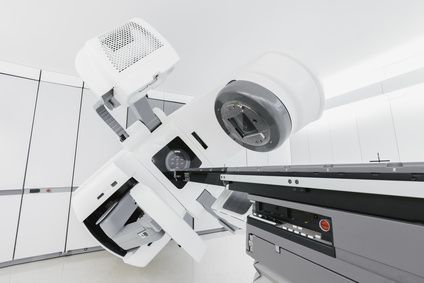
- radiation therapy,
- targeted tumor therapy,
- immunotherapies, and
- hormone therapies.
When is surgery the treatment of choice for cancer?
Especially in cases of breast cancer and various types of skin cancer, it is usually advisable to remove the tumors surgically. However, the cancer must not yet be advanced, and no secondary tumors (metastases) may have formed. In the case of a tumor confined to a small area, however, the prospects for success with surgical cancer treatment are often good. Whenever possible, keyhole surgery is performed, meaning the surgeon makes only a small incision through which the tumor is ultimately removed. In the skin, this is often achieved through a punch excision.
For early-stage tumors, cancer treatment may even be completed with the surgery alone, meaning no further follow-up treatments are necessary. In other cases, treatment is usually continued with chemotherapy or radiation therapy. After a period of about 5 years without a recurrence of the cancer, patients are considered medically cured.
Cancer Treatments That Damage Cells
In other cases, it is not possible to cure cancer through surgical measures alone. For example, a tumor may be inoperable, the tumor may have already spread to other organs, or the cancer may be blood cancer (leukemia). In these cases, cancer treatments are often used that employ radiation or chemotherapy drugs (e.g., docetaxel, cisplatin, and others) to inhibit the growth of cancer cells. However, radiation and chemotherapy do not only affect the tumors; they also damage healthy body cells. These cancer treatments are often used after tumor surgery to destroy residual tumor tissue or to prevent the formation of possible metastases.
Since both radiation therapy and chemotherapy cause cell damage, the potential for germ cell damage must be considered, especially in young cancer patients. Under certain circumstances, this may make it impossible to conceive naturally after treatment. However, the healthcare system now offers options for the cryopreservation of sperm and eggs for patients undergoing cancer treatments that may damage germ cells. It goes without saying that counseling on this topic should take place before treatment begins.
How do targeted cancer therapies work?
Since chemotherapy, in particular, is systemic and, in principle, affects all cells in the body, this cancer treatment can sometimes cause significant side effects. Although radiation therapy is more localized and limited to a specific area, it can also cause severe side effects.
To reduce the risk of side effects, so-called targeted cancer therapies have been studied and further developed in recent years. These therapies use medications or inhibitors to directly interfere with cancer cell metabolism, signaling, growth, and blood supply. In this way, signaling pathways essential for cell growth or division are blocked, and the cancer cells are killed. The blockade of certain hormonal signaling pathways—such as in breast cancer or prostate cancer—is also considered, in a broader sense, to be a form of targeted cancer therapy.
Immuno-oncology – Cancer therapy using the immune system
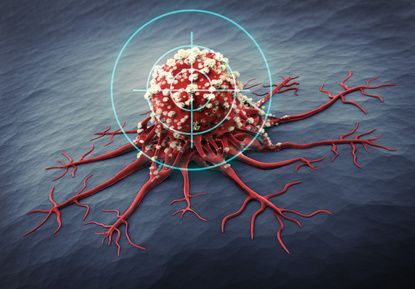
A relatively new form of cancer therapy is the field known as immuno-oncology. The goal is to enable the body’s own immune system to recognize cancer cells and (once again) fight them.
Cancer cells have often found ways to hide from the immune system and become practically “invisible.” For example, they form receptors on the cell surface that signal to an immune cell that everything is fine here, causing the immune cell to deactivate. If such a receptor is blocked from the outside using an antibody, the immune cell remains active after binding to the cancer cell and kills it. Medically, this mechanism of action in cancer therapy is known as checkpoint inhibition. Well-known antibodies include nivolumab, pembrolizumab, and atezolizumab. Some of these are already being used very successfully to treat melanoma, lung cancer, and urological tumors.
Furthermore, various cell-based therapies are part of immuno-oncological cancer treatments—such as CAR-T cells, which are effective against certain types of leukemia. These are usually the body’s own T cells, which are harvested and whose receptor makeup is genetically modified outside the body so that, once returned to the bloodstream, they can specifically target cancer cells.
Conclusion on Cancer Therapies Today
The trend in cancer therapies today is strongly moving toward individualized treatment with approaches that have fewer side effects. The “one-size-fits-all” principle is increasingly being abandoned. Molecular tumor characterization and genetic analyses enable new personalized treatments.
While tumor surgery, radiation therapy, and/or chemotherapy remain important in cancer treatment, targeted therapies and immuno-oncology offer additional alternatives that often have fewer side effects.
At the same time, the range of medical specialties within cancer centers is expanding. In addition to radiology, surgery, and oncology, human genetics, molecular biology, pathology, immunology, nutritional medicine, and psycho-oncology are also involved. In many cases, cancer treatments are already being administered in private oncology practices that work closely with local hospitals.
FAQ
What types of cancer treatments are available?
Cancer treatments include surgery, chemotherapy, radiation therapy, immunotherapy, targeted therapy, and personalized therapy. The choice of treatment depends on the type of cancer, the stage of the tumor, and the individual treatment options available. Often, several cancer treatments are combined.
When is each cancer treatment used?
The appropriate treatment depends on the type of cancer, the tumor, the extent of the disease, and the patient’s overall health. While surgery is often performed for locally confined cancer, chemotherapy, immunotherapy, or targeted therapy are used particularly for advanced disease or as adjuvant treatment.
What side effects can occur with cancer treatment?
Depending on the treatment and medication, side effects such as nausea, fatigue, infections, or changes to the immune system may occur. Modern targeted cancer therapies and monoclonal antibodies often cause fewer side effects than traditional chemotherapy, but risks and side effects vary from person to person.
What is targeted cancer therapy?
Targeted cancer therapy uses drugs that attack specific biomarkers or characteristics of the tumor cell. This allows cancer cells to be targeted while sparing healthy cells as much as possible. This form of cancer treatment is now an integral part of many modern cancer treatment methods.
Can cancer be completely cured?
Whether cancer is curable depends on the type of cancer, its stage, and the patient’s response to treatment. Many cancers, such as breast cancer or colorectal cancer, can be successfully treated if diagnosed early. Even for lung cancer or various forms of blood cancer, numerous cancer therapies are available today that can prolong life and improve quality of life.

Sources
flexikon.doccheck.com/de/Krebstherapie
onko-portal.de/basis-informationen-krebs/therapieformen.html
krebsinformationsdienst.de/behandlung/index.php
S2k-Leitlinie „Fertilitätserhalt bei onkologischen Erkrankungen“, AWMF-Registernummer: 015-082 [Stand: 01.11.2017, in Überarbeitung]