Expert Interviews
Pain Medicine and NAD+—A New Perspective?—An Expert Interview with Prof. Christoph Wiese

Alexandra Pfitzmann ·
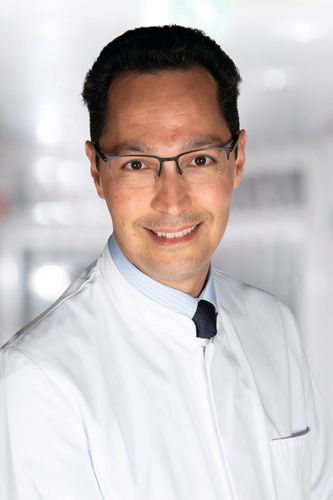
Professor Christoph Wiese, M.D., is one of Germany’s leading experts in the field of pain medicine. As Chief Physician of the Department of Anesthesiology and Critical Care Medicine and Director of the Center for Interdisciplinary Pain Medicine (ZIS-HEH) at the Herzogin Elisabeth Hospital in Braunschweig, he has helped build an institution that sets standards beyond the region. His exceptionally broad training and numerous additional qualifications enable him to think beyond traditional disciplinary boundaries and develop individualized treatment approaches for each patient. Whether it’s acute pain following surgery, chronic pain syndromes, or complex pain disorders with psychosomatic components—Prof. Dr. Wiese approaches his patients with a holistic perspective that takes physical, emotional, and social factors equally into account.
A particular hallmark of Prof. Dr. Wiese is his interdisciplinary approach. Under his leadership, physicians from various specialties, nurses, physical therapists, psychologists, and occupational therapists work closely together—always with the goal of sustainably improving the quality of life for those affected. This is achieved primarily through a personalized, multimodal treatment plan that may include not only medication but also acupuncture, shock wave therapy, hypnotherapy, or specialized infusions. Care is always taken to ensure that the patient is actively involved in the treatment process. For Prof. Dr. Wiese, one thing is certain: Only those who actively participate can achieve lasting improvements in managing chronic pain.
The fact that Prof. Dr. Wiese not only possesses extensive clinical experience but is also active in research and teaching is demonstrated by his professorship at the University of Regensburg. The combination of practical work with scientific rigor and the training of the next generation of physicians underscores his philosophy: Pain medicine must continually be developed, scrutinized, and reimagined—for the benefit of patients. With his professional expertise, empathy, and clear vision of modern, holistic pain therapy, Prof. Dr. med. Christoph Wiese has created a place where people suffering from pain can find genuine hope.
Coenzymes are also used in the field of pain medicine. The editorial team of the Leading Medicine Guide learned more about this in a conversation with the pain medicine specialist.
Pain medicine is constantly evolving—new scientific findings and therapeutic approaches continually open up promising possibilities for treating chronic and acute pain more effectively. In this context, an active substance previously known primarily from cell research is increasingly coming into focus: NAD⁺ (nicotinamide adenine dinucleotide). This endogenous coenzyme, which plays a central role in energy metabolism and cellular repair processes, is now also being discussed in the context of pain therapy. The potential use of NAD⁺ and other coenzymes opens up new perspectives—particularly with regard to the treatment of chronic pain syndromes associated with mitochondrial dysfunction, oxidative stress, or inflammatory processes.
NAD⁺ (nicotinamide adenine dinucleotide) is an essential coenzyme that plays a central role in energy metabolism in nearly all living cells. It acts as a crucial electron carrier in biochemical redox reactions, particularly in cellular respiration, where glucose and other nutrients are converted into adenosine triphosphate (ATP)—the primary energy source for cellular processes.
“NAD⁺ therapy is based on a molecule that has been known as a coenzyme since the 1930s. The first scientific description dates back to 1936 in the United States. NAD⁺, chemically speaking a form of vitamin B3 (niacin), is crucial for energy production in the body. In order for the body to produce NAD⁺, it needs niacin as a starting material. For a long time, this molecule played hardly any role in clinical medicine until it came back into focus over the past decade—particularly in the field of so-called longevity medicine. Earlier studies, now more than 20 years old, show that NAD⁺ plays a central role in cellular processes.
It is involved in glycolysis—that is, sugar metabolism—in the oxidation of fatty acids, and in the well-known citric acid cycle—a key step in energy production within cells. This made it clear that NAD⁺ plays a pivotal role in energy metabolism. Studies on NAD⁺ levels across the lifespan show that the body’s own stores decline sharply with age. While young adults up to age 20 still have full NAD⁺ capacity, this level declines steadily over the decades. By the age of 50, it amounts to only about 40% of the baseline level, and in people over 70, it is as low as 20 to 25%. “This finding linked the molecule to aging processes and spurred new research approaches,” explains Prof. Dr. Wiese, adding:
“NAD⁺ became known to a wider audience through singer Justin Bieber, who publicly underwent NAD⁺ infusions and thereby generated media attention. Whether the reactions he displayed were genuine or staged remains to be seen—but the effect was nonetheless that NAD⁺ was on everyone’s lips. In pain medicine, the search for innovative approaches is an ongoing endeavor, as the past 25 years have yielded hardly any truly new, groundbreaking developments—despite numerous methods such as medication, talk therapy, behavioral therapy, and infiltration techniques. Against this backdrop, I came up with the idea of separating NAD⁺ from the lifestyle context and specifically investigating its potential in pain therapy. The therapy takes the approach of stabilizing energy metabolism at the cellular level through targeted NAD⁺ supplementation, promoting regeneration, and thereby positively influencing pain. In practice, the goal is to specifically support an established endogenous system—with the aim of enabling patients to experience tangible improvements, particularly in areas where conventional therapies reach their limits.”
NAD⁺ is involved in the activation of certain enzymes, such as sirtuins, or serves as a substrate for sirtuins, which play a key role in cell regulation, anti-inflammation, and the repair of DNA damage. Sirtuins modulate inflammatory signaling pathways, which are often overactivated in chronic pain.
“As a so-called mitochondrial transporter, NAD⁺ helps ensure that the electron transport chains in the mitochondria—the cell’s powerhouses—function smoothly. This, in turn, supports ATP synthesis, a process that leads to the formation of adenosine triphosphate (ATP)—one of the body’s most important energy sources. In addition, NAD⁺ serves as a substrate for certain groups of proteins known as sirtuins. These enzymes regulate important metabolic processes and help stabilize energy balance and reduce oxidative stress. The latter is also known, for example, from the mechanism of action of vitamin C, which likewise has antioxidant effects—an approach that has long been used therapeutically, particularly in connection with nerve-related (neuropathic) pain. The observation that NAD⁺ is also capable of influencing oxidative stress provided another starting point for taking a closer look at this molecule’s potential in pain medicine. NAD⁺ is also involved in cellular health—particularly in RNA synthesis, in repair processes within cells, and in processes known as apoptosis. Apoptosis describes the targeted, controlled death of old or damaged cells, a necessary process for maintaining a functional cellular balance in the body. NAD⁺ helps regulate these processes: It not only promotes the formation of new cells but also supports the proper elimination of aged cell structures. Of particular interest is the influence of NAD⁺ on sirtuins 1, 3, and 6. These enzymes play essential roles in regulating inflammatory processes. Furthermore, they are important for what is known as neural plasticity—that is, the nervous system’s ability to adapt and regenerate. “This neuroprotective effect—that is, the protection and promotion of healthy nerve cells—is a particularly promising aspect for application in pain medicine, as it has both anti-inflammatory and structure-preserving effects,” explains Prof. Dr. Wiese.
If NAD⁺ is capable of influencing cell death processes, it stands to reason that it could also play a role in tumor pain therapy—for example, by influencing tumor cells. At the same time, there is potential in neuroinflammatory processes, particularly through the enhancement of neuronal plasticity. This made it plausible that NAD⁺ could also have a therapeutic effect on nerve pain.
Prof. Dr. Wiese describes his further research: “We then began searching the medical literature, specifically in PubMed and Medline. There are now a large number of animal studies there that demonstrate the effects of NAD⁺. These findings are increasingly being extrapolated to humans as well. Although many studies are still at the cellular or animal experimental level, there is already preliminary clinical data confirming its potential for use in humans. Based on these considerations, the decision was made to use NAD⁺ therapeutically ourselves. However, putting this into practice proved difficult. A NAD⁺ infusion is not readily available through regular pharmacy channels—so you cannot simply buy and use it. While there are numerous dietary supplements on the market, including those containing NMN (nicotinamide mononucleotide), NADH, or even NAD⁺ itself, for example in tablet or powder form. However, these do not correspond to the highly effective infusion form required for targeted medical use. Ultimately, a suitable solution was found through a German pharmacy. This pharmacy produces NAD⁺ as a so-called lyophilisate—that is, a freeze-dried substance that can be restored to its active original form by adding liquid. This made it possible to obtain NAD⁺ in infusion form, which ultimately served as the basis for the first patient-specific applications. The next step involved reviewing the experiences of other users. It was striking that most providers—such as a large English NAD clinic—primarily use the product in the lifestyle sector. In Germany, too, individual practices offer NAD⁺, though also with a focus on vitality, performance enhancement, or anti-aging. Targeted medical applications, such as for pain management, have been virtually nonexistent to date. This required a gradual approach to determining the correct dosage. In lifestyle medicine, the dose per infusion is typically between 250 and 500 mg of NAD⁺, usually spread over 10 sessions. This covers a person’s full annual requirement. However, this approach is geared toward healthy individuals—such as athletes, executives, or people seeking to improve their overall performance. For use in pain medicine—that is, for individuals who are already ill or under significant stress—a separate approach was therefore required.”
At the Duchess Elisabeth Hospital—Center for Interdisciplinary Pain Medicine, we do not treat healthy individuals, but rather patients with underlying conditions that are sometimes complex and numerous comorbidities. This required a particularly cautious approach when introducing NAD⁺ therapy.
“The initial question was what potential side effects NAD⁺ might have. Therefore, a cautious approach was chosen. We began with a dose of 125 mg of NAD⁺ administered via infusion, under continuous cardiovascular monitoring. The goal was to closely monitor the patients’ reactions and draw conclusions about tolerability. This approach is also in line with the initial recommendations for the use of NAD⁺ in pain management—namely, to start with a low dose and increase it gradually. At this low dosage and with a slow infusion rate—over at least 60 to 90 minutes—no significant side effects were observed. However, when the infusion was administered more rapidly or a higher dose was used, some patients experienced autonomic reactions such as an increase in heart rate or blood pressure. These effects occurred independently of subjective perception—that is, without the patients knowing in advance what dose they would receive. These tests were only possible because of the trusting relationship with the patients, many of whom are under ongoing care. It was thus observed that a dose of approximately 250 mg of NAD⁺ is already too high for many patients, especially when the infusion rate is too fast. “Tolerability therefore depended heavily on the rate of administration,” said Prof. Dr. Wiese.
At 125 mg over at least 60 minutes or 250 mg over at least 90 minutes, no autonomic or other side effects occur. When administered too quickly, the body is simply overwhelmed by the absorption, as NAD⁺ in the infusion form very rapidly enters cellular metabolism and is processed. At too high a rate, this rapid metabolism leads to an overload of cellular processing capacities.
Prof. Dr. Wiese comments on this: “The tablet form, on the other hand, does not exhibit these effects. It is significantly slower and less effective. The reason for this lies in the difference in bioavailability. In tablet form, NAD⁺ is present either directly or as precursors such as NMN, which must first be converted in the liver and through cellular metabolism. The body often cannot utilize NAD⁺ directly in this form but relies on precursors—similar to vitamin B3 metabolism. The infusion solution, on the other hand, delivers the active form of the molecule directly, thereby enabling immediate, targeted integration into cellular biology. This is precisely where its therapeutic effect and advantage over oral administration lie.”
Patients register by phone and are first given a pain questionnaire from the German Pain Society, supplemented by several additional forms developed in-house that address aspects such as quality of life and life structure.
“Based on these documents, an initial assessment is then made: What type of pain is present, and what is the nature of the problem? This is followed by an invitation to an initial consultation and a detailed initial examination, which lasts about 90 to 120 minutes. Already during this first appointment, we assess whether patients are generally eligible for NAD⁺ therapy. An important focus for us is that we increasingly consider patients with chronic, pain-related fatigue, known as fatigue syndrome. Many pain patients suffer from this, especially when neuropathic pain is present. These include conditions such as Complex Regional Pain Syndrome (CRPS), Chronic Postherpetic Pain Syndrome (CHPS), or zoster neuropathies, all of which involve nerve-related pain mechanisms. Patients with muscular pain, such as those with fibromyalgia, are also frequently considered. During the consultation, we also clarify which therapies have already been tried. As a rule, patients have already been through a long journey involving various treatments. It is therefore crucial whether they are willing to try new treatment approaches. Following this, NAD⁺ therapy is presented as a potential treatment option. The goal is to replenish the cells’ energy stores and thereby create an optimal foundation for better treating neuropathic pain—within the framework of established standard therapies. “We have evolved our approach so that we no longer use NAD⁺ only very late in the course of treatment and as a last resort, but rather incorporate it early on in therapy. In this way, we create better conditions for the patients’ ongoing pain management,” Prof. Dr. Wiese explains.
If there are no additional symptoms such as chronic pain or other problems, NAD⁺ stores would theoretically last a lifetime. However, aging processes play an important role. Especially in the field of geriatrics or longevity, NAD⁺ supplementation is becoming increasingly important, particularly for older adults with chronic conditions.
Prof. Dr. Wiese mentions another key patient group: “Another focus is on patients with comorbidities such as multiple sclerosis or Parkinson’s disease, who often experience neuropathic pain. We offer NAD⁺ therapy to this patient group relatively quickly. The treatment typically consists of a so-called “induction therapy” with ten infusions, which has proven effective. The infusion schedule varies depending on the patient and the acute situation. For patients with CRPS (Complex Regional Pain Syndrome), for example, we usually administer three infusions per week. The series is completed after about three weeks, after which the effect is assessed. Older patients with chronic pain receive the infusions at a slower pace: once or twice a week over five to ten weeks. This is followed by a maintenance infusion approximately every six weeks. In contrast to the “Lifestyle” program, where ten infusions are usually administered within two weeks followed by a one-year break, we focus on gentler and more continuous care. For many of our patients, the intensive “Lifestyle” regimen would involve too high a dose and be too rapid. Patients with chronic pain undergo a slow build-up phase with booster infusions, followed by regular maintenance infusions, without the repeated administration of entire series. Patients with acute pain syndromes who are improving can receive a new series after about one year. The therapy is individually tailored based on the underlying condition, its cause, and its severity. We also treat cancer patients undergoing active chemotherapy who suffer from tumor-related pain or chemotherapy-induced polyneuropathies. These patients receive NAD⁺ infusions as supportive care to replenish their energy stores and better tolerate chemotherapy. During chemotherapy, they receive a restorative infusion every four to six weeks, or every two weeks if necessary. For example, patients with pancreatic cancer benefit from regular infusions to improve their quality of life.”
The success of the therapy is measured by whether pain is reduced, quality of life improves, and symptoms such as fatigue or skin symptoms are alleviated. NAD⁺ therapy does not replace other forms of treatment but rather supports them.
The costs of NAD⁺ infusions are generally not covered by public health insurance plans. Private health insurance companies usually cover the infusion services and the associated medical services; however, whether the NAD⁺ preparation is recognized as a medication varies from insurer to insurer.
Prof. Dr. Wiese explains: “Since the infusion solution is a medication available only through pharmacies and requiring a prescription—not a dietary supplement—this should be clarified in advance with the respective private insurance provider. Interestingly, government health subsidy agencies usually cover the costs without issue. Occupational health insurance associations are willing to cover costs after consultation. However, we do not operate a large-scale occupational disease clinic; instead, we only see such patients on an individual referral basis. If we believe that NAD⁺ therapy is appropriate for a patient, we propose this to the workers’ compensation association and work together to resolve the cost issue.
So far, all such requests have been approved by the workers’ compensation association. In the lifestyle sector, the cost per infusion currently ranges from about 349 to 499 euros, depending on the dose and provider. For example, the University Medical Center Hamburg-Eppendorf also offers this therapy. We have been able to significantly reduce the costs through a partnership with the NAD Clinic. Previously, material costs ranged from 100 to 200 euros per infusion, depending on the dosage (125 mg or 250 mg NAD⁺). Currently, we source the NAD⁺ for about 50 to 60 euros per infusion. For patients who wish to pay out-of-pocket for the treatment, the cost is approximately 199 euros per infusion. This means you can book the treatment with about the same ease as filling up at a gas station—provided, of course, that you’re a suitable candidate. Unlike places like Dubai, where NAD⁺ infusions can be ordered directly to your hotel room and cost around 700 euros per infusion, we offer a reputable and medically supervised treatment at significantly lower prices,” he adds, providing an important detail about the infusion at the clinic:
“After a 90-minute infusion, the patient can usually go home right away. Depending on how they feel, they may have a cup of coffee and relax for half an hour. Most patients, however, leave the clinic immediately after the infusion and drive home on their own. This approach can be described as ‘Energy to go.’ However, special caution is required for Long COVID patients. Even if they feel an increased energy boost after the infusion, they should conserve their energy. Long-COVID patients often experience severe exhaustion following a period of increased activity. It is therefore important to support these patients gently and help them understand that they should not overexert themselves despite their increased energy levels, in order to avoid relapses or worsening of their condition.”
The majority of patients report a noticeable change after the third to fifth infusion. In addition, other aspects such as alertness and sleep quality may also improve. Although this may seem contradictory at first glance, both effects often occur together.
“Furthermore, family members often notice that the patient ‘seems more alert,’ is ‘more mobile,’ or ‘appears completely different.’ Sometimes they cannot put it into words exactly, but they sense a general improvement in quality of life. This is reported primarily by family members, not always by the patients themselves. In patients with chronic fatigue syndrome, Parkinson’s disease, or MS, the effects are also clearly measurable: they usually experience fewer flare-ups or a stabilization of their condition. However, it is important to emphasize that NAD⁺ does not offer a cure—it is not magic. It does not cure Parkinson’s or MS. It is a supportive option to improve the condition or at least keep it stable.
Patients themselves notice that their nerve pain or polyneuropathy is becoming less severe, and that the pain reaches a different, usually lower level. We also collect this feedback during follow-up appointments. An interesting observation is that, at some point, many people no longer consciously notice their improvements—the improvement becomes the “new normal.” That’s why it’s important to honestly document these changes and review them together on a regular basis. This makes it clear that an improvement has been achieved, even if the patient themselves feels that they no longer sense anything. Sometimes it’s simply the case that no further improvement is possible, but at least the level achieved can be maintained,” states Prof. Dr. Wiese.
In children and adolescents, the therapy is used with caution. However, in severe conditions such as pronounced CRPS or multiple sclerosis, it may be recommended in individual cases, even if the “reservoir” is presumably still sufficiently full. The decision is made on a case-by-case basis in consultation with the patients and their parents to assess the potential benefits of the treatment.
Interdisciplinary collaboration is absolutely essential—across disciplines and for the patient’s well-being. It must not be about personal rivalries or the desire to boost one’s own profile, but rather about consistently ensuring excellent patient care.
“I currently have a patient with bronchial carcinoma who trusts us very much but remains skeptical of the oncologist. She has doubts about the recommended chemotherapy. Medically speaking, I know that while chemotherapy will be a challenge for her, it also offers a good chance at quality of life and makes sense as a supportive therapy. I would never advise her to refuse chemotherapy and rely solely on alternative treatments from a medical standpoint. Instead, I offer to support her as best I can throughout her chemotherapy. That’s the goal—working hand in hand for the patient’s well-being. Unfortunately, this can sometimes be difficult in Germany because everyone “does their own thing” and doesn’t let others see their cards or have a say in decisions. As a result, the common goal is often lost. This is an issue that is very close to my heart. If there’s someone who performs a treatment better, I’m happy to recommend consulting that person. I take the same approach in the operating room: There are colleagues who are more skilled at certain procedures, and I ask the patient if they’d prefer that this colleague take over the treatment. So far, this has always been met with approval,” Prof. Dr. Wiese emphasizes, and with that, we conclude this interesting conversation.
Thank you very much, Professor Dr. Wiese, for the information on this very promising pain therapy!
Share this article
Expert Interviews
Read next
- Expert interview
Expert interview with Professor Dr Elmar Herbst, PhD
Oct 15, 2026
Patient-centred and personalised knee surgery
Read more - Expert interview
Cardiogeriatrics: Significance and benefits in the context of hospital reform
Sep 21, 2026
Cardiogeriatrics: Significance and benefits in the context of hospital reform
Read more - Expert interview
Expert Interview with Professor Dr. Amadeus Hornemann, MPH
Sep 18, 2026
Prof. Amadeus Hornemann on Precision Medicine in Gynecology: Modern Surgery, New Techniques, Better Quality of Life
Read more