Expert Interviews
Reflux Under Control: Long-Lasting Relief and Quality of Life

Alexandra Pfitzmann ·
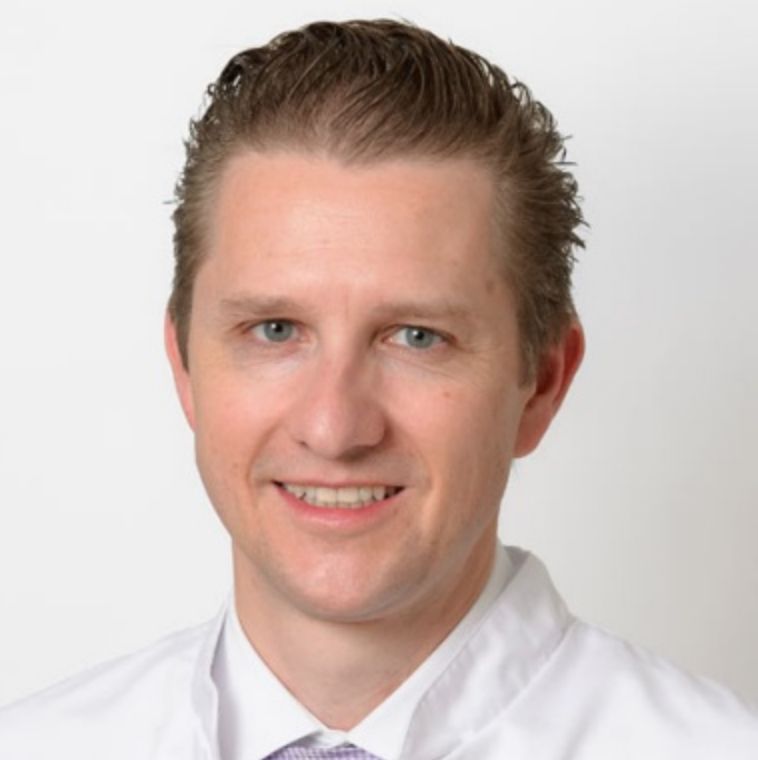
Professor Jörg Zehetner, M.D., specializes primarily in upper abdominal surgery. He has earned an excellent reputation for treating all conditions of the stomach and esophagus—from cancer to reflux. His expertise in complex hiatal and abdominal wall hernias is also at the university level. Dr. Jörg Zehetner is a highly qualified specialist in surgery and served for many years as a professor at the University of Southern California (USC). His areas of focus include reflux treatment, stomach and esophageal diseases (e.g., carcinomas), as well as bariatric surgery and visceral surgery. Surgical treatment of complex hiatal and abdominal wall hernias is also part of Dr. Zehetner’s range of services. He completed his medical training in Switzerland, Austria, and Spain, followed by an eight-year research and teaching fellowship in the United States. Dr. Zehetner has received several awards for his outstanding teaching. He is also an honorary member of the Society of Graduate Surgeons. Since 2015, Dr. Zehetner has been practicing at his own abdominal surgery practice in Bern, called Swiss1Chirurgie, working as part of a team with other visceral surgeons, as well as serving as an attending physician at the renowned Hirslanden Beau-Site Private Clinic, also in Bern. Dr. Zehetner has many years of expertise in laparoscopy—that is, keyhole surgery—and also utilizes state-of-the-art techniques such as robotic surgery. A particular area of focus for Dr. Zehetner is the treatment of gastroesophageal reflux disease (GERD). In this condition, the reflux valve (esophageal sphincter and diaphragm) above the stomach is too weak to reliably close off the stomach. As a result, acid and bile can repeatedly flow from the stomach into the esophagus. Constant heartburn is the result, but in the long term, more serious consequences can arise, such as inflammation, chronic bronchitis, and even esophageal cancer. The editorial team at Leading Medicine Guide wanted to learn more about reflux and was able to speak with Dr. Zehetner.
Reflux, also known as gastroesophageal reflux disease (GERD), is a medical condition in which acidic stomach contents or gastric juice flow back from the stomach into the esophagus. This reflux can lead to a variety of unpleasant symptoms. “Because stomach acid rises during reflux, the patient experiences acid regurgitation or often has difficulty swallowing. The esophagus is normally separated from the stomach by a sphincter muscle, known as the lower esophageal sphincter. If this sphincter does not function properly or is weakened, acidic stomach contents can enter the esophagus. This weakness can be due to genetic factors, obesity, pregnancy, or various diseases of the digestive tract. Dietary habits are another important factor. Certain foods and beverages, such as spicy foods, high-fat meals, alcohol, coffee, and citrus fruits, can trigger or worsen reflux symptoms. Smoking and certain medications can also increase the risk of reflux,” explains Dr. Zehetner at the start of our conversation. The consequences of reflux can be serious, as prolonged contact between stomach acid and the esophageal lining can cause inflammation, damage, and, in severe cases, even esophageal cancer. Therefore, it is important not to ignore reflux symptoms.
Large meals can overfill the stomach and increase pressure on the lower esophageal sphincter. It is advisable to eat smaller, more frequent meals. High-fiber foods, such as whole grains, fruits, and vegetables, are preferable and can aid digestion and help alleviate reflux symptoms. Drinks should be consumed only in moderation during meals. It is better to drink enough fluids between meals. This can help minimize pressure in the stomach. You should avoid eating dinner right before bedtime. It is important to stop eating large meals at least two to three hours before going to bed. As for sleeping position, it is helpful to raise the head of the bed by about 15 to 20 centimeters, as this can reduce nighttime heartburn and prevent stomach acid from flowing into the esophagus.
There is a clear link between being overweight and reflux symptoms.
Excess body fat, especially in the abdominal area, can increase pressure in the abdomen and weaken the muscle valve between the esophagus and the stomach. “For example, if you are 10–15 kilograms overweight, the probability of developing reflux increases by 10–20%. Weight loss measures can help reduce these symptoms. For example, reflux surgery is no longer effective for patients with a body mass index (BMI) of 35 or higher. For overweight patients, therefore, a combined procedure involving a gastric bypass and anti-reflux surgery is advisable. This type of combined procedure can help effectively treat both obesity and reflux,” explains Dr. Zehetner.
People with reflux have various treatment options available, and the choice of the optimal treatment should indeed be tailored to the individual, especially for patients who are overweight.
“Reflux is a chronic condition. Lifestyle changes are often the first step in alleviating reflux symptoms, such as dietary adjustments and an overall healthier diet. For many patients, these lifestyle changes alone are sufficient to manage reflux. Proton pump inhibitors can be taken to reduce stomach acid. This helps approximately 70% of patients. The choice of the appropriate medication may vary depending on the severity of symptoms and the individual’s response. Patients who are overweight may require higher doses or long-term medication. In severe cases where medication and lifestyle changes are not sufficiently effective, surgery must be considered. “Surgery to strengthen the lower esophageal sphincter can prevent reflux,” says Dr. Zehetner, outlining the various treatment options.
For patients who are overweight, weight loss is often a key element in the treatment of reflux. A personalized diet and exercise plan can help patients lose weight and reduce reflux symptoms. This can be done in collaboration with nutritionists and exercise therapists.
Reflux surgery—various options are available.
Reflux surgeries are all performed laparoscopically. They take about an hour on average, and the patient can usually go home after 1–2 nights in the hospital. “The LINX™ Reflux Management System is a minimally invasive option in which a flexible ring made of titanium beads with magnetic cores is placed around the lower esophageal sphincter. This ring supports the sphincter and prevents the backflow of stomach acid. Overweight patients who already have a sleeve gastrectomy could benefit from this gentle method. For the past five years, I have also been performing the latest surgical technique, the RefluxStop procedure. In this procedure, the upper part of the stomach is attached to the lower part of the esophagus. This creates a long but narrow “cuff” around the lower esophageal sphincter to reduce the reflux of stomach acid. At the same time, a 22-mm silicone ball is sutured into a gastric pouch to act as a stopper. “This method also reduces the likelihood of unpleasant side effects such as bloating or flatulence. After the surgery, patients follow a three-week dietary rehabilitation plan before returning to a normal, healthy diet,” explains Dr. Zehetner. The choice of the most appropriate treatment depends on the patient’s individual situation, including the severity of symptoms, the presence of obesity, and other factors.
LINX™ Reflux Management System: This is a modern, minimally invasive technique suitable only for patients with normal esophageal function. A flexible ring made of titanium beads with magnetic cores is placed around the esophageal sphincter. The magnets contract the ring and support the sphincter while simultaneously allowing food to pass through normally.
RefluxStop Surgery: This surgical method has the fewest side effects, such as bloating and a feeling of fullness, and difficulty swallowing is rarely expected. Therefore, this method is also suitable for patients with poor esophageal function and larger hiatal hernias.
Fundoplication: This is a surgical procedure in which the upper part of the stomach is wrapped around the lower part of the esophagus. This strengthens the sphincter and prevents the reflux of stomach acid into the esophagus. This procedure can be performed using a minimally invasive (laparoscopic) approach; however, due to its side effects, Dr. Zehetner rarely performs it, as the RefluxStop method has shown fewer side effects while achieving the same success rate in controlling reflux.
Bariatric Surgery: For patients who are severely overweight and suffer from reflux, bariatric surgery may be considered. Weight-loss surgeries such as gastric bypass or sleeve gastrectomy can not only reduce excess weight but also alleviate reflux symptoms by reducing pressure on the abdominal cavity.
Untreated reflux can have long-term health consequences, especially for people who are overweight.
“Untreated reflux can lead to inflammation of the esophagus, known as esophagitis. This can cause pain and difficulty swallowing. In some people, untreated reflux can lead to a change in the cells of the esophagus known as Barrett’s esophagus. This condition increases the risk of esophageal cancer. Long-term untreated reflux, especially when it leads to Barrett’s esophagus, significantly increases the risk of esophageal cancer. Nocturnal reflux, in which stomach acid flows into the esophagus, can disrupt sleep and lead to insomnia. The entry of stomach acid into the lungs can also lead to pneumonia or lung problems. “And finally, the acid from the stomach can erode tooth enamel and cause dental damage,” warns Dr. Zehetner, adding: “If a patient complains of daily symptoms, then I definitely recommend surgery. For symptoms that occur about every six weeks, medication therapy is a good place to start.”
In good hands at the Reflux Center at Swiss1Chirurgie in Bern.
The Reflux Center in Bern offers an outstanding range of services for the holistic care of people with reflux and obesity. Obese individuals are most likely to develop reflux. Under the expert guidance of Dr. Zehetner, patients receive personalized and comprehensive solutions for their weight issues. “We offer nutrition and dietary counseling here. After all, taking medication alone simply isn’t enough. We must thoroughly inform patients who are unwilling to participate about all the risks involved. A reflux coordinator guides our patients through the treatment process from the very beginning. We also work closely with the Center for Bariatric Surgery and with gastroenterologists. Thanks to this targeted interdisciplinary collaboration, we are the first point of contact and a leader in Switzerland. “But I’m also always on the lookout for the latest developments, such as at a recent reflux conference in Dallas, Texas (USA),” reports Dr. Zehetner, bringing our conversation to a close.
Dr. Zehetner, thank you very much for these interesting insights on the topic of reflux!
Share this article
Expert Interviews
Read next
- Expert interview
Expert interview with Professor Dr Elmar Herbst, PhD
Oct 15, 2026
Patient-centred and personalised knee surgery
Read more - Expert interview
Cardiogeriatrics: Significance and benefits in the context of hospital reform
Sep 21, 2026
Cardiogeriatrics: Significance and benefits in the context of hospital reform
Read more - Expert interview
Expert Interview with Professor Dr. Amadeus Hornemann, MPH
Sep 18, 2026
Prof. Amadeus Hornemann on Precision Medicine in Gynecology: Modern Surgery, New Techniques, Better Quality of Life
Read more