News
Iron Deficiency in Women: When the Body Sounds the Alarm

Melanie Al Tikriti, BSc ·
Who Is at Particular Risk and Why
Iron is a crucial mineral that supports our bodies in many ways. It transports oxygen in the blood, ensures that our cells can produce energy, keeps the immune system healthy, and influences brain function. Women are particularly at risk because they lose blood regularly through menstruation. During pregnancy and breastfeeding, iron requirements increase even further. If you don’t compensate for these losses, you can quickly develop a deficiency.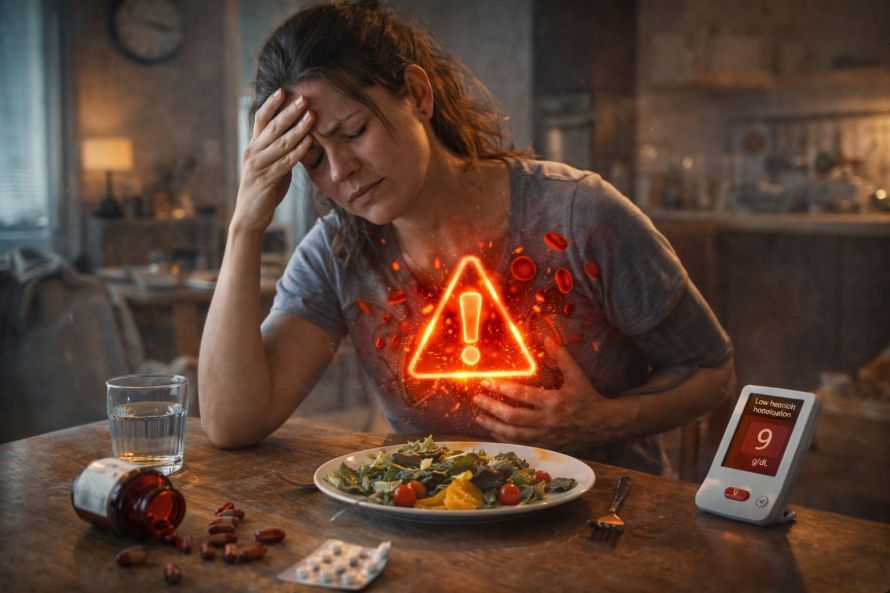
An iron deficiency often develops over weeks or months and goes unnoticed at first. Fatigue, weakness, or trouble concentrating are frequently dismissed as normal. Young women, female athletes, and women with very heavy menstrual periods are also at increased risk. A plant-based diet lacking sufficient sources of iron, stress, chronic illnesses, or inflammation further exacerbate the problem.
Recognizing Typical Warning Signs
Iron deficiency often manifests slowly and subtly.
Typical symptoms include:
- Persistent fatigue and general weakness
- Pale skin or a sallow complexion
- Shortness of breath even with light exertion
- Heart palpitations or an irregular heartbeat
- Difficulty concentrating, forgetfulness, or slowed thinking
- Headaches and dizziness
- Brittle nails, hair loss, or brittle hair
- Cracks at the corners of the mouth or inflamed gums
These symptoms often occur together. Taking them seriously can help prevent long-term consequences such as anemia or a decline in performance. It’s important to ensure that the body gets enough iron over the long term before the symptoms become more severe.
Causes of Iron Deficiency
Iron deficiency occurs when the body loses or uses more iron than it can absorb. In women, the following causes are often responsible:
Heavy menstruation: Blood loss leads to an increased need for iron
Pregnancy and breastfeeding: The growing fetus and milk production require iron reserves
Insufficient iron intake: Intake may be too low, especially with vegetarian or vegan diets
Chronic diseases: Inflammatory bowel diseases, blood loss in the gastrointestinal tract, or kidney problems
High physical demand: Physical activity can deplete iron more quickly
When these factors coincide, the likelihood of a deficiency increases significantly. A balanced diet, an appropriate lifestyle, and medical monitoring can prevent or correct a deficiency.
How Iron Deficiency Is Diagnosed
A blood test at the doctor’s office provides reliable information about iron status. Among other things, hemoglobin, ferritin, and transferrin saturation are measured. Hemoglobin indicates how well oxygen is transported in the blood. Ferritin provides information about iron stores, while transferrin saturation indicates current iron status.
In some cases, vitamin B12 and folic acid levels are also checked, as they are also important for blood formation. Early diagnosis is crucial to prevent anemia, decreased performance, or other health problems.
Treatment Options
Treatment depends on the severity and cause of the iron deficiency.
Possible measures include:
Iron supplements: Tablets or capsules help replenish iron stores
Intravenous infusions: For very low iron levels or if tablets are not tolerated
Dietary changes: Incorporating iron-rich foods into your daily diet
Lifestyle changes: Getting enough sleep, managing stress, and engaging in moderate exercise support iron balance
Medical supervision is important to avoid overdoses or side effects.
Iron-Rich Diet
Those who want to specifically boost their iron levels should focus on certain foods. Iron from animal sources, such as red meat or organ meats, is particularly well absorbed. Liver is a particularly rich source of iron.
Plant-based sources of iron include legumes such as lentils, chickpeas, and beans; whole-grain products such as oatmeal and whole-grain bread; and green leafy vegetables such as spinach, Swiss chard, and broccoli.
Dried fruits such as apricots, prunes, or raisins are also helpful, as are nuts and seeds, such as pumpkin seeds or cashews.
Foods rich in vitamin C, such as citrus fruits, bell peppers, or kiwi, improve the absorption of plant-based iron. Coffee or black tea consumed during meals can inhibit iron absorption, so it’s better to drink them between meals. A balanced diet can effectively meet your iron needs and prevent a deficiency.
Conclusion: Take iron deficiency seriously and act promptly
Iron deficiency is a common and often underestimated problem among women. Fatigue, paleness, difficulty concentrating, or brittle nails are warning signs that should be taken seriously. Taking action early can boost your performance, replenish your iron stores, and help prevent long-term health problems. The combination of a targeted diet, supplements when needed, and a healthy lifestyle protects against iron deficiency and ensures that energy and well-being are maintained. Paying attention to your own body pays off.
Share this article
News
Read next
- News
Scabies: A contagious skin disease that is easily treatable
Oct 26, 2026
Severe itching and minor skin changes should be taken seriously
Read more - News
Heat Rash: What's Behind the Itchy Blisters
Oct 23, 2026
Heat Rash: Heat and Sweat Can Disrupt the Skin's Balance
Read more - News
Enlarged Prostate – When Medication Is Sufficient and When Surgery Is Recommended
Oct 21, 2026
Why Many Men Ignore Urinary Problems for Too Long
Read more