News
Endometriosis: Severe symptoms may indicate a chronic condition

Melanie Al Tikriti, BSc ·
Month after month, menstrual cramps are a part of the menstrual cycle for many women. While mild discomfort is often considered normal, severe pain may be a sign of endometriosis. This chronic condition is one of the most common gynecological disorders and affects an estimated one in ten women of childbearing age. It often takes many years before the correct diagnosis is made. Endometriosis can cause far more than just abdominal pain during menstruation. Pain during sexual intercourse, discomfort when urinating or having a bowel movement, and difficulty conceiving may all be related to the condition.
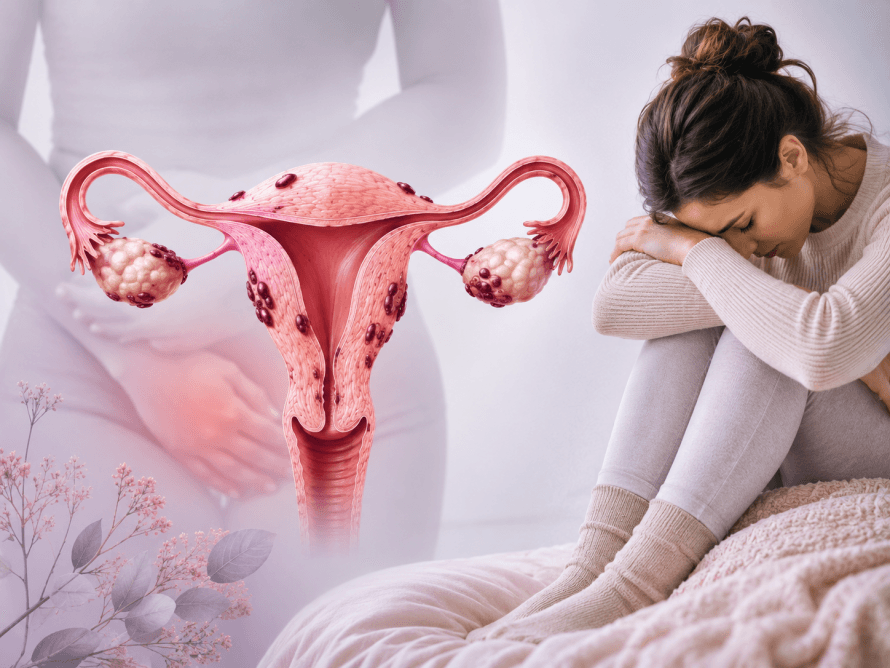
Image generated by AI
Uterine lining grows outside the uterus
In endometriosis, tissue similar to the uterine lining implants itself outside the uterus. These endometriotic lesions can be found on the ovaries, fallopian tubes, peritoneum, intestines, or bladder. Rarely, they may also occur on other organs. These lesions behave like the endometrium. They build up during the menstrual cycle and bleed during menstruation. However, this blood cannot drain away as it does during a normal menstrual period, which can sometimes lead to inflammation, adhesions, and, in some cases, cysts.
The causes remain unclear to this day
It is not entirely clear why endometriosis develops. Presumably, several factors play a role.
Among the factors under discussion are:
- genetic predisposition
- changes in the immune system
- hormonal influences
- menstrual blood flowing backward through the fallopian tubes
- inflammatory processes in the abdominal cavity
Symptoms can vary widely
Not every woman experiences the same symptoms. Some experience only mild discomfort, while others suffer from severe pain every month. The intensity of the pain does not necessarily indicate the severity of the condition. Even small endometriosis lesions can cause severe symptoms.
Typical symptoms include:
- severe menstrual cramps
- chronic lower abdominal pain
- Pain during sexual intercourse
- Pain when urinating or having a bowel movement
- heavy or irregular bleeding
- Back pain
- Inability to conceive
- Fatigue and exhaustion
Endometriosis often goes undiagnosed for a long time
For years, many women are told that severe menstrual cramps are normal. As a result, the diagnosis is often made late. On average, several years pass between the first symptoms and the final diagnosis. For many affected women, this delay is a significant burden. Pain can severely interfere with school, work, relationships, and leisure activities. That’s why persistent, severe menstrual pain should always be evaluated by a gynecologist.
How the Diagnosis Is Made
First, there is a detailed discussion about the symptoms and their relationship to the menstrual cycle. The gynecologist then performs a gynecological examination. An ultrasound can reveal larger endometriosis lesions or cysts. However, small lesions usually go undetected. The most reliable method is a laparoscopy. During this procedure, endometriosis lesions can be directly identified and are usually removed at the same time.
What treatment options are available
Treatment depends on the symptoms, the patient’s age, and any desire to have children. Anti-inflammatory pain relievers are often used to alleviate pain. Hormone medications can slow the growth of endometriosis lesions and reduce symptoms. However, if these measures are insufficient or if a woman is unable to conceive, surgery may be advisable. The goal is to remove as many endometriosis lesions as possible and to break up adhesions.
Everyday life also plays an important role
Many women with endometriosis also benefit from supportive measures.
The following can be helpful:
- regular exercise
- heat for pain relief
- relaxation techniques
- a balanced diet
- enough sleep
- Interaction in support groups
While these measures are not a substitute for medical treatment, they can help improve quality of life.
Conclusion: Severe menstrual cramps should not be accepted as normal.
Endometriosis is a common but often long-underdiagnosed condition. Persistent or particularly severe menstrual pain should therefore always be taken seriously and evaluated by a gynecologist. Thanks to modern diagnostic and treatment options, these symptoms can often be significantly alleviated today, leading to a lasting improvement in the quality of life for many affected individuals.
Share this article
Verified expertise
Recommended specialists
11 specialists
11 results

Ass. Prof. Dr. Resmiye Ermis
Frankfurt am Main


University Hospital, Tubingen
Tuebingen






Prof. Dr. med. Amadeus Hornemann
Frankfurt am Main



Prof. Mag. Dr. med. Andreas Widschwendter
Senior Surgical Gynaecology Consultant Private Practice
Innsbruck

1 / 2
News
Read next
- News
Scabies: A contagious skin disease that is easily treatable
Oct 26, 2026
Severe itching and minor skin changes should be taken seriously
Read more - News
Heat Rash: What's Behind the Itchy Blisters
Oct 23, 2026
Heat Rash: Heat and Sweat Can Disrupt the Skin's Balance
Read more - News
Enlarged Prostate – When Medication Is Sufficient and When Surgery Is Recommended
Oct 21, 2026
Why Many Men Ignore Urinary Problems for Too Long
Read more