News
Heel Spurs: Why Every Step Can Be a Strain

Melanie Al Tikriti, BSc ·
Stabbing pain under the heel is one of the most common foot problems among adults. At first, it often occurs only in the morning after getting out of bed or after prolonged periods of rest. The pain seems to ease somewhat with the first few steps, but it quickly returns after prolonged activity. Those affected initially suspect overuse or a bruise, but these symptoms are often caused by a heel spur—a bony growth on the heel bone that can significantly interfere with daily life.
A heel spur usually develops slowly over months or even years. The pain can become so severe that even short walks or prolonged standing become a burden. The sooner the underlying cause is identified, the more effectively the symptoms can be treated, and chronic pain can be prevented.
It’s not the bone spur alone that causes the symptoms
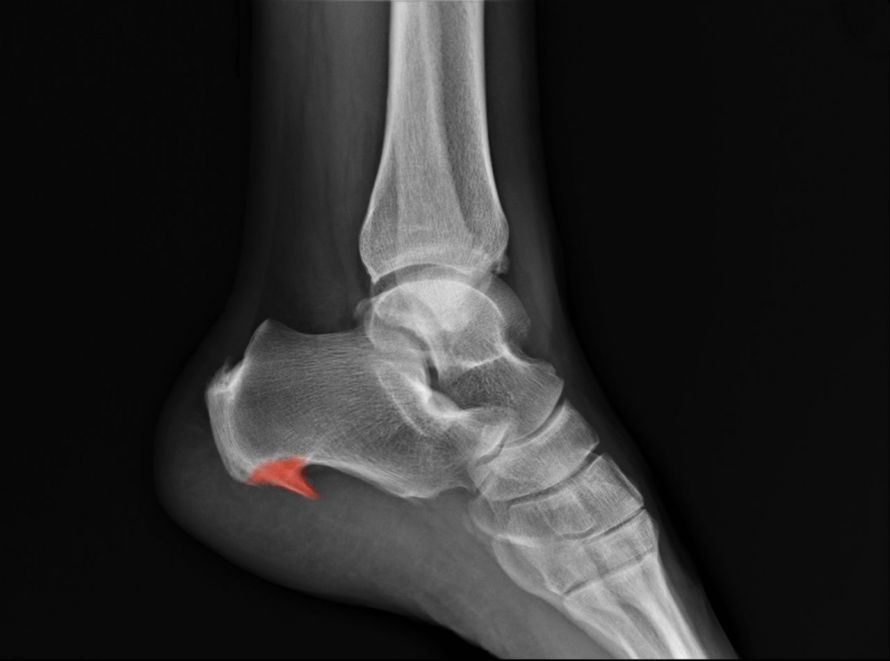
A heel spur is a small bony protrusion on the heel bone. Many people think that this bone spur is directly responsible for the pain. In fact, the symptoms are usually caused by irritation of the plantar fascia—a strong band of tissue that extends from the heel to the toes and stabilizes the arch of the foot.
When this tendon sheet is subjected to heavy strain over an extended period, tiny injuries occur at the tendon’s attachment point, which the body attempts to repair. Over time, a bony spur may form as a result. Interestingly, many people have a heel spur without ever experiencing pain. The typical symptoms only occur when the surrounding structures become inflamed or irritated.
Various factors can contribute to its development
A heel spur usually does not result from a single event, but rather from repeated stress over an extended period of time. People who stand for many hours at work or run regularly are particularly prone to developing symptoms.
The most common risk factors include:
- Being overweight
- Prolonged standing or walking
- Intense physical activity
- inappropriate footwear
- Foot deformities such as fallen arches or flat feet
- Tight calf muscles
- advancing age
Typical symptoms include pain upon first walking in the morning
The most noticeable symptom of a heel spur is so-called “start-up pain.” Many people with this condition report that the first few steps after getting out of bed are particularly uncomfortable. After a few minutes, the pain often subsides somewhat, but it returns during longer walks or after strenuous activity.
Typical symptoms include:
- sharp pain under the heel
- Start-up pain after getting out of bed
- Pain after sitting for a long time
- Pain when pressure is applied to the heel
- Difficulty walking or standing
- Limited ability to bear weight
- Limping when pain is severe
As the condition persists, many people unconsciously change their gait to relieve pressure on the painful area. Over time, this can also lead to knee, hip, or back pain.
Not all heel pain is caused by a heel spur
Heel pain can have various causes. In addition to a heel spur, other possible causes include inflammation of the Achilles tendon, bursitis, stress fractures, or nerve irritation. For this reason, the cause should be evaluated by a doctor.
How the diagnosis is made
The description of the symptoms alone provides important clues. The doctor then examines the foot to determine where tenderness occurs and how mobile the foot and ankle joint are. An X-ray can reveal the bony spur. In some cases, an ultrasound or an MRI may also be necessary.
What treatment options are available
A heel spur can usually be treated without surgery. The goal is to relieve pressure on the irritated tendon plate and reduce inflammation. Special insoles with soft heel padding are often prescribed. They relieve pressure on the painful area and improve pressure distribution while walking. Stretching exercises for the calf muscles and the plantar fascia also help reduce tension at the tendon insertion point.
Physical therapy can improve mobility and correct improper weight-bearing patterns. For more severe symptoms, anti-inflammatory medications or shockwave therapy may be considered.
Surgery is considered only if conservative measures do not result in sufficient improvement.
What People with This Condition Can Do Themselves
It is especially important not to completely avoid movement despite the pain. The healing process can also be supported by a few simple measures.
Helpful measures include:
- wearing well-cushioned shoes
- doing regular stretching exercises
- Losing excess weight
- Avoiding prolonged improper weight-bearing
- cooling the heel after exertion
- Gradually increase physical activity
Patience is part of the treatment
A heel spur does not heal within a few weeks. It can take several months for the symptoms to disappear completely. However, if you consistently follow the recommended measures and avoid overloading your foot, you have a good chance that the pain will gradually subside and you’ll be able to go about your daily life again without major limitations.
Conclusion: Early treatment can prevent chronic pain.
A heel spur usually develops gradually and is often first noticeable as severe pain when starting to walk. Even though every step can sometimes be painful, there are numerous effective treatment options available today. With an early diagnosis, appropriate footwear, and consistent therapy, symptoms can be significantly alleviated in most cases, and mobility can be maintained in the long term.
Share this article
Verified expertise
Recommended specialists
15 specialists
15 results

Asst Lect. Dr Ralf Decking
Leverkusen


Dr. Daniel Krapf
Headof the St. Anna Foot Center, Lucerne – Head of the St. Anna Department ofOrthopedics
Lucerne






Sportklinik Freiburg
Freiburg


Dr René Malzkorn
Founder and Practice Proprietor

PD Dr. med. Friedrich Kutscha-Lissberg
Gelsenkirchen


Prof. Dr. Detlev Uhlenbrock
Dortmund



1 / 2
News
Read next
- News
Scabies: A contagious skin disease that is easily treatable
Oct 26, 2026
Severe itching and minor skin changes should be taken seriously
Read more - News
Heat Rash: What's Behind the Itchy Blisters
Oct 23, 2026
Heat Rash: Heat and Sweat Can Disrupt the Skin's Balance
Read more - News
Enlarged Prostate – When Medication Is Sufficient and When Surgery Is Recommended
Oct 21, 2026
Why Many Men Ignore Urinary Problems for Too Long
Read more