News
Nail Fungus: When the Nail Changes Gradually

Melanie Al Tikriti, BSc ·
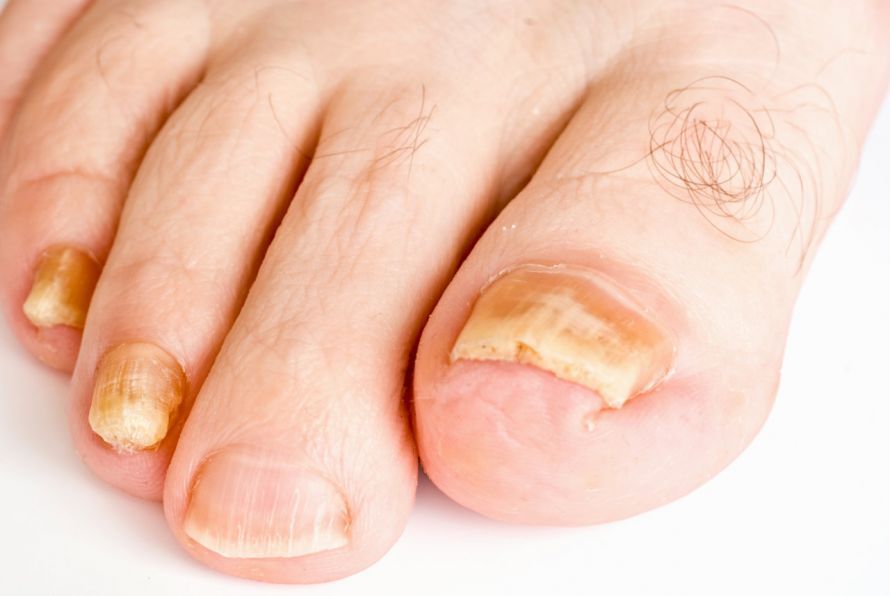
Yellowish nails, brittle edges, or a thickened nail plate are often initially viewed as a harmless cosmetic issue. In fact, however, these symptoms may be caused by a fungal nail infection—one of the most common conditions affecting fingernails and toenails. The infection usually develops slowly and often causes no pain at first. Without treatment, however, the fungus often spreads further and can cause permanent damage to the nail.
Nail fungus is not just a cosmetic problem. The condition is contagious and usually does not go away on its own, but with consistent treatment and a little patience, there is a good chance that a healthy nail will grow back.
How a Fungus Infects the Nail
Nail fungus, medically known as onychomycosis, is usually caused by filamentous fungi. They enter the nail or nail bed through small injuries or fine cracks and multiply there slowly. Toenails are particularly often affected, as fungi find ideal conditions there. Warmth and moisture inside closed shoes promote their growth. Fingernails are affected much less frequently, but can also be infected. Over time, the fungi attack the nail tissue. This alters the appearance and stability of the nail.
Why Nail Fungus Can Develop So Easily
Not everyone develops nail fungus at the same rate. Various factors can significantly increase the risk.
These include:
- Athlete’s foot
- excessive sweating
- tight or poorly ventilated shoes
- minor injuries to the nail
- Diabetes mellitus
- Circulatory disorders
- a weakened immune system
- advanced age
Walking barefoot in swimming pools, saunas, or communal showers can also increase the risk of infection.
Early signs are often underestimated
Nail fungus usually develops gradually. At first, there are often only minor changes that are easily overlooked.
Typical signs include:
- yellowish, whitish, or brownish discoloration
- thickened nails
- brittle or splitting nail edges
- a rough nail surface
- Separation of the nail from the nail bed
- Pain when pressure is applied while walking
The more the infection progresses, the more the nail is damaged. In some cases, the entire nail may be affected.
Why Treatment Requires Patience
Nails grow very slowly. That’s why it often takes many months for a healthy nail to grow back completely. Even after the fungus has been successfully treated, visible changes may persist at first.
Many people therefore stop treatment too soon. As a result, any remaining fungal spores can lead to a recurrence of the infection. It is therefore particularly important to follow the treatment consistently for the recommended duration.
How to Diagnose Nail Fungus
Often, the typical appearance of the nail alone provides important clues. To confirm the diagnosis, the dermatologist usually takes small nail samples, which are examined in a laboratory as part of a fungal diagnostic test. This allows the pathogen to be identified and other nail conditions to be ruled out. Only then can a decision be made regarding the most appropriate treatment. A definitive diagnosis is important because not every nail change is caused by a fungus. Psoriasis or injuries can cause similar changes.
What Treatment Options Are Available?
Treatment depends on how far the fungus has already spread. If only small areas of the nail are affected, medicated nail polish or special creams are often sufficient. However, these must be applied regularly and over an extended period of time.
If the fungus has already penetrated deep into the nail or if multiple nails are affected, oral medications are often used in addition. They combat the fungus from the inside and increase the chances of recovery. During treatment, the affected parts of the nail are regularly trimmed or carefully removed so that the medications can work more effectively.
What Those Affected Can Do Themselves
In addition to treatment, simple hygiene measures can also help support the healing process and prevent reinfection.
The following are recommended:
- Thoroughly dry your feet after washing
- Change your socks daily
- Wear breathable shoes
- Disinfect your shoes regularly
- Do not share towels
- Clean nail clippers after use
- Treat athlete's foot thoroughly
You should also wear shower shoes in swimming pools, saunas, or communal showers to reduce the risk of reinfection.
Conclusion: Consistency and patience are the keys to successful treatment.
Nail fungus usually develops slowly and rarely goes away without treatment. With the right therapy, consistent hygiene, and a little patience, the fungus can be successfully treated. Those who have changes in their nails checked by a doctor early on and continue treatment until a healthy nail has fully regrown can effectively prevent relapses.
Share this article




News
Read next
- News
Scabies: A contagious skin disease that is easily treatable
Oct 26, 2026
Severe itching and minor skin changes should be taken seriously
Read more - News
Heat Rash: What's Behind the Itchy Blisters
Oct 23, 2026
Heat Rash: Heat and Sweat Can Disrupt the Skin's Balance
Read more - News
Enlarged Prostate – When Medication Is Sufficient and When Surgery Is Recommended
Oct 21, 2026
Why Many Men Ignore Urinary Problems for Too Long
Read more