Lip augmentation is a cosmetic procedure that can make the lips appear fuller, more balanced, and more youthful. This is primarily achieved using biodegradable fillers such as hyaluronic acid, collagen, or autologous fat, which are injected precisely into the red part of the lips or along the lip line. The treatment typically takes only 20 to 30 minutes, is performed on an outpatient basis under local anesthesia, and is considered a minor procedure with a short recovery period. Many patients seek not only increased volume but also a more defined lip contour or correction of thin lips. The average cost is around 2,000 euros, and touch-ups are usually necessary after a few months.
In this article, you’ll learn about the available methods, what results are realistic, and what risks to be aware of. You’ll also find a selection of plastic and aesthetic surgeons who specialize in lip augmentation.
Reasons & Desires for Lip Augmentation
Many patients desire fuller lips, a clearly defined lip contour, or a harmonious balance between the upper and lower lips. A sensual “pout” is also considered by many to be an ideal of beauty. In addition to aesthetic considerations, age-related changes also play a role: Over the years, the fatty tissue under the skin decreases, the natural hyaluronic acid content drops, and the red part of the lips appears narrower. Small wrinkles around the mouth can also be bothersome.
Lip augmentation can help counteract these changes and give the lips more volume and a more youthful appearance. The goal is always a natural, harmonious result that complements the individual’s facial features.
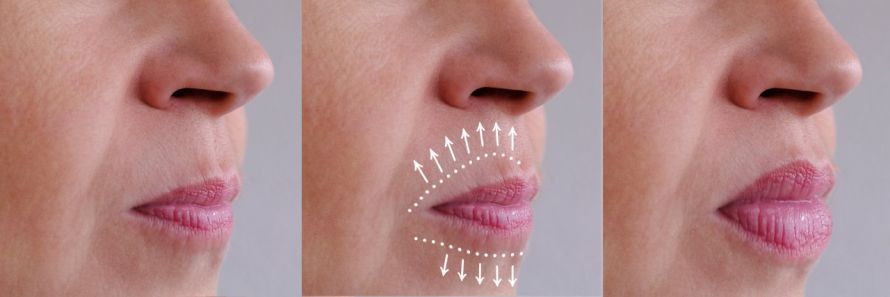
Preparing for Lip Augmentation: What You Should Know
Before undergoing lip augmentation, there are a few important points to consider to ensure the procedure is as safe as possible and minimizes the risk of complications.
- Medications: Avoid taking pain relievers such as aspirin or ibuprofen for 14 days before the treatment, as these can inhibit blood clotting and lead to increased bruising.
- Lifestyle: Alcohol, sleeping pills, and sedatives should also be avoided, as they can interfere with the healing process.
- Allergy test: If collagen is used, an allergy test is required four weeks before the procedure. If you opt for hyaluronic acid or autologous fat (lipofilling), this step is not necessary.
Careful preparation is essential for a successful treatment outcome. This always includes a detailed consultation with an experienced specialist in plastic and aesthetic surgery, during which individual wishes, expectations, and potential risks are discussed.
Lip Augmentation Methods: Fillers, Hyaluronic Acid, and Autologous Fat
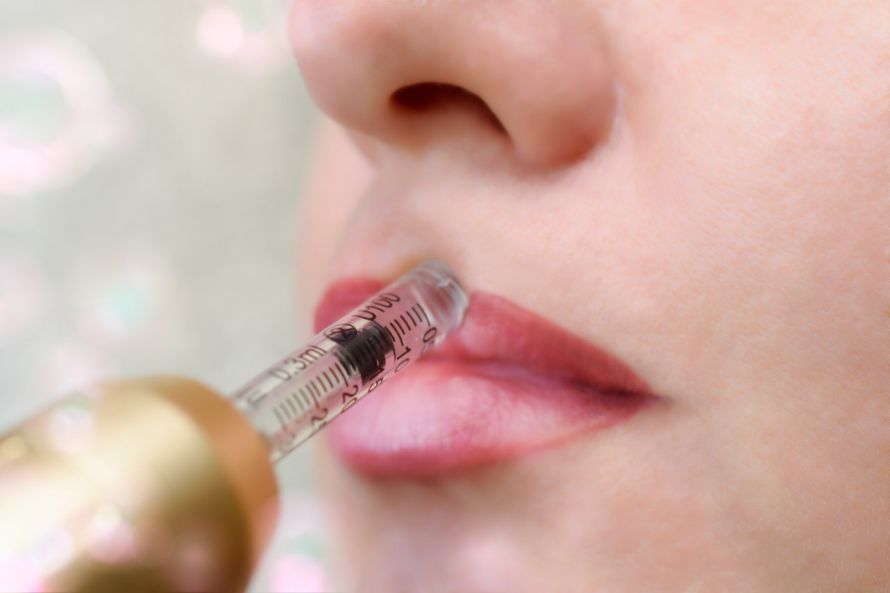
Various methods are available for lip augmentation. The most common approach involves the use of biodegradable fillers, which are injected directly into the lip area.
Hyaluronic Acid Fillers
Lip augmentation with hyaluronic acid is one of the most commonly used methods worldwide. It is suitable for precisely defining the lip contour or visibly increasing lip volume. A soft gel is injected directly into the lips using a fine needle and targeted—either into the red of the lips or along the lip line.
The procedure is considered gentle, quick, and flexible: depending on the desired result, small wrinkles can be softened or significant increases in volume can be achieved. The effects typically last about 6 to 9 months, after which the substance is broken down by the body.
Autologous Fat / Lipofilling
In lip augmentation with autologous fat—also known as lipofilling—fat tissue is first harvested from the patient’s own body. The fat is usually harvested from the abdomen or thighs, where excess fat is specifically suctioned out. The fat is then processed and injected into the lips to achieve the desired correction.
Since it is a natural, autologous filler, treatment with autologous fat is considered very well tolerated and carries only a low risk of allergic reactions. Many patients find the results to be particularly natural and harmonious with their individual lip shape. However, the procedure is somewhat more complex, as it requires a small surgical step in addition to liposuction. In return, the results can last for many years.
Other Methods / Surgical Approaches
Surgical procedures or permanent fillers are used less frequently. These methods are considered less common because they may be associated with higher risks, such as rejection reactions or palpable foreign bodies. Most specialists therefore recommend the use of biodegradable fillers.
The treatment is performed on an outpatient basis under local anesthesia, similar to a dental procedure. It usually takes 20 to 30 minutes and does not require a hospital stay.
Comparison of Lip Augmentation Methods
| Method | Material | Duration | Advantages | Disadvantages |
|---|---|---|---|---|
| Hyaluronic Acid Filler | Biodegradable gel based on hyaluronic acid | Approx. 6–9 months | - Immediately visible results- Outpatient procedure, short duration (20–30 min.) - Easily controllable (amount, shape) |
- Regular touch-ups required- Mild swelling possible |
| Autologous Fat / Lipofilling | The body’s own fat tissue (e.g., from the abdomen or thighs) | Partially permanent (if the fat takes hold), otherwise lasts several years | - Very well tolerated, as it is the body’s own tissue - Natural look - Lower risk of allergies |
- Additional procedure required for fat extraction - Results are not always fully predictable |
| Permanent Fillers / Surgical Methods | Permanent fillers or surgical procedures | Permanent | - No touch-ups necessary - Significant volume increase possible |
- Higher risk of rejection or palpable foreign bodies - Complex procedure, difficult to reverse |
After Lip Augmentation: Swelling, Healing, & Follow-Up
Mild side effects are completely normal after lip augmentation. Immediately after the injection, the following may occur in the treated area:
- mild redness,
- swelling,
- tenderness,
- occasional itching.
These reactions are considered mild to moderate and usually subside on their own within a few days to a week at the latest. In rare cases, more severe or asymmetrical lip swelling may occur, which also usually subsides on its own.
A follow-up visit with a specialist in plastic and aesthetic surgery is recommended to assess the results and make minor adjustments if necessary. Complications such as hypersensitivity reactions or infections are rare but should be taken seriously and evaluated by a doctor.
Care & Aftercare Following Lip Injections
Proper aftercare following lip augmentation supports the healing process and ensures optimal results.
- Immediately after the procedure: For the first 6 hours, the treated areas should not be touched if possible. After that, gentle washing with mild soap and light makeup are permitted again.
- Swelling & Redness: Until these have subsided, patients should avoid strong sunlight, tanning beds, saunas, and extreme cold.
- Follow-up & Touch-ups: In some cases, minor touch-ups may be recommended; these can be performed within 2 to 4 weeks.
- Touch-up Treatment: Depending on the method used and the individual’s metabolism, a repeat treatment is recommended after about 3 to 6 months, usually with smaller amounts of hyaluronic acid.
An experienced specialist in plastic and aesthetic surgery provides personalized recommendations for aftercare and tailors the treatment to the patient’s individual needs.
Do’s & Don’ts After Lip Augmentation
| Do’s | Don’ts |
|---|---|
| Be gentle with the treated areas during the first few hours | Touch or massage your lips during the first 6 hours |
| Gently cleanse with water and mild soap | Avoid saunas, tanning beds, or direct sunlight for the first few days |
| Light makeup is allowed after a few hours | Extreme cold (e.g., winter sports immediately after the procedure) |
| If swelling occurs, cool the area gently (e.g., with a cold pack wrapped in a cloth) | Do not consume alcohol or take blood-thinning medications without consulting your doctor |
| Attend the follow-up appointment and any necessary minor touch-ups | High-impact exercise immediately after treatment |
What are the risks of lip augmentation?
As with any cosmetic procedure, lip augmentation also carries potential risks and side effects.
- Allergies: Patients with known allergies—for example, to animal proteins—should be sure to discuss this with their plastic and aesthetic surgeon before treatment. In these cases, products based on biosynthetic hyaluronic acid are used, as they are considered to be particularly well-tolerated.
- Side effects: Short-term reactions such as redness, swelling, or minor bruising are common and usually resolve on their own.
- Permanent fillers: With permanent fillers, there is a risk of immune reactions, such as the formation of granulomas or palpable foreign bodies. For this reason, many specialists now avoid using permanent materials.
- Safe Alternatives: Biodegradable substances such as hyaluronic acid, lactic acid, or autologous fat are considered safer because they are completely broken down by the body.
A personalized consultation before the procedure helps identify risks and choose the method that best suits your individual circumstances.
Risks of Lip Augmentation at a Glance
Common, mostly temporary side effects:
- Mild swelling or redness
- Small bruises at the injection site
- Temporary tenderness or itching
Less common complications:
- More severe or asymmetrical swelling
- Allergic reactions (e.g., with animal-derived collagen products)
- Hypersensitivity reactions or infections
- Granuloma formation with permanent fillers
Safe alternatives:
- Biodegradable substances such as hyaluronic acid, lactic acid, or autologous fat are considered to be better tolerated and are completely broken down by the body.
Results & Prospects for Success with Lip Augmentation
Lip augmentation can produce very different results depending on the method used and the individual’s preferences. Many patients wish for fuller-looking lips and a well-defined lip shape that harmonizes with their facial features.
- Contour & Freshness: By enhancing the contour, the lips appear more youthful and defined. Fine lines around the mouth can be smoothed out at the same time, so the treatment often serves as part of a wrinkle treatment regimen.
- Volume & Shape: With targeted treatment, lip volume can be significantly increased. This creates beautiful, curved, and full lips that give the mouth an aesthetically pleasing appearance. Even an upper lip that is too narrow can be adjusted so that the upper and lower lips once again appear harmonious.
- Individual Preferences: Whether you’re looking for a subtle enhancement, a harmonious correction of the lips, or a pronounced “pout”—the results can be tailored to your individual preferences. Often, the desired result is achieved only by combining several methods of lip augmentation using fillers or autologous fat.
An experienced specialist in plastic surgery or plastic and aesthetic surgery is best suited to assess what outcome is realistic for lip augmentation.
Permanent vs. Temporary Methods: A Comparison of Duration
The duration of lip augmentation depends on the chosen method and on individual factors such as age, skin type, lifestyle, and muscle activity.
- Temporary methods: Biodegradable substances such as hyaluronic acid or collagen remain effective for an average of 6 to 9 months. With stabilized formulations, the effect may last slightly longer. Afterward, the material is completely broken down by the body, causing the lips to return to their original shape.
- Autologous fat (lipofilling): In this procedure, fat is harvested from the abdomen or thighs, processed, and injected into the lips. Since it is the body’s own tissue, treatment with autologous fat is particularly well tolerated. A portion of the material becomes permanently integrated, which is why the results can remain visible for several years.
- Permanent methods: Surgical procedures or permanent fillers allow for long-term lip augmentation but are associated with higher risks, such as rejection reactions. For this reason, many specialists today primarily recommend temporary methods.
How long the lips appear visibly fuller therefore varies greatly from person to person. Over time, however, the lips may lose their fullness again, making a touch-up advisable. An experienced doctor will determine which method is likely to yield the desired results during a detailed consultation.
FAQs on Lip Augmentation
What is the difference between lip augmentation with fillers and autologous fat?
In lip augmentation with fillers, hyaluronic acid is injected directly into the lips. The effect lasts for several months. In treatment with autologous fat, the body’s own fat tissue is harvested, processed, and injected into the lips. The result can look more natural and, in some cases, be permanent.
How long do the results of lip augmentation last?
The results of lip augmentation depend on the method used: hyaluronic acid fillers last about 6–9 months, while autologous fat can last several years. Over time, however, the lips may lose some of their fullness again.
What is a lip flip?
A lip flip is a minimally invasive procedure in which a muscle relaxant is injected into the area above the upper lip. This causes the lip shape to roll slightly outward, making the lips appear curved and full without the need for additional volume injections.
What risks and allergic reactions are possible?
Mild swelling or small bruises are common. In rare cases, allergic reactions may occur, for example with fillers of animal origin. Biodegradable products such as hyaluronic acid or autologous fat, on the other hand, are considered to be particularly well-tolerated.
Who is a good candidate for lip augmentation?
Lip augmentation is suitable for patients who desire beautiful, well-shaped lips—whether to enhance the contour, correct a narrow upper lip, or give the face a more harmonious appearance.

About the medical author
Asst Lect. Dr Klaus Exner
Medical Author · Senior Consultant · Frankfurt am Main