Autologous fat transfer (also known as lipofilling) refers to the removal of fat cells for reinjection into other areas of the body. It is commonly used in cosmetic surgery and is a minimally invasive procedure, for example, to smooth out wrinkles.
Here you will find further information as well as a selection of specialists and centers offering autologous fat grafting.
What is autologous fat transplantation used for?
Autologous fat grafting is also known as lipofilling. It is used wherever there is a loss of fat tissue or soft tissue due to illness or the aging process.
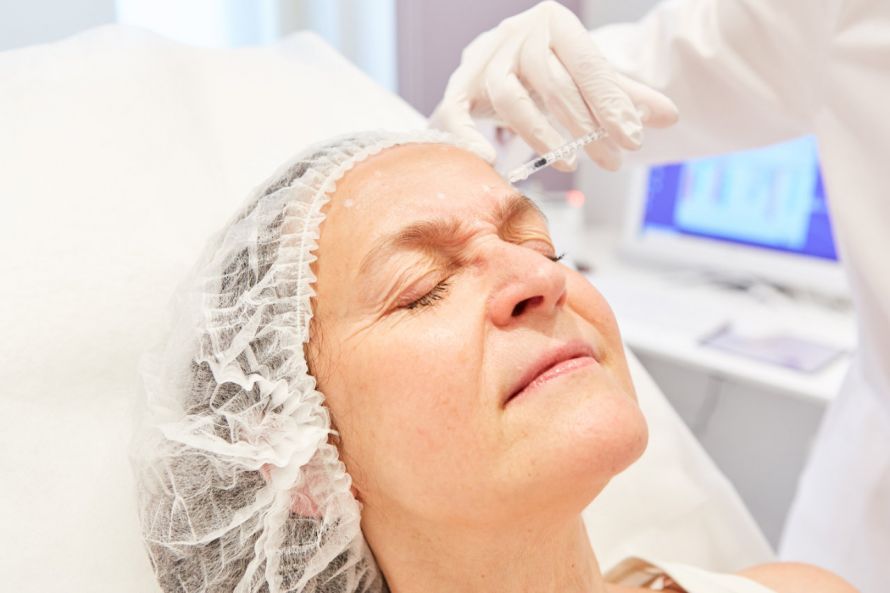
Autologous fat grafting can also help create a more “plump” appearance and make you look younger.
Examples include:
- Filling facial wrinkles
- Making lips fuller
- Smoothing deep under-eye circles
- Filling out the cheeks and cheekbone area
Autologous fat injection is considered a “non-surgical facelift” or serves as a complement to one. This allows patients to undergo a less invasive procedure. Residual dimples following liposuction can also be smoothed out using this method.
Breast augmentation using autologous fat is also possible, but can be problematic. The required amounts of fat are very large. In addition, some of the injected fat cells die off, liquefy into “cysts,” and can calcify. Under certain circumstances, doctors may mistake this for breast cancer during a mammogram.
Why use your own fat?
The body tolerates its own fat cells best. This means there is no risk of rejection, as with other transplant materials. They also cannot trigger allergies.
As a living tissue complex, they integrate into the target site, do not migrate, and last a lifetime.
Using the modern microfat injection technique developed by Coleman, the doctor can shape the autologous fat with sculptural precision, much like a sculptor. Experts refer to this method as the “sculptural fat grafting technique.”
How is an autologous fat transfer performed?
Most lipofilling treatments can be performed painlessly under local anesthesia, with or without additional twilight sedation. Inpatient hospitalization is rarely necessary.
During the procedure, the doctor harvests subcutaneous fat tissue:
- From the abdomen
- From the outer or inner thighs
- From the buttocks
First, specialists clean the fat tissue, centrifuge it, and draw it into small syringes. Using fine, specialized cannulas, the doctor then injects small portions of fat into other parts of the body.
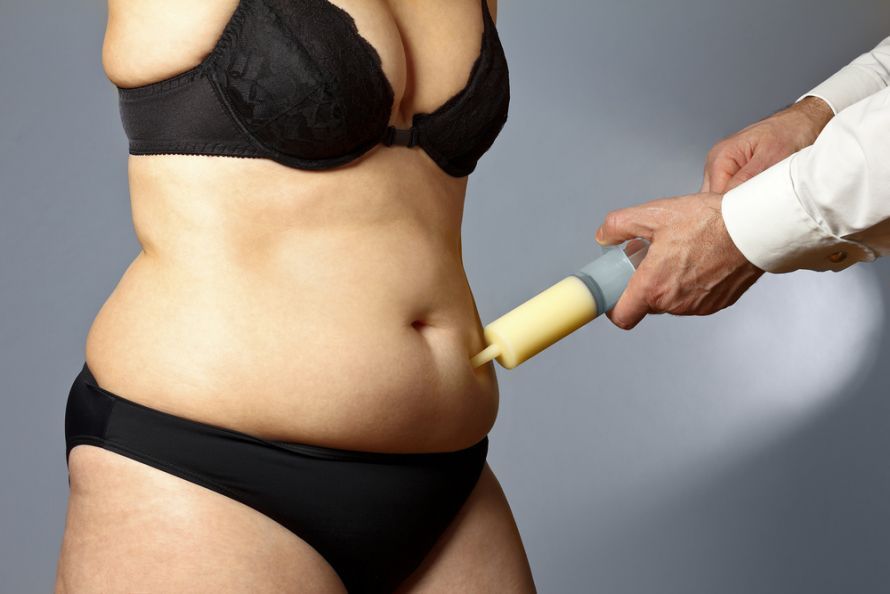 Fat is usually harvested from the legs, buttocks, or abdomen @ agenturfotografin /AdobeStock
The Results of Autologous Fat Injection
The lipofilling technique produces natural-looking results. A major advantage is that they last a lifetime.
Postoperative swelling and bluish discoloration disappear after one to three weeks. You shouldn’t expect any pain.
The treatment is minimally invasive. No special aftercare is required.
What does the future hold for autologous fat transplantation?
Fat cells can already be cultured and multiplied in the laboratory today. Experts expect this method to continue to be used in the future.