Is it possible to lose weight without dieting?
Yes and no. Because not all diets are the same. There is a broad definition and a narrow definition of “diet.”
In a broader sense, it simply refers to a specific eating plan designed to prevent or treat medical conditions.
These include, for example:
- recovery diets after surgery and
- light meals
Nowadays, most people think of “diet” only in terms of weight-loss diets. In these cases, people aim to lose weight in a short period of time. If you want to lose weight permanently, a temporary change in eating habits is not the goal.
A diet—in the sense of a lasting change in eating and behavioral habits—is essential for achieving long-term weight loss.
A weight-loss diet isn’t necessarily the answer. In most cases, it only leads to short-term success and can actually be harmful.
According to the recommendations of the German Nutrition Society (DGE), a balanced, calorie-conscious diet plays a central role.
Healthy weight loss can help lower high blood pressure, reduce the risk of diabetes, stabilize body weight over the long term, and positively influence metabolism.
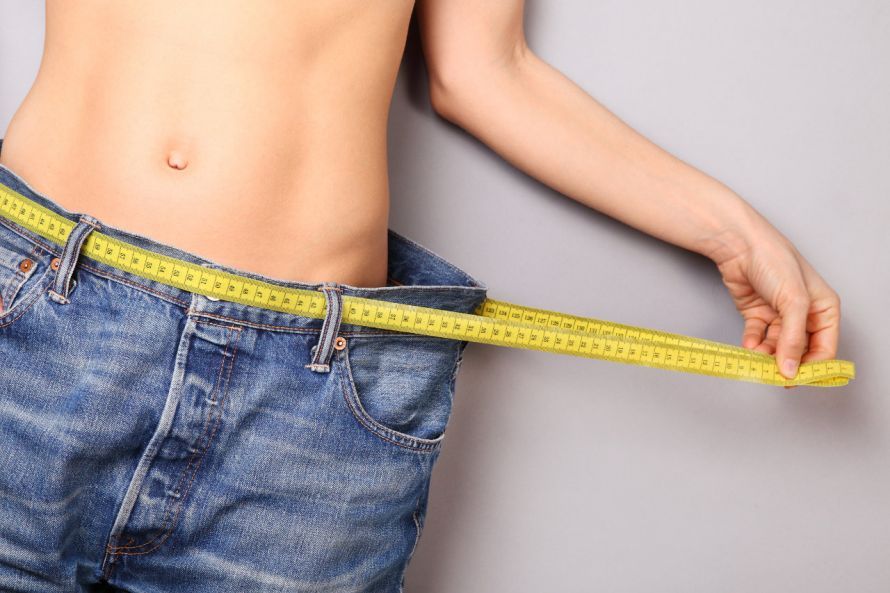
What about losing weight without exercise?
Weight loss occurs when energy intake is consistently lower than the body’s energy needs. Experts refer to this as a negative energy balance.
You can reduce your energy intake by changing your diet and increase your energy expenditure through physical activity.
In theory, it’s sufficient to address just one component of the energy balance—such as diet alone—to lose weight. So losing weight is certainly possible even without exercise.
However, physical activity offers several benefits. Exercise increases energy expenditure, which contributes to successful weight loss and weight maintenance.
Increasing your daily activity levels can have a similarly positive effect as a structured exercise program. Building muscle increases your basal metabolic rate, which also makes it easier to lose weight.
Physical activity also has another positive effect when it comes to weight loss.
After significant weight loss, skin that was previously stretched may not retract easily. Exercise can help strengthen and firm connective tissue and skin.
Incidentally, significant weight loss is difficult to achieve through exercise alone—that is, without changing your diet. Very few people can commit the time required for this. Many people overestimate the number of calories burned during physical activity.
For example, an hour of walking doesn’t make up for a bar of chocolate. The combination of dietary changes and increased physical activity is the best way to lose weight.

Is it possible to lose weight without going hungry?
As part of a healthy, balanced, and reduced-calorie mixed diet, there are many foods available that can help you feel full. For example, you’ll stay full if you eat less fat and sugar and more fruits and vegetables instead.
Starving yourself to lose weight isn’t necessary—and in fact, it means you’re not on the right track yet.
I want to lose weight quickly and get slim!
Diets that restrict your calorie intake (800 to 1,200 kcal/day) lead to significant weight loss in a short time. However, this weight loss is often not long-lasting.
During weight loss, energy expenditure decreases. When you return to your previous eating and exercise habits, you’ll gain weight again.
It often even exceeds your original weight (the yo-yo effect). It therefore makes sense to adopt a dietary approach that you can maintain in the long term (ideally for life).
In addition to the yo-yo effect, losing weight too radically and too quickly can also lead to serious health problems. The risk of developing gallstones increases with weight loss. It rises even further if you lose weight quickly and drastically.
There is also a risk that heart failure will worsen and bone density will decrease.
There are therefore many reasons to lose weight more slowly and in a “healthy” way.

What does “healthy weight loss” mean? How can you lose weight without the yo-yo effect?
You should keep three components in mind:
- Dietary changes
- Increased physical activity, and
- Behavioral change
To achieve long-term success, you must therefore change your behavioral patterns. However, you can only make these changes slowly and step by step. Only a permanent (lifelong) change protects against the yo-yo effect.
Healthy weight loss must occur at a moderate pace. In addition, you must consume all necessary nutrients in sufficient quantities. Extremely restrictive approaches (e.g., total fasting) do not lead to long-term success, carry a high medical risk, and should be discussed with a doctor.
If you want to lose weight, you should choose foods with low energy density:
- Low fat and sugar content
- High water and fiber content
A reduced-calorie, balanced diet is recommended for weight loss. In most cases, a calorie deficit of 500 to 800 kilocalories is desirable.
The recommended breakdown is as follows:
- Fat: ≤ 30 percent of total energy intake
- Carbohydrates: ≥ 55 percent of total energy intake
- Protein: approx. 15 percent of total energy intake

A balanced diet is based primarily on plenty of carbohydrates © aamulya | AdobeStock
I want to lose a lot of weight!
It’s important to set a realistic goal when trying to lose weight. From a medical perspective, losing 5 to 10 percent of your starting weight is considered a success. This alone improves many health indicators.
Losing 0.5 to 1.0 kilograms per week during the first 6 to 12 or 24 weeks is a healthy approach.
Special attention should be paid to the phase after weight loss: maintaining the weight you’ve achieved.
Are there any tips for losing weight—how can weight loss be made easier?
A food and exercise diary can help with weight loss (especially in the beginning). This allows you to better track how many calories you consume and burn through exercise.
It’s best to weigh yourself once a week. The following factors have a positive effect on maintaining a stable weight after losing weight:
- Regular doctor-patient contact
- Participation in a support group, and
- Support from family and friends
When losing weight, it can be helpful to practice flexible (rather than rigid) behavioral control. This means setting goals for a manageable period of time, rather than indefinitely.
The target amount should be realistic and specific, and should be about 10 to 20% below (or above) your usual amount. For example, “I’ll try to get by with half a bar of chocolate next week” instead of “I’ll never eat chocolate again.”
With these weight-loss strategies, you can achieve a sense of accomplishment that helps solidify your new behavior.
You can record your achieved goals in a food diary. With strict resolutions, even a small “slip-up” can lead to a “now it doesn’t matter anyway” mindset and to giving up on all your resolutions.
In addition to time-consuming exercise, increasing your daily physical activity can also make it easier to lose weight.
For example, you can:
- Take the stairs instead of the elevator
- Walk instead of driving
Periods without measurable weight loss, even with consistent eating and exercise habits, are normal. The only solution is to stick with it. Often, weight loss works even better afterward.
More tips for losing weight:
- a beautifully set dining table
- enough time to eat
- Chewing thoroughly
- Don’t shop on an empty stomach, and only shop with a grocery list
- Small snacks (e.g., fruit) as needed to avoid cravings
Losing weight with just a few carbohydrates? (Keyword: Atkins Diet)
While you can initially achieve relatively rapid weight loss with a low-carbohydrate diet,
After one year, there is no longer any difference in weight loss between a low-carbohydrate diet and a balanced, low-calorie mixed diet.
The disadvantages of a diet with very few carbohydrates include, for example,
- no reduction in LDL cholesterol
- lack of long-term data
It is therefore suitable, at most, for short-term weight loss.
Is it easier and faster to lose weight with the help of surgery?
It is true that bariatric surgery can be very effective. Depending on the procedure, weight loss ranges from 21 to 38 kg after one year and 15 to 28 kg after ten years.
- With a gastric band, weight loss ranges from 41–54%
- with gastric bypass surgery, between 62–75%,
- For biliopancreatic diversion or the duodenal switch, it ranges from 66–74%
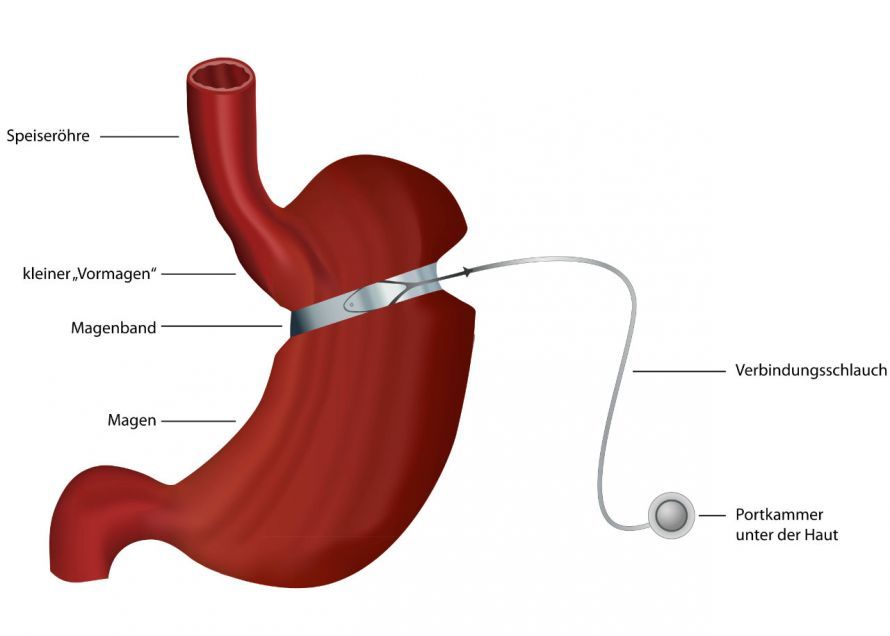
However, weight-loss surgery (bariatric surgery) is also associated with perioperative and postoperative risks. The perioperative mortality rate is approximately 1%.
You should only consider weight-loss surgery after you have tried other measures unsuccessfully for 6–12 months.
No doctor will perform bariatric surgery just because you have a few extra pounds on your hips.
The indication for such surgery exists only in cases of:
- A BMI > 35 kg/m² with serious comorbidities or
- A BMI > 40 kg/m
Do not assume that bariatric surgery marks the end of treatment and that weight loss will happen on its own.
Consistent (lifelong) follow-up care is required in every case. This is the only way to ensure long-term success and avoid complications.
Particularly with restrictive procedures—such as adjustable gastric banding or vertical gastroplasty—it is important for the patient to cooperate and follow the guidelines. Therefore, losing weight through surgery is not easy either.
Furthermore, plastic surgery procedures are not suitable for weight loss in the conventional sense. Liposuction is limited to specific localized areas.