Many methods are gentle, promote the body’s natural regeneration, and improve tissue health over the long term. CO2 lasers and skin-rejuvenating laser treatments are particularly innovative, as they stimulate deep layers of the skin and regenerate the skin’s appearance from the inside out.
Laser Skin Rejuvenation – Treatment Options, Anti-Aging Effects, and Regeneration
Laser procedures are among the most effective methods for skin rejuvenation, as they specifically target deeper layers of the skin and stimulate collagen production. CO2 lasers, laser therapy, or IPL can visibly improve wrinkles, fine lines, acne scars, pigmentation spots, and an uneven skin texture. Skin renewal is stimulated, the complexion is smoothed, and elasticity is enhanced. Fractional lasers are particularly effective, as they gently treat the skin while simultaneously triggering intensive regeneration. This skin rejuvenation treatment is also suitable for those who wish to rejuvenate their face or décolletage.
In a further step, the laser treatment stimulates the body’s own production of collagen and elastin. This leads to long-term smoothing of the skin and a noticeably firmer appearance. Modern procedures are highly advanced and precise, which reduces swelling, redness, and downtime. Laser treatment can also help refine pores and visibly regenerate skin layers.
Laser treatments are particularly effective for aesthetic purposes because they directly target the signs of skin aging. They can also reduce fine lines, small wrinkles, and pigmentation irregularities. With each session, the skin can appear more youthful and firmer, and the skin’s texture can be improved. The treatment is suitable for both younger patients with acne scars and older patients with more advanced signs of aging.
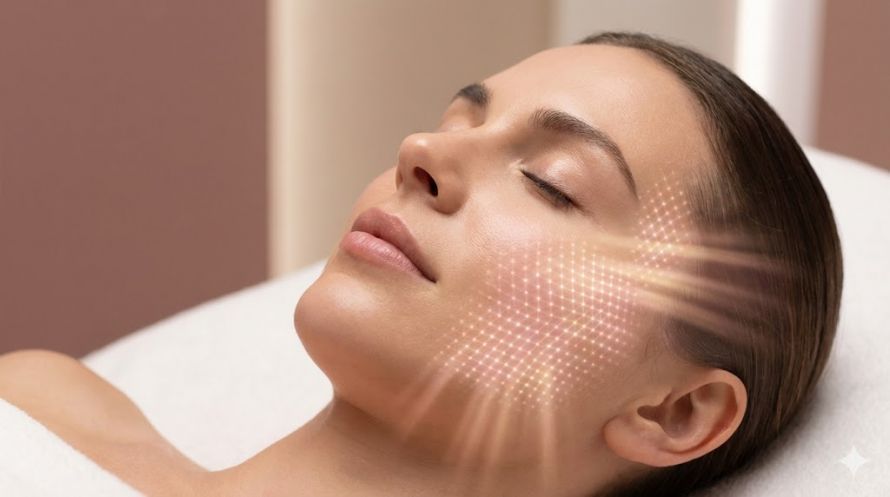
Gentle Aesthetics: Innovative laser procedures can smooth wrinkles and refine the complexion without damaging the skin’s surface.
Minimally Invasive Methods for Wrinkle Treatment – Hyaluronic Acid, Chemical Peels, and Laser Therapy
In addition to lasers, minimally invasive procedures such as hyaluronic acid injections, chemical peels, and botulinum toxin are used. Hyaluronic acid can restore lost volume in the tissue and specifically smooth wrinkles, while peels renew the skin’s surface and reduce pigmentation irregularities. These methods are well-suited for the first signs of skin aging, as they naturally rejuvenate the skin’s appearance and harmonize its structure.
Peels and lasers complement each other particularly well, as peels refine the outermost layer of the skin and stimulate skin regeneration. Laser treatments, on the other hand, stimulate deeper layers of the skin to produce new collagen and elastin. A combination of both techniques can therefore be particularly helpful for acne scars or pigmentation spots. Many patients report visibly smoother, more radiant skin after treatment.
Minimally invasive wrinkle treatments are suitable for people seeking a gentle method of skin rejuvenation. Since they often require no downtime, they can be easily integrated into daily life. Depending on the initial assessment, the dermatologist will recommend a skin rejuvenation method tailored to the patient’s skin type and concerns. Proper post-treatment care is particularly important to support skin regeneration.
Who is a good candidate for skin rejuvenation treatment?
Skin rejuvenation treatments are suitable for people who suffer from wrinkles, fine lines, acne scars, pigmentation issues, or a dull complexion. Laser or wrinkle treatments can also help with sagging skin, the first signs of aging, or slowed skin regeneration. The therapy is particularly suitable for people seeking an aesthetically effective yet gentle method that does not involve surgery.
Many patients opt for laser therapy or hyaluronic acid because it allows the skin to regenerate from within. These procedures visibly improve the skin’s appearance and texture without the need for surgical intervention. Significant anti-aging effects can also be achieved on the décolletage and face. The treatment is also suitable for anyone who desires a more youthful, fresh appearance.
Skin rejuvenation also delivers impressive results for minor aesthetic concerns such as enlarged pores, fine lines, or acne scars. People with dry, thin, or damaged skin also benefit, as lasers stimulate the skin layers and promote regeneration. However, a dermatological examination should be conducted before each session to determine the most appropriate method.
The Skin Rejuvenation Process—Preparation, Treatment, and Aftercare
Before treatment begins, a detailed consultation takes place at the dermatology clinic, during which the dermatologist analyzes your skin type, skin condition, and concerns. Depending on the goal—wrinkle reduction, skin smoothing, treatment of pigment spots, or acne scars—a suitable treatment method is selected. The procedure varies depending on whether a laser, chemical peel, or hyaluronic acid is used, but it is generally gentle and well-tolerated.
During laser treatment, the skin is first cleansed and prepared with a protective layer. The laser emits short, targeted pulses that stimulate deeper layers of the skin and promote collagen production. After the treatment, mild redness or swelling may occur, but this subsides quickly. The skin then begins to regenerate and build new tissue.
Careful aftercare is crucial to optimally support skin regeneration. This includes moisturizers, sunscreen, and, if necessary, soothing creams. In the weeks that follow, the skin becomes visibly firmer, smoother, and more even-toned. For more pronounced wrinkles or deep acne scars, multiple sessions are recommended.
Advantages and Disadvantages of Modern Laser Treatments and Skin Rejuvenation Therapies
One of the greatest advantages of modern skin rejuvenation is the improvement in skin appearance without surgical intervention. Laser therapy and hyaluronic acid make it possible to smooth wrinkles, reduce pigmentation irregularities, and renew the skin’s structure. The production of collagen and elastin is stimulated, which enables long-term anti-aging effects. Many procedures are gentle and can be easily integrated into daily life.
Another advantage is versatility: lasers can be used to treat acne scars, pigmentation spots, large-pored skin, and fine lines. CO2 lasers also enable deep skin renewal. Combined treatments further enhance the results. The skin appears youthful, fresh, and rejuvenated.
Potential drawbacks include possible redness, swelling, or a brief recovery period—especially with intense CO2 laser treatments. People with very sensitive skin may need a little longer for the skin’s surface to fully regenerate. Additionally, it is important to consult an experienced dermatologist, as the treatment must be performed with precision. Regular follow-up treatments may be necessary to maintain the results.
FAQ: Common Questions About Skin Rejuvenation
Can laser therapy also improve acne scars?
Laser therapy can effectively reduce acne scars, pigmentation irregularities, and wrinkles by stimulating skin regeneration.
How long does it take for the skin to regenerate after laser treatment?
The recovery time depends on the intensity of the laser. Mild laser treatments often require only a few days, while CO2 lasers require a longer recovery period until the skin’s surface has fully healed.
Who is a good candidate for treatment of acne scars, wrinkles, and pigmentation disorders?
The treatment is suitable for people with early signs of skin aging, uneven skin texture, scars, pigmentation spots, or fine lines. The dermatologist determines the optimal method based on skin type.
Which skin rejuvenation method is most effective?
CO2 lasers and modern laser therapy produce the most dramatic results, as they penetrate deep into the skin layers and stimulate long-lasting collagen production. Chemical peels and hyaluronic acid ideally complement this effect.
Are there any risks associated with laser treatment for skin rejuvenation?
Mild redness, swelling, or scabbing may occur, but these are usually temporary. Careful aftercare and sun protection are important to protect the skin from irritation.