In many cases today, modern medicine makes it possible to cure or at least improve the condition of patients with cancer and tumors. The appropriate specialists for the diagnosis and treatment of cancer are medical oncologists. The following text covers the various aspects of tumor therapy, briefly summarizes their mechanisms of action, and highlights their benefits and risks. You will also find a list of selected specialists who provide tumor therapies here.
What is cancer treatment?
Cancer and tumor diseases develop when cells in the body divide uncontrollably and invade surrounding tissue. In advanced stages, cancer cells spread through the blood or lymphatic system and sometimes settle in distant parts of the body. This is known as metastasis. Through their invasive growth, tumors impair the function of the affected organs.
Depending on the type of cancer, this manifests as various symptoms, such as a persistent cough in the case of lung cancer.
The goal of cancer treatment is to completely remove the tumor or reduce its size. To this end, oncologists use various forms of treatment. Whenever possible, surgeons remove the tumor completely through surgery.
However, this is often not possible, for example, when the tumor is located in vital organs such as the brain or the lungs. In such cases, medications or radiation therapy help to kill the cancer cells.
Experimental therapies such as hyperthermia can further enhance this effect.
What types of tumor therapies are available?
Chemotherapy – Drug-Based Cancer Treatment
Chemotherapy forms the foundation of many cancer treatments. Highly effective drugs, known as cytostatic agents, prevent cells from dividing and cause them to die. Since cancer cells multiply rapidly, they are particularly targeted by this class of drugs.
This mechanism of action also explains the most common side effects of chemotherapy. This is because, in addition to cancer cells, cells in the hair follicles, the digestive tract, and the bone marrow also divide very rapidly. This results in the well-known side effects such as
- hair loss,
- nausea and vomiting,
- changes in blood counts,
- pain, and
- persistent fatigue.
Medications can alleviate these symptoms, as can supportive measures, such as eating many small meals to combat nausea. Nevertheless, chemotherapy is grueling for patients and requires intensive care.
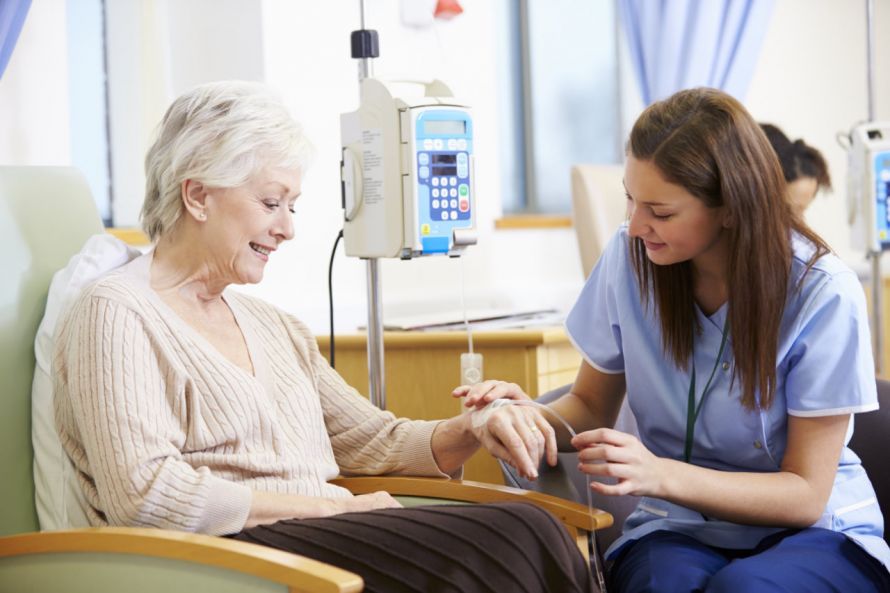
The timing and objectives of chemotherapy vary depending on the type of cancer and the stage of the disease:
- Curative chemotherapy: Chemotherapy may be able to cure the cancer.
- Palliative chemotherapy: A cure is no longer possible, and chemotherapy is used to improve quality of life and prolong life. Some bone metastases, for example, cause severe pain, which subsides as soon as the tumor shrinks due to palliative chemotherapy.
- Adjuvant chemotherapy: This is used after surgery or radiation therapy. Its goal is to eliminate any remaining tumor cells, which prevents or delays a recurrence.
Targeted Tumor Therapies
The latest development in oncology is targeted cancer therapy. Using molecular biology techniques, the tumor is examined for genetic alterations that can serve as a basis for treatment. Based on this, the oncologist then selects the appropriate
- antibodies,
- gene therapies, or
- immunomodulators
. Continuous development and improvement in this area are expected in the coming years.
Anti-hormonal therapy has been established for quite some time. It plays a significant role in the treatment of prostate and breast cancer. Many breast and prostate tumors grow under the influence of the body’s own sex hormones, such as testosterone and estrogen. Antihormonal drugs prevent the release of these hormones and thereby suppress tumor growth.
However, hormone deprivation leads to typical side effects that resemble menopausal symptoms.
Surgery – Surgical Tumor Removal
Surgery is particularly effective in the early stages of cancer, as no metastases have yet formed. At this stage, specialists in oncological surgery can often remove the tumor completely.
In some cases, tumor treatment may even be considered complete afterward, and the patient is deemed cured. However, surgery also improves the prognosis in later stages of the disease.
Depending on the extent and location of the tumor, surgeons may prefer open surgery or minimally invasive surgery. The former provides the surgeon with a better view, while the latter is less taxing for patients.
Radiation Therapy – Destroying Cancer Cells with Radiation
The third pillar of cancer treatment, alongside chemotherapy and surgery, is radiation therapy. This involves using radiation of various wavelengths to destroy the tumor tissue. Surrounding healthy cells are also affected by the radiation. However, they recover more quickly and completely after treatment than cancer cells do.
Local tissue damage is the cause of common side effects of radiation therapy. Many patients experience irritation and inflammation of the skin and mucous membranes. However, pain and itching can be reduced with careful care of the affected areas.
Hyperthermia – Cancer Therapy Using Heat
One procedure that has recently gained momentum is hyperthermia, or the application of heat. This form of therapy is based on ancient knowledge about the effects of fever on various diseases. It is increasingly being investigated in clinical trials.
Preliminary results suggest that the combination of hyperthermia and chemotherapy is particularly effective against certain breast and soft tissue tumors.
The tissue is usually heated using electromagnetic waves. Depending on the type of tumor, temperatures of up to 43 °C are reached. At this temperature, cancer cells release certain substances that activate immune cells, which then attack the tumor.
Patients sometimes find the heat uncomfortable and complain of pain. However, severe, persistent side effects are very rare.
What happens after tumor therapy?
Tumor therapy procedures usually extend over a longer period of time. To successfully navigate these challenging weeks and months, patients often require psychosocial support through psycho-oncology.
Oncologists continuously assess the success of the treatments and also determine the follow-up care plan. During follow-up visits, they check at regular intervals to see if the cancer has returned.
Once chemotherapy, surgery, and radiation therapy are complete, many patients benefit from oncological rehabilitation. At a specialized clinic, the physical and emotional effects of cancer treatment are comprehensively addressed. This helps patients return to their normal lives more easily.
Sources
- www.krebsinformationsdienst.de/
- Aigner, Stephens, Aigner, Karl R, and Stephens, Frederick O. Onkologie Basiswissen. 2016.
- www.krebshilfe.net