Expert Interviews
Focus on the Respiratory Tract: Pulmonology at Clemenshospital Münster

Alexandra Pfitzmann ·
Pulmonology focuses on the central organs of our respiratory system—the structures that supply us with vital oxygen day after day. Today, modern pulmonology involves far more than just treating individual diseases: it combines precise diagnostics, innovative therapies, and close interdisciplinary collaboration to provide the best possible care for patients with acute and chronic respiratory conditions.
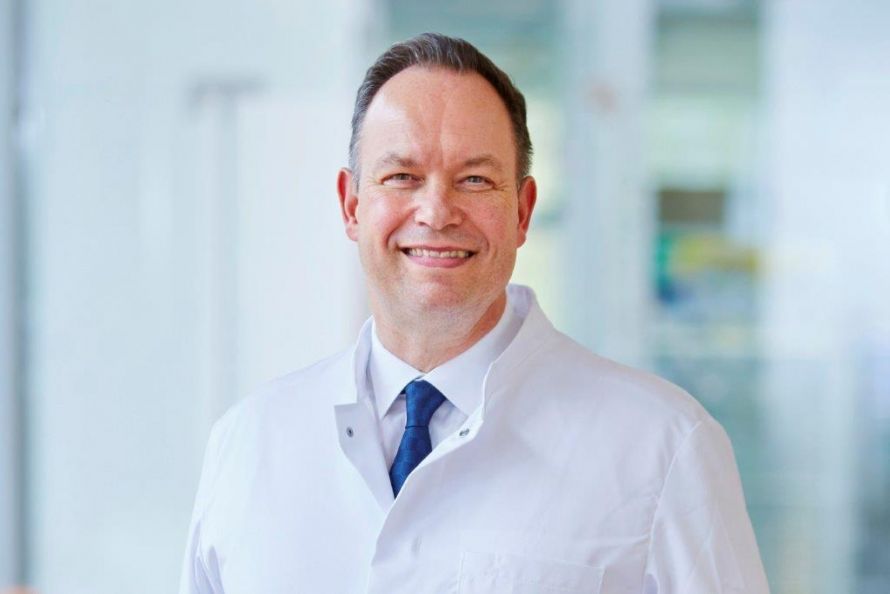
“The typical clinical presentations we deal with are primarily pulmonological conditions such as chronic bronchitis, COPD (Chronic Obstructive Pulmonary Disease), and pneumonia. Due to our special focus on oncology, we also see many patients with cancerous conditions. Overall, the number of people affected is increasing year after year, and this applies to virtually all forms of lung disease.
Various underlying conditions and risk factors play a significant role in this. Smoking and exposure to pollutants, in particular, have led to a significant increase in respiratory diseases over the decades, the effects of which we are seeing today. At the same time, the population is aging and is more frequently receiving complex therapies, such as immunosuppressive treatments for rheumatic diseases. This, too, contributes to the increased incidence of infectious and other pulmonary diseases,” explains Dr. Brandes as an introduction to the topic.
To accurately diagnose even rare, complex, or hard-to-access lung diseases, highly sophisticated diagnostic tools are available today that address a range of issues—structural, functional, and immunological. The combination of these methods enables diagnostics that are both minimally invasive and highly informative.
“The Lung Cancer Center at Clemenshospital Münster has a long history of experience, as it has been certified since 2010. As one of the first centers of its kind in Germany, a structure has been established here over many years in which all participating specialties work closely together.
In addition to radiation therapy, radiology, hematology-oncology, and thoracic surgery, this also includes fields such as psycho-oncology and physical therapy—all under one roof. The specialization in the lungs and lung cancer ensures well-coordinated processes, a high level of expertise, and a routine that tangibly benefits patients. A diagnosis such as a suspected lung tumor is a particularly life-altering situation for patients and their families.
A center that is not only highly qualified professionally but also instills a sense of security and can offer every step of diagnosis and treatment under one roof provides a comprehensive service that takes the pressure off patients. “Patients experience that they are part of a system that cares, has experience, and knows what to do—and that is precisely what makes a certified lung cancer center so valuable,” emphasizes Dr. Brandes, describing in detail how a patient’s admission process works:
“Before a patient even receives an appointment at the center—and this always happens promptly—their imaging findings are already reviewed by the interdisciplinary board. There, the team jointly determines which course of action is safest and least invasive for the patient. A large part of the diagnostic process is therefore already planned before the patient even enters the center.
Next, the case managers get in touch after the patient has been referred by a primary care physician or specialist. The images are discussed with the radiologists and, if necessary, with the thoracic surgeons, while the pulmonologists determine which tests are most important for each individual case. Patients then come in for an initial consultation with a senior physician or pulmonologist; pulmonary function tests are also conducted on that day. After the outpatient consultation, they return home and receive an appointment for the scheduled examination a few days later.
This procedure is performed on an empty stomach, and patients can usually return home the very next day. At the same time, any additional necessary tests, such as a PET-CT or MRI of the head, are organized so that no one is left waiting. As soon as all the test results are available, they are presented at the interdisciplinary tumor board, which includes all relevant departments—oncology, radiology, thoracic surgery, radiation oncology, and others, as needed. There, the best possible treatment plan is determined, or a decision is made as to whether additional diagnostic tests are necessary.
These appointments are also fully organized, even if patients are traveling from farther away. In such cases, local oncology practices are involved so that patients are not burdened by long commutes or wait times in what is already a stressful situation. Once the diagnosis is confirmed, patients from the region return to the center to discuss all findings and next steps in person.
Those traveling from farther away are informed by phone, as previously agreed. The results of the tumor board meeting are then sent in writing to the primary care physician, the specialist, and the patients themselves.
As a comprehensive pulmonary care provider, the Lung Cancer Center at Clemenshospital Münster offers diagnostic capabilities that go far beyond what many hospitals can provide. These include all forms of invasive diagnostics, ranging from flexible and rigid bronchoscopy to endobronchial ultrasound and endosonography. The center performs conventional biopsies as well as cryobiopsies and lymph node biopsies. A new addition is navigation software that allows even very small round lesions to be targeted precisely. These procedures can also be performed under CT guidance, which further increases precision and enables particularly reliable diagnostics.
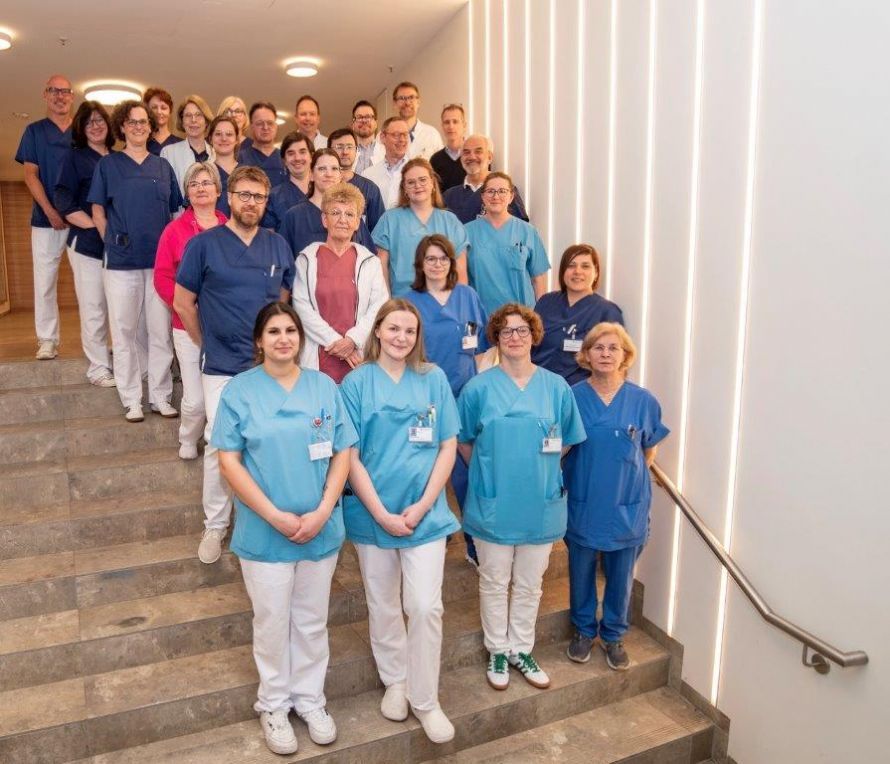
COPD and pulmonary emphysema often require more than just medication—especially when the lungs are overinflated, shortness of breath is increasing, and quality of life is significantly impaired. Modern pulmonary centers therefore rely on innovative, minimally invasive procedures that specifically relieve the overstretched lung tissue and improve respiratory mechanics.
“For COPD, the spectrum of treatment ranges from acute care to specialized procedures. Patients admitted with pneumonia or a worsening of their COPD may be treated as inpatients and receive comprehensive physical therapy, inhalation therapy, and educational sessions. Respiratory therapists also provide additional support, particularly when non-invasive or even long-term home ventilation becomes necessary.
Long-term oxygen therapy is also initiated here, as are regular follow-up visits. A dedicated emphysema center has been established for patients with severe pulmonary emphysema. There, pulmonology, thoracic surgery, and radiology work closely together and discuss each case in a special emphysema conference.
“Depending on the findings, a decision is made as to whether rehabilitation is advisable at first, whether surgery is necessary, or whether endoscopic lung volume reduction—such as through the insertion of valves—is the best option,” explains Dr. Brandes, adding:
“During the COVID-19 pandemic, many critically ill patients received intensive care, including people with COPD whose condition was further destabilized by COVID-19. Even in the period that followed, numerous patients came in for follow-up care, especially when breathing difficulties persisted after viral infections.
Although there is no dedicated Long COVID outpatient clinic, pulmonology diagnostic services are available to anyone suffering from shortness of breath or unexplained limitations following an infection. In close collaboration with primary care physicians and private practice specialists, the Lung Cancer Center coordinates referrals, treatment, and subsequent follow-up care. Using procedures such as spiroergometry, muscle ultrasound, and diaphragm ultrasound, we determine the underlying causes and identify the best possible treatment for the symptoms.”
Psychological support plays an important role, as shortness of breath triggers severe anxiety and a feeling of loss of control in many people.
“Psycho-oncological care is already firmly established within the certified Lung Cancer Center, but in addition, the facility offers its own psychological services on-site.
The hospital is part of a leading oncology center, the Münster Alliance Against Cancer (MAgKs), in which various tumor centers are closely networked. This structure ensures that patients receive not only medical but also psychological support. As part of the Alexianer Network (a large, Germany-wide nonprofit organization active in health and social services), there are also close ties to psychotherapeutic facilities in Münster and the surrounding area.
If patients require further or specialized treatment, this can be initiated during their inpatient stay and subsequently continued on an outpatient basis. In addition, the teams collaborate with self-help groups and the cancer counseling center to provide reliable support to family members as well. “For people with advanced respiratory diseases, a dedicated palliative care unit is also available at our other location, the Raphaelsklinik Münster, which provides comprehensive, palliative-care-focused support and is part of the Lung Cancer Center,” said Dr. Brandes.
Intensive care and respiratory medicine play a central role when people suffer from severe respiratory failure and can no longer breathe adequately on their own.
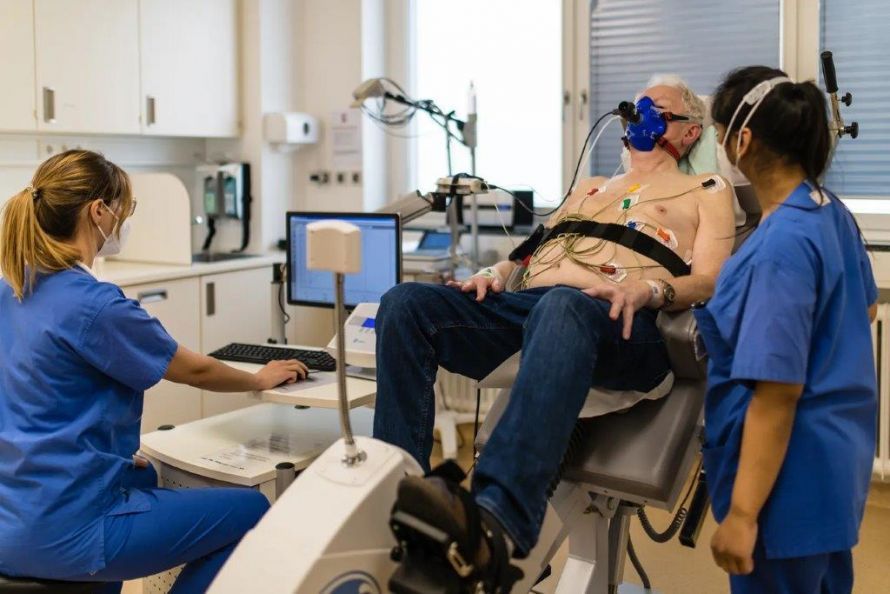
In such situations, a specialized team ensures that breathing, oxygen supply, and circulation are stabilized—often with the help of modern ventilation techniques that are individually tailored to the patient’s condition. These include both non-invasive methods, such as mask ventilation, and invasive ventilation approaches, which become necessary in cases of severe respiratory muscle weakness, pronounced inflammation, or acute deterioration.
In addition, lung replacement procedures such as ECMO are available when even mechanical ventilation is no longer sufficient. The adjacent ventilatory intensive care unit, which specializes in weaning patients off ventilation, plays a particularly important role.
“The ventilator intensive care unit plays a central role for patients who required mechanical ventilation following a severe illness. As a pulmonary center that addresses not only the lungs but also respiration and mechanical ventilation, our focus is on gently and systematically weaning patients off mechanical ventilation. This process is complex and by no means complete simply because someone wakes up and ventilation is stopped. It requires a specialized environment in which experienced physicians, specially trained nurses, and speech-language pathologists, physical therapists, and respiratory therapists work closely together.
Especially after long stays in the ICU—such as those that were common during the COVID-19 pandemic—many patients require intensive, coordinated support to regain the ability to breathe independently and be gradually weaned off intensive care. “The goal is to stabilize patients to the point where subsequent rehabilitation is possible and they can once again lead as self-determined a life as possible in their familiar surroundings in the long term,” emphasizes Dr. Brandes.
Follow-up care varies greatly depending on the patient’s situation. Many come from farther away or are already under the care of a pulmonologist in private practice, so they return to their original care after acute treatment is completed.
“For patients who have not yet fully weaned off ventilation—for example, if a tracheostomy tube or mechanical ventilation is still required—regular follow-up visits take place at the Lung Cancer Center. During these visits, we assess whether certain measures are still necessary or whether opportunities arise over time to remove the cannula or discontinue ventilation.
For patients who are not yet stable enough, there is close collaboration with specialized intensive care facilities in the region. There, they can continue to recover until it makes sense for them to return to the center. The case manager for the weaning unit maintains contact, regularly checks on their condition, and coordinates further steps.
Patients who require noninvasive mask ventilation following weaning or as part of COPD treatment are initially monitored closely and later seen annually. During these visits, respiratory therapists check the devices and masks, while physicians assess whether settings need to be adjusted or therapies modified. “This ensures that care remains structured, continuous, and tailored to individual needs,” explains Dr. Brandes.
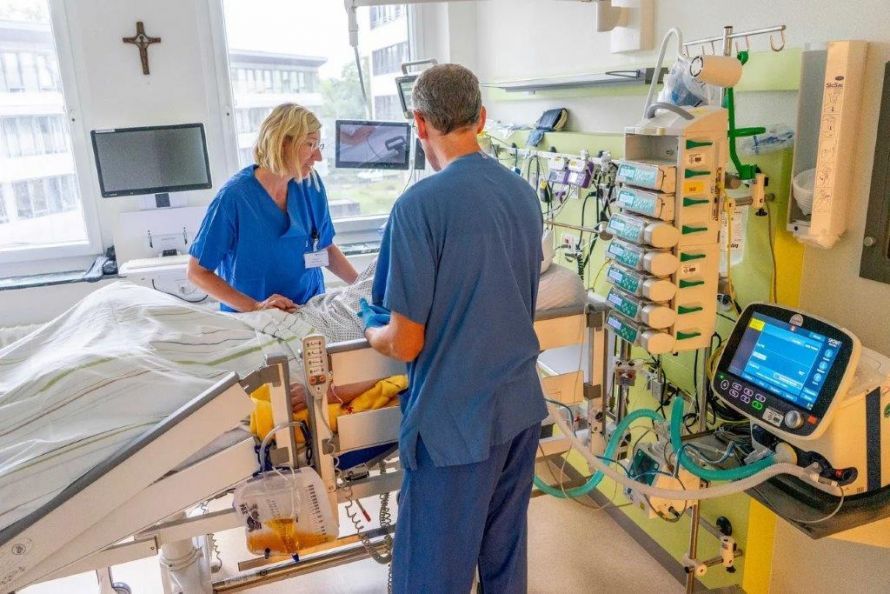
Interstitial lung diseases such as pulmonary fibrosis or sarcoidosis require particularly careful, structured, and specialized diagnostics, as they often have an insidious onset, exhibit varying clinical courses, and early therapeutic intervention is crucial for the long-term prognosis.
Interstitial lung diseases (ILD) refer to a group of conditions in which the fine connective tissue between the alveoli becomes inflamed or scarred. As a result, the lungs lose elasticity, gas exchange is impaired, and shortness of breath gradually develops, often accompanied by a dry, irritating cough. The causes range from autoimmune and rheumatic diseases to genetic factors, environmental toxins, medications, or idiopathic forms such as idiopathic pulmonary fibrosis. Because many ILDs can progress if left untreated, early diagnosis at specialized centers is crucial to slowing the disease’s progression and initiating targeted therapy.
“Interstitial lung diseases have become a major focus in recent years. In addition to the tumor conferences, there is a dedicated ILD board where all relevant specialties come together to discuss complex cases. In addition, a specialized outpatient clinic (ASV) for rheumatic diseases is available, which is closely networked with the West German Rheumatology Center in Sendenhorst.
This close collaboration enables precise diagnostics and modern treatment, including all new antifibrotic treatment options. Sarcoidosis is also among the diseases frequently diagnosed and treated here and holds a firm place within the department’s areas of focus,” explains Dr. Brandes.
Clemenshospital Münster is very well-equipped and offers modern diagnostic and therapeutic procedures in all areas. Nevertheless, further development remains an ongoing process.
“Our equipment is state-of-the-art, ranging from radiation therapy with new linear accelerators to thoracic surgery, which performs all modern surgical procedures. At the same time, innovations are constantly emerging, for example in the field of bronchoscopy or with new diagnostic devices. Senior physicians and specialists regularly attend continuing education courses throughout Germany to stay up to date.
Overall, the center sees itself as an established, experienced lung cancer center that is very well positioned both professionally and technically. An important focus for the future is improved networking within the healthcare system. Communication between hospitals, private practice specialists, and other healthcare providers should become significantly easier, ideally through shared portals or electronic health records.
A seamless flow of data is a crucial step in light of increasingly complex diseases and limited resources. Projects such as patient portals, through which test results can be shared and information made available, are already underway within the group. The goal of digitization is to streamline processes and make care more transparent,” he notes, adding:
“The Lung Cancer Center is not only one of the oldest but also one of the largest of its kind. Every year, over 300 new cases of lung cancer are diagnosed there, and the number of other pulmonary diseases also runs into the hundreds annually. These figures reflect the center’s continuous growth and show how many patients are treated here each year.”
Despite all modern diagnostic and therapeutic options, prevention remains the most important component of maintaining lung health. It is crucial not to start smoking in the first place or to find ways to break the addiction early on. Equally important is protection against pollutants, fumes, dust, and fine particulate matter—an area in which Germany is already well-positioned in terms of occupational medicine. Ultimately, the goal is to prevent people from becoming patients in the first place.
“Some cases of pulmonary fibrosis are genetic or result from individual predisposition. However, a large proportion develops as a comorbidity of rheumatic or systemic diseases, such as in the context of collagenoses or vasculitides. A particular problem is that undiagnosed or untreated lung involvement can significantly worsen the course of the underlying disease and, in the worst case, become life-threatening.
That is why close collaboration between pulmonology and rheumatology is now at the heart of patient care. Rheumatologists refer their patients for pulmonological screening at an early stage, and conversely, rheumatology is immediately consulted if abnormal pulmonary findings are detected. “This structured collaboration and the joint case discussions in the ILD board are crucial for early and targeted treatment,” states Dr. Brandes.
“When dealing with patients who continue to smoke despite their illness, the focus is less on frustration and more on understanding their individual life circumstances. Many struggle with psychological stress, serious diagnoses, or underlying conditions that make quitting difficult. Others are barely able to change their behavior due to mental health issues. The key is to meet them where they are and provide them with the best possible treatment, regardless of their smoking behavior. In principle, it would make sense to place greater emphasis on prevention within the healthcare system. While enormous sums are spent on medications and treatments, health education often lags behind. Reduced access to tobacco products, more health education in schools and families, and better support for smoking cessation and lifestyle changes could prevent many chronic diseases in the long term—not only lung diseases, but also cardiovascular diseases, diabetes, and obesity. “From a medical standpoint, it would only be logical to view prevention as a core mission and give it significantly more attention,” recommends Dr. Brandes, and with that, we conclude our conversation.
- Chief Physician of the Department of Pulmonology and Respiratory Medicine, Clemenshospital Münster
- Expert in complex lung diseases: lung cancer, mesothelioma, COPD, asthma, fibrosis, ILD, sarcoidosis
- Interventional Pulmonology: EBUS, cryobiopsies, stent/valve implantations
- Diagnostics: Right heart catheterization, cardiopulmonary stress tests, allergology
- Respiratory Medicine and Weaning: including intensive care and ECMO
- Director of a certified lung cancer center with strong interdisciplinary collaboration
Share this article
Expert Interviews
Read next
- Expert interview
Expert interview with Professor Dr Elmar Herbst, PhD
Oct 15, 2026
Patient-centred and personalised knee surgery
Read more - Expert interview
Cardiogeriatrics: Significance and benefits in the context of hospital reform
Sep 21, 2026
Cardiogeriatrics: Significance and benefits in the context of hospital reform
Read more - Expert interview
Expert Interview with Professor Dr. Amadeus Hornemann, MPH
Sep 18, 2026
Prof. Amadeus Hornemann on Precision Medicine in Gynecology: Modern Surgery, New Techniques, Better Quality of Life
Read more