Expert Interviews
Insulin-Potentiated Chemotherapy (IPT) — A Promising Treatment Approach Using Low-Dose Chemotherapy

Alexandra Pfitzmann ·
Complementary and alternative cancer therapies have been gaining increasing attention for years—many patients are looking for ways to effectively support their treatment while making it less invasive. In integrative oncology, methods from the field of biological medicine are often used to complement conventional medical therapies. The goal of such adjunctive treatment is to reduce side effects, regenerate biological systems such as the immune system and the gut, activate the body’s self-healing abilities, and improve quality of life.
Insulin-potentiated chemotherapy (IPT), on the other hand, is a distinct therapeutic approach: conventional chemotherapy drugs are administered in combination with insulin. This approach is based on the hypothesis that the altered tumor metabolism—characterized by increased glucose demand and an increased number of insulin receptors on the surface of most cancer cells—can be exploited therapeutically.
The increased number of insulin receptors on tumor cells is thought to facilitate the uptake of chemotherapeutic agents into the tumor cells following insulin administration. In practice, this treatment concept has proven effective with a significantly reduced dose of chemotherapeutic agents—approximately 20% of the standard dose. The lower dose results in a significant reduction in side effects. This creates a method that uses conventional chemotherapy drugs in an intelligent, efficient, and noticeably less side-effect-prone manner, based on findings from basic research.
Cancer cells love sugar—is that the basis for insulin-potentiated chemotherapy?
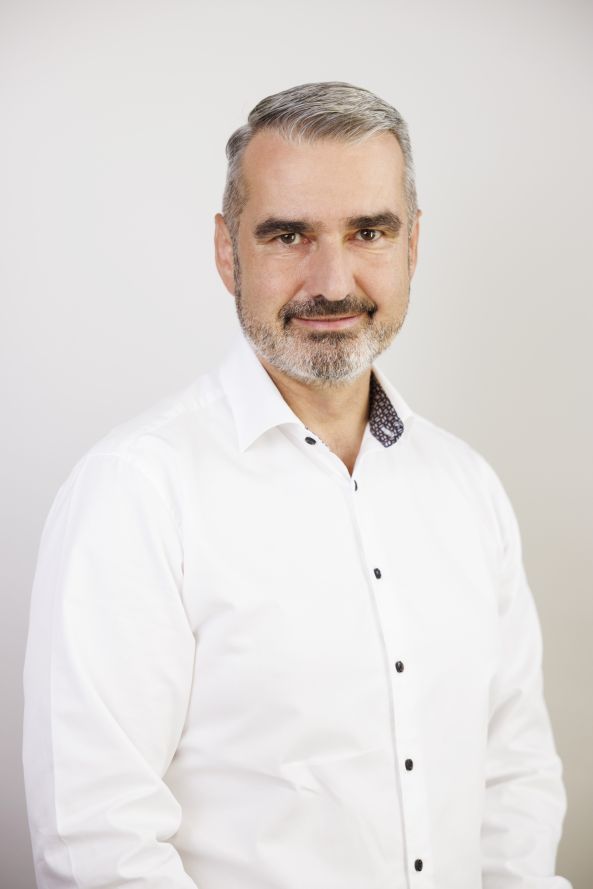
Dr. Gaßmann: Yes, exactly. Insulin-potentiated therapy is based on the observation that cancer cells often take up significantly more sugar than healthy cells and develop an increased number of insulin receptors on their cell surfaces. We make use of this finding from basic research: The treatment concept of IPT chemotherapy is based on the assumption that insulin administered prior to chemotherapy effectively opens the “gates” of the tumor cells, allowing glucose (sugar) and, at the same time, chemotherapy drugs to target the tumor tissue.
The goal is to ensure that, despite a significantly reduced total dose, enough chemotherapy reaches the tumor to achieve sufficient efficacy, while sparing healthy tissue. Our years of patient documentation show that we have achieved good—and in some cases, very good—results with this treatment approach in many patients. Our observations are consistent with the proposed mechanism of action for IPT chemotherapy, though they do not prove the postulated mechanism of action.
Do you have an image to help explain this?
Dr. Gaßmann: This can be well illustrated using PET-CT images, in which radioactively labeled glucose is visible almost exclusively within the tumor, as the middle image in the PET-CT impressively demonstrates. In tumors that light up on PET-CT scans, impaired glucose metabolism appears to be a key driver of the cancer. Even though this does not prove that insulin-potentiated chemotherapy is effective, we have observed that, in practice, PET-positive tumors often respond well to this therapy. The image of insulin as the “key to the cancer cell” helps many patients understand the biological treatment concept—even though this image is a simplification of a complex metabolic process.
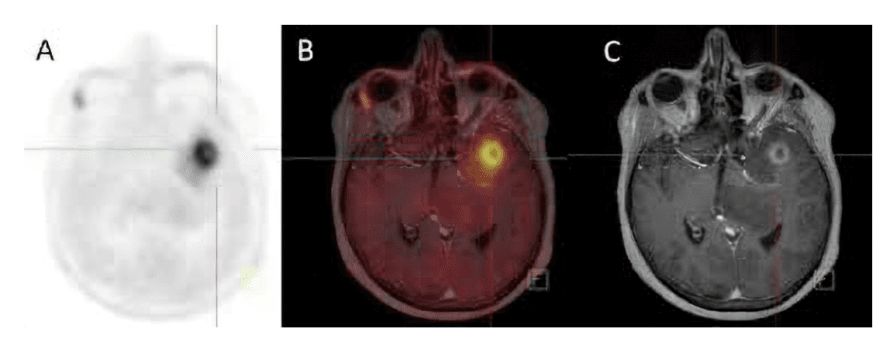
PHOTO: PET-CT
For which patients might insulin-potentiated chemotherapy (IPT) be a viable option?
Dr. Gaßmann: Many of our patients are looking for an effective therapy with few side effects—one that doesn’t drain their energy but instead restores it, and that also integrates aspects such as nutrition, the immune system, and mental health. Whether insulin-potentiated chemotherapy is appropriate, however, depends heavily on the individual situation. If a patient is in the early stages of a disease and the goal of conventional medical therapy is a cure, we do not recommend an innovative procedure such as insulin-potentiated chemotherapy.
A good example of this is testicular cancer, which has a 98% cure rate with conventional chemotherapy. Given such excellent results in conventional medicine, it would not make sense to use a method that has not been thoroughly researched and is not established in medical guidelines. Our medical responsibility therefore also includes advising against IPT chemotherapy when conventional medicine offers patients better—and, above all, better-documented—chances of cure. However, there are certainly situations in which patients have been receiving conventional chemotherapy repeatedly for years and are suffering from severe side effects.
These individuals are seeking an alternative with fewer side effects. In such cases, insulin-potentiated, low-dose chemotherapy may be appropriate to keep the cancer in check or push it back without further weakening the body. We often even observe that our patients fare significantly better over time while undergoing IPT chemotherapy, particularly when combined with biological agents such as curcumin, vitamin C, artesunate, and shogaols (ginger), as well as other methods of integrative oncology such as ozone autologous blood therapy and hyperthermia.

How effective is insulin-potentiated chemotherapy compared to conventional chemotherapy?
Dr. Gaßmann: I can only answer this based on our practice’s internal records, as there are no reliable figures from large-scale, evidence-based medical studies on IPT chemotherapy. Over the past nearly ten years that we have been using IPT chemotherapy in our practice, we have observed good or even very good treatment outcomes in many patients. It is not possible to make a reliable comparison with conventional chemotherapy or other oncological procedures based on this data.
In our practice, we frequently observe a decrease in tumor markers and, in some cases, tumor regression on imaging studies (CT, MRI, PET-CT). Both findings may indicate treatment success. In some patients, we also observe stable or favorable disease progression over extended periods. One possible explanation could be that the treatment is well tolerated by patients and that the impact on the body (e.g., on the immune system) is reduced due to the lower dose.
Are there also patients who consciously choose IPT chemotherapy as their primary treatment?
Dr. Gaßmann: Yes, there are such patients as well. Many people have had negative experiences with conventional oncological therapies—such as chemotherapy—even before their own cancer diagnosis, for example, through close relatives or friends, and therefore reject chemotherapy as a first option. In such cases, detailed counseling and education are particularly important. Guideline-based therapy in the sense of conventional oncology also has major advantages for patients: There is a solid body of data with clearly documented evidence of efficacy, the therapy takes place in the immediate vicinity of the patient’s home, and it is covered without exception by all health insurance providers.
For this reason, especially at the onset of the disease, most patients opt for conventional medical treatment. If desired, conventional medical therapies can be very effectively complemented by methods of biological cancer therapy.
Insulin-potentiated chemotherapy uses a significantly reduced amount of active drug. Insulin is used as a biological enhancer—acting as a “door opener.” The goal of the therapy is to control the disease for as long as possible while ensuring the best possible tolerability and maintaining a high quality of life and zest for life.
For which types of cancer can IPT chemotherapy be used?
Dr. Gaßmann: We have the most experience with so-called solid tumors. Examples include breast cancer, ovarian and endometrial cancer, pancreatic cancer, bile duct cancer, colon and rectal cancer, and prostate cancer. However, we have also observed a response to IPT chemotherapy in sarcomas, particularly when combined with hyperthermia.
Before treatment, it must be carefully assessed whether IPT chemotherapy would be appropriate in the specific situation. However, there are certainly diseases and situations—such as acute leukemia—that must be treated exclusively at university medical centers using standard, guideline-based therapeutic methods.
How exactly does IPT chemotherapy work in your practice?
Dr. Gaßmann: At the start of treatment, an individually calculated dose of insulin is administered intravenously, causing blood sugar levels to drop in a controlled manner within about 30 minutes. Our highly competent team, which specializes in this method, closely monitors the entire process. As soon as the desired mild hypoglycemia is achieved, a small amount of one or more chemotherapeutic agents is administered. Glucose is then administered to restore normal blood sugar levels.
According to the IPT mechanism of action, this is intended to enhance the uptake of the active ingredients into the tumor cells. Due to the potentiating effect of insulin, the chemotherapy dose used is only about 20% of the usual amount; if tolerance is very good, the dose may also be increased on a case-by-case basis in consultation with the patient. At the start of treatment, therapy is usually administered weekly. After about ten treatments, but no later than three months, a comprehensive assessment of the response to therapy is conducted.
If tumor burden remains at that point, the frequency is gradually reduced, if possible, depending on the course of the disease. In the adjuvant setting—that is, when the tumor has already been completely removed—the duration of therapy is based on the treatment periods specified in medical guidelines. Response to therapy is measured as is standard in oncology: imaging (CT, MRI, PET-CT) and tumor markers. Tumor markers often decrease significantly and stabilize at a low level.
In some patients, no tumor was detectable on imaging during the course of treatment. Such outcomes are very encouraging but should not be interpreted as a generally expected result. Particularly with combined treatment approaches, the contribution of individual measures cannot always be clearly determined.
Why is IPT still so little known and not extensively studied in clinical research, despite many years of practical experience?
Dr. Gaßmann: This is not unusual in medicine. To date, there have been no large randomized trials for IPT chemotherapy—that is, trials in which the treatment participants received was assigned at random. One reason for this is that IPT does not involve a new—and thus patentable—active ingredient, but rather a new method of administering existing active ingredients. As a result, the financial incentives that often make it possible to fund large clinical drug trials have been lacking so far.
A guiding principle of medical research states: “Absence of evidence is not evidence of absence”—the lack of proof of efficacy is not synonymous with proof of ineffectiveness. Conversely, a plausible hypothesis does not constitute scientific proof of efficacy. For this reason, we consider clinical research in this area to be urgently needed in order to investigate and scientifically validate our many years of positive experience with IPT chemotherapy.
How are the chemotherapy drugs used in IPT chemotherapy selected?
Dr. Gaßmann: On the one hand, when selecting the chemotherapeutic agents to be used, we follow medical guidelines and administer the substances that have proven effective for the respective type of cancer and have been researched over many decades. On the other hand, it is possible to isolate circulating tumor cells from the blood via a blood draw (“liquid biopsy”) and perform what is known as a chemosensitivity test.
Such methods can be helpful in individual cases to tailor our treatment to the patient’s current situation and aim to further improve efficacy. Even during the course of treatment, a chemosensitivity test can provide valuable additional information on whether the current therapy is still effective or whether a change in therapy should be considered. However, the decisive factor is always the overall assessment of all findings, including tumor markers, other laboratory values, imaging studies, and the clinical course.
Are the treatment costs covered by health insurance?
Dr. Gaßmann: Since we are a private practice, statutory health insurance does not cover IPT chemotherapy. Depending on the plan and the insurance provider, private health insurance may cover the treatment in some cases, but there is no guarantee of this. Therefore, patients should not rely on reimbursement.
In our experience, many patients—especially those who have been battling cancer for many years—are generally willing to pursue individualized treatment paths and finance them themselves. The expected costs and the limited eligibility for reimbursement are discussed transparently before treatment begins.
The DR. GASSMANN practice, located in the southern Black Forest, treats patients from all over Germany and abroad, many of whom travel long distances to reach us. Where do patients stay, and what accommodations do you offer them?
Dr. Gaßmann: IPT chemotherapy has been one of our practice’s key areas of focus since 2017. Thanks to our many years of continuous practice, we have extensive experience with various types of tumors and complex disease courses. That is why patients from Germany and abroad seek us out for this therapy. In addition, we can offer our patients a holistic, comprehensive treatment plan that encompasses all standard procedures in integrative oncology.
Complementary approaches such as hyperthermia, ozone autologous blood therapy, and infusion therapies—for example, with vitamin C, shogaols (ginger), artesunate, or curcumin, aim to strengthen biological systems such as the immune system and reduce the side effects of cancer treatments. For some of these therapies, there is evidence of a direct antitumor effect. IPT chemotherapy is a standalone procedure that can also be supplemented with complementary therapies.
Often, especially at the beginning of therapy or when patients have a long journey, we use intensive therapies that are carried out over several days or weeks in order to combine the various treatment components effectively and conduct the therapy as efficiently as possible. Our patients stay in hotels or vacation rentals: The Markgräflerland region and the southern Black Forest are well-developed tourist destinations. We place the utmost importance on providing personalized care to our patients.
All patients are cared for exclusively by my wife and me, along with our outstanding team. In addition to delivering the therapies, we also focus on topics such as nutrition and mental health. Many patients report that, despite advanced disease, they are once again experiencing a better quality of life, a sense of direction, confidence, and a zest for life, and they find the personalized care to be a great source of support.
- Board-certified physician in general medicine with oncology experience—many years of practice in oncology, cardiology, intensive care and emergency medicine, as well as general medicine.
- Director of a specialized private practice since 2015—focusing on integrative and alternative cancer therapy, particularly insulin-potentiated chemotherapy (IPT).
- Extensive clinical career—positions at, among others, the Department of Tumor Biology at the University Medical Center Freiburg, Offenburg University Hospital, and as a family physician licensed to bill health insurance.
- Extensive professional network—member of several oncology and complementary medicine professional associations, including the German Society for Oncology (former Vice President) and the European Professional Association for IPT.
- Diverse specializations — Advanced training in integrative cancer medicine, medical oncology, hyperthermia (whole-body hyperthermia and regional hyperthermia), immunology, mitochondrial medicine, environmental medicine, pain management, neural therapy, ozone and oxygen therapies, IHHT, bioidentical hormone therapy, and orthomolecular medicine.
Share this article
Expert Interviews
Read next
- Expert interview
Expert interview with Professor Dr Elmar Herbst, PhD
Oct 15, 2026
Patient-centred and personalised knee surgery
Read more - Expert interview
Cardiogeriatrics: Significance and benefits in the context of hospital reform
Sep 21, 2026
Cardiogeriatrics: Significance and benefits in the context of hospital reform
Read more - Expert interview
Expert Interview with Professor Dr. Amadeus Hornemann, MPH
Sep 18, 2026
Prof. Amadeus Hornemann on Precision Medicine in Gynecology: Modern Surgery, New Techniques, Better Quality of Life
Read more