Expert Interviews
Glioblastoma Treatment: State-of-the-Art Medicine for the Highest Standards

Alexandra Pfitzmann ·
Glioblastoma is one of the most aggressive tumors of the central nervous system—a disease that causes approximately 250,000 deaths worldwide each year and affects about 4,800 new patients in Germany. Despite its severity, modern neuro-oncology has made enormous strides in recent years: more precise diagnostics, innovative treatment approaches, and high-performance interdisciplinary medicine now offer better prospects than ever before.
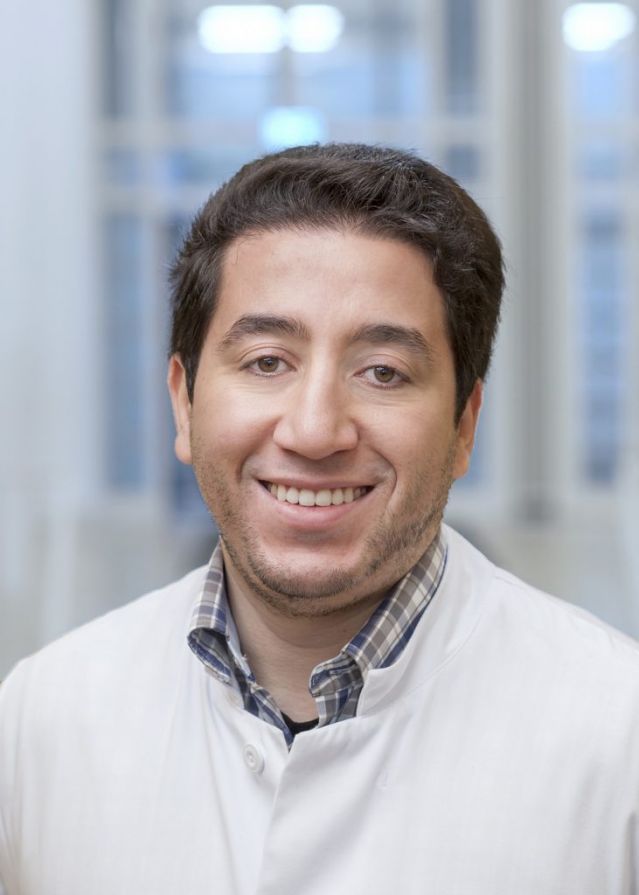
The editorial team of the Leading Medicine Guide learned which treatment options are effective and how they are applied in a conversation with neuro-oncology specialist Priv.-Doz. Dr. med. Sied Kebir.
“Glioblastoma originates from glial cells. These are support cells in the brain that normally nourish and protect nerve cells. At some point, one of these cells begins to divide uncontrollably—the reason for this is unknown in the vast majority of cases. The tumor occurs predominantly in the cerebral hemispheres, particularly in the frontal and temporal lobes.
In about 90 percent of cases, it appears without any recognizable precursor. In the remaining 10 percent, a slowly growing precursor tumor has changed over a period of months to years. It usually takes only three to six weeks from the onset of the first symptoms to diagnosis. Common initial signs include a first-time epileptic seizure, sudden speech difficulties, unusual headaches, or weakness on one side of the body.
An MRI then reveals a mass with a bright rim and a dark center. The only confirmed risk factor is a history of radiation therapy to the head. Despite decades of research, cell phone radiation, diet, stress, and environmental toxins have not been confirmed as triggers. “A glioblastoma is not the result of improper behavior,” notes PD Dr. Kebir at the beginning of our conversation.
A characteristic feature of glioblastoma is that it does not grow as a clearly defined tumor but instead spreads finger-like into the surrounding brain tissue. As a result, it infiltrates functionally important areas, making complete surgical removal nearly impossible. It most commonly arises in the cerebral hemispheres, particularly in the frontal and temporal regions, but can occur in any area of the brain.
A glioblastoma thus arises from a complex interplay of genetic changes, the biological properties of glial cells, and the unique environment of the brain. This combination makes the tumor so aggressive, elusive, and therapeutically challenging—and at the same time explains why modern neuro-oncology relies on highly specialized, interdisciplinary approaches.
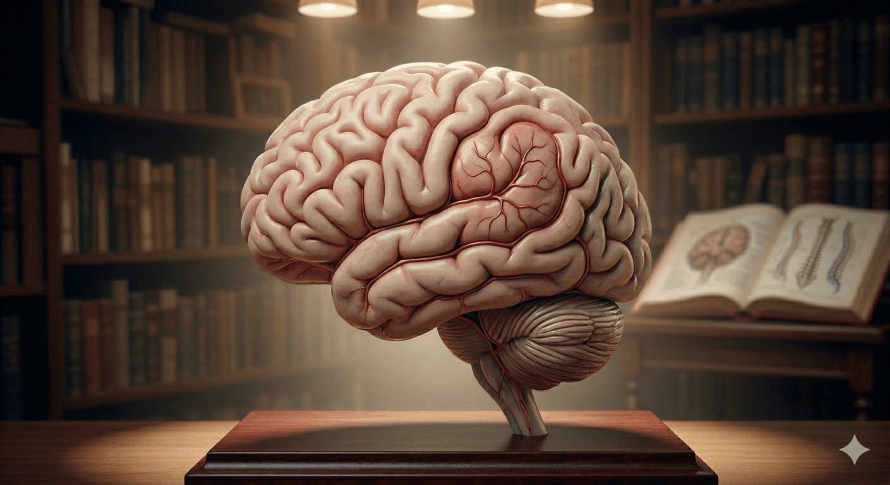
The success of glioblastoma treatment depends on a whole range of biological, clinical, and therapeutic factors, which together determine how well a patient responds to treatment. Although glioblastoma is one of the most aggressive tumors of the central nervous system, there are clear factors that influence its course positively or negatively.
“Three factors carry more weight than all the others. The first is the extent of surgical resection. If the entire visible tumor can be removed, this measurably extends survival time. This is not always possible, for example, when the tumor is located near important brain areas responsible for speech or movement.
The second factor is the patient’s overall physical condition. This is measured using the so-called Karnofsky Index, a scale ranging from 0 to 100. People who are largely able to care for themselves tolerate treatment better and live longer on average—regardless of age. The third factor is the molecular characteristics of the tumor, particularly MGMT methylation.
More on this below. “Clinical data also show that treatment at specialized centers with high case volumes leads to better outcomes,” explains PD Dr. Kebir.
Some glioblastomas develop resistance early on, which limits the effectiveness of standard therapy. At the same time, tumor biology plays a role: Tumors with high angiogenesis, pronounced hypoxia, or a strong tendency toward infiltration often respond less well to therapies. The patient’s overall health also influences treatment success.
Younger patients with good neurological status benefit more from intensive treatment strategies. Comorbidities, neurological impairments, or a poor general condition can limit treatment options.
Today, the treatment of glioblastoma ranges from established standard procedures to a dynamic research landscape in which new, experimental approaches are being tested. These two areas differ significantly in terms of their objectives, evidence base, and therapeutic potential.
PD Dr. Kebir explains: “Standard therapy consists of three consecutive steps. First, the neurosurgeon removes as much of the tumor as possible. This is aided by a fluorescent dye that makes tumor cells visible under special light, and by electrical monitoring of key brain functions during surgery.
This is followed by six weeks of radiation therapy combined with daily administration of the chemotherapy drug temozolomide. Each radiation session lasts only a few minutes. Afterward, temozolomide is taken in cycles for another six months: five days of tablets, followed by a 23-day break. This is supplemented by tumor therapy fields—a portable device with electrodes on the scalp that must be worn for at least 18 hours a day.
The survival benefit averages a few months. Whether this outweighs the limitations in daily life is a matter of individual consideration. Experimental approaches specifically target tumor biology rather than having a broad effect. These include immune cells reprogrammed in the laboratory (CAR-T cells), individually tailored tumor vaccines, and drugs that target specific gene mutations in the tumor.
None of these approaches has yet replaced the standard of care. They are accessible through clinical trials and specialized neuro-oncology centers.”
Innovative and experimental approaches aim to overcome the limitations of current therapies. These include various forms of immunotherapy, such as checkpoint inhibitors, personalized tumor vaccines, or CAR-T-cell therapies, which seek to specifically activate the immune system against tumor cells.
Oncolytic viruses, which are designed to infect and destroy tumor cells, are also being investigated in clinical trials. Other experimental strategies include targeted therapies against specific molecular alterations, such as EGFR or IDH mutations, as well as novel combination therapies that integrate radiation, chemotherapy, and immunotherapy. In addition, there are local approaches such as intratumoral drug delivery, nanotechnology-based transport mechanisms, or new methods for crossing the blood-brain barrier.
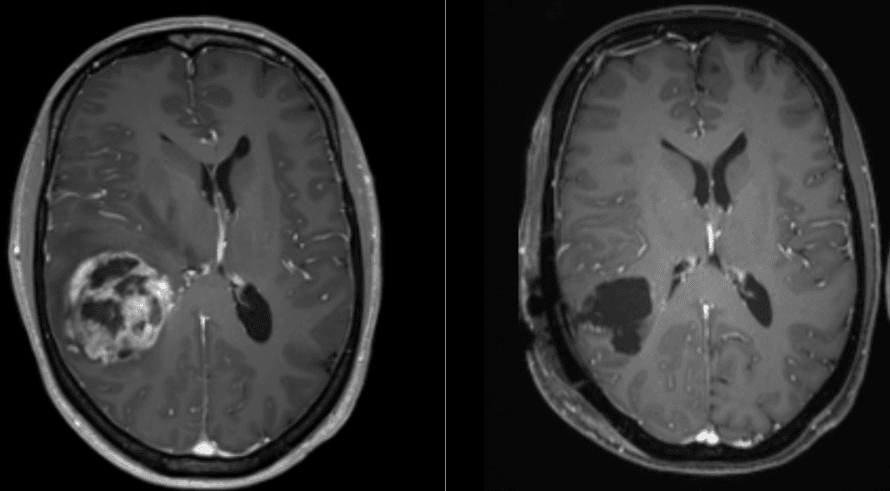
MGMT promoter methylation is essentially a functional marker for the ability of tumor cells to repair alkylating DNA damage. The MGMT protein removes alkyl groups from the O6 position of the guanine base—exactly where temozolomide and other alkylating agents exert their cytotoxic effect.
If the MGMT promoter is methylated, the gene is epigenetically silenced, repair capacity decreases, and the tumor cells become significantly more susceptible to the DNA damage induced by temozolomide. Clinically, this manifests as a significantly better response to standard chemotherapy, longer progression-free intervals, and prolonged overall survival.
“MGMT is a repair enzyme in tumor cells. It reverses exactly the damage caused by temozolomide. If the gene for this enzyme is silenced—experts say ‘methylated’—temozolomide can be significantly more effective. Patients with methylated MGMT live longer after diagnosis.
For older people with unmethylated MGMT and poor overall health, radiation therapy without chemotherapy may be the more sensible choice, because the additional benefit of temozolomide is minimal in such cases. IDH is a metabolic enzyme. Tumors with an IDH mutation grow more slowly and respond better to treatment.
Since 2021, they are no longer classified as glioblastoma but are recognized as a distinct disease. For this group, the drug vorasidenib is the first targeted therapy available, which significantly delayed disease progression in the INDIGO trial. “The vast majority of glioblastomas are IDH wild-type—that is, without this mutation—and therefore have a poorer prognosis. Standard therapy is tailored to this group,” explains PD Dr. Kebir.
Overall, the two markers complement each other in a remarkable way: MGMT methylation provides predictive information—it indicates how well a tumor will respond to a specific therapy. The IDH status provides prognostic and biological information—it defines what type of tumor one is dealing with in the first place.
In clinical practice, this information is factored into nearly every therapeutic decision: from determining how aggressively to treat a patient, to selecting chemotherapy, to assessing which clinical trial options are appropriate. They help doctors provide patients with a more realistic understanding of the chances and risks, and they enable increasingly precise, personalized treatment planning that goes far beyond a purely histological diagnosis.
The close integration of neuro-oncology, neurosurgery, and radiation therapy in glioblastoma is not merely an organizational advantage, but a genuine biological lever: It determines how completely a tumor can be removed, how precisely radiation therapy is planned, how well systemic therapies work, and how quickly complications are addressed.
A glioblastoma is a highly complex, infiltrative tumor—and that is precisely why a team is needed that contributes its respective perspectives not sequentially, but simultaneously.
“No single specialty can optimally treat glioblastoma on its own. Neurosurgery performs the surgery, radiation oncology administers radiation therapy, and neuro-oncology manages chemotherapy and coordinates the overall treatment plan. In addition, there are neuroradiologists, nuclear medicine specialists for MRI and PET evaluations, and neuropathologists for tissue analysis. This collaboration is organized through tumor conferences.
There, representatives from all specialties sit around the table and jointly determine the next step in treatment—after surgery, at each follow-up visit, or in the event of a relapse. The primary point of contact on a day-to-day basis is usually the neuro-oncologist. “Seeking a second opinion at a specialized center is possible at any time and is not a sign of mistrust toward the doctors who have been treating you so far,” emphasizes PD Dr. Kebir.
An often underestimated advantage of this collaboration is speed. Glioblastomas leave little room for delays. When all disciplines work closely together, the intervals between surgery, radiation therapy, and chemotherapy are significantly shortened.
Many modern treatment approaches—immunotherapies, vaccines, targeted therapies, and tumor-treating fields—can only be effectively utilized if surgery, radiation therapy, and systemic therapy are closely coordinated. Clinical trials require precise inclusion criteria, molecular characterization, and clear postoperative procedures. Without a well-coordinated team, these options would not be accessible to many patients at all.
Interdisciplinary collaboration transforms a purely sequential treatment into a strategic, comprehensive therapy. It ensures that every decision is made in the context of the others, that biological markers are used effectively, and that patients receive not just a single treatment, but a well-thought-out, coherent therapeutic approach.
If you look at what is currently considered “promising” in glioblastoma, it is less about individual miracle drugs and more about comprehensive strategies that aim to break through the tumor’s immunological blockade and target multiple points of attack simultaneously.
“In CAR-T cell therapy, the body’s own immune cells are genetically modified in the laboratory so that they can recognize and destroy tumor cells. In some patients, advanced tumors have temporarily regressed completely. The difficulty lies in the fact that the tumor constantly changes its surface, causing the immune cells to lose their target.
Newer approaches therefore target multiple structures simultaneously. In personalized tumor vaccines, the tumor’s genetic material is sequenced to identify individual vulnerabilities. This leads to the development of a tailored vaccine. Early studies show measurable immune responses, but it remains to be seen whether this extends survival time.
Checkpoint inhibitors, which have shown spectacular results in some cases of skin and lung cancer, have failed as monotherapy in glioblastoma. The tumor suppresses the immune system in its immediate vicinity too strongly. They are being further tested in combination with other immunotherapies. Vorasidenib has shown a clear advantage for IDH-mutated brain tumors in the INDIGO study.
“This does not apply to classic glioblastoma, but it points the way: away from monotherapy and toward molecularly tailored treatment,” states PD Dr. Kebir.
Three particularly promising directions are thus emerging: specialized immunotherapies such as CAR-T cells and tumor vaccines, oncolytic viruses, and intelligent combination therapies that combine radiation therapy, immunomodulation, and targeted agents. What is crucial here is not so much a single drug as the ability to specifically alter the complex, immunosuppressive environment of glioblastoma and to precisely tailor therapies to the biology of the individual tumor.
The quality of life for people with glioblastoma can actually be influenced much more significantly during the intensive phases of treatment than it might seem at first glance.

Quality of life is shaped by many small adjustments: recognizing symptoms early, treating them specifically, strengthening cognitive and emotional stability, incorporating exercise in moderation, and providing relief for family members. When medical, therapeutic, and social support work together seamlessly and are clearly communicated, patients noticeably regain a sense of direction, energy, and self-determination.
“The most common and often most burdensome problem is tumor-related exhaustion, known in medical terms as fatigue. It is fundamentally different from normal tiredness and is not alleviated by sleep. What has been proven to help is 20 to 30 minutes of moderate exercise daily and a structured daily routine with regular breaks. Most people affected experience difficulties with concentration and memory. A neuropsychological evaluation can identify which areas are impaired. Targeted training noticeably improves daily functioning. Anxiety and low mood are not signs of weakness with this diagnosis, but rather an expected reaction.
Psycho-oncologists specialize in providing support in precisely this situation. This also applies to family members. Palliative care is often misunderstood. Early palliative care does not mean that there is no hope left. It means better pain management, better symptom control, and professional support when making difficult decisions.
Studies show that patients who receive early palliative care feel better and, in some cases, even live longer. Applications for rehabilitation, a disability ID card, a care level assessment, and home care assistance can be arranged early on through the clinical social services department. “Physical therapy, occupational therapy, and speech therapy should be part of the treatment plan from the very beginning,” explains PD Dr. Kebir, and with that, we conclude our conversation.
Thank you very much, PD Dr. Kebir, for this truly encouraging information on the treatment of the insidious glioblastoma!
- Head of Clinical Neuro-Oncology at Essen University Hospital; recognized expert in CNS tumors
- Broad spectrum: including gliomas, glioblastomas, meningiomas, pituitary tumors, CNS lymphomas, and brain metastases
- Close collaboration with neurosurgery and the WTZ for highly specialized, interdisciplinary therapies
- Access to state-of-the-art neurosurgical technology (fluorescence microscopy, neuronavigation, intraoperative imaging)
- Additional qualifications in critical care medicine and medical tumor therapy; comprehensive expertise in systemic therapies
- Strong focus on personalized, evidence-based treatment and empathetic, patient-centered care
Share this article
Expert Interviews
Read next
- Expert interview
Expert interview with Professor Dr Elmar Herbst, PhD
Oct 15, 2026
Patient-centred and personalised knee surgery
Read more - Expert interview
Cardiogeriatrics: Significance and benefits in the context of hospital reform
Sep 21, 2026
Cardiogeriatrics: Significance and benefits in the context of hospital reform
Read more - Expert interview
Expert Interview with Professor Dr. Amadeus Hornemann, MPH
Sep 18, 2026
Prof. Amadeus Hornemann on Precision Medicine in Gynecology: Modern Surgery, New Techniques, Better Quality of Life
Read more