Expert Interviews
Spinal Cord Stimulation

Alexandra Pfitzmann ·
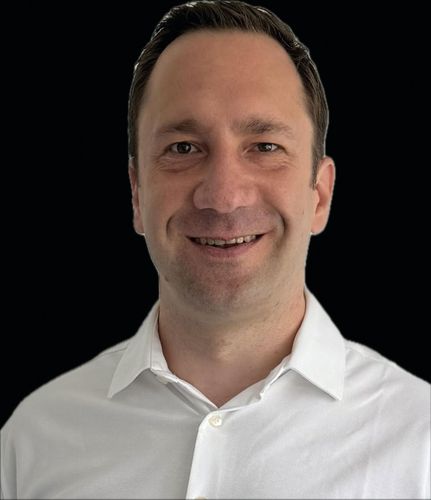
Spinal cord stimulation is one of the techniques that can be used to effectively treat chronic pain. The editorial team at Leading Medicine Guide learned more about this form of pain therapy in an interview with Dr. Tomislav Kovačević.
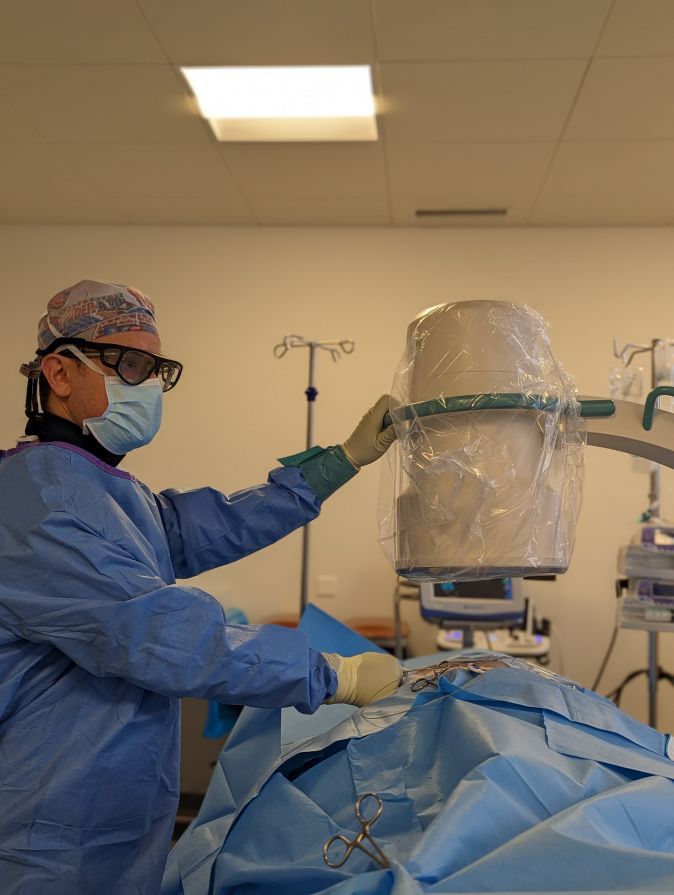
Spinal cord stimulation (SCS) is typically used when conservative treatment methods—such as pain medication, physical therapy, or other non-invasive therapies—are no longer sufficiently effective for chronic pain or do not provide adequate symptom relief. It is particularly indicated for patients suffering from persistent or recurrent pain syndromes that significantly impair their quality of life. The goal is to modulate pain signals in the spinal cord and thereby reduce the perception of pain in the brain without relying on long-term medication. Spinal cord stimulation (SCS) is a sensible and recommended treatment method when certain medical criteria are met and other therapies have not been sufficiently successful. This is based on a thorough diagnostic evaluation that confirms the pain is chronic and the cause can be clearly identified. SCS can be an effective option, particularly for complex pain conditions where conventional treatments have failed.
Spinal Cord Stimulation (SCS) has been in use for many years—but much has changed in its application.
“Spinal cord stimulation, or SCS for short, is now much more than a traditional method for treating back and leg pain following surgery. In the past, the focus was heavily on local pain relief along specific nerve pathways. We now know that chronic pain often does not originate in just one location but is characterized by changes in the central nervous system. This insight has led to SCS being used in a more targeted and nuanced way today—not just to address symptoms, but as a method for modulating pain processing in the spinal cord,” explains Dr. Kovačević, who, among other things, specializes in stimulation approaches in the cervical spine, adding:
“From a neurophysiological perspective, the cervical spine region is particularly relevant because important pain-inhibiting pathways run through it, which influence larger areas of the body. Clinically, it has been shown that stimulation in this area does not exclusively affect local pain but can also modulate more distant pain areas. At first glance, this contradicts the traditional notion that stimulation should be as segment-specific as possible. In practice, however, we see that central mechanisms play a decisive role in many patients with chronic pain.” Photo: X-ray image
When selecting the appropriate neurostimulation method, the type and location of pain, the response to a trial stimulation, individual factors such as anatomy, comorbidities, or allergies, as well as personal preferences are taken into account. The final decision is made through an interdisciplinary approach in close consultation with the patient, with the goal of achieving maximum pain reduction with minimal side effects and an improved quality of life.
There is an often-cited clinical approach that emphasizes the importance of a holistic understanding that incorporates physical, psychological, and social factors. It involves a combination of careful clinical examination, empathetic patient care, and individually tailored therapeutic approaches to meet the complex needs of this patient group.
“Scientific evidence on this topic is provided by John Salmon (Salmon, J. 2019. High-frequency spinal cord stimulation at 10 kHz for widespread pain: A retrospective survey of outcomes from combined cervical and thoracic electrode placements. Postgraduate Medicine, 131(3), 230–238.), who has reported on patients with so-called ‘widespread pain,’ including fibromyalgia. In these studies, high-frequency stimulation systems were used in combination in the cervical and thoracic regions, resulting in sustained pain reduction across various body regions in some cases. On a mechanical level, researchers such as Bengt Linderoth, an internationally active scientist and physician, and his colleagues demonstrated early on that SCS not only affects peripheral nerves but also activates inhibitory processes in the spinal cord, including via GABAergic mechanisms. “This work has significantly contributed to expanding our understanding of SCS as a centrally acting therapy,” explains Dr. Kovačević.
GABAergic mechanisms refer to the action of the neurotransmitter GABA (gamma-aminobutyric acid) in the nervous system. GABA is the most important inhibitory neurotransmitter in the brain; that is, it inhibits the activity of nerve cells and ensures that excitation in the nervous system is controlled.
Conditions such as fibromyalgia or chronic widespread pain are characterized by persistent, often diffuse pain affecting multiple regions of the body simultaneously. Those affected frequently suffer additionally from fatigue, sleep disturbances, concentration problems, and psychological distress. The causes are complex and multifactorial, with neural pain processing, central sensitization, and psychosocial factors playing a central role. These conditions pose a challenge for both patients and treating physicians, as objective findings are often lacking, yet the symptoms significantly impair daily life.

Dr. Kovačević comments: “In cases of fibromyalgia and other forms of ‘widespread pain,’ purely local therapies often reach their limits. These conditions are characterized by altered central pain processing. In selected cases, SCS may therefore be a complementary option, particularly when other treatment approaches have been exhausted. Careful patient selection is crucial here. SCS is not a standard procedure for fibromyalgia, but the available data show that it may be beneficial for certain patient groups when integrated into a comprehensive treatment plan,” and explains what this means for clinical practice:
“Individualization is key. Not every patient benefits from the same strategy. Modern pain management involves carefully analyzing the pain profile and combining various components in a meaningful way. SCS can play a role in this, but it never replaces exercise therapy, psychological support, or long-term medical supervision.”
The spinal cord stimulation (SCS) process is divided into several phases that are tailored to the individual. It begins with a comprehensive explanation of the procedure, its risks, and realistic expectations. During the preparatory phase, the cause of the pain is determined, the patient’s health status is assessed, and a trial period with temporary stimulators is conducted to evaluate effectiveness. Before surgery, the patient’s medical history is reviewed, blood tests are performed, and medication adjustments are made as needed; the patient also receives clear instructions regarding medications, diet, and hygiene. The procedure itself is usually performed under local anesthesia or sedation, accompanied by individualized care and pain management. Follow-up care includes regular check-ups to monitor the stimulator, skin checks, and adjustments to the stimulation parameters, as well as intensive patient education. An interdisciplinary team supports the entire process and ensures that the treatment is optimally tailored to the patient’s needs.
The effectiveness of spinal cord stimulation (SCS) is generally determined through a careful and structured assessment of clinical outcomes, as well as through objective and subjective criteria. This evaluation usually begins with a trial stimulation to test short-term effectiveness. During the trial phase, the patient’s pain intensity, quality of life, and ability to perform daily activities are regularly documented.
Neurostimulation is considered one of the most promising developments in the future of pain medicine. Targeted electrical or magnetic stimuli are used to modulate nerve and spinal cord pathways in order to effectively relieve chronic pain.
Future approaches aim to develop individualized, adaptive systems that automatically adjust to the patient’s pain intensity and activity level. Complemented by advances in imaging, artificial intelligence, and biocompatible miniaturization, neurostimulation procedures could become more precise, gentler, and more effective in the long term, thereby significantly improving the quality of life for patients with chronic pain conditions.
“I expect that we will move further away from rigid protocols and toward more precise, patient-centered approaches. The better we understand which mechanisms dominate in which types of pain, the more precisely we can apply neuromodulatory techniques. Modern pain therapy is not only about pain reduction but also about functional improvements and therapy goals relevant to daily life,” said Dr. Kovačević.
Spinal cord stimulation (SCS) is not suitable in all cases and may be contraindicated under certain medical conditions. For example, it is unsuitable for patients with active infections, uncontrolled coagulation disorders, severe mental illnesses, or implanted medical devices that could interfere with SCS. Similarly, treatment should be limited for patients with an inadequate pain diagnosis, unrealistic expectations, or a lack of willingness to cooperate.
The goal is for the electrical stimulation to modulate pain signals so that symptoms are reduced without patients experiencing pain from the stimulation itself. Perception may vary from person to person and is adjusted to the patient’s needs during therapy. 
“Many patients report, above all, that they find it reassuring when their pain is understood and explained as a disorder of the nervous system—and not just as a ‘back problem.’ At the same time, it’s important to speak openly about the therapy’s potential and limitations: SCS can often significantly reduce pain and improve daily functioning, but it rarely completely ‘eliminates’ the symptoms. It is crucial to define shared and realistic treatment goals—such as being able to sleep better, walking a certain distance again, or managing daily life with fewer medications. “When patients understand that SCS is one component of a comprehensive treatment plan and not the only measure, their satisfaction with the therapy generally increases as well,” emphasizes Dr. Kovačević, and with that, we conclude our conversation.
Thank you very much, Dr. Kovačević, for explaining this modern pain therapy!
- Renowned specialist in pain medicine with a focus on interventional pain therapy at the Zurich Pain Clinic
- Goal: To sustainably improve patients’ quality of life through innovative treatment approaches
- Studied medicine in Croatia, specializing early on in anesthesiology and pain therapy
- Postgraduate studies in neuroscience at McGill University, with a focus on neuropharmacology and functional imaging
- Clinical experience in Germany, including at Charité Berlin and tertiary care hospitals
- Expertise in minimally invasive procedures for effective pain management with reduced medication use
- Active internationally, with experience in modern treatment methods worldwide
- Further development of interventional pain management in Switzerland, including in Schaffhausen
Share this article
Expert Interviews
Read next
- Expert interview
Expert interview with Professor Dr Elmar Herbst, PhD
Oct 15, 2026
Patient-centred and personalised knee surgery
Read more - Expert interview
Cardiogeriatrics: Significance and benefits in the context of hospital reform
Sep 21, 2026
Cardiogeriatrics: Significance and benefits in the context of hospital reform
Read more - Expert interview
Expert Interview with Professor Dr. Amadeus Hornemann, MPH
Sep 18, 2026
Prof. Amadeus Hornemann on Precision Medicine in Gynecology: Modern Surgery, New Techniques, Better Quality of Life
Read more