Expert Interviews
Peripheral Arterial Disease (PAD)

Alexandra Pfitzmann ·
Peripheral arterial disease (PAD) is one of the most common vascular diseases and is caused by narrowed or blocked arteries, usually in the legs. It leads to circulatory problems that initially cause pain when walking and, in advanced stages, can even endanger the tissue.
In Germany, approximately 4.5 to 5 million people are affected—many of them without realizing it, as the disease often goes unnoticed for a long time. Early diagnosis is therefore crucial to preventing serious consequences and maintaining quality of life.
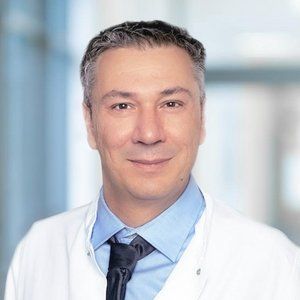
To learn more about this, the editorial team of the Leading Medicine Guide spoke with vascular specialist Dr. Konstantinos Verginis.
Early detection of PAD is challenging because many patients initially have no symptoms, or they do not associate mild symptoms—such as a sensation of coldness, tired legs, or diffuse calf tightness—with a vascular disease. Nevertheless, there are clear diagnostic approaches that enable reliable identification even in the early stages.
“Peripheral arterial disease (PAD) often goes unnoticed in its early stages because the body can initially compensate for circulatory problems. Symptoms usually occur only when walking and disappear quickly at rest.
A typical symptom is a feeling of fatigue or cramping in the calf. Nerve pain, such as that associated with sciatica, on the other hand, is often position- or movement-dependent, radiates from the back into the leg, and is perceived as stabbing or burning. “Early detection of PAD is important because it indicates a general vascular disease and increases the risk of heart attack and stroke,” explains Dr. Konstantinos Verginis at the start of our conversation.

To accurately assess the individual progression of PAD and make well-informed treatment decisions, a stepwise diagnostic approach is needed that combines simple baseline tests with high-resolution imaging and careful clinical follow-up. No single procedure is sufficient on its own—it is the combination of these methods that is crucial.
“Various tests are used to make a diagnosis. First, the doctor conducts a consultation and a physical examination. During this, the patient is asked about typical symptoms, such as leg pain when walking, cold feet, or wounds that heal poorly. Next, the doctor checks the pulses in the legs.
If these are only faintly palpable or not palpable at all, this may indicate a circulatory disorder. An important and simple examination method is the so-called ankle-brachial index, also known as the ABI measurement (Ankle-Brachial Index). This involves measuring blood pressure in the arm and at the ankle and comparing the two readings. The test is performed using a handheld Doppler ultrasound device, which makes the blood flow in the vessels audible.
If the blood pressure in the leg is significantly lower than in the arm, this suggests PAD. With a duplex ultrasound of the leg arteries, the doctor can see how well blood flows through the vessels and whether there are any narrowings or blockages. The duplex ultrasound is also painless and involves no radiation exposure. If more detailed information is needed—for example, to plan treatment or surgery—special imaging techniques are used.
These include CT or MR angiography. In these procedures, the blood vessels are visualized in detail with the help of a contrast agent. In certain cases, an angiography is also performed, in which a thin tube is inserted into a blood vessel to clearly visualize narrowings. “In summary, the diagnosis of PAD is a step-by-step process—ranging from simple, minimally invasive examinations to highly precise imaging techniques. This allows the disease to be reliably identified and an appropriate treatment plan to be developed,” says Dr. Verginis, describing the diagnostic process.
A key factor in guiding treatment is how the combination of symptoms, ABI trends, duplex findings, and imaging results changes over time. If the disease remains stable with consistent conservative therapy (smoking cessation, walking training, secondary pharmacological prevention), invasive measures can often be avoided. If, on the other hand, there is a significant deterioration in walking distance, a drop in the ABI, or increasing stenosis on duplex ultrasound, the focus shifts to endovascular or surgical revascularization.
In cases of critical limb ischemia with rest pain or non-healing ulcers, diagnostic testing is used to quickly plan the best possible revascularization strategy and thus avoid amputations.
Lifestyle factors play a significantly greater role in the development and progression of PAD than many affected individuals initially suspect. While age and genetic predisposition can lay the groundwork, it is primarily modifiable behaviors that determine whether vascular disease actually develops and how quickly it progresses.

Dr. Verginis makes this clear: “Lifestyle factors play a central role in the development of PAD and are often more significant than genetic or age-related risks. While age and genetic predisposition determine an individual’s baseline risk, lifestyle has a decisive influence on whether and how quickly the disease develops and progresses.
The most important modifiable risk factor is smoking. It leads to narrowing of the blood vessels, promotes inflammatory processes in the vessel walls, and accelerates atherosclerosis. Smokers develop PAD more frequently, at an earlier age, and with more severe forms of the disease, and they have a significantly increased risk of complications such as amputations.
Quitting smoking is therefore the most effective single measure for prevention and slowing progression. Diet also influences the risk of PAD, primarily indirectly, since an unhealthy diet contributes to conditions such as diabetes mellitus, lipid metabolism disorders, and high blood pressure, which accelerate vascular calcification. Lack of physical activity is also a major risk factor, whereas regular physical activity improves blood circulation and has therapeutic benefits, particularly in the form of walking therapy.
Age increases the risk of PAD, particularly after age 60, but is not the sole cause. Genetic factors increase individual susceptibility but usually lead to the disease only in combination with unfavorable lifestyle factors. Overall, age and genetics determine the baseline risk, while lifestyle is decisive for the development, course, and prognosis of PAD.”
Conservative, endovascular, and surgical therapies for PAD share the same goal—to improve blood flow, alleviate symptoms, and prevent complications—but differ significantly in their intensity, risk, and timing of use.
Which method is appropriate for a patient depends on a combination of symptoms, anatomical findings, comorbidities, and the individual risk-benefit ratio.
“Conservative, endovascular, and surgical treatment approaches differ primarily in their degree of invasiveness, their risk, and their objectives. Conservative therapy includes measures such as medication, physical therapy, compression, lifestyle changes, or watchful waiting. It often aims to relieve symptoms, slow the progression of the disease, or prevent complications without directly addressing the underlying cause.
Due to its low risk, it is often the first treatment option for mild symptoms, early stages of the disease, or in patients at high risk for surgery. Endovascular therapies represent a minimally invasive intermediate approach. They are performed using catheters inserted through blood vessels and enable procedures such as balloon dilation, stent implantation, or vascular occlusion without the need for open surgery.
As a result, they are generally less stressful, are associated with shorter hospital stays, and are well-suited for patients with pre-existing conditions or older patients. However, their limitations lie in the anatomy, the extent of the disease, and, in some cases, limited long-term stability. Surgical therapy is the most invasive form of treatment and involves open surgical procedures.
It is primarily used when diseases are advanced, complex, or life-threatening, or when conservative and endovascular measures have not been sufficiently effective. “Surgery often offers the most durable and effective solution, but it is associated with higher risks, a longer recovery period, and a greater strain on the body,” Dr. Verginis explains, adding:
“The decision on which treatment is appropriate in each individual case is made on a case-by-case basis. The severity and progression of the disease, its location, and prognosis play just as much of a role as the patient’s age, general health, comorbidities, and life expectancy. All these factors interact. We take into account technical feasibility, prospects for success, risks, current guidelines, as well as the patient’s personal distress and wishes.
The guiding principle is to choose a treatment that is as gentle as possible, yet as effective as necessary. To ensure our patients receive optimal care, each treatment approach is tailored individually to the patient.
This involves teamwork, collaboration with other specialized departments, and partnerships with affiliated hospitals in the surrounding area. For example, carotid surgery is performed under the auspices of the Neurovascular Center in collaboration with neurologists, neuroradiologists, neurosurgeons, and our vascular surgery team.
Peripheral arterial disease (PAD) and aneurysm surgery are performed in close collaboration with the interventional radiology and vascular surgery departments at Sana Klinikum Düsseldorf Gerresheim, under the direction of Prof. Dr. med. Ralf Kolvenbach. “We offer optimal patient care through a robust network of specialists.”
The risk of serious complications, such as critical limb ischemia or amputation, can only be effectively reduced if peripheral arterial disease (PAD) is not viewed in isolation but rather as part of a complex vascular process that progresses much more aggressively, particularly in people with diabetes, kidney insufficiency, or other comorbidities. A comprehensive set of strategies is therefore crucial—one that both protects the blood vessels themselves and controls the factors that damage them.
“To reduce the risk of serious complications such as critical limb ischemia or amputation, consistent management of risk factors is crucial above all else.
Quitting smoking completely has the greatest impact, as smoking significantly accelerates the progression of vascular disease. Good blood sugar control is particularly important in patients with diabetes to prevent vascular damage, infections, and impaired wound healing.
Likewise, good control of blood pressure and cholesterol helps prevent further narrowing of the blood vessels. Regular walking exercise, when possible, can improve blood flow by promoting the formation of bypass vessels, known as collaterals. In addition, blood-thinning medications reduce the risk of vascular occlusions.
Another key point is regular foot care and checkups, as small, often painless injuries must be detected and treated early. “If there are signs of a critical circulatory disorder, early interventional or surgical treatment is necessary to prevent tissue loss and amputations,” says the vascular specialist.
Quitting smoking plays a central role. No other factor accelerates PAD as much as nicotine. In people with diabetes, smoking acts like a “fire accelerant”: it worsens microcirculation, promotes inflammation, and massively increases the risk of impaired wound healing. Giving up tobacco is therefore one of the most effective measures for preventing amputations.
Effective long-term follow-up care for PAD results from a continuous interplay of medical monitoring, lifestyle stabilization, and early intervention—and it does not begin only after a procedure but accompanies patients on an ongoing basis. It is crucial that follow-up care be understood not as a “checkup,” but as a structured process that prevents relapses, detects vascular occlusions early, and stabilizes quality of life.

Dr. Verginis concludes by recommending: “Long-term follow-up care aims to detect new vascular occlusions early and to sustainably improve the quality of life for those affected. To achieve this, regular medical checkups are important, during which symptoms, walking distance, and pulses are assessed, along with ultrasound examinations as needed.
Equally crucial is the consistent management of risk factors through proper control of blood pressure, blood sugar, and cholesterol, as well as the consistent use of prescribed medications. A structured exercise plan, particularly regular walking exercises, helps promote blood circulation and maintain physical endurance.
In addition, quitting smoking, eating a healthy diet, and losing weight play an important role. For patients with diabetes, regular foot examinations are also necessary to detect minor injuries early and prevent complications. Through this combination of medical monitoring, active patient participation, and targeted lifestyle changes, relapses can often be prevented and quality of life improved in the long term.”
Thank you very much, Dr. Verginis, for your informative insights!
- Specialist in vascular surgery and endovascular surgery at the Sana Clinics in Duisburg with extensive expertise in arterial and venous diseases.
- Specializes in complex procedures for peripheral arterial disease (PAD), carotid stenosis, aneurysms, and diseases of the visceral and renal arteries.
- Outstanding expertise in rare visceral and retroperitoneal compression syndromes such as Dunbar, Wilkie, nutcracker, and May–Thurner syndromes.
- Performs numerous open and endovascular carotid reconstructions annually at the Neurovascular Center.
- Skilled in endovascular techniques, vascular reconstructions, shunt surgery, and port and pacemaker implantations.
- Extensive experience in the treatment of venous diseases such as varicose veins, deep vein thrombosis (DVT), and thrombophlebitis, as well as in the management of chronic wounds.
- A scientifically recognized expert on rare compression syndromes; these also form the focus of his dissertation.
- Combines modern diagnostics, innovative technology, and surgical precision to provide patient-centered, highly specialized vascular medicine.
Share this article
Expert Interviews
Read next
- Expert interview
Expert interview with Professor Dr Elmar Herbst, PhD
Oct 15, 2026
Patient-centred and personalised knee surgery
Read more - Expert interview
Cardiogeriatrics: Significance and benefits in the context of hospital reform
Sep 21, 2026
Cardiogeriatrics: Significance and benefits in the context of hospital reform
Read more - Expert interview
Expert Interview with Professor Dr. Amadeus Hornemann, MPH
Sep 18, 2026
Prof. Amadeus Hornemann on Precision Medicine in Gynecology: Modern Surgery, New Techniques, Better Quality of Life
Read more