Expert Interviews
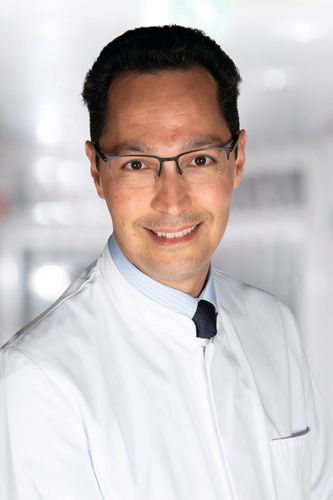
The Mommy Makeover Treats Rectus Diastasis and Abdominal Wall Hernias—Combined with Cosmetic Corrections—An Expert Interview with Dr. Enrico Pöschmann

Alexandra Pfitzmann ·
Dr. Enrico Pöschmann, known for his extensive expertise in modern hernia surgery, serves as chief physician at the Swiss Hernia Center, where he and his team cover the entire spectrum of the specialty. His many years of experience make him a highly regarded specialist in the treatment of complex hernias, incisional hernias, rectus diastasis, and sports hernias. Using excellent diagnostic tools and innovative surgical techniques, Dr. Pöschmann offers his patients personalized treatments.
The Swiss Hernia Center has quickly established itself as a top-tier facility and now has locations in the cantons of Zurich, Schaffhausen, Schwyz, and Zug. It serves as a recognized center of excellence and works closely with various hospitals and medical groups. Dr. Pöschmann’s areas of treatment focus include surgeries for all types of abdominal wall and diaphragmatic hernias, including complex revision procedures and corrective surgeries, which are predominantly performed using minimally invasive or robot-assisted techniques. He also treats severe abdominal adhesions and intestinal obstructions, as well as malignant tumors and metastases in the abdominal cavity using minimally invasive techniques.
His high level of expertise is based on many years of academic and clinical training, including studies at the renowned University of Leipzig and a teaching position at the University of Zurich. Under Dr. Pöschmann’s leadership, the Swiss Hernia Center offers its patients state-of-the-art diagnostic capabilities and a wide range of surgical options. Patients benefit not only from excellent medical care but also from the center’s pleasant atmosphere and outstanding location.
Women in particular who need to have an abdominal wall hernia or rectus diastasis corrected after childbirth or multiple pregnancies are in good hands with Dr. Pöschmann. Together with his team, he combines their treatment with plastic or cosmetic procedures—such as a tummy tuck, liposuction, or a breast lift—all in a single surgery. The editorial team at Leading Medicine Guide had an interesting conversation with Dr. Pöschmann about the “mommy makeover” trend, which originated in the U.S.

A “mommy makeover” is a comprehensive approach in plastic surgery specifically tailored to the needs of women whose bodies have been altered by pregnancy and childbirth. The process of pregnancy, childbirth, and breastfeeding can leave significant physical changes, including rectus diastasis (separation of the abdominal muscles), excess skin on the abdomen, and sagging or deflated breasts. These physical changes can affect a woman’s self-confidence and well-being. A Mommy Makeover offers the opportunity to correct these changes through a combination of targeted surgical procedures. The approach to a Mommy Makeover is individualized and tailored to the patient’s specific needs and wishes. During a detailed consultation, the goals and appropriate procedures are discussed.
After pregnancy and childbirth, many women struggle with these physical changes. A mommy makeover can effectively correct them.
“The changes that become noticeable after pregnancy and childbirth result from a combination of hormonal changes, weight gain and loss, and changes in the abdominal wall and mammary glands. A typical example is what is known as rectus diastasis. During pregnancy, the abdominal muscles stretch to make room for the growing baby. This can cause the rectus abdominis muscles to separate, a condition known as rectus diastasis. This change can result in a permanently protruding abdomen, even after childbirth. This is often accompanied by stretch marks in the abdominal area, fat deposits in the thighs, varicose veins on one side, and sagging breasts. This is not acceptable to every woman. However, some mothers don’t come in until a few years after giving birth and request a mommy makeover because fashion and physical activities become more important to them again. But I also have many young patients who come to me after they’ve finished having children. Mommy makeovers are common in the U.S., but this procedure is also being performed more and more frequently in Switzerland and Germany. “People are simply much more active, and ultimately, it’s about mental well-being, which goes hand in hand with a healthy and satisfying body image and an appearance that matches it,” explains Dr. Pöschmann at the beginning of our conversation.
Many women find that after pregnancy, fat deposits in certain areas of the body are difficult to reduce through diet and exercise alone. Typical problem areas include the abdomen, hips, thighs, and back. Childbirth, especially vaginal delivery, can lead to changes in the genital area, such as sagging tissue, which can be corrected through plastic surgery. Body proportions often change after pregnancy. Some women wish to have their harmonious body contours restored. A mommy makeover can consist of various surgical procedures that are individually tailored to a woman’s needs to address these changes. Typical procedures include a tummy tuck, a breast lift or augmentation, liposuction, and sometimes a vaginal tightening procedure. The goal is to restore the body to a state similar to that before pregnancy and to boost the woman’s self-confidence.
Rectus diastasis often plays a significant role when a woman decides to undergo a mommy makeover, as it represents a bothersome post-pregnancy body change for many.
“First, there is a thorough examination—including an ultrasound. The extent of the rectus diastasis is measured. In the first year after childbirth, we only perform surgery for rectus diastasis if there are additional incarcerated hernias. It’s important to clarify what symptoms are currently present. Is it purely a cosmetic issue, or are there health problems due to instability, back pain, hernias within the diastasis, difficulty with bowel movements, or pelvic floor weakness? It’s important to know whether the patient has finished having children or not. All of this is considered holistically and discussed. “If there are additional requests, such as corrections to the breast area, thighs, or buttocks, these can be incorporated into the treatment,” says Dr. Pöschmann.
The treatment of rectus diastasis as part of a mommy makeover aims to bring the muscles back together and tighten the abdominal wall. This is usually achieved through an abdominoplasty (tummy tuck), in which excess skin is removed and the muscles are surgically repaired. This procedure can offer both aesthetic and functional benefits by flattening the abdomen and restoring the stability and function of the core. A mommy makeover that addresses rectus diastasis can therefore not only improve a patient’s outward appearance but also significantly enhance her quality of life.
“There are two options for the surgical treatment of rectus diastasis. Option 1 is a minimally invasive procedure in which a permanent or absorbable mesh is inserted, or the abdominal muscles are sutured back into their original position. For this option, a camera and surgical instruments are inserted through three small incisions in the lower abdomen. Option No. 2 involves open surgery, combining the correction of rectus diastasis with a tummy tuck. For this procedure, a section of the abdominal skin is removed up to the navel area to reduce excess skin and fatty tissue. Postoperative care is the same for both options. The patient remains in the hospital for approximately 5–7 days after the procedure, followed by a 6-week recovery period. If the ultrasound shows a good result, physical therapy and muscle strengthening can begin. “The immediate discomfort after surgery is slightly greater with the open procedure than with the minimally invasive procedure,” according to Dr. Pöschmann.
A mommy makeover combines several surgical procedures and, like any surgery, carries certain risks.
“Depending on the specific procedures included in the mommy makeover, different risks apply. A major concern is certainly the risk of infection, as well as wound healing complications and skin necrosis. In any case, the procedure must be performed with the shortest possible operating times and by a well-coordinated team to ensure a satisfactory outcome,” comments Dr. Pöschmann.
To minimize the risks, comprehensive preoperative examinations are conducted. Choosing an experienced and qualified plastic surgeon is crucial to reducing the likelihood of complications. During the operation, the procedure must be performed under completely sterile conditions to prevent infections. Modern anesthesia techniques minimize risks associated with anesthesia. Careful postoperative monitoring and care allow complications to be detected early and treated promptly. Dr. Pöschmann emphasizes: “Risks can never be completely ruled out, but they can be minimized through minimally invasive techniques, especially when it comes to infections and bleeding.”
At the Certified Swiss Hernia Center, approximately 100 mommy makeover surgeries are performed each year.
After surgery, it is important to take it easy and follow the treating surgeon’s instructions exactly. This includes observing rest periods and avoiding strenuous physical activity for an agreed-upon period of time. Wearing compression garments can help reduce swelling and promote tissue healing. A healthy diet and adequate fluid intake are also important to optimally support the body during the recovery phase. This helps boost metabolism and accelerate wound healing. Regular follow-up visits with the surgeon are necessary to monitor healing progress and detect potential complications early on. Adherence to postoperative care instructions, such as proper wound care and taking medications as prescribed, is crucial for a successful healing process. In addition, patients should be patient, as the final results of a mommy makeover often become visible only after several months, once the swelling has subsided and the scars have faded. Emotional support from family and friends is also helpful during the recovery period.
A non-surgical treatment option, such as a tummy tuck using non-invasive procedures, can be an attractive alternative to a surgical mommy makeover, especially in certain situations.
“Among the minimally invasive options are collagen or Botox injections to reduce wrinkles and support skin tightening. These are often combined with other cosmetic treatments such as massages or lymphatic drainage. However, if you don’t want to penetrate the skin’s surface, you can freeze away fat cells with cold, or use plasma pens or special light therapy to target the fat layer beneath the skin,” says Dr. Pöschmann regarding non-surgical measures. The decision to choose a non-surgical option can also be based on personal preferences, especially if a patient prefers a less invasive solution or is not a suitable candidate for surgery for health reasons.
Robot-assisted procedures, such as those performed with the DaVinci system, have become increasingly important in hernia surgery. Compared to conventional, open, or minimally invasive techniques, robot-assisted procedures offer several specific advantages and differences.
The DaVinci system enables surgeons to perform more precise movements and obtain a better view of the surgical field. This is achieved through the use of small instruments that are inserted through small incisions (so-called keyhole or minimally invasive techniques). These instruments are controlled by robots that can delicately translate and refine the surgeon’s hand movements. This allows surgeries to be performed with greater precision, particularly in tight or hard-to-reach areas, such as when treating complex hernias. Another advantage of the DaVinci system is the improved visibility provided by the high-resolution camera, which offers a three-dimensional view of the surgical field.
“When it comes to abdominal wall reconstruction using minimally invasive techniques, we very often rely on the robot because it allows us to perform low-risk surgery in very tight spaces within the abdominal wall—especially in very slender patients—achieve good stabilization, and minimize post-operative pain. We do not use the robot for other surgeries (breast lifts, breast replacements). However, minimally invasive surgery is also gaining ground in these areas, with increasingly thinner cannulas for inserting breast implants and very small incisions in the armpit. “Both approaches—robotic surgery and minimally invasive surgery—are designed to minimize the strain on the body as much as possible and ensure rapid healing,” says Dr. Pöschmann regarding the use of the robot.
The process of returning to one’s original body shape after childbirth varies greatly among women.
While some women get back into shape quickly, others struggle for a long time with excess weight and changes to their bodies. These differences can be attributed to several factors. Genetics and the composition of connective tissue play a significant role, as they influence how the body reacts to pregnancy and childbirth. In addition, physical activity and dietary habits before and after pregnancy have a significant impact on the body’s recovery.
Dr. Pöschmann explains: “If someone is already in good physical condition before pregnancy, takes good care of themselves—including their skin—exercises regularly, and has strong muscles, they naturally have a better starting point when it comes to pregnancy. However, this is no guarantee, as there are also genetic factors and varying pregnancy outcomes that cannot be influenced at all. For example, if you have weak connective tissue, you’re also prone to varicose veins. Weak connective tissue also affects the severity of rectus diastasis or the sagging of breast tissue. Even young, physically active women can find that everything sags after pregnancy. They, too, can gain 20 kilos or retain water. There are women who don’t look like they’ve given birth to four children, while others experience significant physical changes even after the birth of their first child because their bodies have suffered greatly.”
And who pays for all of this?
“If there is severe abdominal wall instability due to a large rectus diastasis—which leads to severe back pain, weakens the pelvic floor, and causes incontinence—and if there are even abdominal wall hernias present, we would recommend having this corrected through surgery. This is covered by health insurance if the application is approved in advance. Cosmetic procedures such as additional liposuction, breast augmentation, or thigh lifts must be paid for by the patient herself. A “mommy makeover” combines multiple procedures into a single surgery, following a modular approach, to reduce costs and downtime for the patient. A team of medical specialists and experts cares for the patient and discusses with her exactly what procedures will be performed and which cosmetic corrections might be covered by private health insurance based on medical indications. “For example, if there are breast changes after pregnancy that could lead to fibrosis (scarring). This is discussed in advance with the treating gynecologist,” explains Dr. Pöschmann.
Tips for Expectant Mothers
“Maintaining muscle tone with abdominal and back exercises is important during pregnancy. Good skin care with appropriate moisturizers to keep the skin supple is essential so that it can stretch gently. Together with the midwife and the attending gynecologist, a nutrition plan is developed to ensure a balanced diet, manage weight, and strengthen connective tissue. This way, you can definitely do your part to help maintain your body’s structure as well as possible. Unfortunately, there isn’t much you can do about genetic predispositions,” Dr. Pöschmann clarifies, adding regarding the Swiss Hernia Center:
“In cases of severe rectus diastasis, we always recommend a supportive mesh implant behind the muscles to ensure long-term stability, rather than relying solely on sutures. We are increasingly using biodegradable plastic meshes that dissolve over time. This ensures lasting stability and elasticity. The risk of recurrence can also be significantly reduced in this way. At our center, this risk is less than 1% in otherwise healthy individuals.” We conclude our conversation on this positive note.
Thank you very much, Dr. Pöschmann, for your detailed and informative explanation!
Share this article
About the medical author
Alexandra Pfitzmann
Editor
Alexandra Pfitzmann – medical author: expert knowledge, professional articles and medical insights in the Leading Medicine Guide.
More about the medical author →Expert Interviews
Read next
- Expert interview
Cardiogeriatrics: Significance and benefits in the context of hospital reform
Sep 21, 2026
Cardiogeriatrics: Significance and benefits in the context of hospital reform
Read more - Expert interview
Expert Interview with Professor Dr. Amadeus Hornemann, MPH
Sep 18, 2026
Prof. Amadeus Hornemann on Precision Medicine in Gynecology: Modern Surgery, New Techniques, Better Quality of Life
Read more - Expert interview
Expert Interview with Professor Dr. Konstantinos Anagnostakos
Sep 15, 2026
Prof. Anagnostakos on Painful Knee Replacements
Read more