Expert Interviews
Diverticulum Formation – Unwanted Protrusions: Expert Interview with Prof. Ehehalt

Alexandra Pfitzmann ·
Professor Robert Ehehalt, M.D., is a renowned gastroenterologist and expert in the field of gastroenterology. At his gastroenterology practice in Heidelberg, he offers a wide range of services, from cancer screening to the treatment of complex gastrointestinal diseases. The gastroenterology practice in Heidelberg is certified by the Professional Association of Practicing Gastroenterologists in Germany as a specialty practice in the field of inflammatory bowel disease (IBD).
In addition to his work at the practice, Prof. Dr. Ehehalt is also actively involved in medical education. As an adjunct professor of internal medicine at Heidelberg University, he passes on his knowledge to aspiring physicians. Furthermore, he maintains an international network and gives lectures to experienced colleagues in his field.
One of Prof. Dr. Ehehalt’s particular strengths lies in endoscopy, an important method for examining the gastrointestinal tract. This non-invasive technique allows him to examine the entire digestive tract in real time and detect abnormal changes at an early stage. Using this method, he can also remove polyps, which can prevent the development of malignant tumors. Another focus of his work is nutritional medicine and counseling, which provides additional support to medical treatment.
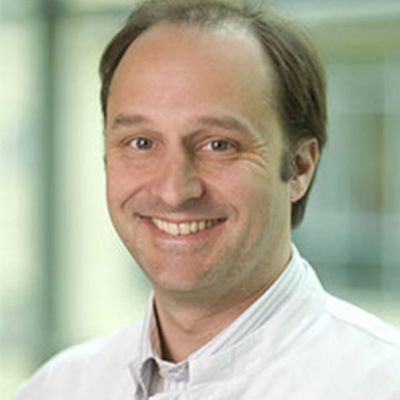
The editorial team at Leading Medicine Guide took the opportunity to speak with Prof. Dr. Ehehalt about diverticulosis.
Diverticula are small, sac-like protrusions or bulges that can form in the wall of the digestive tract, particularly in the large intestine. They are common and often occur later in life. “The increased occurrence of diverticula in the intestine, also known as diverticulosis, is asymptomatic in most cases and is often discovered by chance during examinations such as a colonoscopy. Most people with diverticula experience no problems or symptoms. In some cases (about 20%), however, symptoms may occur,” explains Prof. Dr. Ehehalt at the beginning of our conversation.
Diverticulitis is the term used when one of the diverticula becomes inflamed or infected. This can lead to symptoms such as abdominal pain, fever, nausea, and changes in bowel movements. In severe cases, abscesses, bowel obstructions, or perforations may occur, requiring urgent medical treatment. “The exact cause of diverticula formation is not fully understood, but it is believed that pressure inside the intestine causes areas of the intestinal wall—which are naturally somewhat thinner—to bulge outward. Essentially, it’s like the formation of folds. A high-fiber diet and adequate fluid intake are often recommended to prevent or reduce complications from diverticula. It was previously believed that, for example, tomato seeds, nuts, or chili peppers could contribute to complications. However, this view is now outdated. Instead, it is recommended to eat a healthy, varied diet that includes foods such as whole grains, fruits, and vegetables, which may also include legumes and nuts. “A diverse microbiome and stools of normal consistency—tending toward soft—are important,” explains Prof. Dr. Ehehalt. In some cases, a doctor may also prescribe medication to relieve symptoms or treat inflammation. In more severe cases, surgery may be necessary.
A low-fiber diet can promote the development of diverticula, as it can lead to constipation and increased pressure in the intestines. “A healthy, fiber-rich, balanced diet is recommended. However, if there is active inflammation, the diet should be lower in fiber,” states Prof. Dr. Ehehalt.
Lack of exercise and being overweight are risk factors for diverticulitis. An inactive lifestyle can lead to digestive problems and constipation, which in turn can increase the risk of diverticulitis. Regular physical activity and healthy weight management can help minimize this risk factor. In addition, genetic factors may also play a role, as increased and earlier diverticulum formation occurs more frequently in some families than in others.
Acute diverticulitis presents with various symptoms and signs that are often difficult to distinguish from other abdominal complaints.
- Abdominal pain: The pain is usually localized in the lower left abdomen, where most diverticula are typically found, and can be very intense. It can occur suddenly and last for hours or days.
- Fever: In diverticulitis, a fever (body temperature > 38.5°C) is a sign of severe inflammation.
- Changes in bowel movements: Patients with diverticulitis may notice changes in their bowel movements, such as diarrhea or constipation.
- Nausea and vomiting: Some people with acute diverticulitis experience nausea and vomiting, especially when the inflammation is more severe.
- Abdominal tenderness: The abdomen may be tender or painful to the touch, especially in the lower left abdomen.
- Bloating: Bloating and a general feeling of discomfort are also possible signs of diverticulitis.
It is important to note that the symptoms of diverticulitis can resemble those of other abdominal conditions, such as acute appendicitis, a gastrointestinal infection, or irritable bowel syndrome. “In cases of severe abdominal pain, fever, or other serious symptoms, medical attention should be sought immediately, as these may indicate a serious condition,” recommends Prof. Dr. Ehehalt.
Diverticulitis is typically diagnosed through a combination of clinical examination and various diagnostic procedures.
The doctor often begins by conducting a thorough interview with the patient to discuss their medical history and current symptoms. During the physical examination, the doctor may palpate the abdomen to determine whether there is pain or tenderness, particularly in the lower left abdomen. A blood test may reveal elevated inflammatory markers such as C-reactive protein (CRP) and an elevated white blood cell count (leukocytosis), which indicate inflammation.
Imaging tests may be used to confirm the diagnosis and assess the severity of diverticulitis.
- Computed tomography (CT): A CT scan can accurately visualize inflammation, abscesses, bowel perforations, and other abnormalities in the abdomen.
- Ultrasound: An ultrasound can be used to examine the abdominal cavity and is a particularly good option for pregnant patients and young patients. Inflamed bowel loops are very easily detected on an ultrasound.
- Endoscopy: In some cases, an endoscopy—such as a colonoscopy or a flexible sigmoidoscopy—may be performed to rule out other conditions and confirm the diagnosis of diverticular disease. However, an endoscopy should not be performed during an active episode of diverticulitis, as there is a high risk of intestinal injury at that time.
“In more severe cases, especially when complications such as abscesses or bowel perforations occur, hospitalization and more intensive treatment may be necessary. The ‘worst-case scenario’ is when a spontaneous perforation or a bowel rupture occurs. The intestinal wall is thin, and in the worst-case scenario, a hole develops in the intestinal wall. In severe cases, surgical intervention is then necessary,” explains Prof. Dr. Ehehalt.
The role of antibiotics in the treatment of diverticulitis is undisputed.
“Even in mild cases, antibiotics may be prescribed to keep inflammation in check early on. However, this is not always necessary and must be carefully weighed on a case-by-case basis. In more severe cases, however—especially when complications arise—antibiotics are essential to prevent life-threatening complications. The exact treatment depends on the patient’s individual situation and the treating physician’s judgment. “Instead of administering antibiotics, treatment involving dietary changes, regulating bowel movements with bulking agents or complex sugar molecules, and, if necessary, pain relievers or antispasmodics may be sufficient in some cases,” notes Prof. Dr. Ehehalt.
Diverticulosis Prevention
A high intake of high-fat and meat-heavy meals can increase the risk of diverticular disease. A balanced diet with vegetables, lean meat, and healthy fats is recommended.
Alcohol and caffeinated beverages should be consumed in moderation, as they can affect bowel movements.
Stress can also have a negative effect on digestion. Stress management techniques such as relaxation exercises, meditation, or yoga can be helpful.
Smoking can increase the risk of diverticulitis. Smokers should therefore consider quitting.
Being overweight can increase the risk of diverticulitis. Healthy weight loss and weight maintenance can be beneficial.
“In some cases, the inflammation spreads near a diverticulum and leads to the formation of an abscess—a collection of pus in the inflamed tissue. In addition to antibiotic therapy, surgical intervention may then be necessary for treatment. Diverticula can also cause the formation of fistulas—abnormal connections between the intestine and other organs or tissues, such as the bladder or the skin—which then require surgical correction,” says gastroenterologist Prof. Dr. Ehehalt. In severe cases, diverticulitis can even lead to a transient bowel obstruction, triggering severe symptoms such as vomiting, abdominal pain, and bloating. A bowel obstruction is a medical emergency that requires immediate medical attention.
“Preventing complications from diverticulitis requires, above all, a timely diagnosis and appropriate treatment. As soon as diverticulitis is diagnosed, the recommended treatment should be followed,” advises Prof. Dr. Ehehalt, bringing our conversation to a close.
Professor Dr. Ehehalt, thank you very much for your valuable insights on the topic of “diverticula”!
Share this article
Expert Interviews
Read next
- Expert interview
Expert interview with Professor Dr Elmar Herbst, PhD
Oct 15, 2026
Patient-centred and personalised knee surgery
Read more - Expert interview
Cardiogeriatrics: Significance and benefits in the context of hospital reform
Sep 21, 2026
Cardiogeriatrics: Significance and benefits in the context of hospital reform
Read more - Expert interview
Expert Interview with Professor Dr. Amadeus Hornemann, MPH
Sep 18, 2026
Prof. Amadeus Hornemann on Precision Medicine in Gynecology: Modern Surgery, New Techniques, Better Quality of Life
Read more