Expert Interviews
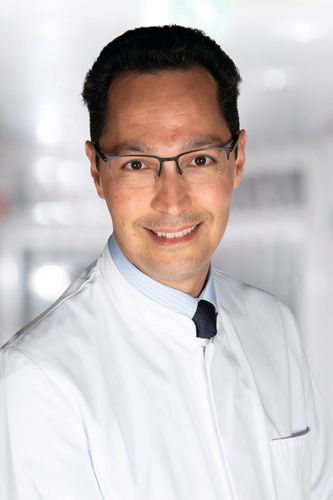
Myocarditis: A Focus on Definition, Symptoms, and Treatment—An Expert Interview with Dr. Lars Michel, M.D., on behalf of Univ.-Prof. Dr. Tienush Rassaf, M.D.

Alexandra Pfitzmann ·
As Director of the Department of Cardiology and Angiology at the West German Heart and Vascular Center of Essen University Hospital, Prof. Dr. med. Tienush Rassaf plays a pioneering role in the treatment of cardiovascular diseases. Under his leadership, the clinic offers a comprehensive range of conservative, interventional cardiological, and angiological procedures. Great emphasis is placed here on individualized treatment approaches, ensuring that every patient receives care tailored to their specific needs.
State-of-the-art procedures such as PTCA/stents, interventional therapies for valvular diseases (TAVI/Mitra-Clip/PASCAL), as well as treatments for heart failure and cardiac arrhythmias are provided at the highest level. The clinic is a pioneer in cardiovascular prevention and diagnostic imaging (cardiac CT, cardiac MRI, and PET scans). In addition, it offers first-class care in oncological cardiology, cardiomyopathies, device therapy, intensive care, and emergency medicine. Its proximity to the departments of cardiac and thoracic surgery and vascular surgery ensures short distances and optimal treatment workflows for both outpatients and inpatients.
Prof. Dr. Rassaf’s team ensures seamless care through close collaboration with primary care physicians and private-practice cardiologists. The Department of Cardiology and Angiology at Essen University Hospital offers comprehensive care across all areas of cardiovascular medicine. Its broad spectrum of services includes treatment options for coronary heart disease, arrhythmias, valvular heart disease, heart failure, aortic diseases, congenital heart defects, as well as emergency and intensive care medicine.
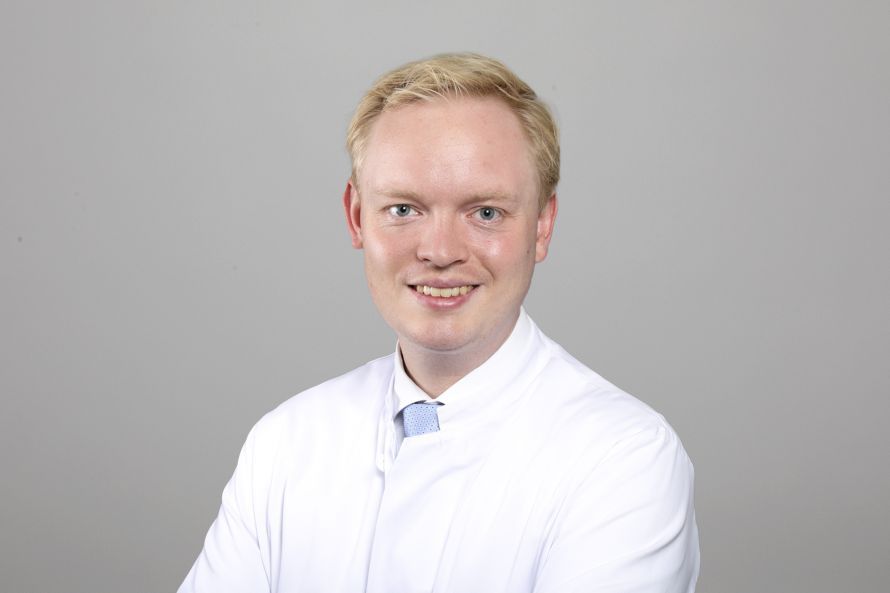
In Germany, approximately 2 to 3 million people are affected by heart failure. This figure may vary due to different data collection methods and sources, but overall, heart failure represents a significant challenge for the healthcare system. The editorial team of the Leading Medicine Guide wanted to learn more about this topic and spoke with Dr. med. Lars Michel, who has been working at Essen University Hospital since 2016 and has served as a senior physician at the West German Heart and Vascular Center there since 2023, where he heads the department of cardiomyopathies and advanced heart failure/heart transplantation.
Heart muscle weakness, also known as heart failure, is a serious medical condition that affects millions of people worldwide. This condition, in which the heart can no longer pump blood effectively enough, has a variety of causes and can lead to a range of symptoms that can severely impair quality of life. From the importance of early detection to modern treatment options—heart failure is a field of intensive research and clinical innovation aimed at improving the lives of those affected and slowing the progression of the disease.
Heart muscle inflammation, also known as myocarditis, can be triggered by various factors.
“There are essentially many forms of heart muscle inflammation. The most common type of heart muscle inflammation—known in medical terminology as myocarditis—is infectious myocarditis, caused, for example, by viruses such as the Coxsackie B virus or herpes viruses. However, certain autoimmune diseases, medications, or radiation therapy that affects the heart can also trigger myocarditis. For classic viral myocarditis, there are no general recommendations for healthy people to prevent it. To protect the heart, it is important to avoid exercise altogether if you have acute flu-like symptoms. People with a weakened immune system—for example, due to cancer—are at particularly high risk of developing myocarditis and should pay special attention to hand hygiene to avoid a possible infection. In addition, the vaccination recommendations of the STIKO (Standing Committee on Vaccination) should be followed. “These vaccinations include the 7-in-1 combination vaccines that should be administered during adolescence, which protect against pathogens that can cause myocarditis,” explains Dr. Michel at the beginning of our conversation, and regarding the misconception that vaccinations increase the risk of myocarditis, he emphasizes: “The bottom line is that the risk of developing myocarditis from an infection is higher than from a vaccination that protects against infections.”
Overall, a healthy lifestyle and regular medical checkups play an important role in identifying and reducing potential risk factors for myocarditis. “Even healthy people are at risk for myocarditis. There is likely a high number of unreported cases that occur without symptoms or complaints as a side effect of flu-like infections, which then resolve without any lasting effects. This makes it all the more important to avoid physical exertion during febrile infections, as otherwise, if myocarditis is already present, there is a risk of worsening its course. People who engage in physically demanding activities should therefore definitely take sick leave and rest, rather than ignoring the infection and pushing through,” says Dr. Michel, adding: “In principle, all age groups are at risk for myocarditis. Unlike most heart diseases, which tend to affect older adults—such as coronary heart disease, arrhythmia, and heart failure—myocarditis also affects children and young adults.”
Stress can have a significant impact on heart health and increase the risk of heart failure. Chronic stress can lead to an excessive release of stress hormones such as cortisol and adrenaline, which put a strain on the heart and can cause long-term damage to the heart muscle. “Stress can indirectly cause heart failure because it leads to high blood pressure and contributes to heart failure, which ultimately makes the heart more vulnerable,” comments Dr. Michel.
Inflammation of the heart muscle (myocarditis) can cause a variety of symptoms that may resemble those of other heart conditions.
Similar to angina pectoris, chest pain or a feeling of tightness in the chest may occur. However, this pain can vary and is not necessarily related to physical exertion. Dr. Michel explains the symptoms: “Myocarditis is often asymptomatic in uncomplicated cases that resolve on their own. Classic symptoms may include shortness of breath during exertion, chest pain, swelling in the legs (leg edema), or noticeable heart palpitations. Tragically, resulting cardiac arrhythmias can lead to sudden cardiac death. This is often one of the reasons for an unexplained cause of death in young, otherwise healthy, and athletic people.” These symptoms are nonspecific and can also occur in other cardiovascular diseases.
Various diagnostic procedures are used to detect inflammation of the heart muscle (myocarditis).
“When myocarditis is suspected, the initial evaluation usually takes place in a hospital, partly to ensure that everything is handled quickly and to efficiently rule out alternative causes, such as coronary artery blockage. Typically, the patient’s medical history is taken—for example, whether they had a flu-like illness, whether they are taking any medications and, if so, which ones, whether they have any pre-existing conditions, or whether they have traveled abroad (since there are rare cases of myocarditis caused by specific pathogens). Basic diagnostic testing then involves an ECG, a blood test, and an ultrasound of the heart. An MRI of the heart is the gold standard for imaging and provides important clues, though it does not ultimately prove the disease. In unclear or more severe cases, a heart muscle biopsy is also performed. “This is a minor procedure performed using a catheter, through which a sample of the heart muscle is extracted with small forceps and analyzed under a microscope to determine whether inflammation is present,” Dr. Michel explains the diagnostic process.
The reliability of these tests varies, and no single test alone is sufficient to diagnose myocarditis. Often, several procedures are combined, and the results are interpreted by various specialists to enable a more accurate diagnosis. Collaboration among cardiologists, radiologists, and laboratory physicians is essential to conduct a comprehensive evaluation and arrive at the best possible diagnosis.
The treatment of myocarditis depends on various factors, such as the severity of the condition and the patient’s individual circumstances.
“Once a diagnosis of myocarditis has been made, the most important thing is consistent physical rest, usually for a period of at least three months. Medications may be prescribed to support treatment and typically need to be taken over an extended period of time. If heart failure persists despite the resolution of myocarditis, medication often must be taken for the rest of the patient’s life. In patients currently undergoing immunotherapy for cancer, myocarditis is of particular concern. This is because immunotherapy—which is often highly effective—involves the administration of drugs (known as immune checkpoint inhibitors) that trigger an immune response against cancer cells. Unfortunately, these drugs sometimes also target healthy tissue, such as the heart. We are currently seeing this more frequently, precisely because this form of cancer therapy is extremely effective and is therefore being used more and more often. Unfortunately, we can assume that the number of patients with myocarditis will also increase as a result,” explains Dr. Michel.
RAS inhibitors, or renin-angiotensin system inhibitors, are a group of medications that lower blood pressure and thereby reduce the strain on the heart. These medications work by inhibiting various signaling molecules in the body, which in turn affects the heart, blood vessels, and kidneys in different ways.
ACE inhibitors: ACE inhibitors such as enalapril or ramipril lower blood pressure and dilate blood vessels, thereby reducing the strain on the heart. People who develop a severe, persistent cough as a result of taking ACE inhibitors can switch to so-called sartans.
Sartans: Sartans, also known as angiotensin receptor blockers (ARBs), work similarly to ACE inhibitors and include active ingredients such as candesartan, losartan, and valsartan.
Sacubitril/Valsartan: This combination of two active ingredients, valsartan and sacubitril, lowers blood pressure and promotes the accumulation of protective signaling molecules in the body that support the heart. It may be prescribed as an alternative to ACE inhibitors or sartans, and some patients receive this combination therapy from the start.
Beta-blockers block the effects of stress hormones in the body, lower blood pressure, and reduce heart rate. Beta-blockers include bisoprolol and metoprolol. At the start of treatment, beta-blockers may worsen the symptoms of heart failure, which is why the dose is increased gradually.
SGLT2 inhibitors, also known as gliflozins, are actually medications used to treat diabetes mellitus. They promote the excretion of sugar in the urine, which lowers blood pressure and can lead to slight weight loss. Gliflozins used to treat heart failure include dapagliflozin and empagliflozin.
Aldosterone antagonists promote urine excretion and inhibit signaling molecules that can further damage a weakened heart. Examples of aldosterone antagonists include spironolactone and eplerenone.
Inflammation of the heart muscle (myocarditis) can have long-term effects on heart health, especially if it was severe or led to complications.
“There are a few cases of very severe myocarditis that cause a severely weakened heart muscle. This usually affects very young people, who then experience a significant reduction in their quality of life and sometimes even require mechanical support in an intensive care unit. There are also cases that require a heart transplant. It is particularly tragic when myocarditis goes unrecognized and it is only discovered years later that the patient must have had myocarditis and now has severely impaired heart muscle function. “By then, it’s too late, so to speak; while we can alleviate the symptoms, we often cannot restore or regenerate heart muscle function,” states Dr. Michel.
Out of every 100,000 patients with myocarditis, 10–20 are between the ages of 15 and 40 and are at risk of developing lifelong heart failure.
Dr. Michel describes what happens in the heart during myocarditis as follows: “Anatomically speaking, the heart enlarges during the course of myocarditis, and its contraction weakens because individual heart muscle cells lose their function or the connective tissue undergoes remodeling (fibrosis), especially during physical exertion, such as when climbing stairs. As a result, the heart pumps out only a smaller amount of blood per beat, and the body is no longer adequately supplied with oxygen and nutrients, which ultimately leads to a reduced quality of life.”
Prevention of myocarditis focuses on avoiding infections, which are often considered the primary cause of this condition.
Preventive measures aim to protect particularly vulnerable individuals from infections. Vaccinations against viruses such as influenza, measles, mumps, and rubella are essential for reducing the risk of viral infections that can lead to myocarditis. In addition, good hygiene plays a significant role: Regular handwashing reduces the risk of infections and minimizes their spread. A healthy lifestyle—consisting of regular exercise, a balanced diet, and adequate sleep—strengthens the immune system and promotes overall health. This, in turn, can lower the risk of infections. Avoiding harmful substances—such as excessive alcohol consumption, drug abuse, and tobacco smoke—also helps reduce inflammation in the body and thus lowers the risk of myocarditis.
“A heart-healthy diet naturally helps prevent the development of heart diseases such as coronary heart disease or hypertension-related heart problems, which could worsen the course of myocarditis. However, individual foods cannot counteract a virus in the heart. As for exercise, professional societies have specific recommendations that explicitly name endurance sports as good for heart health. The European Society of Cardiology recommends this 5 times a week for 30 minutes each session. To stay motivated, joining a sports group can help, as it gives you a reason to meet up with others. Digital tools such as a heart rate monitor can also help with motivation. “Exercise is protective in almost all situations—in other words, it’s never too late to start,” says Dr. Michel, adding:
“I definitely recommend a cardiological checkup for people with an elevated risk profile due to obesity, smoking, or diabetes. This is not a specific examination for myocarditis, but rather a general assessment of heart health. By assessing risk factors, we can determine on an individual basis how often a follow-up checkup is advisable.”
You’re in excellent hands at Essen University Hospital!
Essen University Hospital is part of the Essen University Medicine hospital network, which comprises a total of 15 affiliated institutions, including the Ruhrlandklinik, St. Josef Hospital in Werden, the Huttrop Heart Surgery Center, and the West German Proton Therapy Center in Essen. The West German Heart and Vascular Center Essen (WHGZ) serves as a supraregional center for maximum cardiovascular care with an academic profile. It is dedicated to the research, diagnosis, and treatment of heart and vascular diseases. The WHGZ is characterized by a unique structure that integrates the clinics for cardiology and angiology, neurology, thoracic and cardiovascular surgery, as well as the departments of pediatric cardiology and vascular surgery. In addition, the scientific institutes for pathophysiology, pharmacology, and the mechanisms of cardiovascular diseases are part of the center. This integration enables a cross-departmental and forward-looking structuring of diagnostic and therapeutic processes, as well as faster implementation of translational innovations for the benefit of patients. The WHGZ’s range of services covers all areas of cardiovascular medicine, including all therapeutic options for coronary heart disease, cardiac arrhythmias, valvular heart disease, heart failure, aortic diseases, congenital heart defects, as well as emergency and intensive care medicine.
“Here at Essen University Hospital, we have a major focus on heart failure—which also includes myocarditis—and we have a supraregional heart failure network and a dedicated outpatient clinic for heart failure —everything is possible, from simple drug therapy to heart transplantation. We have ongoing studies that are also yielding new treatment options for our patients. In addition, we have a very large center for oncological cardiology with special expertise, both clinically and scientifically, and we have a very large imaging department that allows us to perform high-quality cardiac MRI scans, enabling us to offer comprehensive care,” Dr. Michel emphasizes, and goes on to express his hopes for the future: “We often don’t actually know why some patients have uncomplicated myocarditis that resolves on its own, while others develop a chronic course of the disease and heart failure. It would be important to investigate this scientifically. And when it comes to diagnostics, it would be desirable for the quality of imaging and biomarkers to improve even further, so that we can provide patients with an even more precise and rapid diagnosis without the need for complex procedures. In the future, there will be an even greater ‘medical need’ for immunotherapies to ensure the best possible treatment for patients, which will bring the management of side effects into sharp focus.”
Dr. Michel, thank you very much for this detailed and important information on the topic of myocarditis!
Share this article
About the medical author
Alexandra Pfitzmann
Editor
Alexandra Pfitzmann – medical author: expert knowledge, professional articles and medical insights in the Leading Medicine Guide.
More about the medical author →Expert Interviews
Read next
- Expert interview
Cardiogeriatrics: Significance and benefits in the context of hospital reform
Sep 21, 2026
Cardiogeriatrics: Significance and benefits in the context of hospital reform
Read more - Expert interview
Expert Interview with Professor Dr. Amadeus Hornemann, MPH
Sep 18, 2026
Prof. Amadeus Hornemann on Precision Medicine in Gynecology: Modern Surgery, New Techniques, Better Quality of Life
Read more - Expert interview
Expert Interview with Professor Dr. Konstantinos Anagnostakos
Sep 15, 2026
Prof. Anagnostakos on Painful Knee Replacements
Read more