Expert Interviews
Obesity: Approaches to Effective Treatment—An Expert Interview with Dr. Sylvia Weiner, M.D.

Alexandra Pfitzmann ·
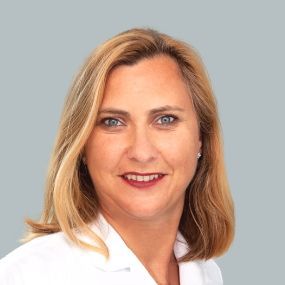
Dr. Sylvia Weiner, M.D., is the Chief Physician for Bariatric Surgery at Sana Klinikum Offenbach and enjoys a first-class international reputation. Her specialized expertise in assessing quality of life following bariatric surgery makes her one of the leading experts in her field. Together with Dr. Anne Freund, she founded the Obesity Academy, a leading institution in Kelkheim in the Taunus region of the Frankfurt-Rhine-Main metropolitan area, dedicated to combating and treating obesity.
With an experienced team of physicians and therapists, she offers a comprehensive program based on decades of expertise, which includes a wide range of informational events, training sessions, and workshops. However, when surgery becomes necessary, Dr. Weiner is an expert in bariatric surgery. She performs all standard procedures, such as the Roux-en-Y gastric bypass and sleeve gastrectomy, and also has extensive experience with endoscopic procedures such as the gastric balloon.
Dr. Weiner places particular importance on post-operative care, drawing on her pioneering work in the development of the “Bariatric Quality of Life Index.” These validated assessment tools help her improve her patients’ quality of life over the long term. Through her ongoing research and dedication, Dr. Weiner remains at the forefront of scientific developments and innovative surgical methods.
The editorial team at Leading Medicine Guide had the opportunity to speak with Dr. Weiner and learn more about the unfortunately widespread condition of obesity and about the Obesity Academy, where people can truly find the help they need.
Obesity is a chronic condition characterized by excessive body fat that can have serious health consequences. It represents a growing global health problem. Worldwide, more than 650 million adults and 124 million children and adolescents are affected. This condition not only significantly impacts the quality of life of those affected but is also a major risk factor for numerous serious diseases such as diabetes, cardiovascular disease, and various types of cancer. In light of these alarming figures, it is crucial to develop and provide effective treatment strategies and comprehensive support systems for people with obesity.
“Unfortunately, there is an ever-increasing need for care for patients with obesity, many of whom undergo surgical treatment. However, patients first and foremost want to receive good counseling—independent of a surgical obesity center. Many specialists are not very familiar with the topic of obesity, so we have created the Obesity Academy—an institution where affected patients can receive counseling on all treatment options. This includes options in the areas of surgery, nutrition, behavioral therapy, and medication. We offer training courses at the Academy on nutrition and behavioral therapy. This is because, before starting any treatment, it is crucial to fill any knowledge gaps and ensure the patient is well-informed. Unfortunately, patients often underestimate how important this education ultimately is for achieving the desired outcome. In the outpatient sector, there are no training programs available for primary care physicians; therefore, with the Academy, we have filled an important gap and can provide holistic care to patients with our staff physicians,” explains Dr. Weiner at the start of our conversation, adding further important information about the Academy:
“Our Academy program is also designed to help patients get informed early on. Many people go through far too long a period of suffering, which is due, among other things, to a lack of counseling services. People who feel they’re too heavy—or even those with what they consider a ‘minor’ weight issue—are also welcome to come to us. Anyone can book courses with us. Initially, this is a self-pay service (similar to the cost of a hair salon or beauty salon), but you can submit the invoice to your health insurance provider for reimbursement. In general, these courses are a good investment, whether for prevention or to avoid potential health complications associated with being overweight. We also provide thorough information about medication-based therapies, such as “weight-loss injections” (containing the active ingredient semaglutide), which must be administered under medical and laboratory supervision and should be accompanied by nutritional counseling. Here at the Obesity Academy, we believe in the empowered patient who can grow and actively participate—we view the patient as a partner.”
Is there a genetic predisposition?
There are a multitude of genes whose variants are associated with the risk of obesity. These genes regulate a wide range of physiological processes that influence body weight, including appetite control, energy expenditure, fat metabolism, and the distribution of adipose tissue in the body. Some of these genes directly influence the tendency to gain weight, while others act indirectly, for example by affecting metabolism or regulating feelings of hunger and satiety.
“There are no reliable methods that can indicate a genetic predisposition to obesity. The evidence is minimal. While there is a genetic component, it cannot (yet) be measured. We can detect changes in the body’s metabolism, but we cannot say with certainty which glands or hormones are responsible. An initial consultation with the patient does provide a few clues, but ultimately, you have to take the bull by the horns and systematically tackle the disease with experienced experts,” explains Dr. Weiner.
Psychological factors and personal eating habits play a crucial role in the development and treatment of obesity.
Stress, depression, and eating habits are three key factors that can not only contribute to the development of obesity but also influence treatment outcomes. Stress is a common companion in modern life and can lead to unhealthy eating habits. Chronic stress can impair metabolism and intensify cravings for unhealthy foods, which in turn promotes weight gain. In therapy, stress management training can help reduce stress and develop healthier coping strategies. Depression is another psychological factor closely linked to obesity. People with depression often have an increased risk of becoming overweight, as the condition can diminish interest in healthy eating and physical activity. Treating depression through psychotherapy and/or medication can therefore not only improve mood but also increase the chances of successful weight loss.
“In the end, the cause doesn’t matter—we have to treat obesity! Of course, there are environmental factors that contribute to obesity. The food industry also contributes to some people becoming increasingly overweight. In such cases, it’s important to help patients adjust their shopping and eating habits. Ultimately, however, obesity is a chronic inflammatory metabolic disease that doesn’t manifest the same way in everyone,” Dr. Weiner explains.
Disordered eating habits such as emotional eating, binge eating, and compulsive overeating are common accompaniments to being overweight. In therapy, behavior-based approaches such as cognitive behavioral therapy can be used to address the underlying eating patterns and promote healthier habits. A multidisciplinary approach is necessary to effectively integrate these psychological factors into therapy. A team of doctors, nutritionists, psychologists, and other specialists can provide comprehensive care that takes medical, nutritional, and psychological aspects into account. A holistic treatment that addresses both physical and mental health can improve the chances of successful weight loss and long-term weight management.
In recent years, various new technologies and pharmacological approaches for treating obesity have been developed, some of which show promising results.
Endoscopic procedures offer minimally invasive approaches to treating obesity. These include procedures such as endoscopic intragastric balloon therapy, in which a balloon is placed in the stomach to create a feeling of fullness. These techniques are less invasive than surgical procedures. “We can provide guidance on this at the Academy. This is because the long-term results of these endoscopic procedures are not convincing. The treatment is also costly and time-consuming,” Dr. Weiner points out.
Some promising medications include GLP-1 receptor agonists, which are also used to treat diabetes, as well as drugs that influence the brain’s reward center to reduce food cravings. “These medications mimic the effects of the body’s own signaling molecules, which are produced in the small intestine and then act on various organs such as the liver, heart, or stomach, thereby increasing metabolism. Unlike a normal diet, basal metabolic rate is not reduced, but you experience less appetite and hunger. This drug therapy is suitable for people who are overweight up to 100–120 kilograms, depending on their height. By taking the medication, you can reach a normal weight range within about three months, but you should continue taking a maintenance dose long-term. Here, too, accompanying nutritional counseling or stress management is beneficial, which is why we offer the corresponding support courses at the Academy. We try to make things as simple as possible for patients at this stage. First, you can register with us online, learn more, and then perhaps sign up for the courses we offer. Once the patient is on board, the rest falls into place. After all, the biggest hurdle for patients is taking that first step. And with us, that’s easy,” Dr. Weiner emphasizes.
Obesity is closely linked to an increased risk of a variety of comorbidities, including diabetes, cardiovascular disease, and certain types of cancer.
In the case of diabetes, excess adipose tissue plays a role in the development of insulin resistance, which can lead to an increase in blood sugar levels. Weight loss achieved through a healthy diet and regular physical activity can significantly reduce the risk of type 2 diabetes and improve blood sugar control.
“Cardiovascular diseases are a common consequence of obesity, as excess adipose tissue can promote inflammation in the body, raise blood pressure, and affect cholesterol levels. This increases the risk of heart attack, stroke, heart failure, and high blood pressure, which can lead to premature death. Obesity is also associated with an increased risk of cancer. The long-term damage to joints can also be immense. Those who do not seek treatment for obesity can expect their life expectancy to be reduced by 10–20 years. Ideally, weight loss should occur before such joint damage sets in and before the first heart attack. “The later treatment begins, the worse the consequences,” states Dr. Weiner.
Bariatric surgeries, such as gastric bypass, sleeve gastrectomy, and gastric banding, are not only designed to reduce body weight but also have far-reaching effects on patients’ quality of life and well-being.
Dr. Weiner first explains the steps taken prior to surgery: “Before surgical treatment can be performed, a 6-month conservative preparatory program involving dietary changes and behavioral therapy takes place. The various surgical procedures are then discussed, with the main methods being sleeve gastrectomy and gastric bypass. We explain everything to the patient at this stage. Once all preparations are complete and the patient has a psychological evaluation—which, by the way, can also be arranged directly through the Academy—the surgery can be scheduled. The surgery is minimally invasive, and the patient can go home as early as the second day. It is an almost outpatient procedure performed at the Sana Clinic by experienced surgeons. The Sana Clinic, my employer and also a partner of the Obesity Academy, is a center of excellence with the highest number of bariatric surgeries in Germany (approximately 800 per year) and maintains a correspondingly high level of safety.”
Weight loss improves insulin sensitivity, which can help control or even reverse diabetes. Blood pressure and cholesterol levels can also improve, reducing the risk of cardiovascular diseases such as heart attacks and strokes. In addition to these physiological improvements, many patients also experience a significant increase in their mental well-being. Weight loss can boost self-esteem and life satisfaction. The ability to move freely and without restrictions can also contribute to increased self-confidence and better mental health. However, the experience following bariatric surgery is characterized not only by physical and psychological improvements but also by challenges and adjustments. The process of weight loss and adapting to a new lifestyle can be difficult for some patients. This can involve emotional turmoil, difficulties adjusting socially, and challenges in transitioning to new eating habits and exercise routines.
Follow-up care for patients after bariatric surgery is crucial to ensuring their long-term success and preventing potential complications. This care encompasses various aspects that work together to provide the best possible support for patients.
After bariatric surgery, patients must learn to adapt to their new dietary habits. Nutritional counseling helps them ensure they receive adequate nutrients, avoid deficiencies, and develop healthy eating habits over the long term. Psychological support is another important component of follow-up care. Many patients go through an emotional adjustment process after surgery and may be confronted with feelings such as loss, grief, anxiety, or uncertainty. Ongoing psychological support can help them cope with these challenges and improve their mental well-being. In addition, promoting exercise and physical activity is of great importance. Regular exercise is essential for health and well-being after bariatric surgery and can help support weight loss and improve overall fitness.
“As part of follow-up care after bariatric surgery, patients receive additional educational sessions or individual counseling. For one to two years, patients visit us at regular intervals so we can assess their progress. After that, they undergo an annual outpatient follow-up. Patients who are severely overweight and undergo surgery lose approximately 70–85% of their excess weight within one year. Patients undergoing drug therapy lose approximately 20% within one year. People respond very differently to these treatments. It is also possible to combine surgery with medication, and a second surgical procedure is another option, as a slight weight gain after about 5–10 years is quite normal. Ultimately, every body is different. The better patients are supported throughout their treatment, the more stable the results will be,” says Dr. Weiner, adding one more wish:
“With the Obesity Academy, we’ve created a great resource for patients with obesity. However, there should be such counseling centers throughout Germany that operate independently of surgical clinics, so that patients can have easy access to a wide range of treatment options. If I could make a wish, it would be that we have locations throughout Germany so that everyone can access treatment early on—even if they’re only slightly overweight—without being stigmatized. Because then, so many people wouldn’t need surgery. Currently, there are approximately 30 million overweight people in Germany and about 1.4 million who are candidates for surgery. “In any case, everyone who is overweight is welcome here!”
Thank you very much, Dr. Weiner, for this important information about obesity and your Obesity Academy!
Share this article
Expert Interviews
Read next
- Expert interview
Expert interview with Professor Dr Elmar Herbst, PhD
Oct 15, 2026
Patient-centred and personalised knee surgery
Read more - Expert interview
Cardiogeriatrics: Significance and benefits in the context of hospital reform
Sep 21, 2026
Cardiogeriatrics: Significance and benefits in the context of hospital reform
Read more - Expert interview
Expert Interview with Professor Dr. Amadeus Hornemann, MPH
Sep 18, 2026
Prof. Amadeus Hornemann on Precision Medicine in Gynecology: Modern Surgery, New Techniques, Better Quality of Life
Read more