Expert Interviews
Incontinence: Diagnosis, Differential Diagnosis, and Modern Treatment Approaches

Alexandra Pfitzmann ·
Incontinence is a common but often stigmatized health issue that affects both women and men and is far more than just an annoying everyday inconvenience. It can significantly impair quality of life, limit social activities, and undermine self-confidence.
At the same time, modern medicine shows that there are very different causes behind this symptom—ranging from anatomical and hormonal changes to neurological disorders or the aftereffects of surgical procedures. This is precisely why an accurate diagnosis is so important, as it forms the basis for personalized and effective treatment.
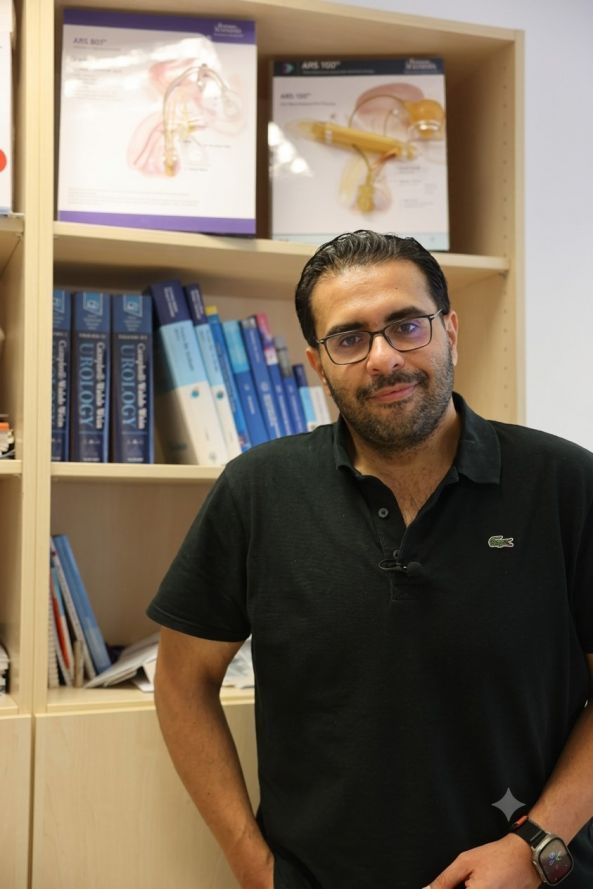
Incontinence results from a complex interplay of various physical, hormonal, and neurological factors, which is why it is considered a multifactorial symptom in medicine.
“Incontinence is not a single disease, but a symptom that can have many different causes. Changes in the pelvic floor, age-related tissue changes, hormonal influences, neurological disorders, or previous surgeries in the pelvic region play a major role.
In women, additional stressors include multiple pregnancies and childbirths, as well as obesity or chronic cough. Metabolic disorders, infections, or certain medications can also affect bladder function. Complete prevention is not always possible because the causes vary widely and must first be identified.
“Nevertheless, everyone can reduce their personal risk through regular pelvic floor exercises, maintaining a healthy body weight, treating chronic coughs or constipation, getting sufficient exercise, and seeking early urological or urogynecological evaluation as soon as the first symptoms appear,” explains Mohamed Zabad.
A strong and healthy pelvic floor is one of the most important measures for preventing incontinence—for women as well as for men, especially before and after pelvic surgery. Regular exercise strengthens muscles and boosts metabolism, and a healthy body weight reduces pressure on the pelvic floor and bladder.
Drinking enough fluids protects the bladder, as insufficient fluid intake irritates the organ and increases the risk of infections and kidney stones. Avoiding risk factors such as chronic coughing, straining during bowel movements, or nicotine use also contributes to long-term continence. It is also important to take early changes in continence status seriously and to seek medical evaluation promptly—the sooner the cause is identified, the better one can prevent deterioration and maintain continence and quality of life.
The pathophysiological mechanisms of urinary incontinence differ significantly between women and men because anatomy, hormonal influences, and typical disease progression each affect different vulnerabilities in the continence system.
“When a man comes to the clinic for incontinence, it all starts with an open conversation—because the topic is still a source of embarrassment for many. The first step is to understand when and in what situations urine leakage occurs: during physical exertion such as coughing or exercise, or suddenly with a strong urge to urinate. Keeping a fluid intake and urination diary for two to three days also helps to better identify the pattern. This is followed by basic tests such as a urinalysis, ultrasound, residual urine measurement, and a physical examination.
In more complex cases, a cough provocation test or bladder pressure measurement (urodynamics) is also performed to accurately assess bladder function. This differentiation is crucial because stress, urge, and mixed incontinence have completely different causes and are treated accordingly. While pelvic floor weakness following multiple pregnancies or hormonal changes is often the primary factor in women, male incontinence is frequently a consequence of prostate surgery or neurological disorders.
The fact that this issue is becoming more visible among men today is also related to the fact that an increasing number of men are living well in the long term after prostate cancer treatment—and their quality of life is taking center stage. “Modern diagnostics and specialized treatment approaches enable very good outcomes today,” Mohamed Zabad emphasizes.
In men, the pelvic floor, the anatomy, and the prostate play a central role in continence. If the prostate is surgically removed—particularly in a radical prostatectomy (complete removal of the prostate) or, less commonly, in an endoscopic resection of the prostate—the sphincter, nerves, or supporting structures may be compromised. This can sometimes lead to postoperative stress incontinence, which is clearly distinct from the female form. Other factors—such as age, neurological disorders, or an overactive bladder—can also contribute to urinary incontinence, but the surgical factor remains the most significant cause of male urinary incontinence.
Thanks to modern diagnostic methods, it is now possible to distinguish precisely between stress, urge, and mixed incontinence with much greater reliability than just a few years ago.
“In men, temporary incontinence after prostate surgery is very common, regardless of the surgical technique used. Every radical prostatectomy involves deep intervention in the pelvis, so the sphincter and bladder function are initially disrupted. Many men develop urge incontinence combined with stress incontinence during this phase. It is important not to simply ‘wait it out’ during this time.
Even before surgery, men benefit from targeted pelvic floor exercises and bladder training—which have been shown to improve continence after the procedure. Postoperatively, pelvic floor exercises, bladder stimulation, and consistent conservative measures are standard practice. If significant stress incontinence persists after about six months, it is considered treatment-resistant, and further steps should be considered. Today, highly effective surgical procedures are available for this purpose.
Male sling systems are particularly suitable for mild to moderate stress incontinence when the sphincter muscle still has sufficient residual function. The sling supports the urethra and improves continence in daily life. For severe incontinence or significant sphincter weakness, the artificial sphincter remains the gold standard. It functionally replaces the defective mechanism and allows patients to control bladder emptying themselves via a small button in the scrotum. Both procedures require experience and careful selection, but when indicated appropriately, they achieve success rates of over 90–95 percent.
Many men are initially reluctant to talk about their symptoms. In a specialized clinic, however, this embarrassment usually subsides quickly because education, models, and clear explanations provide reassurance. “Those affected realize that effective solutions exist and that they can regain their quality of life—a crucial step, because incontinence often places a massive strain on daily life and limits social activities,” explains Mohamed Zabad.
Surgical procedures such as male sling systems and artificial urethral sphincters play a central role today in the treatment of postoperative male stress incontinence because they replace or support precisely those structures that may be weakened or damaged following prostate surgery.
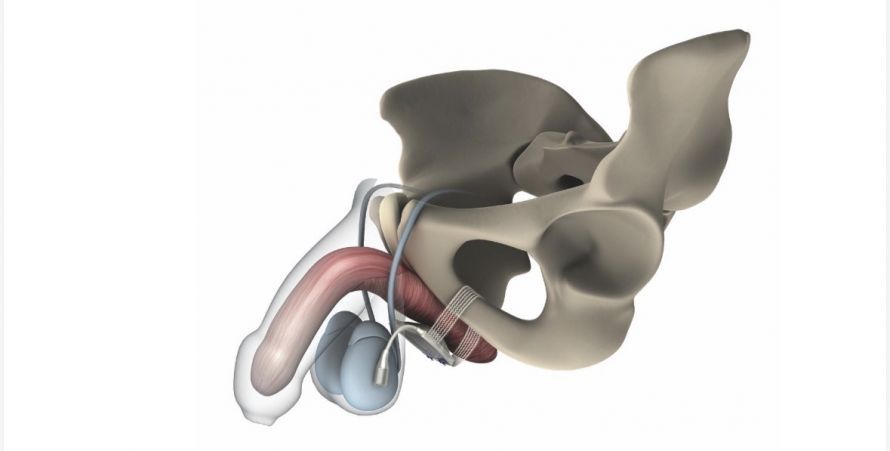 Male Sling System_Zabad
Mohamed Zabad elaborates: “Every prostate procedure takes place deep within the pelvis, where the sphincter muscle and the urethra work closely together. As a result, urge incontinence almost always occurs in the first few weeks, often combined with stress incontinence. During this phase, consistent conservative therapy is crucial: pelvic floor exercises, bladder stimulation, and—ideally even before surgery—targeted preparation of the pelvic floor. This has been shown to improve continence. If significant urine leakage persists after about six months, the incontinence is considered treatment-resistant, and further steps should be considered.”
Modern materials, high hygiene standards, and prophylactic antibiotic administration make complications such as infections extremely rare today.
“Male sling systems remain permanently in the body, while artificial sphincters must be replaced after about ten to fifteen years. Most patients no longer feel the implants after a short time. Many report that they quickly gain confidence after receiving information and becoming familiar with the models. Since incontinence can severely limit daily life—ranging from social withdrawal to high costs for pads and clothing—active treatment is a crucial step back toward quality of life and normalcy for many affected individuals,” states Mohamed Zabad.
Male sling systems support the urethra, lifting it slightly and thereby increasing the closure pressure. They are particularly suitable for men with mild to moderate stress incontinence and a sphincter muscle that is still functioning. The procedure is minimally invasive and achieves excellent results when performed on the right candidates.
The artificial urethral sphincter is the gold standard for severe incontinence. A cuff surrounds the urethra, and a small pump in the scrotum controls its opening and closing. This allows the patient to control bladder emptying. Success rates are high, even in cases of severely damaged sphincter muscles.
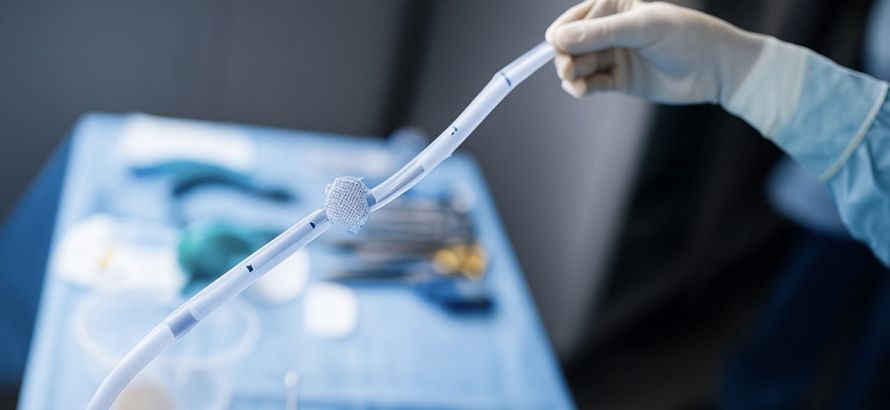 Artificial Sphincter
Guideline-based, interdisciplinary continence therapy is so effective because it does not view the various causes and mechanisms of incontinence in isolation, but rather understands them as a complex interplay of muscular, neurological, anatomical, and behavioral factors.
When urology, urogynecology, physical therapy, neurology, nursing, psychology, and—if necessary—pain management or geriatrics work closely together, a treatment plan emerges that stabilizes patients on multiple levels simultaneously.
“Many patients initially develop urge incontinence combined with stress incontinence. In this phase, consistent therapy is crucial: pelvic floor exercises, bladder stimulation, and—ideally even before surgery—targeted preparation of the pelvic floor. This has been shown to improve continence. If significant urine leakage persists after about six months, the incontinence is considered treatment-resistant, and further steps should be considered.
For mild to moderate stress incontinence, Male Sling systems may be considered; these support the urethra and assist any remaining sphincter function. In cases of severe incontinence or marked sphincter weakness, the artificial sphincter is the gold standard. It functionally replaces the defective mechanism and can significantly improve quality of life.
“Careful patient selection, comprehensive counseling, and performance at an experienced center are crucial, as these procedures involve many technical nuances and require expertise,” emphasizes Mohamed Zabad.
In modern continence medicine, the choice between conservative, pharmacological, and surgical treatment options depends on a series of clearly defined medical factors that collectively determine which treatment will provide the greatest benefit for a patient. The first crucial step is the precise identification of the underlying mechanism.
Incontinence is not a “luxury problem” because it affects not only individuals but also represents a widespread medical and social issue that deeply impacts daily life, mental health, and social participation.
Millions of women and men worldwide are affected—often with significant limitations that go far beyond the mere loss of control. Untreated incontinence leads to social withdrawal, shame, depression, loss of mobility, the need for care, and, in many cases, falls or skin conditions. As such, it touches on key areas of public health. Furthermore, the causes are diverse: hormonal changes, pelvic floor weakness, neurological disorders, chronic inflammation, age-related changes, or—particularly relevant for men—the consequences of prostate surgery.
This complexity makes it clear that incontinence is not something to be simply “put up with,” but rather requires precise diagnosis and specialized treatment. Modern continence medicine now offers a wide range of effective interventions—from conservative therapies and drug treatments to innovative surgical procedures such as Male Sling systems or artificial sphincters. Precisely because incontinence affects so many areas of life, there is a need for specialized centers, interdisciplinary teams, and guideline-based care.
Such structured treatment not only improves continence but also enhances independence, mobility, mental well-being, and social participation. Incontinence is therefore a key public health issue—and its professional treatment makes a significant contribution to quality of life and social participation.
The certified Center for Urology, Urogynecology, Reconstructive Andrology, and Intimate Surgery in Neunkirchen–Saar and Idar–Oberstein is one of the specialized centers for the modern treatment of incontinence. Here, experienced specialists work together in an interdisciplinary manner to comprehensively diagnose and provide individualized treatment for patients with bladder and pelvic floor problems.
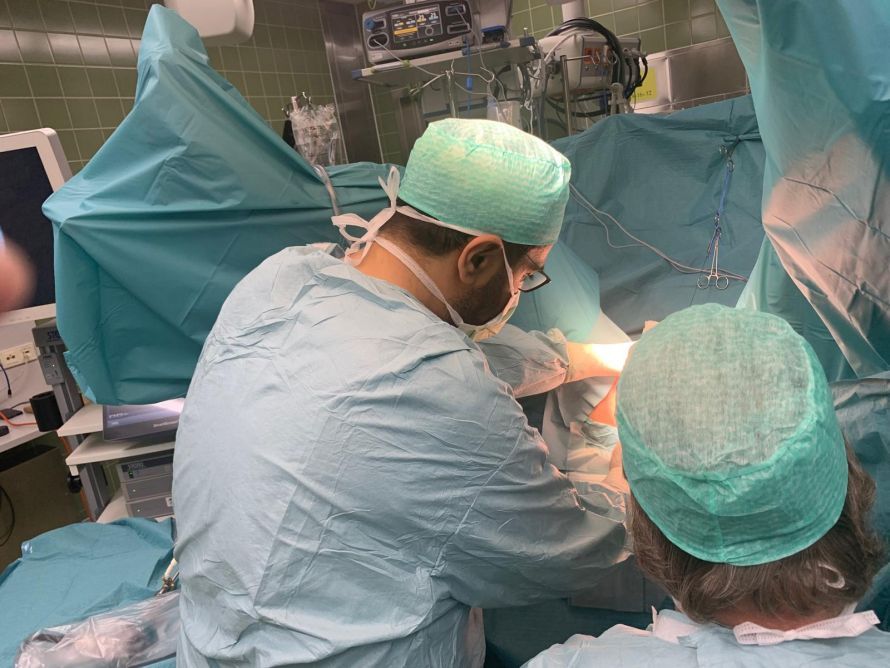
“When people can once again leave the house without fear of ‘accidents,’ maintain social contacts, work, travel, or engage in sports, their quality of life improves noticeably. Regaining continence—or even just a significant improvement—means a sense of independence, security, and dignity for many.
Guideline-based, interdisciplinary continence therapy is so effective in the long term because it not only treats symptoms but also stabilizes functional processes, strengthens resources, and actively involves patients in the therapeutic process. “It thus lays the foundation for genuine participation and a self-determined life,” Mohamed Zabad emphasizes at the conclusion of our conversation.
- Urologist — Internationally trained specialist, practicing in Neunkirchen/Saar.
- Specialist in Incontinence & Pelvic Floor — Treatment of female and male incontinence, sling surgeries, artificial sphincters.
- Sexual Medicine & Penile Surgery — Treatment of erectile dysfunction, penile prostheses, and functional procedures.
- Minimally Invasive Urology — Endourology, laser therapy, stone removal.
- Prostate Treatment — REZÜM water vapor treatment for enlarged prostate.
- Uro-Oncology — Modern diagnosis and treatment of urological tumors.
- Management Roles — Executive Senior Physician and Head of Incontinence/Urogynecology at Idar-Oberstein Hospital.
- Medical Care Center Managing Director — Management of the German-French Medical Care Center in Saarbrücken.
- Professional Associations — Member of SWDGU, DKG, DGU, EAU, AUA, ISSM, AAU.
- International Background — Studied in Cairo, gained clinical experience in Syria, and has been in Germany since 2011.
Share this article
Expert Interviews
Read next
- Expert interview
Expert interview with Professor Dr Elmar Herbst, PhD
Oct 15, 2026
Patient-centred and personalised knee surgery
Read more - Expert interview
Cardiogeriatrics: Significance and benefits in the context of hospital reform
Sep 21, 2026
Cardiogeriatrics: Significance and benefits in the context of hospital reform
Read more - Expert interview
Expert Interview with Professor Dr. Amadeus Hornemann, MPH
Sep 18, 2026
Prof. Amadeus Hornemann on Precision Medicine in Gynecology: Modern Surgery, New Techniques, Better Quality of Life
Read more