Expert Interviews
Erectile Dysfunction and Penile Prosthesis Implantation: An Expert Interview with Mohamed Issam Zabad

Alexandra Pfitzmann ·
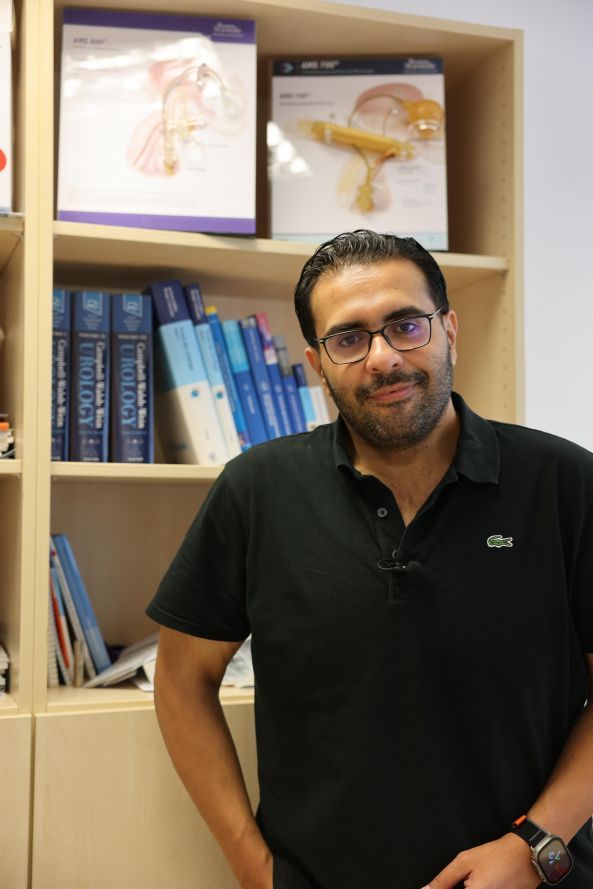
Mohamed Issam Zabad is a dedicated urologist who, thanks to his thorough training and extensive clinical experience in Germany and internationally, has developed special expertise in the treatment of urological conditions. In his practice at the “Bliesurologen” urology clinic in Neunkirchen/Saar, he cares for patients of all ages with a wide range of urological conditions. He places particular emphasis on providing compassionate, personalized care using the latest procedures and technologies. Zabad has focused on several highly specialized areas of urology, including reconstructive andrology, genital surgery, urogynecology, and the treatment of urinary incontinence.
He possesses in-depth knowledge of endourological stone therapy as well as minimally invasive urological surgery. In surgery of the external genitalia and penile surgery, Zabad combines functional restoration with a high degree of aesthetic precision. His role as managing senior physician and section head for incontinence and urogynecology at the Idar-Oberstein SHG Clinic underscores his professional authority in this key area of urology. The clinic’s certification as a consultation center by the German Continence Society attests to the high quality of the therapies carried out under his leadership.
Through his work, he is playing a key role in advancing the specialization of urology in southwestern Germany. Mohamed Issam Zabad is also active in the supraregional healthcare network: As managing director of the German-French Medical Care Center in Saarbrücken, he contributes both his organizational expertise and his medical experience. This combination of clinical excellence, international networking, and interdisciplinary leadership makes him a central figure in modern urological care in the region. His professional career, which began at Misr University of Science and Technology in Cairo and led him through various positions in Syria before finally bringing him to Germany, shapes his ability to provide empathetic and individualized care to patients from diverse cultural backgrounds. The editorial team at Leading Medicine
Guide spoke with Mohamed Zabad to learn more about erectile dysfunction and the option of penile prosthesis implants.
Erectile dysfunction (ED) is a common yet often stigmatized health issue that can affect men of all ages and significantly impairs not only their physical but also their psychological quality of life. When conservative treatments such as medications, injections, or vacuum pumps do not produce sufficient results, the implantation of a penile prosthesis can offer an effective and permanent solution.
Modern penile implants enable a reliable erection and thus the restoration of a fulfilling sex life. They are considered a safe and proven option for treatment-resistant erectile dysfunction—especially when other underlying causes such as diabetes, nerve damage, or prostate surgery are present. In experienced hands, the surgical procedure can be very successful and lead to a significant improvement in quality of life.
Erectile dysfunction (ED) can result from various causes. It is often caused by vascular problems, such as impaired blood flow due to atherosclerosis or venous insufficiency. Neurological conditions, such as nerve damage caused by diabetes or spinal cord injuries, can also impair erectile function. Hormonal causes, particularly low testosterone levels, also play a role, as do psychological factors such as stress, anxiety, or depression. In addition, certain medications, such as beta-blockers or antidepressants, can negatively affect sexual function. Other contributing factors include alcohol or drug use, as well as smoking.
“Erectile dysfunction is a complex condition with a wide variety of causes. Circulatory disorders are the most common underlying cause, but nerve damage, hormonal changes, or psychological stressors such as stress and depression can also play a role. When a patient comes to my office with this concern, I always begin with a detailed, personal consultation. It is important to me to address the issue sensitively and respectfully, as many patients feel ashamed and need time to build trust.
That is why I conduct these conversations step by step and never under time pressure. The initial consultation is followed by a physical and urological examination, as well as further diagnostic procedures if necessary—such as a Doppler or duplex ultrasound—to assess blood flow. In addition, a comprehensive laboratory workup is performed, particularly to assess hormone levels. All these steps are carried out in close consultation with the patient and tailored to his individual situation. I often provide accompanying informational materials—brochures, questionnaires, or videos—that the patient can review or complete at home at their own pace. This helps them process the information and prepare more effectively for follow-up appointments.
Special attention is also paid to risk factors such as alcohol and nicotine. While they may not have an immediate effect in moderate amounts, there is clear evidence that regular or heavy consumption has negative effects on erectile function. The issue of doping or hormone abuse—for example, among bodybuilders—is also playing an increasingly significant role. Artificially administered hormones such as testosterone can suppress the body’s own hormone production.
In the long term, this not only leads to a hormone deficiency but, in the worst case, can also result in serious complications such as kidney disease. The diagnosis and treatment of erectile dysfunction is a process that requires both medical precision and human empathy. “My goal is to work with the patient to find a viable solution that meets his individual needs,” explains Mohamed Zabad at the beginning of our conversation.
Before surgical options are considered, conservative treatments should first be exhausted.
“Treatment usually begins with lifestyle changes—including a balanced diet, regular exercise, weight loss if overweight, and avoiding harmful habits such as smoking or excessive alcohol consumption. These changes are essential, not only for sexual function but also for overall health. Often, these measures alone can already lead to a noticeable improvement. If these initial steps are not sufficient, medication-based therapies come into play.
The most commonly used medications are so-called PDE-5 inhibitors, such as sildenafil—better known by the brand name Viagra. These medications improve blood flow to the penis and can thereby support erectile function. It is important to tailor the treatment to the individual: dosage, timing of administration, and possible interactions with other medications should be determined in close consultation with a doctor to achieve optimal results.
If these measures also fail to produce the desired results, other conservative options are available. These include, for example, vacuum pumps, which mechanically induce an erection, as well as hormone therapies for proven testosterone deficiency. In certain cases, injection therapies—in which medications are administered directly into the erectile tissue—can also help. These generally lead reliably to an erection, but their use requires explanation and they are not suitable for every patient,” explains Mohamed Zabad, adding:
“If all conservative therapies have been exhausted and have not produced sufficient results, surgical intervention may be considered in particularly severe cases—for example, the implantation of a penile prosthesis. If a patient continues to suffer from erectile dysfunction despite taking medications such as Viagra, this is usually an indication of an underlying severe disorder of the erectile mechanism. This could be, for example, a severe circulatory disorder or irreversible nerve damage. In such cases, medication options are often not sufficiently effective, and further diagnostic evaluation and individualized treatment plans are required.”
Treatment of underlying conditions such as diabetes or high blood pressure is also essential. Only when all these measures fail to produce sufficient results are surgical interventions—such as the implantation of penile pump systems or vascular surgical procedures—considered.
The prerequisites for a penile prosthesis are clearly documented, treatment-resistant erectile dysfunction; the exhaustion of conservative treatment options; a stable physical condition without risk of infection; and the patient’s willingness to accept the surgical risks and consequences. Only then is surgery considered a reasonable last resort.
First, the diagnosis of ED must be clear and confirmed by comprehensive diagnostic testing. This means that organic causes, such as vascular disorders, neurological diseases, or hormonal deficiencies, have been carefully investigated and treated to the extent possible. Psychogenic factors should also have been assessed and, if necessary, addressed through psychotherapeutic interventions. Only when these conservative therapies fail to produce the desired results is a surgical solution appropriate.
“Once it is clear that conservative measures are no longer sufficiently effective, I usually begin providing the patient with initial information about prosthetics during the relevant appointment. For example, I show anatomical models in my office or have the patient watch educational videos so they can get a first impression at their own pace.
It’s important to me that nothing is rushed—I always say: Take your time, think it over, and bring your questions to the next appointment. At the next appointment, we’ll then set aside more time specifically to discuss everything in detail. When it comes to discussing the possible prostheses, I naturally also explain the differences between the options. There are basically two main types: semirigid prostheses and hydraulic implants.
The medical indication is similar in both cases—the difference lies in how they work. Hydraulic prostheses are the type we use most frequently today. They provide a very natural erection, are not visible from the outside, and can be completely deactivated. This is a major advantage for many patients. Although they are technically somewhat more complex, they are very effective in terms of functionality and patient satisfaction.
Semi-rigid prostheses, on the other hand, have a simpler design, require no active operation, and are therefore sometimes better suited for older patients or those with limited motor function. However, they remain permanently rigid, which is less discreet in everyday life. In countries with limited resources, they are therefore used more frequently, partly for cost reasons. It’s always important that the patient understands what’s involved and feels comfortable with the decision. That’s why I take the time to explain everything step by step and work together to find the best solution,” says Mohamed Zabad.
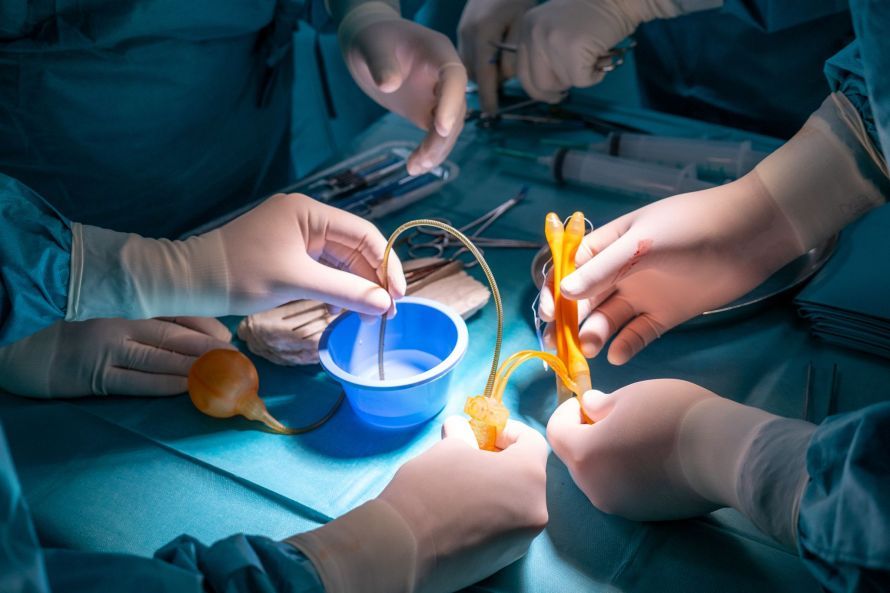
Semi-rigid vs. Hydraulic Penile Prostheses
Semi-rigid prostheses consist of flexible rods that maintain a certain degree of rigidity at all times. They are easy to use, durable, and more affordable, but they appear less natural because the penis never fully relaxes. Hydraulic prostheses use a pump in the scrotum to enable a controllable, natural erection and complete flaccidity. They offer a more discreet result and higher patient satisfaction, but are technically more complex and more expensive.
The implantation of a penile prosthesis is a surgical procedure that is now considered safe when performed by experienced urologists in an appropriate clinical setting.
Mohamed Zabad explains the surgical procedure: “The surgery itself is now, when performed by experienced surgeons, a safe routine procedure with a very high success rate. We work with modern, antibacterial prostheses and standardized procedures. For the experienced surgeon, this is a clearly structured procedure. The surgery usually takes between 60 and 120 minutes, depending on the initial situation—whether it is a first-time procedure or a recurrence—and, of course, on the surgeon’s experience.
The satisfaction rate is now between 90 and 95 percent, provided the indication has been correctly assessed and the appropriate materials have been used. As for risks, the typical surgical complications associated with any surgical procedure are, of course, present. In the past, the risk of infection was a major concern; today, thanks to modern surgical techniques, improved prosthetic materials, and targeted preparation, this risk has been significantly reduced. It’s important to note that the surgery itself accounts for perhaps 30 to 40 percent of the overall success—the rest depends on preoperative preparation and consistent follow-up care. If all of these factors are in place, there are generally no major problems.
Patients are usually hospitalized for two to four days—depending on whether, for example, they have comorbidities such as diabetes or whether drainage was necessary. After that, they can go home. The only important thing is this: For the first six weeks, they should take it easy physically and avoid strenuous activity. And yes, sexual intercourse is usually possible again after about four to six weeks.”
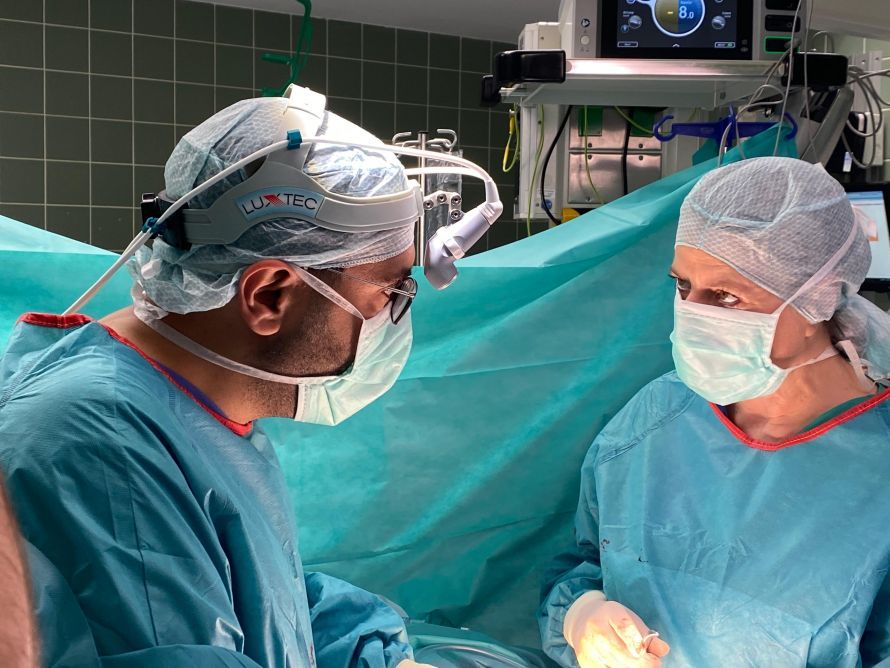
During the implantation of a penile prosthesis, surgical access to the corpora cavernosa is created via a small incision—either directly at the base of the penis or in the groin area. These corpora cavernosa, which normally fill with blood during an erection, are carefully opened to make room for the prosthesis components. In the case of a hydraulic prosthesis, the system consists of three parts: two cylinders inserted into the corpora cavernosa, a small fluid reservoir placed in the lower abdomen, and a pump implanted in the scrotum. This system later allows the patient to mechanically induce an erection by activating the pump, thereby directing fluid from the reservoir into the cylinders. After all components have been inserted, the surgical incisions are carefully sutured. Immediately afterward, a tight-fitting wound dressing is applied to minimize swelling and promote complication-free healing.
A penile prosthesis generally does not affect sexual sensation or the ability to achieve orgasm, as the prosthesis itself primarily restores the mechanical ability to achieve an erection. Sensation in the penis, which is transmitted via nerves in the glans and shaft, is usually preserved, as the prosthesis is implanted into the corpora cavernosa and does not directly affect the skin, nerve endings, or the glans area.
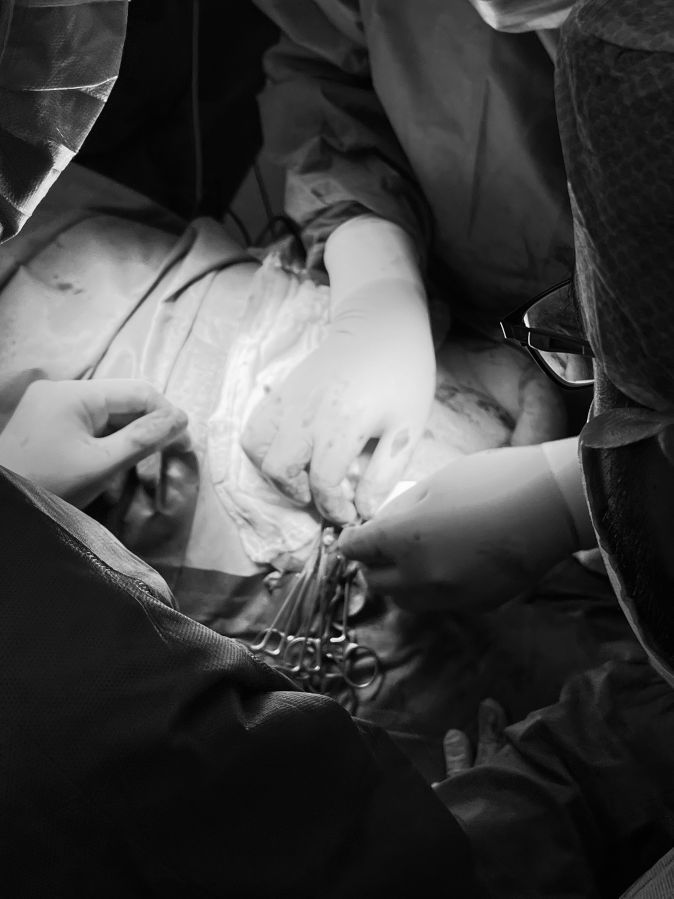
Mohamed Zabad describes the postoperative procedure: “Patients come in for regular follow-up visits after the procedure. I usually conduct the first follow-up after about two weeks, primarily to assess the wound. This is followed by another appointment in four to six weeks, during which we discuss the activation of the prosthesis together. I then explain exactly how to use the pump and provide accompanying instructional materials. Six weeks later—about twelve weeks postoperatively in total—there is another follow-up appointment during which patients share their experiences and feedback.
The feedback has been very positive. Over the years, I’ve found that nearly all patients—I’d say over 98 percent—are very satisfied, both with the functional outcome and with the impact on their quality of life. Many come with their partners, which I find very important. After all, erectile dysfunction never affects just the patient alone, but always the relationship as well, and the partner is often actively involved in the decision-making and recovery process. I frequently receive very positive feedback from this perspective as well,” he adds:
“As far as function is concerned, I’m often asked whether orgasm and sexual sensation are still possible with the prosthesis. And yes, they are. The prosthesis simply replaces the mechanical ability to achieve an erection. Sensitivity and the ability to achieve orgasm are generally fully preserved, as the nerve pathways are not affected. It’s important to explain this up front so that no false expectations arise. As for durability, a penile prosthesis typically remains functional for about ten to fifteen years on average. After that, it may be necessary to replace it. This procedure is generally less invasive and less complicated than the initial implantation—provided it is performed by an experienced surgeon.”
Erectile dysfunction is definitely a medical condition and not a cosmetic issue. This is not about performing a “cosmetic” or “plastic” procedure, but rather about treating a serious functional disorder.
“If the medical indication is clear and all conservative therapies have been exhausted, the implantation of a penile prosthesis is considered a standard procedure that is fully covered by health insurance—provided, of course, that all medical requirements are met. And as far as gender affirmation is concerned, it is indeed true that prosthesis implantations do occur in this context. However, it is important to know that this is not a one-step process; rather, several surgical phases are usually necessary. “The prosthesis is often a later, important part of the overall treatment process, which is carefully planned and monitored,” says Mohamed Zabad.
The Bliesurologen Neunkirchen – Saar / Idar-Oberstein Hospital practice is distinguished by its empathetic care, modern diagnostics, and individualized treatment approaches. Patients particularly appreciate the discreet and respectful atmosphere. With over 17 years of experience in urology, Dr. Zabad ensures a high level of professional and urological surgical expertise.
“At our clinic, we implant approximately 10–20 penile prostheses each year. Last year, we performed about 11 procedures, and by mid-year this year, we were already back up to around 11 to 12. This makes us one of the few centers in southwestern Germany that performs these procedures regularly and with extensive experience.
Generally speaking, there aren’t many who perform such surgeries. This isn’t because the procedure is extremely difficult, but because it requires specialized expertise. Not every urologist or surgeon performs these prosthesis implantations, which is why patients are often referred to specialized centers. “In recent years, we have gained a great deal of experience in this field and now perform these surgeries routinely,” explains Mohamed Zabad, and with that, we conclude our conversation.
Thank you very much, Mr. Zabad, for the fascinating insight and the important information!
Share this article
Expert Interviews
Read next
- Expert interview
Expert interview with Professor Dr Elmar Herbst, PhD
Oct 15, 2026
Patient-centred and personalised knee surgery
Read more - Expert interview
Cardiogeriatrics: Significance and benefits in the context of hospital reform
Sep 21, 2026
Cardiogeriatrics: Significance and benefits in the context of hospital reform
Read more - Expert interview
Expert Interview with Professor Dr. Amadeus Hornemann, MPH
Sep 18, 2026
Prof. Amadeus Hornemann on Precision Medicine in Gynecology: Modern Surgery, New Techniques, Better Quality of Life
Read more