Expert Interviews
Spinal Canal Stenosis

Alexandra Pfitzmann ·
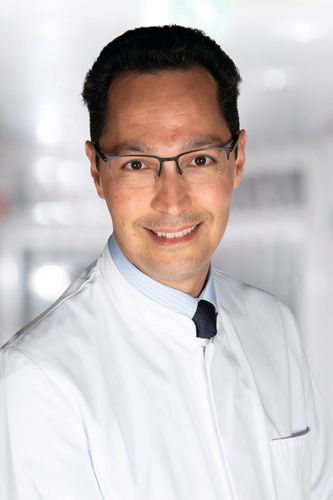
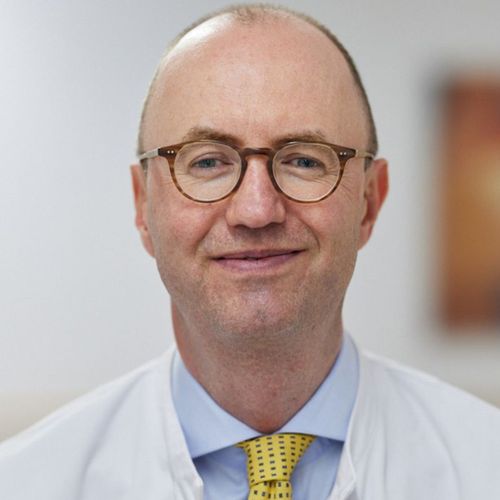
The editorial team at Leading Medicine Guide had the opportunity to speak with Professor Dr. Ewelt and learned more about this specific spinal condition.
Spinal stenosis is a condition in which the spinal canal—through which the spinal cord runs—becomes narrowed. This narrowing can lead to a variety of symptoms, including back pain, leg pain, numbness, or weakness in the limbs. Stenosis is often caused by degenerative changes in the spine that occur with age, but it can also result from injuries or congenital conditions. The diagnosis is typically made using imaging techniques such as MRI or CT scans. In many cases, spinal stenosis can be treated conservatively with physical therapy, pain medication, and injections. In severe cases where symptoms significantly impair quality of life, surgical intervention may be necessary to relieve pressure on the nerve structures.
The development of spinal stenosis is often the result of age-related degenerative changes in the spine, particularly in the lumbar region.
“Changes such as bulging intervertebral discs, thickened ligaments, and widening of the facet joints cause the space within the spinal canal to become increasingly narrow—sometimes so much so that the nerves are squeezed through a narrow passage, much like through an hourglass. This can lead to significant symptoms, ranging from pain and sensory disturbances to difficulty walking or even paralysis. Those affected often first notice that walking becomes increasingly strenuous, their legs hurt, or they have to stop after walking a short distance. Many report that they have to sit down regularly because it provides temporary relief—this is particularly noticeable in everyday life or while on vacation. It is also typical for patients to lean forward or brace themselves against something, as this posture relieves pressure on the spinal canal and temporarily alleviates the symptoms. This is why even cycling helps many people, since the slightly forward-leaning position creates more space in the canal. There is no fixed clinical grading system. While imaging can show the narrowing, the symptoms may differ significantly from the visible findings—sometimes the canal is severely narrowed but symptoms are mild, and sometimes the opposite is true. What matters more is how long and how severe the symptoms have been and whether they are becoming increasingly limiting. Initial treatment always focuses on conservative measures: physical therapy, therapeutic exercises, heat, or, if necessary, pain relievers. While these therapies can alleviate symptoms, they do not alter the actual narrowing. Degenerative changes continue to progress with age. Many patients therefore experience increasing limitations and develop what is known as “intermittent claudication”—they walk a short distance, have to stop, continue walking, and then pause again. “This significantly impairs daily life and quality of life and eventually leads to the point where further treatment or surgery appears necessary,” explains Prof. Dr. Ewelt.

With advancing age, degenerative processes such as bone spurs (osteophytes), degenerative disc disease, thickening of the ligaments (ligamentum flavum), and the breakdown of the vertebral joints, leading to a narrowing of the spinal canal through which the spinal cord and nerve roots pass.
A key distinguishing feature that sets it apart from other back conditions lies in the precise location and course of the symptoms. While, for example, a herniated disc usually affects only one side, pain often occurs more acutely and suddenly, and symptoms are frequently localized to a single region of the body; in spinal canal stenosis, however, a bilateral, chronic condition is often observed, characterized by typical worsening of symptoms with physical exertion.
The diagnosis is usually made using imaging techniques, primarily magnetic resonance imaging (MRI), which can accurately visualize the narrowing of the spinal canal and the involvement of the nerve structures.
“When a patient comes to me because their distress is very, very high, I always begin by taking a medical history. I look at what the patient has done so far, what treatments have already been tried, how long the symptoms have persisted, what problems are occurring, and to what extent these problems are affecting their daily life. This is followed by the physical examination: I assess posture, observe gait, and specifically check for paralysis—that is, whether there is focal paralysis in the foot or leg. If there is no paralysis, by definition there is no absolute indication for surgery. However, if there is a significant limitation, paralysis—even mild—or sensory disturbances, then the recommendation for surgery becomes correspondingly stronger. Imaging diagnostics are also very important. Every patient needs an MRI. Only if an MRI is not possible for specific reasons—such as a pacemaker or metal in the body—is myelography used. A simple CT scan or X-ray is not sufficient because the spinal canal cannot be assessed on an X-ray. A CT scan provides more detail, but myelography uses contrast dye to visualize the nerve roots, allowing their branches and any potential narrowing to be seen very clearly. An MRI is, of course, the optimal choice because it clearly reveals the various components of spinal canal stenosis: osteoarthritis in the facet joints, thickening of the ligaments within the spinal canal, or a disc protrusion. Not all of these factors are equally pronounced in every patient, but ultimately they all lead to narrowing of the spinal canal—to varying degrees depending on the patient. These relationships must be visualized; this is part of a comprehensive evaluation. Afterward, we discuss together the therapeutic options available,” says Prof. Dr. Ewelt.
Conservative treatment of spinal canal stenosis is generally appropriate when symptoms are still moderate and the discomfort can be alleviated primarily through non-surgical measures. The goal of conservative therapy is to control symptoms, improve quality of life, and maintain mobility without resorting to surgery.
Initially, conservative measures—including physical therapy, pain management, targeted exercise programs, and, in some cases, local injections—are employed. If symptoms persist or worsen to the point of significantly impairing quality of life, surgical treatment is often indicated.
Prof. Dr. Ewelt explains: “Surgical, but initially conservative according to guidelines—that is the basic approach. However, it is often the case that patients who come to the surgical consultation have already tried a great many things. They have been following conservative measures for a long time and have reached the end of their rope. They usually already know that this consultation will also involve the possibility of surgery. However, this does not mean that surgery is necessary right away. Often, simple decompression alone can provide significant relief, noticeably improving the patient’s quality of life. When reviewing X-rays or CT scans, it’s always important to check for vertebral displacement or instability in the segment. In such cases, additional stabilization may be necessary, for example, using a screw-rod system,” he adds, referring to the procedures, which are predominantly performed using minimally invasive techniques:
“Large incisions in the back—apart from special situations such as accidents or tumors—have long since ceased to be the standard for degenerative conditions. On the contrary: Most procedures can be performed very effectively using minimally invasive techniques. Even when screws need to be inserted, this is done percutaneously—that is, through the skin—using a guide that is only as thick as a ballpoint pen. The screws can then be inserted through this guide. Through a small incision on the side or in the middle, the spinal canal can then be effectively decompressed, and a fusion can be achieved using a ‘cage,’ a small implant. Stabilization surgery for degenerative conditions can also be performed effectively using minimally invasive techniques. The advantage is clear and has been demonstrated in numerous studies: there is less trauma from the incision, the muscles are less damaged, patients recover more quickly, and can usually get up and move around as early as the next day. The spine remains mobile, blood loss is minimal, and thus the strain on the circulatory system—especially in older patients—is significantly reduced. The goal is to get patients back on their feet quickly. They typically stay in the hospital for five to seven days. Even older adults or patients with preexisting conditions are often well-suited for such minimally invasive procedures—provided that the indication is carefully evaluated. In certain cases, endoscopic techniques can even be used, which makes the access sites even smaller and reduces tissue trauma even further. However, endoscopy reaches its limits in cases of severe degenerative changes or severe spinal canal stenosis, as extensive decompression is required in these situations. In such cases, minimally invasive decompression under a microscope offers more flexibility—also without large incisions. Ultimately, the patient’s safety is the top priority, along with the goal of helping them feel better quickly and regain mobility as soon as possible.”
In theory, it is conceivable to perform spinal surgery on an outpatient basis, and in some countries, such as the U.S., this is indeed common practice—there, patients often stay in the hospital for only one night.
“In Germany, however, the regulations are different: If an operation were billed here as an inpatient procedure for just one night, there would be a reduction in payment—meaning less reimbursement for the hospital. This sometimes seems paradoxical because it could actually benefit the patient, yet at the same time, the system rewards longer stays. From a clinical perspective, it makes sense—especially for older patients—that they not have to remain hospitalized for several weeks. In most cases, if they are doing well, they can go home after three to four days; otherwise, they may stay up to a week—this is medically justifiable and also within the limits of the healthcare system’s capacity. For older people, factors such as the risk of thrombosis, impaired healing, heart disease, or diabetes play a role. In such cases, an outpatient procedure would be borderline risky because complications such as postoperative bleeding, heart attack, or pulmonary embolism could occur—and the patient would not be under direct supervision. In countries like Denmark, such procedures are sometimes actually performed on an outpatient basis in private clinics, provided there are no serious pre-existing conditions. Here, too, the surgeon considers this approach risky because the risk of undetected complications is too high. “That’s why a few days of inpatient care in the hospital are neither a luxury nor excessive, but medically necessary. In Germany in particular, we’re glad that patients are able to spend this time under medical supervision before being discharged home,” Prof. Dr. Ewelt emphasizes.
Today, a wide range of modern, minimally invasive, and innovative surgical techniques are used to treat spinal stenosis, offering the advantage of performing the procedure more gently and precisely than traditional open surgeries. Among the most important modern procedures are microsurgical decompression, endoscopic decompression, and navigated and robot-assisted surgical methods.
Older patients are often faced with a decision: surgery or conservative treatment? Fear of paralysis and functional limitations plays a major role in this decision. Open and transparent counseling helps patients weigh the risks and make an informed decision.
“For patients, who are usually older, the issue of fear plays a major role. Many have had hardly any health problems well into old age, still feel fit in their daily lives, and want to continue enjoying their hobbies, such as golf or tennis. The idea of having their spine ‘tinkered with’ is often frightening—and it’s not uncommon for them to be haunted by the fear of paraplegia. In the counseling process, it is therefore particularly important to communicate clearly: Patients are faced with two options—to undergo surgery or not. When symptoms are causing significant distress, it is usually better to take action. At the same time, they must also understand the risks of not having surgery: paralysis could worsen, quality of life and hobbies could be lost, and in the worst-case scenario, a wheelchair might even be necessary. These points are discussed objectively, not as a threat. However, the likelihood of serious complications occurring in older adults with degenerative changes is very low, and this has been well documented. As a surgeon, one always decides how much is actually necessary: Is stabilization required, or is a minor decompression sufficient? The goal is to do the bare minimum while achieving the greatest possible benefit for the patient. It’s not about performing major surgeries to generate revenue, but about finding the medically sound solution. Patients are not pressured. We openly explain whether surgery is necessary, whether it’s possible to wait and see, or whether conservative treatment should be tried first. This freedom of choice often reduces anxiety because patients see that they themselves are in control. Of course, anxiety remains—both before the surgery and regarding the consequences of deciding against it. This is a normal part of the decision-making process that must be carefully guided,” explains Prof. Dr. Ewelt.
After surgery, most patients actually notice a significant improvement as early as the next day or within the first few days. Pain or tingling that has persisted for a long time subsides, and strength often improves as well.
Prof. Dr. Ewelt adds: “Nevertheless, we must remain realistic: Long-term pressure damage to the nerves takes time to heal, and sometimes the nerve only gradually ‘realizes’ that the pressure is gone. The improvement is therefore often noticeable immediately, but its extent can vary and requires the body to adjust to a certain extent. It’s also important that patients actively participate in their recovery. Physical therapy and rehabilitation are essential after surgery to train mobility, strength, and stability. Anyone who simply takes it easy or stays on the couch after surgery isn’t doing themselves any favors—active movement supports healing and ensures that the results are maintained in the long term. Patients who adopt this mindset and exercise consistently benefit much more quickly and sustainably. The wear and tear itself persists, as the aging process continues. Although the operated area is generally permanently relieved of pressure after a successful decompression, new problems can arise in adjacent segments or, theoretically, even in the same location. However, with a successful surgery and active follow-up care, the likelihood is very high that patients will benefit from the improvement in the long term.”
To sustainably reduce the risk of developing spinal stenosis—particularly in connection with age-related degenerative changes—a variety of preventive measures are advisable. These focus primarily on maintaining spinal health, avoiding excessive strain, and promoting stable, strong muscles that relieve pressure on the vertebral bodies and intervertebral discs.

Woman in Motion_AI-generated
“Exercise is always beneficial. Our musculoskeletal system is designed to be active, and even everyday activities like walking or cycling strengthen muscles and joints. However, those who take it too easy and restrict their movements will see their physical fitness decline and, in the long term, increase their risk of wear and tear—taking it easy doesn’t make things better; rather, it makes them worse. Whether someone is more prone to signs of wear and tear, such as spinal stenosis, depends less on activity and more on their individual constitution. Some people develop hardly any problems despite a lot of physical work or exercise, while others are more severely affected, regardless of how active they are. Degenerative changes can therefore occur in all segments of the population, and it cannot be generalized that certain occupational or age groups are more affected. However, exercise can have a preventive effect and help keep the body more resilient,” recommends spine specialist Prof. Dr. Ewelt.
Body weight also influences the strain on the spine. Being overweight increases the tensile and compressive forces on the intervertebral discs, vertebral joints, and bones, which can accelerate wear and tear. A balanced diet rich in anti-inflammatory nutrients such as omega-3 fatty acids, antioxidants (e.g., vitamins C and E), vitamins, and minerals such as calcium, magnesium, and vitamin D supports bone metabolism and the regeneration of cartilage tissue. Moderately limiting alcohol and nicotine intake is also recommended, as both negatively affect bone metabolism and can contribute to osteoporosis.
Treatment for spinal stenosis, especially when performed successfully, can significantly improve patients’ quality of life.
The St. Barbara Clinic in Hamm, as the Spine Center NRW, is a certified specialty center of the German Spine Society (DWG). This certification means that certain minimum numbers of surgeries and a demonstrable focus on spinal surgery must be met—not just occasional procedures, but consistent expertise.
“Such criteria are rigorously reviewed and serve both quality assurance and transparency for patients. The clinic places great emphasis on comprehensive safety: in addition to surgical expertise, risk assessment, anesthesia, and each patient’s individual pre-existing conditions are taken into account. Even though complications such as heart attacks or pulmonary embolisms can theoretically occur in older patients with pre-existing conditions, the risk rate for degenerative conditions is very low. Surgeries are always performed with a focus on the areas causing pain, and unnecessarily long procedures are avoided. Each year, over 1,000 spinal surgeries are performed at the Hamm Clinic, including both minor and major procedures as well as tumor surgeries. “This means patients benefit from extensive experience, proven expertise, and comprehensive care—from diagnosis through surgery to safe follow-up care,” emphasizes Prof. Dr. Ewelt, and with that, we conclude our conversation.
Thank you very much, Prof. Dr. Ewelt, for this interesting insight into the treatment of spinal stenosis!
BOOK RECOMMENDATION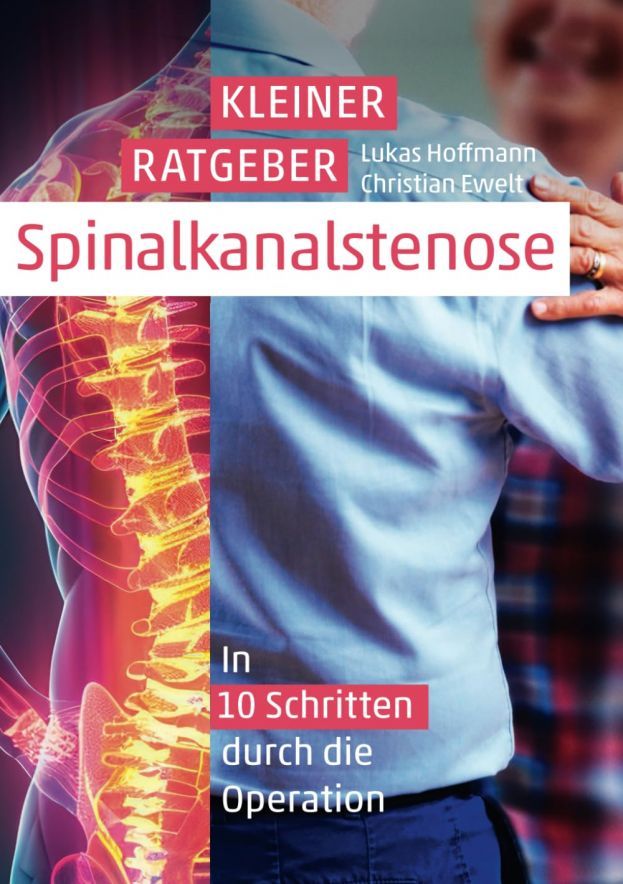
A Short Guide to Spinal Canal Stenosis: 10 Steps Through Surgery
by Lukas Hoffmann (Author), Christian Ewelt (Author)
108 pages
ISBN-13: 979-8300388485
- January 2025
Available for order here.
- Chief of Neurosurgery at St. Barbara Clinic in Hamm since 2018 and a leading expert in complex disorders of the brain and spine
- Additional certifications in specialized neurosurgical oncology, spinal, and vascular neurosurgery
- Treats primary brain tumors, cerebral metastases, and inflammatory, degenerative, and traumatic spinal disorders; specializes in skull base conditions and peripheral nerve compression syndromes
- Received DGNC certification in vascular neurosurgery in 2024
- The clinic is regarded as a leading center for high-risk procedures such as brain aneurysms and neurovascular diseases, utilizing state-of-the-art techniques, e.g., fluorescence-guided surgery for precise tumor removal
- Leads a spinal center offering minimally invasive, navigation-guided surgery and intraoperative CT
- Integrated into the Head and Trauma Center with interdisciplinary collaboration
- Regular tumor conferences for individualized treatment planning
- Comprehensive expertise in the treatment of complex spinal disorders, including spinal stenosis
Share this article
Expert Interviews
Read next
- Expert interview
Expert interview with Professor Dr Elmar Herbst, PhD
Oct 15, 2026
Patient-centred and personalised knee surgery
Read more - Expert interview
Cardiogeriatrics: Significance and benefits in the context of hospital reform
Sep 21, 2026
Cardiogeriatrics: Significance and benefits in the context of hospital reform
Read more - Expert interview
Expert Interview with Professor Dr. Amadeus Hornemann, MPH
Sep 18, 2026
Prof. Amadeus Hornemann on Precision Medicine in Gynecology: Modern Surgery, New Techniques, Better Quality of Life
Read more