Expert Interviews
Expert Interview with Professor Finkelmeier and Assistant Professor Knabe - The Growing Shift Toward Outpatient Care and the Provision of Gastroenterology Services in the Outpatient Sector

Alexandra Pfitzmann ·
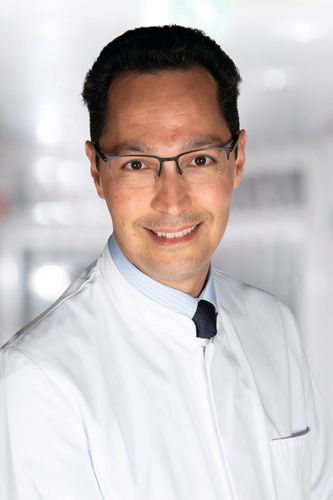
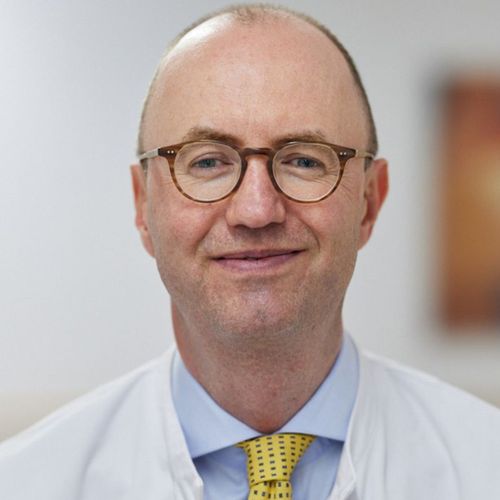
The Bethanien Gastroenterology Center (CGB) in Frankfurt am Main is one of the largest outpatient facilities in Germany for diseases of the gastrointestinal tract, liver, and pancreas. With over 25,000 endoscopic procedures performed annually, it is one of the largest gastroenterology centers in Germany. Prof. Dr. med. habil. Fabian Finkelmeier and Priv.-Doz. Dr. med. habil. Mate Knabe are two of the five partners who play a key role in shaping the center’s direction and structure. Both have many years of clinical and scientific experience and are recognized as leading experts in their respective fields.
Prof. Dr. Finkelmeier specializes in oncological gastroenterology and hepatology. He brings extensive experience in the diagnosis and treatment of liver diseases and gastrointestinal tumors, and is particularly committed to the further development of outpatient gastroenterological and oncological care.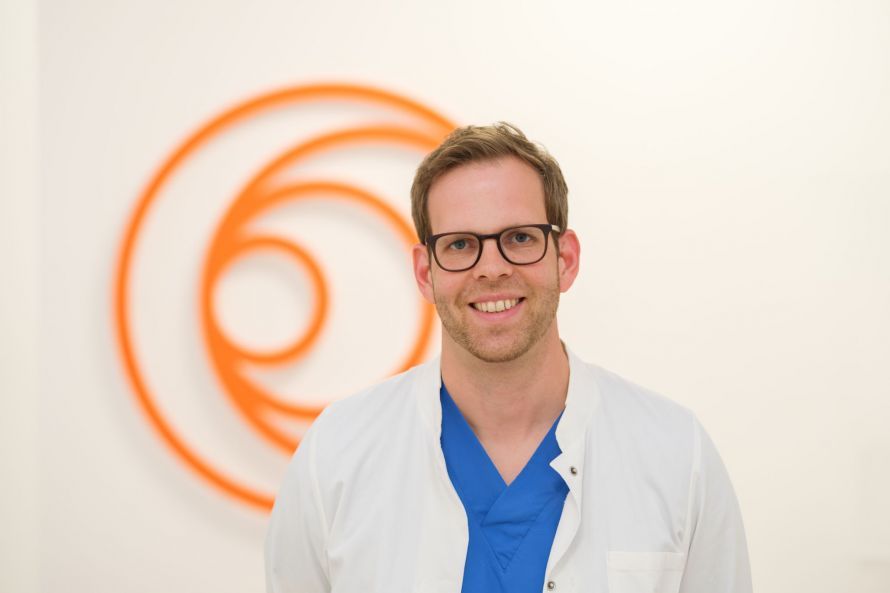
PD Dr. Knabe, on the other hand, focuses on interventional endoscopy and is one of Germany’s leading specialists in this field. His expertise includes, among other things, the endoscopic removal of early-stage carcinomas in the gastrointestinal tract, endosonographic diagnostics, and complex therapeutic endosonographic procedures and interventions on the bile ducts and the pancreas. As an experienced endoscopist, he plays a central role in an interdisciplinary context, particularly when it comes to tumors of the digestive tract.
Both physicians place great emphasis on individualized, patient-centered care—from the initial consultation through follow-up care. Together with a team of ten other highly qualified specialists, including Dr. Kai Miesel, Dr. Stephan Haaß, Dr. Jörg Ungemach, Dr. Stephan Vetter, Dr. Sibylle Ehrlich, Dr. Shakila Terai-Chun, Dr. Sandra Blößer, and Dr. Nora Schweitzer-Klusmann, the Center offers a broad range of diagnostic and therapeutic services covering the entire spectrum of interventional endoscopy and gastroenterology. This ranges from traditional gastroscopy and colonoscopy to modern ultrasound and biopsy techniques, as well as the management of chronic inflammatory bowel diseases and complex tumor diagnosis and treatment.
Close collaboration with Bethanien Oncology, Bethanien Radiology, and the Bethanien Surgical Center ensures comprehensive, one-stop care—efficient, coordinated, and of the highest medical standard. Short communication channels, structured processes, and personalized medical care are always our top priorities. With this clear focus on quality, interdisciplinarity, and patient-centered care, the Bethanien Gastroenterology Center has established itself as a reliable partner for complex gastrointestinal issues—both regionally and beyond.
The editorial team of the Leading Medicine Guide learned how the shift toward outpatient care can work in the field of gastroenterology and what conditions are necessary for it during a conversation with Professor Dr. Finkelmeier and Priv.-Doz. Dr. Knabe.
For several years now, gastroenterology has been undergoing a significant shift toward increasingly outpatient care. Advances in diagnostics, minimally invasive techniques, and optimized treatment concepts now make it possible to perform many gastroenterological procedures outside the inpatient setting—safely, efficiently, and with a patient-centered approach. Particularly in the fields of endoscopy, the management of chronic inflammatory bowel diseases, and oncological care, the focus of services is increasingly shifting to the outpatient sector. This development not only offers advantages for patients but also presents the healthcare system with new challenges and opportunities in cross-sector care.
In today’s gastroenterology, many services can be provided safely and effectively in an outpatient setting.
“Gastroenterology is one of the specialties particularly well-suited for an increased shift toward outpatient care—especially in light of current health policy efforts in Germany to offer more medical services outside the inpatient setting. Many of the standard endoscopic procedures, such as screening examinations like gastroscopy or colonoscopy, have long been established in the outpatient setting. Furthermore, interventional endoscopy is increasingly being successfully transitioned to the outpatient sector. The duration of these procedures is generally short, and complication rates are low and easily predictable. Often, a brief post-procedure monitoring period is sufficient, allowing patients to be discharged on the same day—provided they return to a safe home or supervised living environment. In these cases, many of the procedures still performed on an inpatient basis today offer neither a medical benefit to the patient nor economic value to the healthcare system. A large proportion of hospital stays lasting one to two days could be avoided without compromising the quality or safety of care. At the request of the Federal Ministry of Health, our professional association systematically analyzed which gastroenterological services can be performed on an outpatient basis. The analysis showed that nearly all common endoscopic procedures can, in principle, be performed on an outpatient basis—with only a few exceptions where inpatient care remains necessary for medical reasons. At the same time, it is important to note that the current reimbursement structure makes outpatient services economically unattractive in many cases. Many procedures are therefore performed on an inpatient basis because they are better accounted for in the DRG system than in the AOP catalog. The existing billing channels via the Outpatient Surgery (AOP) system currently cover only a portion of the services, such as colonoscopy. With the introduction of the so-called Hybrid-DRG, a new reimbursement model for certain outpatient services, a first step has been taken to enable even more complex procedures—such as endosonography or endoscopic retrograde cholangiopancreatography (ERCP)—to be performed outside the inpatient sector. “Gastroenterology is one of the first specialties to be included in this model—an important signal for the further development of outpatient care,” explains Prof. Dr. Finkelmeier at the start of our conversation.
The issue of reimbursement plays a central role in the discussion surrounding the shift toward outpatient care for medical services. It would not be productive to neglect this aspect, as every hospital faces the economic challenge of operating sustainably. Therefore, there must be clear, transparent, and fair framework conditions under which decisions can be made regarding how a medical facility provides its services—and thus can also remain economically viable.
Prof. Dr. Finkelmeier comments: “From a health policy perspective, it makes perfect sense to place greater emphasis on outpatient care models, as Germany provides an above-average number of inpatient services compared to other countries. This entails significant costs: for buildings, energy, staff, accommodations, and the entire infrastructure. A large portion of these expenses could be reduced through a targeted expansion of outpatient care—though explicitly without compromising on nursing staff or quality. For hospitals, this means that bed capacity would need to be reduced in the long term, which, depending on one’s perspective, could entail advantages or disadvantages for the healthcare system. However, for such a transition to succeed, the reimbursement system must also be adjusted accordingly. In interventional medicine in particular—whether in gastroenterology, cardiology, or other internal medicine disciplines—high costs arise from technology, materials, and specialized infrastructure. These expenses must be adequately reflected in the outpatient sector so that services can be provided there in an economically viable manner. While the DRG system in inpatient care is often better tailored to complex and cost-intensive services, the outpatient sector has so far frequently lacked the means for adequate reimbursement. In privately operated practices, investments and operating costs must be covered independently—without the financial leeway that is sometimes available in inpatient care. “For the shift to outpatient care to be not only a political goal but also practically feasible, we need a reimbursement system that meets these requirements. Only in this way can high-quality, economically stable, and patient-centered outpatient care be established in the long term,” he adds:
“The existing reimbursement systems are currently insufficient to implement the shift to outpatient care to the necessary extent. There is a lack of clear and sustainable financial frameworks that both create incentives and realistically reflect the actual costs of outpatient services. Although many experts view the hybrid DRG as a sensible interim solution to facilitate the transition from the inpatient to the outpatient sector and enable corresponding shifts in service provision, a structural reform of the reimbursement systems is indispensable in the long term. At the same time, a fundamental question arises as to who should provide these outpatient services in the future: hospitals, which are increasingly becoming involved in the outpatient sector, or private practices? In many areas, the necessary structures to perform certain procedures on an outpatient basis to a high standard are still lacking. Although health policy measures have created an initial incentive, the infrastructural prerequisites—in terms of personnel, technology, and organization—are still lacking in many places. These must now be systematically developed not only to enable the shift to outpatient care but also to ensure it is implemented to a high standard. In terms of personnel, the requirements for an outpatient procedure do not differ significantly from those for an inpatient procedure: experienced specialists, well-trained nursing staff, and suitable facilities and technical equipment are needed. Emergency care must also be guaranteed. Unlike in the inpatient setting, however, there is no need for extensive nursing, monitoring, and accommodation structures—which generally lowers operating costs but at the same time places higher demands on organization and safety measures in the outpatient setting.” 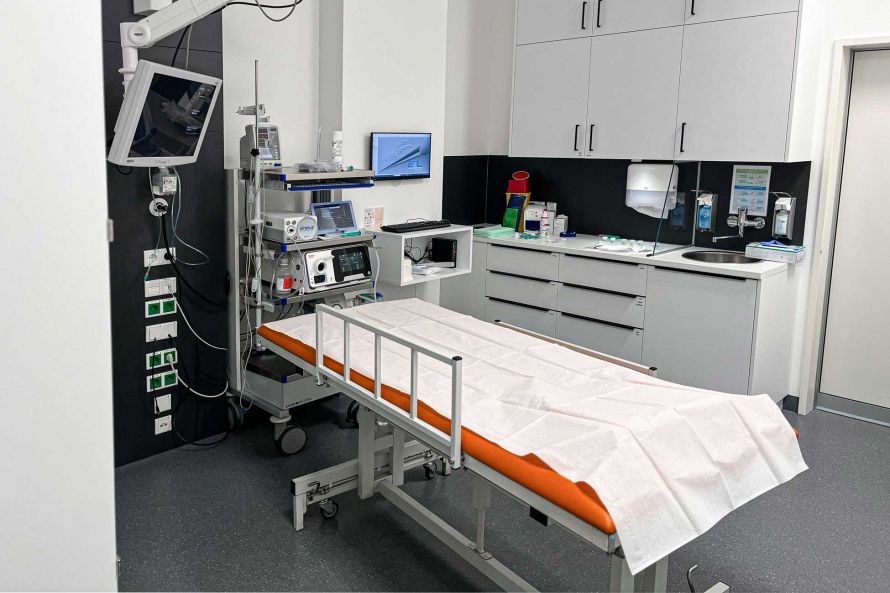
PD Dr. Knabe comments: “An important point here is the integration of outpatient services into a cross-sector care model. To provide outpatient services at a high medical standard, more is needed than just a technically well-equipped practice—it requires structural integration into a medical network that enables clinical standards. In facilities such as the Centrum Bethanien, this principle is already a reality. Here, various specialties work closely together: an oncology practice, a surgical practice, and cardiology partners—all operating at an excellent professional level. This interdisciplinary integration not only ensures medical quality but also safety, for example, if complications arise during a procedure. In such cases, an immediate response is possible—for example, through diagnostic imaging provided by the radiology practice, which operates just as smoothly as in a traditional hospital setting, even though it is formally an outpatient care facility. Many individual practices cannot replicate such structures in this form—especially when they operate in isolation and without a clinical background. In such an environment, outpatient care for more complex cases would often not be possible or safe to carry out. At the same time, the increasing shift toward outpatient care raises the question of how daily inpatient care will change.”
If a significant proportion of less severe cases is treated on an outpatient basis in the future, wards will primarily be left with patients who have severe or complex conditions—and this, in turn, means a significantly greater need for nursing and care.
“However, this aspect is certainly being taken into account in the current health policy discussion. The goal is not to place an additional burden on nursing staff, but to allocate resources more effectively. If outpatient structures mean that patients no longer need to be admitted to the hospital, wards can be downsized or consolidated. This frees up nursing capacity, which can then be concentrated on those patients who actually require inpatient treatment. This concept has already been implemented at Bethanien: The current outpatient clinic here used to be a regular ward, which was completely renovated and converted into an outpatient facility. The nursing staff who previously worked there are now distributed across other wards—where the need is greatest. This creates a twofold benefit: outpatient care is strengthened without weakening inpatient care. On the contrary—by specifically reducing the burden, hospitals can focus more intensely on caring for severe cases. And it also makes economic sense for the hospital, because outpatient cases are handled by specialized partners, while inpatient care remains focused on the treatments that are truly necessary,” said PD Dr. Knabe. 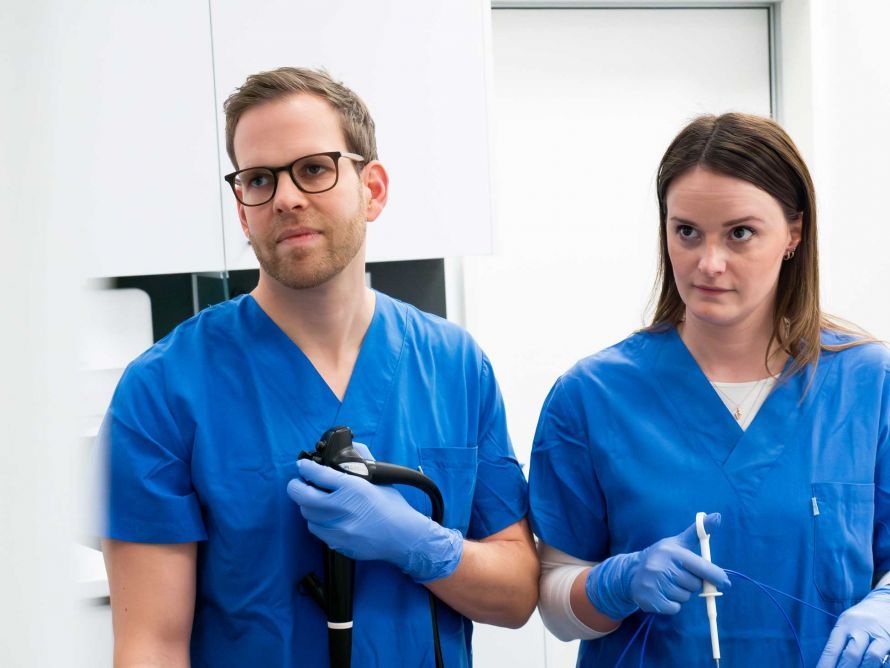
The Outpatient Care Promotion Act is an umbrella term for a wide range of health policy measures and reforms that have been initiated in recent years to strengthen outpatient care in Germany. These include, for example, the Hospital Care Improvement Act (KHVVG), new nursing care structure regulations, the MDK Reform Act (Medical Service of Health Insurance), and regulations concerning so-called AUG assessments (assessment of unclear etiology). However, much of this has not yet been fully implemented—particularly with regard to the Medical Service (MDK) and the associated restructuring.
“In practice, the law’s impact has been very inconsistent so far. Federal states such as North Rhine-Westphalia are well advanced in their implementation. There, a comprehensive restructuring of the hospital landscape has already been carried out, including through the introduction of so-called service groups. Only facilities that meet certain qualitative and structural requirements are still awarded care contracts there—for example, in surgery. Hospitals that do not meet these requirements or have only a small number of cases are simply no longer allowed to offer certain services. This has far-reaching implications for the range of care available, but is entirely consistent from a systemic perspective. Other federal states, however, are still significantly more cautious. In Hesse, for example, intensive discussions are currently underway regarding how the distribution of service groups should look in the future. In many places, decisions on this matter have not yet been made. Nevertheless, the restructuring of the hospital landscape is already noticeable. In many facilities, entire departments are being restructured, and gastroenterology is also affected. From a business perspective, inpatient gastroenterology services often barely cover their costs, leading many hospitals to downsize these departments or integrate them into other structures. The result: A large portion of these services is increasingly being shifted to the outpatient sector. Gastroenterology, in particular, serves as a prime example of how the system is shifting—though exactly where it is headed remains to be seen. Much is in a state of flux and depends heavily on the respective federal state. While some regions are already setting concrete guidelines, there is still great uncertainty elsewhere. One thing is certain: Over the next two to three years, it will become clear where this is all headed. “Many stakeholders—hospitals, professional associations, and federal states—are currently engaged in intensive discussions about who should assume which responsibilities in the future,” Prof. Dr. Finkelmeier makes clear, and PD Dr. Knabe adds:
“A central problem in this transformation process is the lack of flexibility regarding physicians’ decision-making autonomy. In practice, many physicians find that they are required to provide outpatient services even when they consider inpatient care necessary from a medical standpoint. If a procedure is formally defined as outpatient, there is little leeway—even when a physician explicitly recommends inpatient monitoring in the medical report. The decision is often made purely based on the classification in the catalog, without taking individual clinical assessments into account. This lack of differentiation between the legal text and medical reality is becoming an increasing problem within the new structures—and demonstrates that the shift toward outpatient care requires not only structural but also regulatory fine-tuning.” 
Despite the increasing shift toward outpatient care, patient safety in Germany remains assured. This is ensured by so-called contextual factors: If, for example, bleeding or another relevant complication occurs, inpatient admission can or must take place. These medical criteria often apply automatically, particularly in the case of older, multimorbid patients. In such cases, care is well safeguarded.
PD Dr. Knabe emphasizes: “However, problems arise when none of these contextual factors are met in the case of a medically complex procedure. In such cases, physicians no longer have the freedom to make decisions—even if inpatient monitoring would be advisable from a medical standpoint. In practice, admission does occur nonetheless, often in the interest of patient safety. However, afterward, the inpatient service is often not recognized or reimbursed by the payers. Rejections are issued by the Medical Service (MDK) on the grounds that the procedure was intended to be outpatient according to the catalog or that the extent of inpatient treatment was not justified—a so-called “incorrect admission.” This results in financial losses for the facilities. To mitigate such situations, a great deal of effort is invested in documentation.”
Prof. Dr. Finkelmeier explains the possible consequences: “If an excessive number of inpatient admissions is determined—typically, the threshold is around 35 percent, though this varies by federal state—facilities face the risk of having to make repayments to the MDK and pay penalties. This system is intended to prevent economic disincentives, but in practice it places a considerable burden on medical facilities. As a result, the threshold for inpatient admissions is artificially raised.”
A good option is to establish outpatient facilities with close monitoring by the hospital. After complex procedures, such as the removal of large polyps, patients are initially monitored for several hours. Only once their condition is stable are they discharged, or they may remain as inpatients after all.
“At our facility, all patients receive an emergency number through which an experienced specialist can be reached directly around the clock. This allows complications to be assessed quickly and treated immediately if necessary—at least in urban areas, where emergency care is available within minutes. In rural areas, however, the situation is different. Distances are longer, and the on-call medical service is often understaffed,” says PD Dr. Knabe, and Prof. Dr. Finkelmeier notes: “At the same time, the need for care is increasing: Many older people live alone and feel insecure or overwhelmed after a procedure. However, a patient’s mere wish to be admitted to the hospital is not sufficient. There must be a medically justifiable need. This is particularly problematic for elderly people living alone—for example, when there are no relatives available to provide follow-up care at home. While effective models of cross-sector care are already emerging in urban centers, implementing them in rural regions remains a challenge. The structural differences in the healthcare system—for example, between urban and rural areas—are significant and have not yet been adequately addressed. Further solutions are urgently needed here to ensure comprehensive, reliable outpatient care even beyond metropolitan areas.”
Shift to Outpatient Care and Cross-Sector Care
The ongoing shift toward outpatient care is fundamentally changing the collaboration between specialist practices and hospitals. In integrated models such as the affiliated physician system or cross-sector care concepts, the boundaries between outpatient and inpatient care are becoming increasingly blurred. Specialists accompany their patients throughout the entire process—from diagnosis and outpatient therapy to inpatient treatment and follow-up care. This continuity enhances the quality of care and increases patient satisfaction. At the same time, this closer integration brings new challenges: Coordinated communication structures, digital interfaces, and a clear division of responsibilities between outpatient and inpatient partners are needed. This allows for better management of patient flows, reduced inpatient stays, and efficient care even for complex disease courses—especially for chronic and specialized conditions such as those in gastroenterology.
The notion that offering more outpatient services will automatically allow for the care of more patients falls short—because many outpatient facilities are already operating at capacity. In many specialist practices, it is a daily challenge to identify the patients who actually require urgent care. Appointments are scarce, demand is high, and comprehensive care is often not feasible.
“Some practices therefore have structured procedures in place to quickly assess the urgency of referrals. The goal is to use limited resources as effectively as possible—for example, by deferring patients with repeated, non-informative requests for examinations in favor of complex or acute cases. At the same time, it is clear that the outpatient-inpatient system is undergoing a phase of restructuring. Traditional solo practices are increasingly being replaced by larger medical care centers (MVZs), which are either privately operated or run by hospitals. Collaborations between private practitioners and inpatient facilities are on the rise. One example of this is our close collaboration with Markus Hospital in Frankfurt, a 800-bed tertiary care hospital. “There, private-practice surgeons perform surgeries while also regularly working at the collaborating practice—a cross-sector connection that enables seamless treatment pathways,” says PD Dr. Knabe regarding future developments.
In this context, Prof. Dr. Finkelmeier comments on the situation of patients who may live farther away from the nearest hospital: “Even though patients with limited mobility may initially face some hurdles, centralization and specialization are seen as offering a clear long-term advantage: higher quality of care, lower complication rates, and shorter hospital stays. Especially in a country with relatively short distances, such as Germany, this approach makes sense—also in light of the growing shortage of skilled workers. By pooling expertise and resources more effectively, staff can be deployed more efficiently, which ultimately improves the overall quality of care,” and PD Dr. Knabe reinforces the idea of centralization: “Ultimately, it makes more sense to, for example, accept a 100-kilometer drive to see the treating physician if that physician has the necessary expertise.”
Bethanien is something special—an outpatient colorectal center with a rich history and a distinct philosophy. It stands out thanks to a highly qualified team of physicians, close integration of outpatient and inpatient care, and state-of-the-art diagnostic and therapeutic procedures available right on site. 
“Bethanien was the first certified outpatient gastrointestinal center in Germany. And actually, the whole thing arose out of necessity. Sure, there are countless certified gastrointestinal centers now, but for the entire operation to be purely outpatient, as it is here—at least to our knowledge, we’re not aware of anything like that elsewhere. This was established here long before our time—truly many years ago. And to this day, it remains a truly unique feature. What makes Bethanien Hospital so special is also a leadership team that has driven this overall concept forward with absolute determination and support over the years. They’re always quick to make decisions, with short decision-making chains, and always with the patient’s best interests in mind. This pragmatism isn’t a given in a complex system like healthcare. That’s not just an attitude—it’s a culture. And I believe that applies to all the practices here. We simply decide on many things over lunch. If we want to change something, we do it. Right away. It’s implemented the very next day. Meanwhile, elsewhere you first have to go through five committees and get 17 signatures—and by the time the board finally makes a decision two years later, it’s already outdated anyway. This speed, at a high level—that’s what sets Bethanien apart,” says PD Dr. Knabe enthusiastically.
If shifting to outpatient care is taken seriously, we have to make it possible.
“When we talk about the big picture—that is, the further development of outpatient care—there are essentially two major issues: First, funding. How the whole thing is supposed to be paid for in the long term is still completely up in the air. That’s where policymakers need to step in. And second—at least as important—is continuing medical education. That currently depends entirely on the hospital. And things aren’t running smoothly there right now. Due to centralization, service groups, and all these structures, continuing medical education is effectively shrinking. Many hospitals can no longer provide proper training. Specialist certifications? Often, they can no longer even be fully earned. That’s a huge problem. We do have both outpatient and inpatient structures here—which is actually ideal. But continuing medical education in the outpatient sector? That’s hardly provided for in the system. And that’s absurd, because the majority of cases and everyday clinical presentations—the very ones you need to learn from—are found in private practices,” criticizes Prof. Dr. Finkelmeier, and his viewpoint is supported by PD Dr. Knabe:
“In the hospital, you only see the very severe cases anymore. How is anyone supposed to learn properly under those conditions? That’s a real blind spot. While further training is technically allowed, in practice it’s extremely time-consuming, complicated, and hardly feasible. And that has to change—otherwise, the shift toward outpatient care won’t work in the long run. Many hospitals aren’t hiring any permanent staff at all right now. Why? Because they don’t know what the future holds—financially or structurally. Everything is sort of up in the air; decisions are being postponed, and it’s actually impossible to plan properly. This also affects continuing education. It’s like a downward spiral: If there’s less continuing education, we’ll soon run out of residents. Then we’ll lack specialized staff, then we’ll have to close beds, and then the quality of care will decline. And we’re already facing a shortage of doctors anyway. The whole situation hasn’t been thought through yet. It’s not just up to the political decision-makers, but also the medical associations. So far, simply too little has been done. Things need to move faster. Otherwise, the system will eventually collapse. But—and this is also important—we shouldn’t just complain.”
At the end of our conversation, Prof. Dr. Finkelmeier offers a very positive outlook: “Here at Bethanien in Frankfurt am Main, we really have an exceptional situation. A setup that works really well. And that shows: It’s possible—if you want it to be. You can implement things quickly, at a high standard, with a great deal of humanity. And that’s a real privilege.”
Thank you very much, Prof. Dr. Finkelmeier and Priv.-Doz. Dr. Knabe, for this lively and candid conversation about the shift toward outpatient care!
Share this article
Expert Interviews
Read next
- Expert interview
Expert interview with Professor Dr Elmar Herbst, PhD
Oct 15, 2026
Patient-centred and personalised knee surgery
Read more - Expert interview
Cardiogeriatrics: Significance and benefits in the context of hospital reform
Sep 21, 2026
Cardiogeriatrics: Significance and benefits in the context of hospital reform
Read more - Expert interview
Expert Interview with Professor Dr. Amadeus Hornemann, MPH
Sep 18, 2026
Prof. Amadeus Hornemann on Precision Medicine in Gynecology: Modern Surgery, New Techniques, Better Quality of Life
Read more