Expert Interviews
Modern Robot-Assisted Therapy for Benign and Malignant Prostate Diseases

Alexandra Pfitzmann ·
Prostate conditions are among the most common urological problems in middle and older age—and they initially cause anxiety for many men. However, medicine has made enormous strides in recent years. Today, highly precise diagnostic methods, minimally invasive procedures, and modern robot-assisted surgical techniques are available, making treatments safer, more accurate, and better tolerated.
As a result, both benign and malignant prostate conditions can be treated very successfully in many cases. The outlook is positive: With modern technology and experienced specialists, there are now excellent opportunities to improve quality of life in the long term. The editorial team of the Leading Medicine Guide learned more about this in a conversation with Professor Dr. med. Bernhard Planz.

Prostate conditions often arise from age-related changes, hormonal shifts, or inflammatory processes that can affect the sensitive glandular tissue. Genetic factors and certain lifestyle conditions also play a role when cells undergo changes or the prostate enlarges.
“Starting at age 45, men should undergo regular cancer screenings; if there is a family history of the disease, this should begin as early as age 40. The guidelines also recommend skin cancer screenings starting at age 35. Annual urological screenings begin at age 45. The PSA level plays a central role here: if it is above 0.6 in a 40-year-old, the lifetime risk of prostate cancer increases sixfold—based on large datasets from the Memorial Sloan Kettering Cancer Institute.
Many men still have significant reservations about urological examinations, but medical practice has changed significantly. The once-dreaded digital rectal exam, colloquially known as “the big harbor tour,” is no longer a mandatory part of screening. What matters most today is the PSA level and, above all, how it changes over time.
If the level doubles within a year—for example, from 0.6 to 1.2 or 1.6—this is considered abnormal and should be investigated. “The first diagnostic procedure is then usually an MRI of the prostate,” explains Prof. Dr. Planz at the beginning of our conversation, and continues:
“Prostate cancer develops through a combination of genetic predisposition and lifestyle factors. A family history of the disease significantly increases the risk. Diet also plays a role: in Asian countries, for example, prostate cancer is less common, which is linked, among other things, to a more plant-based diet.
Studies show that the risk for men of Asian descent increases significantly when they move to Western countries and adopt a typical Western diet. Many different factors therefore contribute to whether a man will develop prostate cancer over the course of his life.”
PSA stands for “prostate-specific antigen.”
It is a protein produced by prostate cells that can be measured in the blood. An elevated or rapidly changing PSA level may be an indication of prostate cancer, but it can also point to other changes such as inflammation or benign enlargement.
Curative treatment for prostate diseases has undergone fundamental advancements in recent decades—primarily through more precise diagnostics, less invasive surgical methods, and the use of modern technology.
In the past, treatment relied heavily on open surgical procedures, which, while effective, were often associated with greater risks, longer hospital stays, and more significant limitations for patients. With advances in imaging, particularly through high-resolution MRI techniques, tumors can now be localized and characterized much more accurately. This enables more targeted decisions and prevents unnecessary procedures.
“If prostate cancer is detected early, the chances of a cure are generally very good. The treatment depends on the type of tumor. The Gleason score (named after the American pathologist Donald F. Gleason) describes the aggressiveness of the tumor: scores of 8 to 10 are considered highly aggressive and should be treated promptly.
A Gleason score of 6 often allows for a “watch-and-wait” approach with regular MRI follow-ups or repeat biopsies. For a score of 7a, active surveillance is also possible under certain conditions, while scores of 7b and 8 generally require treatment. Standard treatments include radical prostatectomy—open or robot-assisted—as well as radiation therapy.
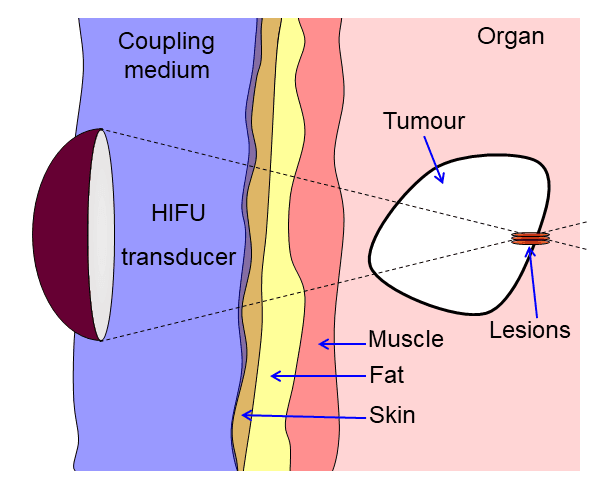
In addition, there are focal therapies that treat only the affected area, such as high-intensity focused ultrasound (HIFU). “This is particularly suitable for patients with isolated, less aggressive tumor areas. The affected tissue is destroyed using heat, guided by MRI-ultrasound fusion and three-dimensional imaging,” explains Prof. Dr. Planz.
With approximately 65,000 new cases per year, prostate cancer is the most common cancer in men. It is particularly common among older men: In autopsy studies, prostate cancer was found in about half of all 80- to 90-year-olds, even though it had not caused any symptoms during their lifetimes.
Prof. Dr. Planz comments: “However, if a tumor goes undetected and continues to grow unnoticed, the risk of metastasis increases significantly. Prostate cancer can spread primarily to the bones—such as the hip or spine—which worsens the prognosis. The key factor is whether the tumor remains locally confined or has already metastasized to a few sites (oligometastasis) or further (metastasis).
Depending on the extent, a distinction is also made between low-risk and high-risk tumors, which strongly influences the choice of therapy. For locally confined tumors, active surveillance, radical prostatectomy, radiation therapy, or focal ablation procedures are options.
However, if metastasis is detected—often today using a PSMA-PET-CT scan, which makes even the smallest lesions visible—treatment is guided by the number, location, and aggressiveness of the metastases. One example is a 65-year-old patient with a PSA of 26, a Gleason score of 8, and a T3 tumor: “If metastasis is detected in this patient, it changes the entire treatment strategy.”
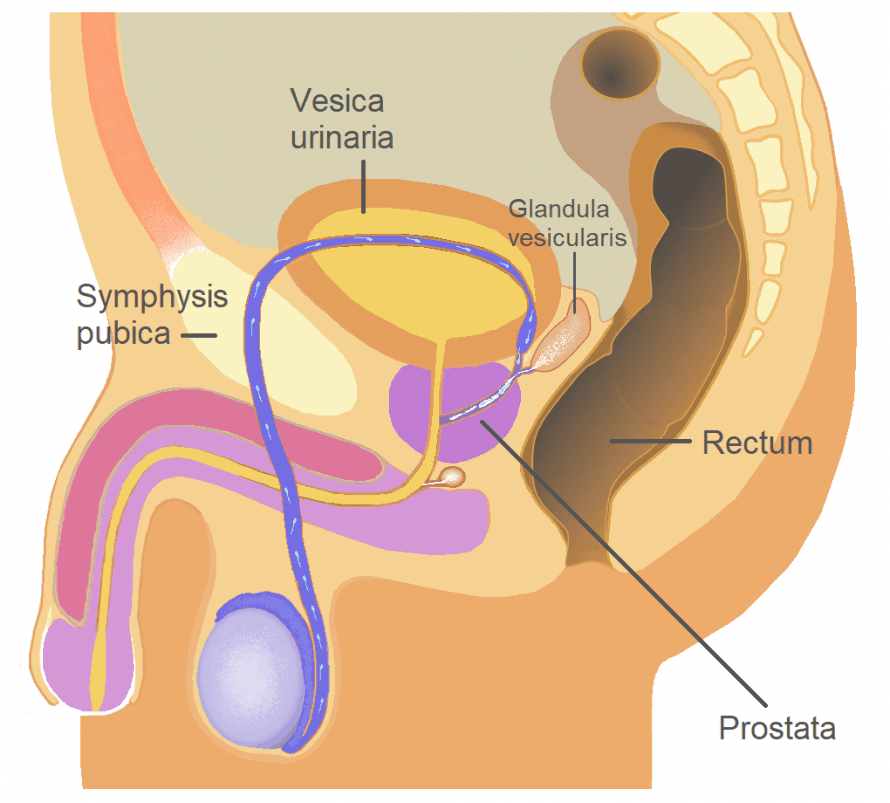
Robot-assisted surgery elevates the precision of prostate tumor removal to a level that is virtually unattainable with conventional open or purely laparoscopic procedures. It offers a particularly significant advantage in cases of malignant prostate enlargement because it allows for procedures in an anatomically extremely confined and sensitive area without unnecessarily compromising the surrounding structures.
The prostate is located deep within the pelvis, right next to the sphincter muscle and the delicate nerve bundles responsible for continence and erectile function. In cases of benign enlargement, the tissue often presses on the urethra, making surgical relief necessary. This is precisely where robot-assisted surgery demonstrates its strengths: Thanks to the high-resolution, three-dimensional view, the surgeon can clearly distinguish between the anatomical layers and remove the enlarged tissue with millimeter precision.
“Robot-assisted surgery now plays a central role in radical prostatectomy because, thanks to its three-dimensional visualization and high precision, it offers clear advantages over open procedures. Tumor tissue can be detected earlier and more accurately, blood loss and pain are reduced, and patients recover more quickly.
This development has taken place over many years: from open surgery to keyhole surgery and on to modern robotic systems such as the Da Vinci, in which the surgeon works at a console and controls the finest movements with a magnified view. “There are now virtually no patients who cannot be operated on using the Da Vinci system—the only decisive factor is the correct indication, as alternatives such as radiation therapy, active surveillance, or drug therapies remain relevant depending on tumor biology and age,” explains Prof. Dr. Planz.
A major concern for many men is the fear of incontinence or loss of sexual function. However, outcomes have improved significantly over the past two decades, especially in specialized centers with a high level of expertise.
“At our center, patients receive structured information even before surgery, along with a comprehensive educational packet and instructions for pelvic floor exercises, which begin four to six weeks before the procedure and have been shown to contribute to a faster recovery. Today, the exercises can even be performed using an app that is covered by health insurance.
Thanks to the combination of robot-assisted precision, standardized procedures, and specialized training for surgeons, continence rates have risen significantly: Most patients are dry shortly after the catheter is removed or require only a few safety pads. Upon completion of rehabilitation, over 90 percent are continent within three months, and about 96 percent are continent after one year.
These data come from systematic follow-up surveys using standardized questionnaires. “Risks such as incontinence or erectile dysfunction are still openly discussed, but today’s results allow us to recommend the surgery with confidence when indicated,” emphasizes Prof. Dr. Planz.
Robot-assisted surgery is deliberately chosen above all when precision, tissue preservation, and long-term functional outcomes are paramount, and when conservative or less precise minimally invasive procedures reach their limits.
Modern techniques such as focal HIFU complement robot-assisted procedures in a meaningful way because they address different therapeutic goals, thereby enabling a broader, more individualized range of treatments. While robotics is primarily used when tissue must be precisely removed or reconstructed, focal HIFU offers an organ-preserving approach that plays an important role depending on the disease and tumor stage.
Focal HIFU (High-Intensity Focused Ultrasound)
HIFU selectively destroys prostate tumor tissue using focused ultrasound—without the need for surgical access. The energy is precisely targeted, so that nerves and the sphincter muscle are largely spared. The procedure is particularly suitable for small, clearly defined tumors and can delay or replace surgery. Focal HIFU can also be used after a robot-assisted prostatectomy to treat small residual lesions or recurrences using a minimally invasive approach.
“In focal HIFU therapy, a high-resolution 3-Tesla MRI of the prostate is first performed, followed by a targeted biopsy. The tumor area, which has been confirmed by both the MRI and the biopsy, is linked to the ultrasound data using specialized software. This allows the affected area to be precisely visualized on the ultrasound.
MRI and ultrasound images can be viewed in real time on the monitor, supplemented by a three-dimensional reconstruction. This allows the tumor tissue to be destroyed very precisely using highly focused ultrasound. After the procedure, the patient has a catheter in place for one to two days but can then urinate normally again. The effect of tumor destruction is immediate, whereas radiation therapy often takes one to two years to take full effect.
The recurrence rate depends heavily on the tumor stage. After a radical prostatectomy, the 10-year recurrence rate is ideally less than ten percent. However, if the tumor is more aggressive—if it has already breached the capsule, infiltrated the fatty tissue, or spread to lymph nodes—additional treatment is often necessary, and the prognosis worsens accordingly,” states Prof. Dr. Planz.
Robotic surgery has such a significant impact on long-term treatment outcomes and the quality of life for patients with prostate cancer because it strikes a better balance between oncological safety and functional preservation than nearly any other procedure. The key advancement lies in the combination of precise tumor removal, minimal tissue damage, and anatomically accurate reconstruction—factors that have a direct impact on continence, sexual function, and overall well-being.
Prof. Dr. Planz describes the period following treatment: “After radical prostatectomy, patients enter an important phase of recovery and stabilization. Rehabilitation is a central component of this process. Three to four weeks of rehabilitation are recommended, either as an inpatient or outpatient—depending on the patient’s personal situation and preferences.
Rehabilitation focuses primarily on targeted pelvic floor exercises, which play a crucial role in helping patients regain continence more quickly. In addition, patients receive training, videos, and practical advice on restoring erectile function, as well as information about potential assistive devices. Many centers now use digital programs or apps—covered by health insurance—that provide structured guidance for the exercises.
Physical restrictions apply for the first three months after surgery: no cycling, no lifting loads over ten kilograms, no extreme temperature changes such as hot-and-cold contrast showers, and no intense competitive sports. These guidelines are intended to support healing and prevent complications. Diet no longer plays a direct role in the risk of recurrence after surgery, since the prostate has been removed. Nevertheless, a healthy lifestyle remains important.
A high-fiber, Mediterranean diet has a positive effect on overall metabolism and can help prevent conditions such as kidney stones, high blood pressure, or diabetes. It is also beneficial for general well-being and long-term health.”
Rehabilitation, targeted pelvic floor exercises, physical rest, and a balanced diet form the foundation for a stable recovery and a good quality of life after treatment.
For patients seeking further information, it’s worth taking a look at recommendations regarding modern treatment methods and the range of services offered. At St. Barbara Hospital in Gladbeck, over 200 prostate surgeries are performed annually using the Da Vinci system.

“In addition to treating prostate cancer, our range of services also includes a wide variety of therapies for benign prostatic hyperplasia. The center is certified for benign prostatic syndrome and offers various procedures—including bipolar radiofrequency resection/enucleation (complete removal) of the prostate, or holmium and thulium laser enucleations (minimally invasive procedures), GreenLight laser therapies (excess prostate tissue is vaporized using a highly focused green laser beam), steam ablation (Rezum), or the iTind procedure, in which a small clip is inserted. These methods are specialized procedures that are not widely available.
In addition, there is prostate artery embolization, which can also be used for chronic prostatitis, as well as Aqua-Ablation. While water vapor ablation involves injecting hot steam into the prostate to cause the tissue to shrink in a controlled manner, Aqua-Ablation uses an active device that removes the tissue with a jet of water. Hemostasis is required afterward.
Aqua-ablation is considered more invasive and is associated with a higher rate of side effects. “Steam ablation is particularly suitable for men who wish to preserve their sexual function and do not want to risk retrograde ejaculation—though primarily for small to medium-sized prostates,” emphasizes Prof. Dr. Planz, concluding our conversation with the following recommendation:
“Ultimately, the fundamental message to men is not to avoid screening out of misplaced shame or fear. There is no reason to be afraid of it—no one’s ‘head will be torn off,’ and many of the examinations that were once feared are no longer part of the standard procedure today. The so-called ‘harbor tour’ is no longer mandatory, and a simple blood test can already cover a large part of prostate screening.
A visit to the doctor is not a sign of weakness, but rather an expression of responsibility for one’s own health. Nevertheless, experience shows that many men are significantly more reluctant than women when it comes to regular preventive care appointments. Many have never even been there. Yet awareness has improved noticeably in recent years—not least due to intensive public awareness campaigns, initiatives by professional associations, and prominent examples of men affected by the disease who speak openly about their condition and urge others to get screened.
This public attention has contributed to the fact that more men are now seeking early detection than in the past. At the same time, the specialization and many years of experience of the treatment centers play an important role. Anyone who, like me, has worked at major hospitals for many years, trained in various countries, and practiced in highly specialized departments brings a level of expertise that is directly reflected in the quality of care.
My extensive experience at major urology clinics, combined with extensive surgical experience—whether in Germany, Austria, or the U.S.—enables me to address a broad spectrum of clinical conditions, apply modern procedures with confidence, and treat patients to the highest standards.”
Thank you very much, Professor Dr. Planz, for this important information on the treatment of prostate conditions!
- Chief of Urology and Pediatric Urology, treating over 6,000 patients annually.
- Specialist in prostate diseases, including state-of-the-art robot-assisted and minimally invasive therapies.
- Comprehensive expertise in urological oncology: prostate, bladder, kidney, and genital tumors.
- Director of a certified continence and pelvic floor center offering modern incontinence therapies.
- High level of expertise in the treatment of urinary stones using minimally invasive procedures.
- Broad expertise in pediatric urology, andrology, and reconstructive urology.
- Use of innovative procedures such as HIVEC and HIFU for the treatment of bladder and prostate cancer.
Share this article
Expert Interviews
Read next
- Expert interview
Expert interview with Professor Dr Elmar Herbst, PhD
Oct 15, 2026
Patient-centred and personalised knee surgery
Read more - Expert interview
Cardiogeriatrics: Significance and benefits in the context of hospital reform
Sep 21, 2026
Cardiogeriatrics: Significance and benefits in the context of hospital reform
Read more - Expert interview
Expert Interview with Professor Dr. Amadeus Hornemann, MPH
Sep 18, 2026
Prof. Amadeus Hornemann on Precision Medicine in Gynecology: Modern Surgery, New Techniques, Better Quality of Life
Read more