Expert Interviews
Expert Interview with Univ.-Prof. Dr. med. Claudia Rudack on Hearing Implants and Cochlear Implants

Alexandra Pfitzmann ·
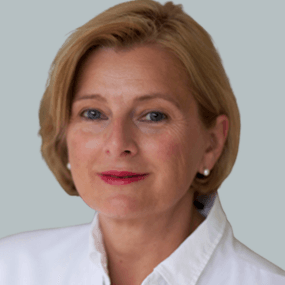
University professor Dr. med. Claudia Rudack is one of Germany’s leading experts in the field of otolaryngology. Since 2012, she has led the Department of Otolaryngology at the University Hospital of Münster—one of the most long-standing institutions of its kind in Germany—with great professional expertise and personal dedication.
Prof. Dr. Rudack is renowned for highly specialized diagnostics and state-of-the-art treatment methods for conditions affecting the sensitive head and neck region. Her surgical expertise ranges from challenging middle ear surgery and cochlear implantations to complex procedures at the base of the skull and plastic-reconstructive facial surgery. Under her leadership, the clinic has developed into a nationally recognized center for ENT medicine—with a clear focus on the treatment of head and neck tumors, ear disorders, nasal and sinus conditions, as well as allergic symptoms and sleep-related breathing disorders.
Whether for children or adults, on an outpatient or inpatient basis: With more than 8,000 patient visits and approximately 4,000 surgeries annually, the ENT Clinic under Prof. Dr. Rudack offers comprehensive, modern, and patient-centered care. At the ENT Clinic, candidates for cochlear implants receive individualized care from the initial evaluation through surgery to follow-up care. A particular focus is placed on subsequent semi-inpatient hearing and speech rehabilitation for children—including those with multiple disabilities—as well as for adults. This involves close collaboration with special education schools for hearing and communication, rehabilitation clinics, local speech therapists, and self-help groups.
The editorial team of the Leading Medicine Guide learned more about hearing implants—and cochlear implants (CIs) in particular—during a conversation with Prof. Dr. Rudack.
Hearing loss is a widespread condition that affects people of all ages and can have a significant impact on daily life and social participation. This hearing loss can result from a variety of factors, such as age, noise exposure, or genetic predisposition. Although there are different degrees of hearing loss, an effective solution is available to many affected individuals: the hearing aid. Hearing aids provide essential support, enabling those affected to manage their daily lives and continue to actively participate in social life. They not only improve communication but also enhance overall well-being and quality of life. However, if the sensory cells in the cochlea are severely or irreparably damaged, so that the ear can no longer adequately transmit sound, then a cochlear implant is a viable option. 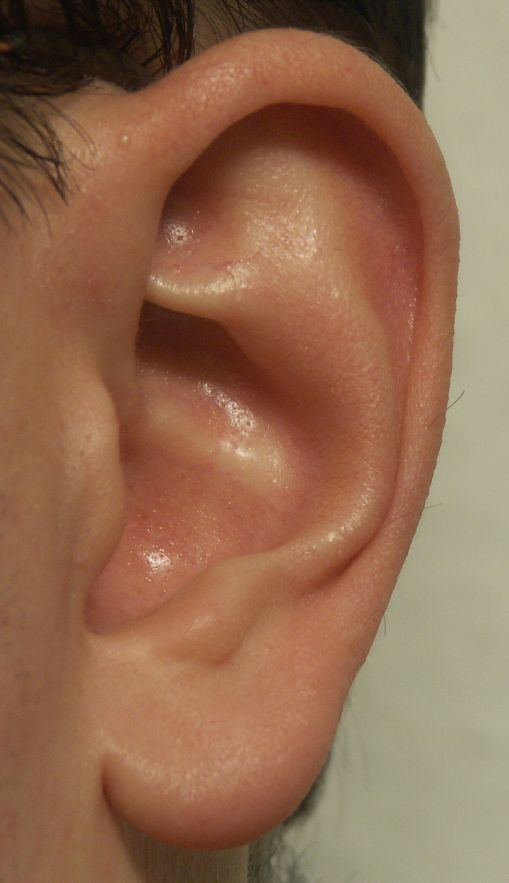
Human outer ear._Peter Niemayer, CC BY-SA 3.0
A modern behind-the-ear hearing aid with a mini-cell battery._Jonn Leffmann, CC BY 3.0
According to estimates, there are about 15 million people in Germany with hearing loss. Of particular relevance for a cochlear implant are the approximately 6 million people who are severely hard of hearing.
“In the 50- to 60-year-old age group, about one in five people suffers from some form of hearing loss. Nevertheless, only about 3.1 million people in Germany wear a hearing aid, suggesting that hearing aid use is underrepresented. This underutilization could be due to the high cost of hearing aids as well as the reluctance to visit an ENT specialist or hearing aid specialist. A health study, the Guttenberg Study from Mainz, found that of nearly 5,000 patients examined, about 7.7 percent wore hearing aids in both ears. However, 47 percent of the patients met the criteria for tone audiometric hearing loss, meaning that not everyone who needs a hearing aid is actually receiving one. Typically, older individuals with hearing loss describe having to turn up the volume on the TV or finding conversations difficult to understand. A hearing test can then determine how well someone hears and whether a hearing aid or even a cochlear implant is necessary. Today, hearing aids are small and discreet, and they are particularly well-suited for treating mild to moderate hearing loss. A hearing aid simply increases the sound pressure in the middle ear. Normally, sound waves travel through the external auditory canal to the eardrum, which sets the ossicular chain in motion. The stapes then transmits the sound waves to the inner ear, the cochlea. The cochlea is filled with fluid and lined with sensory cells that convert mechanical energy into electrical signals and transmit them to the auditory cortex in the brain. “This type of sound amplification is sufficient as long as the sensory hair cells in the cochlea are intact,” explains Prof. Dr. Rudack at the beginning of our conversation.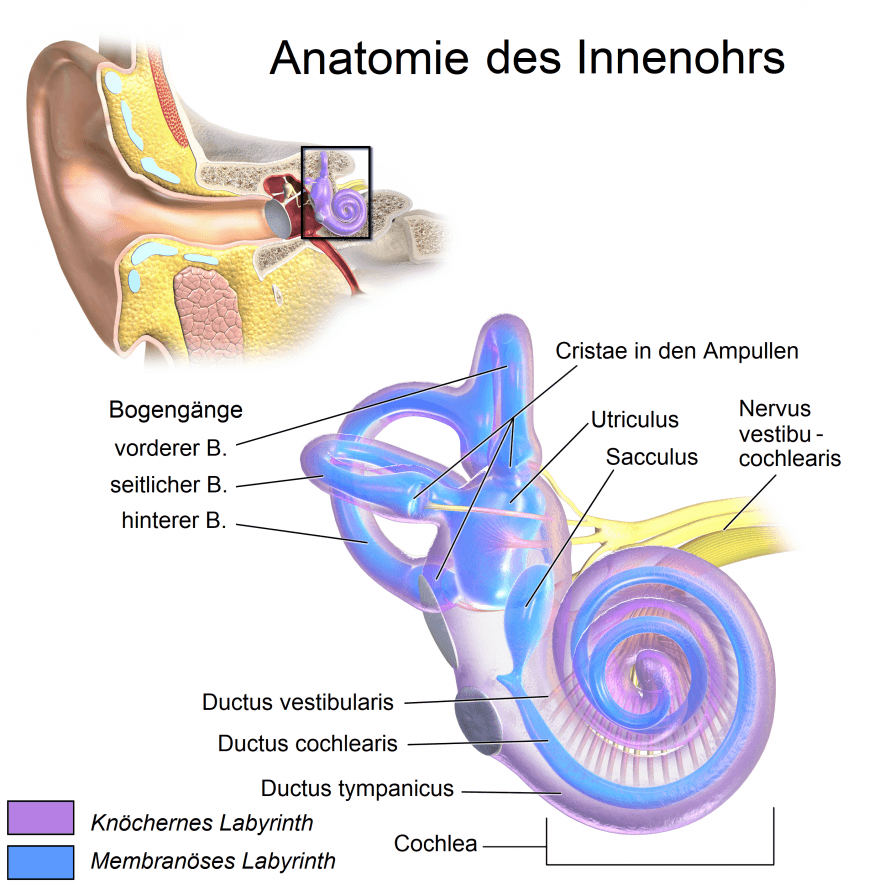
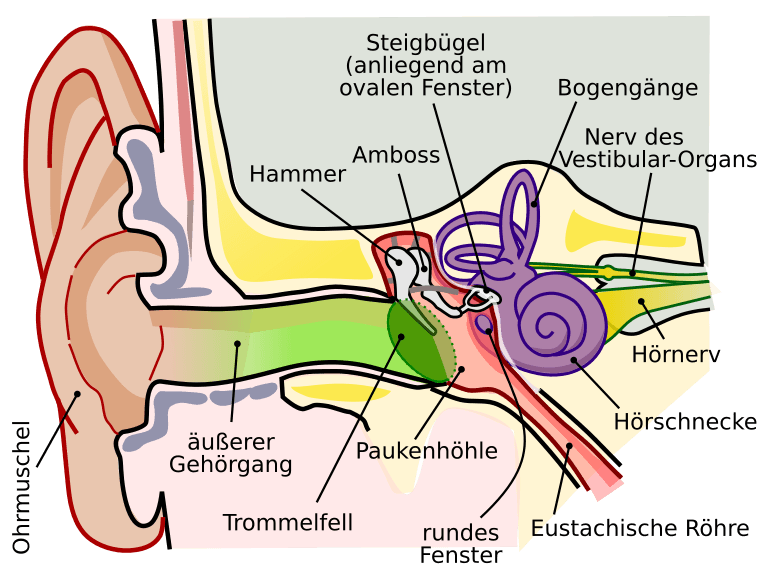
Outer ear, middle ear, and inner ear._Lars Chittka_ Axel Brockmann, CC BY 2.5
There are various types of hearing implant systems, which are selected based on the type and degree of hearing loss as well as anatomical conditions.
- Cochlear implants (CI):
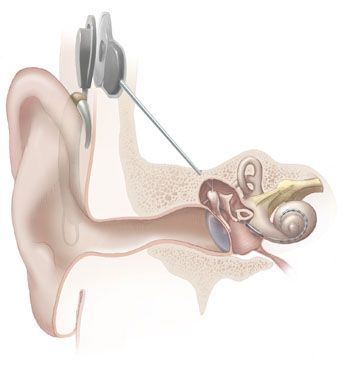
These are used in cases of severe to profound inner ear hearing loss or deafness when conventional hearing aids are no longer sufficient. A CI bypasses the damaged hair cells in the cochlea and directly stimulates the auditory nerve.
- Bone-conduction implants (e.g., BAHA, Bonebridge):
These systems transmit sound directly to the inner ear via the bone. They are used for conductive or mixed hearing loss, such as in cases of a missing or blocked ear canal, chronic middle ear infections, or unilateral deafness.
- Middle ear implants (e.g., Vibrant Soundbridge):
They are suitable for people with mild to severe conductive hearing loss, sensorineural hearing loss, or a combined form. The implant mechanically transmits sound signals to the ossicles or directly to the inner ear.

Size comparison of human stapes with a 10-euro coin._Welleschik, CC BY-SA 3.0
- Auditory Brainstem Implants (ABI):
These are used when the auditory nerve itself is damaged or absent—for example, in cases of certain tumors or malformations. The implant directly stimulates the auditory pathway in the brainstem.
A hearing implant is considered when conventional hearing aids are no longer sufficient to enable adequate speech understanding—that is, when no further satisfactory improvement in hearing can be achieved despite optimally fitted hearing aids. The timing depends on the degree, type, and progression of the hearing loss.
“A cochlear implant is essentially an electronic inner-ear prosthesis that is inserted directly into the cochlea and powered electrically from the outside. The implant generates electrical impulses that stimulate the auditory nerve, which transmits the signals to the auditory cortex in the brain. The implant consists of an external and an internal component. The external component, the sound receiver, looks like a modern hearing aid and is worn behind the ear. It picks up sound, converts it into electrical signals, and transmits them to a coil placed on the skin. Inside is the actual implant, which processes the signals and transmits them to the electrode in the cochlea. “This electrode, whose length varies depending on the model, covers a specific frequency spectrum that encompasses the cochlea,” explains Prof. Dr. Rudack, adding:
“The range of indications has expanded significantly in recent years, so that people with unilateral hearing loss and children with hearing loss—who are now being implanted as early as about nine months of age—have also benefited. Previously, the minimum age was four years, but the realization that early auditory development significantly promotes language development has significantly changed clinical practice. There are now also hybrid systems in which the hearing aid continues to be used for high frequencies, while the implant covers the lower frequency ranges. This individualized approach gives the medical team and patients considerable flexibility to ensure the best possible care. These technological advances have significantly expanded the possibilities of cochlear implantation in recent years, enabling more and more people to compensate for their hearing loss on their own initiative and with modern technology.”
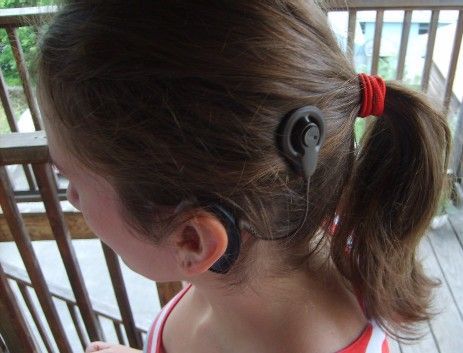
The age of the patient plays a significant role in the decision to choose a specific hearing implant, as it influences expectations, anatomical and physiological conditions, and the prospects for success of the treatment.
“There is no fixed age limit. The oldest patient I have implanted was 86 years old, but age in and of itself is not the deciding factor. Much more important is assessing the patient’s ability to undergo rehabilitation and to use the device. Today, this assessment is conducted on an interdisciplinary basis, taking into account not only hearing loss but also motor and cognitive abilities. While using the device is feasible, it is not easy, especially when dealing with varying background noise levels. In everyday life, for example, it can be a challenge to distinguish between different background noises. In a quiet room, you can usually understand the people you’re talking to well, but in noisy environments like concert halls or restaurants, you need to adjust the settings correctly to make hearing easier. Listening to music on a cochlear implant usually remains difficult. Today, however, there are increasingly precise adjustment options—so-called strategies—that tailor settings to different frequency bands. This is based on the anatomy of the cochlea: low frequencies are mapped to the tip of the cochlea (at high pitches), while high frequencies are mapped to the basal region (at low pitches). The implant is inserted accordingly up to the tip of the cochlea, and the electrode contacts can be controlled individually. Depending on the manufacturer, there are varying numbers of electrode contacts—for example, 16 or 21—which can be physiologically adjusted to optimally map the respective frequency ranges. A specialized CI technician or CI audiologist performs the fine-tuning of the electrodes and adjusts the frequency bands based on physiological principles. “This so-called ‘anatomy-based fitting’ is the standard method today and ensures that, once the settings have been optimized, patients find it easier to learn to hear and can quickly be understood again in as many situations as possible,” explains Prof. Dr. Rudack.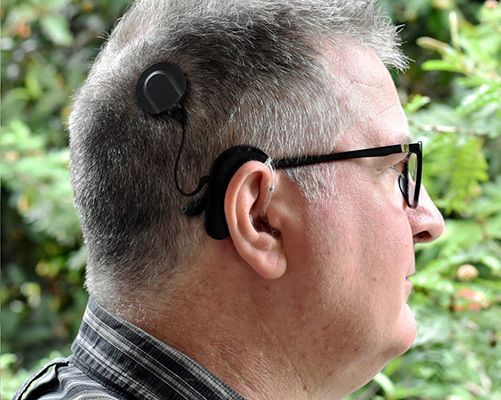
Cochlear implant in a man._Hear hear!, CC BY-SA 4.0
For children, the window of opportunity for language development is particularly crucial. The earlier a hearing impairment is detected and treated with a suitable implant, the greater the chances of age-appropriate language and communication development. Especially in cases of congenital or early-childhood-onset deafness, early CI intervention (often as early as the first year of life) is important to sufficiently stimulate the neural structures responsible for hearing. During this phase, the brain is particularly receptive to auditory stimuli—a so-called “critical window” that does not remain open indefinitely.
The medical procedure for implanting a hearing implant, particularly a cochlear implant (CI), is a well-established routine surgical procedure, but one that is nonetheless performed with the necessary care and preparation.
“Surgery on the head, especially in the area of the ear, is undoubtedly a challenging procedure. It is considered a relatively complex operation with a certain degree of risk, although the perioperative risks are carefully assessed on an individual basis beforehand. Many older patients are candidates for the procedure, which is why the anesthesiologist’s assessment is particularly important. Before the operation, the patient’s health status is thoroughly evaluated, including blood pressure, cardiac function, and other relevant factors. This examination serves to minimize the risks associated with anesthesia and ensure a safe procedure. The surgery itself is essentially a moderate-complexity ear procedure. The incision is made behind the ear. A cut of about six centimeters is made to expose the skull bone, known as the calotte. The mastoid process is then drilled away to create access to the cochlea. Everything is performed under microsurgical guidance using a drill. The goal is to gain access to the cochlea at the round window, a membrane that separates the middle ear from the cochlea. This membrane is incised—usually only about 1.5 millimeters in size—to allow access. “The electrode is carefully inserted through the slit into the cochlea—sometimes it is necessary to clean the area or take anatomical peculiarities into account, such as in children with a shortened or dysplastic cochlea,” says Prof. Dr. Rudack, emphasizing:
“The most important step is to insert the electrode slowly and in a controlled manner into the cochlea; studies have shown that a careful insertion lasting seven minutes preserves hearing function. Today, there are also special robots that perform this insertion mechanically, very slowly, and precisely, which, according to recent studies, leads to better hearing outcomes. The surgery usually takes about an hour. This is followed by intraoperative measurements: An audiologist checks the electrical thresholds, tests the auditory nerve’s responses, and ensures that the implant is responding correctly. These measurements are crucial for configuring the device and performing the initial adjustment process so that the patient can hear optimally later on.”
a=Eardrum (red)_ b=Malleus_ c=Incus_ d=Stapes_ e=Middle ear._Zoph, CC BY-SA 3.0
In the long term, the placement of a cochlear implant (CI) generally has very positive effects on speech comprehension and quality of life, both in children and adults—provided that the medical requirements are met and follow-up care is consistent.
After surgery, patients begin an extensive rehabilitation phase that lasts about one year. This process is supported by a specialized team of professionals from various disciplines who provide follow-up care. “During this initial programming, approximately 14 days after surgery, the device is adjusted to ensure basic functionality and enable the patient to hear. A technician activates the device, explains its basic functions to the patient, demonstrates how to use the remote control, and shows how to turn the device on and off. The goal is to help the patient get used to their surroundings and gather initial impressions. During this phase, the patient must perform exercises at home—such as turning the device on and off themselves—to begin experiencing sound. “The procedure is similar for adults and children, though there are differences in timing and objectives,” Prof. Dr. Rudack clarifies, going on to explain the specific considerations for affected children:
“For children, the indication for a cochlear implant is fundamentally different. There are children who become deaf as early as their first or second year of life due to specific medical conditions, as well as children who are born deaf. In cases of early-childhood deafness, the challenge lies in teaching the child both hearing and language. This is a complex task because, in children who have previously been able to hear, the brain has already formed the necessary neural pathways, and hearing simply needs to be reactivated. For deaf children, however, this speech and hearing development must first be established, which requires a longer and more intensive period of support. Early implantation is crucial for success. “Children who receive a cochlear implant early on can now attend a mainstream school as early as their first year of school. Early intervention makes it possible to optimally support the development of language skills and facilitate integration into the regular school system,” says Prof. Dr. Rudack.
Woman with hand to her ear_AI-generated
This initial step is followed by fine-tuning, which takes place during what are known as “basic fittings.” During this phase, the device is readjusted weekly to optimize individual hearing comfort. At the same time, a speech-language pathologist guides the training, which focuses on sound perception, understanding individual words, and practicing specific sounds. There are special tools and auditory training programs for this purpose, which are used regularly—usually weekly—during the first four weeks. Afterward, the intervals between training sessions become longer, followed by follow-up training sessions that typically last about 11 to 15 minutes.
“These training sessions take place either at a day clinic, through health insurance providers, or at inpatient ‘CI rehabilitation clinics.’ The most common ones in Germany are in Hanover, which follow their own inpatient approach. Once the patient is well-adjusted and their hearing development remains stable, they come in twice a year for checkups. During these visits, the staff assesses how well hearing is functioning with the implant and makes adjustments—which vary greatly depending on individual progress. Experts still do not fully understand why some patients perform better or worse than others. To address this, a great deal of data is being collected, for example in the national cochlear implant registry, which was established in 2021. “This data helps improve prognoses to predict how well a patient will hear with the implant, whether they will be able to interpret music well, or how successful their speech development will be,” explains Prof. Dr. Rudack.
A cochlear implant (CI) is a highly effective but also complex hearing solution, and compared to other hearing implants, such as middle ear implants or bone-anchored hearing aids (BAHA), it is associated with specific risks and limitations that can be medical, technical, or practical in nature.
“Surgery on the head is considered a complex procedure with a certain degree of risk, although the perioperative process is carefully planned and monitored. The surgical procedure itself is essentially a moderate-complexity ear surgery: The skull bone is exposed through an incision approximately six centimeters long behind the ear. The mastoid process is then drilled away to create access to the cochlea. The entire procedure is performed under microscopic visualization using a drill. The goal is to create an opening in the round window, the membrane. This is incised, and the electrode is carefully inserted through the membrane into the cochlea. Sometimes anatomical peculiarities must be taken into account, for example, in children with a shortened or dysplastic cochlea. Modern advances have made the insertion of the electrode a very gentle procedure. Studies show that slow insertion—usually taking at least six minutes—places less strain on the hearing. There are now also robot-assisted procedures in which a robotic arm inserts the electrode into the cochlea slowly and with millimeter precision, which, according to current studies, leads to better results. The surgery usually takes about an hour. Intraoperative measurements are taken after the procedure: An audiologist checks the electrical thresholds to determine whether the nerve is responding and whether the implant is functioning correctly. “This data forms the basis for the initial calibration of the device so that the patient can hear as well as possible later on,” explains Prof. Dr. Rudack.
The complexity of the treatment also includes the assessment of specific risks. The vestibular system is located in the ear and is in close contact with the auditory system. However, procedures in this area generally do not cause any problems.
Prof. Dr. Rudack acknowledges, however: “In some older patients, postoperative dizziness may occur, which usually subsides within a few weeks. The vestibular system itself is generally not damaged, unless there are anatomical peculiarities. The use of special nerve monitoring devices during surgery minimizes the risk of damage to the facial nerve as well. Fortunately, intraoperative nerve damage is extremely rare. Since the inner ear is connected to the brain via the cerebrospinal fluid space, there is an additional risk of infection. For this reason, all patients must be vaccinated against pneumococci to prevent possible meningitis. When it comes to pathological changes such as a vestibular schwannoma, the situation is even more complex. This benign tumor affects the nerve that controls balance and hearing. It can occur in the internal auditory canal, the small angle of the brainstem, or even in the brain. A diagnosis of this kind requires a thorough evaluation. The tumor can impair the auditory nerve or cause tinnitus and balance disorders. Treatment options range from a “watch-and-wait” approach to radiosurgery (e.g., Gamma Knife) and surgical removal. There is a growing trend toward minimally invasive radiation therapy, especially for small tumors, to minimize the risks of surgery. For larger tumors or if the nerve is already damaged, it must be carefully assessed whether a cochlear implant is appropriate. If the auditory nerve has been completely severed by surgery or is no longer conducting, an implant is not a viable option. In such cases, a decision must be made on a case-by-case basis as to whether another treatment option is necessary. In summary, this complex issue is highly situation-dependent and requires careful, interdisciplinary coordination.”
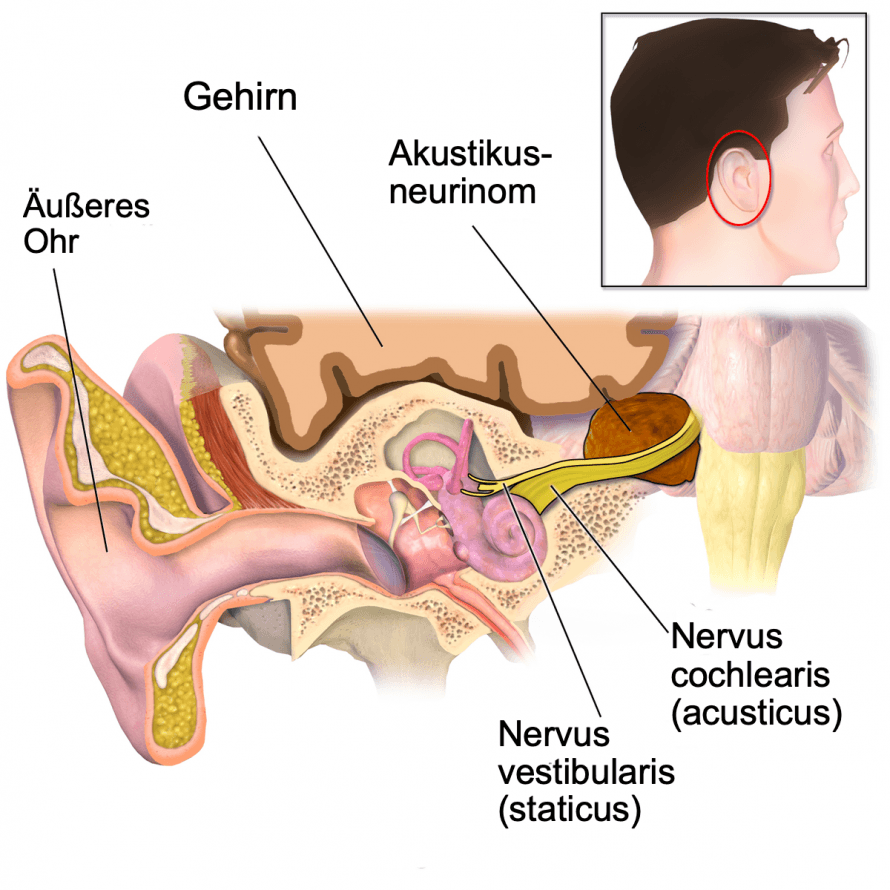
It was previously assumed that all patients—even those who had been deaf for 30 or 40 years, for example—could be successfully implanted. However, it has become clear that it is not that simple. Over the many years that a patient is deaf, the brain no longer receives input from the auditory cortex. The brain always needs an active task, and other brain regions take over the function of the auditory cortex.
“One example of this is the visual cortex, which becomes highly activated in patients who have been deaf for many years because they focus on lip-reading and visual cues to understand communication. This is referred to as cortical reorganization: the cerebral cortex shifts its activities, and the active areas migrate to other regions, primarily the visual cortex. The recovery of hearing function following cochlear implantation therefore depends heavily on how long a person has been hard of hearing or deaf. The longer the period without auditory input, the less successful the reactivation of the original auditory areas. The brain, in a sense, “forgets” how to hear, which can be viewed as a process of unlearning. Once the implant has been activated, it must be reprogrammed regularly to achieve the best hearing results. However, it remains in place and does not need to be constantly replaced. It is designed for long-term use and is generally intended to last a lifetime. The speech processor, the external part of the system, can, however, be replaced regularly—often every five years—to take advantage of the latest technology and the best hearing strategies. “The updated chips are then state-of-the-art, which improves speech processing and optimizes hearing results,” states Prof. Dr. Rudack.
The Department of Otolaryngology at the University Hospital of Münster regularly hosts so-called “CI Cafés,” where interested patients and those affected by hearing loss can come together. There, they receive instruction on how to use the cochlear implant, its features, and its interfaces with smartphones—whether iPhone or Android. Companies present new developments, and patients can try them out. This not only instills confidence in using the technology but also alleviates any fear of it.

“We perform about 120 cochlear implant surgeries per year in Münster. For future development, we’d especially like to see more accurate prognostic factors that would allow us to reliably assess in advance whether a patient will hear well with an implant or not. The situation for children is currently changing, as gene therapy approaches are already being tested in the U.S.: Many children born deaf have genetic defects, such as in the sodium-potassium balance of their hair cells in the inner ear. Initial trials show that gene therapy can introduce these missing genes, which promotes the development of normal hearing in these children—a very exciting development that has the potential to fundamentally change patient care. In addition, we are placing an increasing focus on health services research. The goal is to gain an even better understanding of prognostic factors and to further improve the adjustability of cochlear implants. We also aim to care for patients outside the scope of standard care, for example through specialized studies, such as those on music perception. We are continuing our research into the link between hearing loss and dementia, as it is well known that hearing loss is a risk factor for the development of dementia. We plan to measure brain waves and cortical programming in patients with hearing loss—including those with cochlear implants—to learn more about brain activity related to implant use. Knowledge about how the brain is reprogrammed after a cochlear implant has been received has not yet been extensively researched, and we aim to make targeted progress in this area. When it comes to challenges, we must also acknowledge that teaching older patients how to use the technology sometimes requires a great deal of explanation. To alleviate fears, we rely on innovative approaches such as “remote fitting”: This means that our hearing aid specialists in less developed regions, such as the Münsterland area, can set up the device via video. Settings can be adjusted via video conferencing, which is a huge relief for patients because they don’t always have to travel long distances to see us in Münster,” explains Prof. Dr. Rudack as we conclude our conversation.

Thank you very much, Professor Dr. Rudack, for this detailed insight into hearing aid and implant technology!
Share this article
Expert Interviews
Read next
- Expert interview
Expert interview with Professor Dr Elmar Herbst, PhD
Oct 15, 2026
Patient-centred and personalised knee surgery
Read more - Expert interview
Cardiogeriatrics: Significance and benefits in the context of hospital reform
Sep 21, 2026
Cardiogeriatrics: Significance and benefits in the context of hospital reform
Read more - Expert interview
Expert Interview with Professor Dr. Amadeus Hornemann, MPH
Sep 18, 2026
Prof. Amadeus Hornemann on Precision Medicine in Gynecology: Modern Surgery, New Techniques, Better Quality of Life
Read more