Expert Interviews
Focus on Early Detection: Liver Health and Gastrointestinal Tumors

Alexandra Pfitzmann ·
Early detection plays a key role when it comes to diseases of the liver and the gastrointestinal tract. Both systems work closely together and have a significant impact on metabolism, the immune system, and overall health. Liver diseases often go unnoticed for a long time, as do many gastrointestinal tumors, which do not manifest symptoms until a late stage.
A modern approach to prevention therefore involves identifying risks early, taking subtle warning signs seriously, and consistently utilizing diagnostic tools—to treat diseases in a timely manner and protect the long-term health of the entire body.
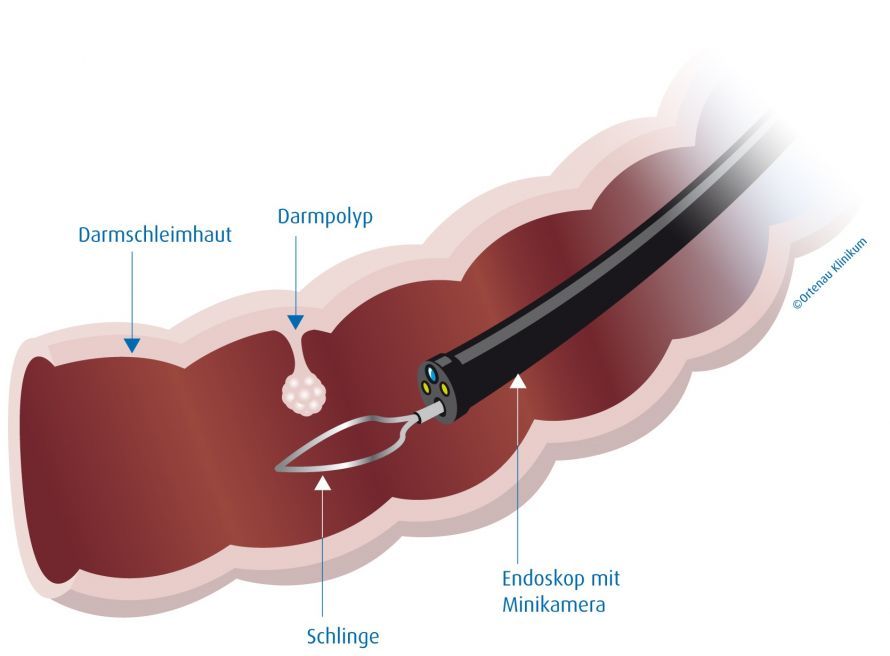
Gastrointestinal tumors are cancers that develop in the digestive tract or in closely related organs such as the liver, pancreas, and bile ducts. They develop from cells of the mucous membrane, connective tissue, or glandular tissue that lose their normal growth regulation and multiply uncontrollably.
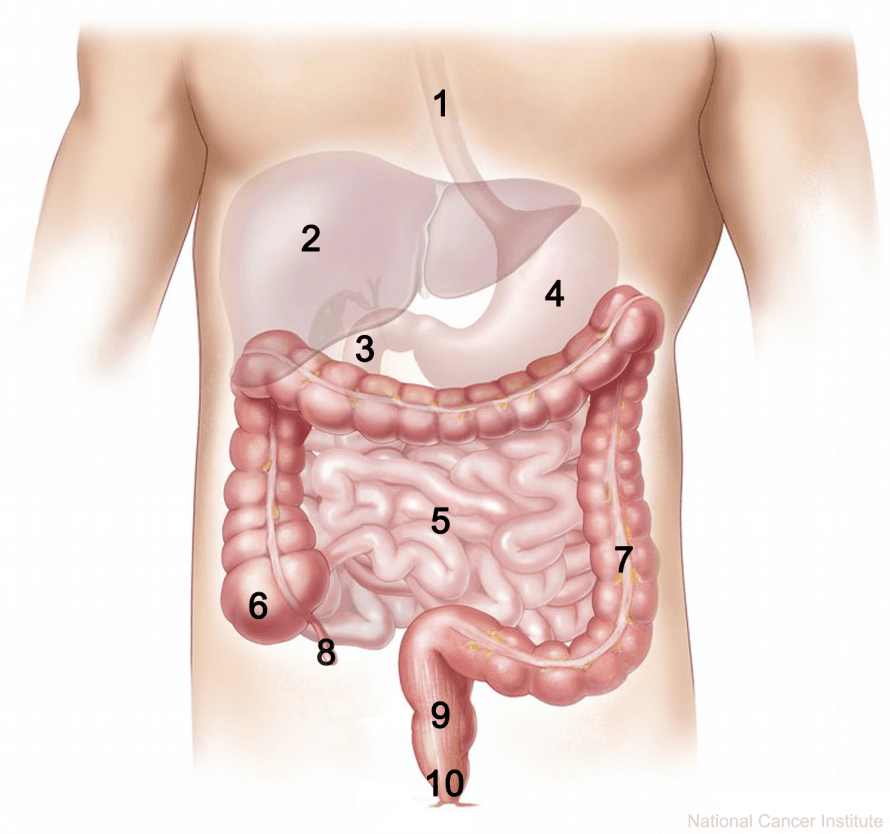
“Tumors of the gastrointestinal tract can arise in many locations—most commonly in the colon or rectum, and less frequently in the stomach or esophagus. In principle, however, the entire digestive tract can be affected. This also includes the adjacent glands: the pancreas, the liver, and the bile ducts, whose cells can also become malignant, leading to bile duct or hepatocellular carcinomas.
Symptoms often do not appear until late in the disease’s progression because the tumor tissue develops from the body’s own cells and does not initially trigger any strong warning signs. Symptoms only develop once the tumor grows, displaces surrounding tissue, or invades other structures. At the same time, there are early signs to look for during screenings and checkups. In Germany, colorectal cancer screening is firmly established through statutory health insurance, and for people at increased risk, additional, individually tailored early detection programs may be beneficial,” explains Prof. Dr. Schattenberg.
The causes are diverse and range from genetic factors to environmental and lifestyle risks to chronic inflammatory processes that alter the tissue over the course of years. The symptoms of gastrointestinal tumors are insidious because they often do not appear until late in the disease’s progression.
“Tumors in the gastrointestinal tract often don’t become noticeable until late in their development, but there are typical warning signs. These include unintentional weight loss and changes in bowel movements—such as a different consistency, altered frequency, or blood in the stool. Such signs should always be taken seriously, even though many tumors can only be reliably detected through further diagnostic tests such as ultrasound or imaging procedures. The causes are varied and differ from patient to patient.
Genetic factors play an important role: In some families, tumors occur more frequently and at a younger age. Added to this are lifestyle factors such as obesity, which is now recognized as a disease in its own right and is widespread in Germany. Obesity, diabetes, and a diet high in highly processed foods promote chronic inflammation in the body—and it is precisely these inflammatory processes that can stress cells to such an extent that they no longer behave normally and begin to grow uncontrollably.
Alcohol and smoking are also among the known risk factors. Ultimately, a combination of genetic predisposition, unfavorable lifestyle conditions, and inflammatory processes arises, which can promote the development of gastrointestinal tumors,” explains Prof. Dr. Schattenberg, adding:
“Inflammation not only plays a role in the development of gastrointestinal tumors—it is also used therapeutically today. One example is infection with Helicobacter pylori: We now know that this stomach bacterium can promote the development of tumors. That is why it is specifically diagnosed and treated with antibiotics to reduce the risk. At the same time, a completely new approach has become established: immunotherapy.
Instead of relying exclusively on traditional, toxic chemotherapies that put a strain on the entire body, drugs are used that activate or ‘unleash’ the immune system. Normally, the immune system fights viruses and bacteria—but with modern drugs, it can also recognize and attack tumor cells. In some cases, a tumor has even regressed completely under such therapies, entirely without conventional chemotherapy.
While this remains the exception, immunotherapy can also slow tumor growth, extend life expectancy, and significantly improve quality of life in other patients. This is exactly what we mean by immunotherapy today: drugs that specifically mobilize the body’s own defense system against the tumor.”
Subtle warning signs in the gastrointestinal tract and liver are so dangerous because they easily masquerade as everyday ailments. Many of these early signs appear harmless, intermittent, or nonspecific—and that is precisely why they go unnoticed for months or even years. However, the body often sends subtle signals long before a disease has progressed.
Reliable early detection is only possible if functional changes are identified at an early stage. This is precisely why modern preventive care relies on a combination of regular checkups, targeted laboratory tests, imaging diagnostics, and the assessment of individual risk factors. The liver, for example, remains “silent” for a long time, but it leaves traces that can be detected medically at a very early stage.
“Tumors of the gastrointestinal tract are diagnosed very precisely today, and the choice of therapy always depends on two things: the characteristics of the tumor and the patient’s individual circumstances. To this end, tissue samples are taken and examined histologically. Under the microscope, it is possible to determine the type of tumor, whether certain tumor antigens are present, how many immune cells are in the tumor, and whether there are targets for targeted drugs or immunotherapies.
For example, some tumors form structures that can be specifically blocked with certain active substances. The decision on treatment is not made by a single physician, but rather by the interdisciplinary tumor board at a certified center. There, specialists in surgery, oncology, radiology, pathology, psycho-oncology, and specialized nursing sit together at the table and develop the best strategy in collaboration with the patient. Depending on the findings, it may make sense to start with surgery or with chemotherapy to shrink the tumor first. Similarly, adjuvant therapy following surgery can reduce the risk of recurrence.
Some tumors that are initially inoperable can be reduced to such an extent through modern therapies that surgery becomes possible later on. The entire process—from diagnosis to treatment planning—can be completed at a specialized center within a week. It is important that patients are not left alone during this time. For many, the disease feels like a journey into the unknown, which is why psycho-oncology and specialized oncology nursing provide close support to those affected.
Some special staining techniques for tumor tissue take a few days, but this time is used to support nutrition, exercise, and physical stability so that patients enter treatment as strong as possible,” says Prof. Dr. Schattenberg, adding:
“Obesity plays a particularly important role. Most cancers are treated without delay, but there are situations—such as before a liver transplant—in which very high body weight increases the risk. In such cases, targeted weight loss beforehand may be advisable. Regardless of this, the center also specializes in the treatment of obesity and its effects on the liver and can provide patients with comprehensive support.”
People with risk factors such as obesity, diabetes, heavy alcohol consumption, chronic intestinal diseases, hepatitis B or C, and a family history of liver disease benefit particularly from close liver monitoring. For these individuals, even small changes in lab values or imaging results can be early warning signs, which is why medications that are potentially toxic to the liver should also be monitored regularly. Early detection means identifying changes before they cause symptoms—ideally at a stage when the liver is still fully capable of regenerating.
The liver is often overlooked in preventive care, even though it is one of the central organs of metabolism and remains “silent” for a long time. In the German healthcare system, while the Check-up-35 includes a one-time test for hepatitis B and C, liver function tests are not automatically part of routine care.
Prof. Dr. Schattenberg recommends: “Anyone who wants to check their liver health must specifically request these tests. This is precisely why many people don’t seek treatment for complications of liver disease until very late—even though these conditions could often have been detected many years earlier. Yet very good noninvasive methods are available today: Ultrasound and special blood tests can reliably assess the risk of liver disease without the need for a biopsy.
However, this diagnostic approach is not a standard part of preventive care and is primarily offered at specialized centers. The system as a whole is heavily symptom-based, which is why taking the initiative remains important. Although guidelines recommend screenings for at-risk groups, such as people with diabetes or those who already have elevated liver enzyme levels, many conditions go undetected because these levels are often not even measured in the first place. The question, “Is my liver healthy?” is therefore relevant for everyone—and can actually be answered very easily if you ask specifically about it.”
The liver is not merely a “transit point” for tumor cells, but an active participant in the course of the disease. Its condition influences how quickly tumors spread, how well treatments work, and how stable the body remains overall. This is precisely why liver health is a crucial factor in the early detection, treatment, and long-term prognosis of gastrointestinal tumors.
When the liver becomes diseased, it affects the entire body—often going unnoticed for a long time because it is an extremely resilient organ that compensates for many functions. It processes food, medications, and metabolic byproducts, and symptoms only appear when it can no longer adequately perform these tasks.
“It often begins with nonspecific symptoms such as pressure in the upper right abdomen, fatigue, or general exhaustion—symptoms that many people experience and that are therefore easily overlooked. If the liver becomes severely diseased, the energy deficiency can become so pronounced that it leads to impaired consciousness or even a coma. The idea that you can simply ‘cut away a piece of the liver because it grows back’ is only partially true. The liver does indeed possess an impressive ability to regenerate, and this is utilized in oncology, for example, when removing metastases.
However, the key factor is how healthy the remaining liver tissue is. A liver that has already been damaged by fatty liver disease, inflammation, or scarring recovers much less effectively than a healthy one. If liver function declines, the consequences are far-reaching: Toxins and metabolic byproducts are no longer adequately broken down, leading to severe fatigue. The body can no longer process hemoglobin properly, and the skin may turn yellow (jaundice). Blood clotting deteriorates, making it easier to develop bruises or experience bleeding.
At the same time, the liver no longer produces enough protein—a crucial factor in keeping water within the vascular system. Without this protein, the body loses muscle mass, and water accumulates in tissues and body cavities, such as in the form of edema or ascites. “This is a typical presentation of the end stage of liver cirrhosis and is very stressful for both patients and their families, as independence is often lost,” explains Prof. Dr. Schattenberg.
Lifestyle factors influence the risk of gastrointestinal tumors on several levels—biologically, hormonally, immunologically, and through direct effects on the mucosa. Diet, alcohol, smoking, and obesity do not act in isolation but often reinforce one another because they promote chronic inflammation, alter the gut microbiota, and impair tissue repair processes over the course of years.
Modern therapeutic approaches have fundamentally transformed the treatment of gastrointestinal tumors in recent years, as they no longer focus solely on removing a tumor but rather on precise, individually tailored management of the entire disease.
Minimally invasive and robot-assisted surgeries now make procedures possible that were previously considered too invasive. They reduce blood loss, preserve tissue, shorten recovery time, and allow for more precise tumor removal—an advantage that directly impacts the prognosis, as patients can begin the next phase of therapy more quickly and complications are less common.
Prof. Dr. Schattenberg explains: “Surgeries for gastrointestinal tumors are now performed as gently as possible. The guiding principle is to minimize trauma to the body as much as possible. In most cases, minimally invasive laparoscopic surgery is the standard—meaning access is gained through small incisions, regardless of the tumor’s size or exact location.
Robotic surgery uses the same approach but offers advantages in certain situations, such as a slightly shorter hospital stay or even more precise instrument control. The results of both methods are considered equivalent. The University Medical Center Homburg has extensive experience with robotics: it was the first center in Germany to perform robot-assisted prostate surgery, and this expertise is now also being applied to the treatment of gastrointestinal tumors.”
Prevention in the gastrointestinal tract and the liver begins long before symptoms appear, as both systems are highly sensitive to diet, metabolism, inflammation, and environmental factors. Much of what we do on a daily basis affects the mucous membranes, the gut microbiota, and the strain on the liver—often imperceptibly, but with long-term consequences.

“When it comes to liver health, a ‘Dry January’ alone isn’t enough—four weeks are simply too short. What matters most is how you live your daily life. Too little exercise and too much sitting are among the biggest strains on the liver. Even small changes in habits—such as taking the stairs instead of the elevator, going for short walks, setting aside specific times for physical activity, or doing simple workouts at home—increase energy expenditure and ease the burden on your metabolism. Diet also plays a central role.
Making conscious food choices during the workday, minimizing highly processed foods, and reducing carbohydrate intake noticeably support the liver. Stimulants like alcohol are widely consumed, but from a medical perspective, there is no truly safe amount: even small amounts increase the risk of cancer. Those who want to minimize their risk are best off consuming as little alcohol as possible—or none at all. Foods like artichokes are healthy, provide fiber, vitamins, and trace elements, and can aid digestion.
Extracts help some people, but they are not a panacea. The same applies to bitter substances: They can be part of a balanced diet, but they are not a general recommendation,” says Prof. Dr. Schattenberg, emphasizing at the conclusion of our conversation:
“At Saarland University Hospital in Homburg, patients benefit from a modern, interdisciplinary environment with short communication channels and a highly patient-centered approach. Major surgeries on the gastrointestinal tract, a high-performance endoscopy program, and a high volume of outpatient care are part of the hospital’s daily routine. The city’s comparatively quiet surroundings also allow for focused, less hectic patient care.”
Thank you very much, Professor Dr. Schattenberg, for these valuable insights into maintaining the health of the gastrointestinal tract!
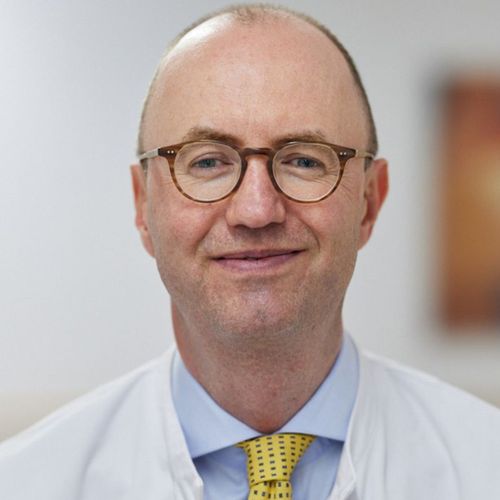
- Director of the Department of Internal Medicine II at Saarland University Hospital; responsible for gastroenterology, hepatology, endocrinology, diabetology, and nutritional medicine
- Specialist in diseases of the gastrointestinal tract, the liver, and the biliary tract, as well as metabolic and alcohol-related liver diseases
- A recognized expert on metabolic disorders and complications associated with obesity
- Internationally recognized scientist with a focus on translational research and clinical trials
- Elected Chair of the Scientific Committee of United European Gastroenterology (UEG) for the 2026–2029 term
- Professor of Medicine at Saarland University; combines clinical care, research, and teaching
- Well-connected within national and international professional societies; committed to the further development of innovative diagnostic and therapeutic approaches
Share this article
Expert Interviews
Read next
- Expert interview
Expert interview with Professor Dr Elmar Herbst, PhD
Oct 15, 2026
Patient-centred and personalised knee surgery
Read more - Expert interview
Cardiogeriatrics: Significance and benefits in the context of hospital reform
Sep 21, 2026
Cardiogeriatrics: Significance and benefits in the context of hospital reform
Read more - Expert interview
Expert Interview with Professor Dr. Amadeus Hornemann, MPH
Sep 18, 2026
Prof. Amadeus Hornemann on Precision Medicine in Gynecology: Modern Surgery, New Techniques, Better Quality of Life
Read more