Expert Interviews
What do we actually need the gallbladder for? PD Dr. Sporn provides the answer

Sabine Schneider ·
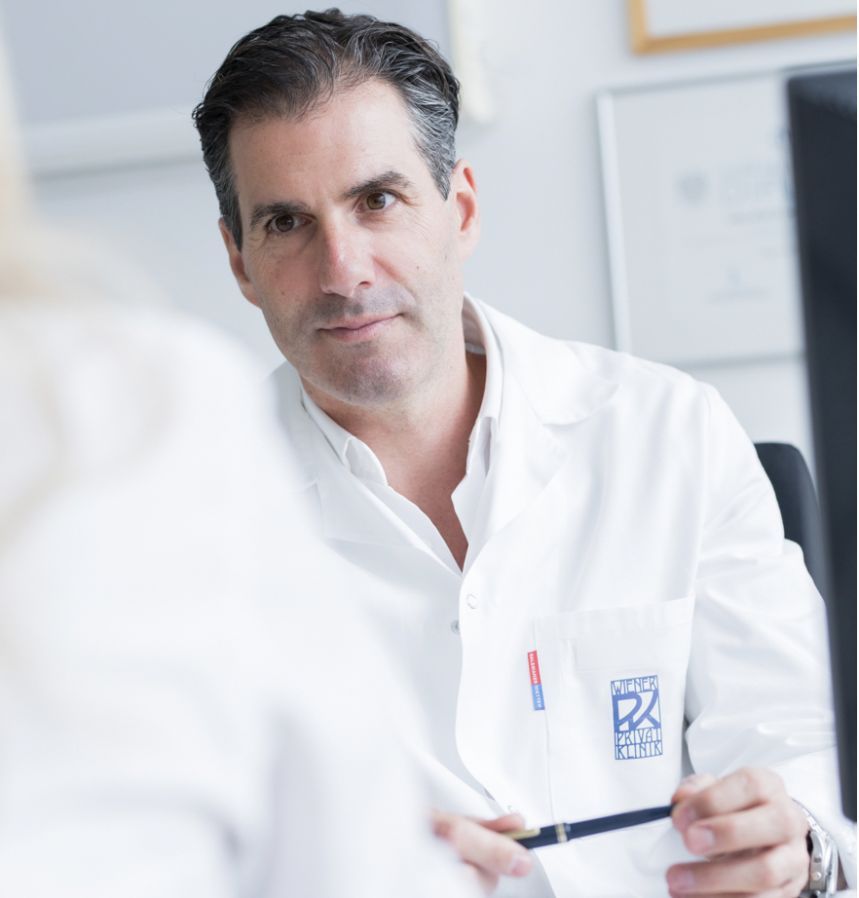
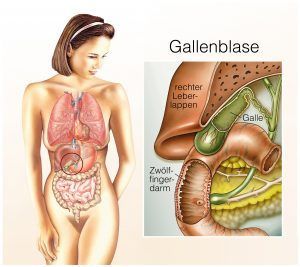
A hollow organ located between the liver and the intestinal tract—that is the gallbladder. But what exactly is its function? And can it really be removed with virtually no consequences, as we so often hear? Most of the time, this organ—which stores up to one liter of bile—only draws attention when it causes problems—that is, when there is an inflammation of the gallbladder or gallstones are causing trouble. In our part of the world, gallbladder procedures are among the most common surgeries. These procedures fall under the field of visceral surgery—that is, they are performed by surgeons who specialize in the abdominal cavity. The Leading Medicine Guide spoke with a renowned specialist on this topic, who, like few other specialists, has focused his practice on gallbladder surgery: PD Dr. med. Emanuel Sporn, who was appointed Associate Professor back in 2012, is thoroughly familiar with all abdominal surgeries and is also considered one of the leading experts in vascular surgery. He runs two renowned private practices in Vienna. There, he is “in the fortunate position of being able to devote myself exclusively to my private patients,” as he himself puts it. In a pleasant, trusting atmosphere, he takes plenty of time for personalized care—from the initial consultation to the follow-up visit. Incidentally, he performs surgeries at Vienna’s most prestigious private clinics.
Leading Medicine Guide: What exactly is the gallbladder—and what is bile made of?
PD Dr. med. Emanuel Sporn: Bile consists primarily of water, bile salts, cholesterol, and phospholipids. It is a greenish-yellow viscous fluid that is essential for digestion, specifically for breaking down dietary fats. Bile breaks down fat globules into tiny droplets, which can then be more easily broken down in the digestive tract and better absorbed by the intestinal cells. Bile also regulates cholesterol metabolism and stimulates the pancreas. For example, it is responsible for the transport of vitamins and other substances.
Gallbladder surgery is a key part of your work as a visceral surgeon. How do gallstones form, which can be very painful for those affected?
PD Dr. med. Emanuel Sporn: Gallstones form when there is an imbalance in the composition of bile. As a result, the bile crystallizes and forms what is known as “bile sludge”—a sand-like deposit that can then develop into gallstones. The development of gallstones is often observed to run in families and is largely beyond our control. However, there are also certain risk factors for the development of gallstones. These are more common in middle-aged women, overweight individuals, and people with fluctuating weight.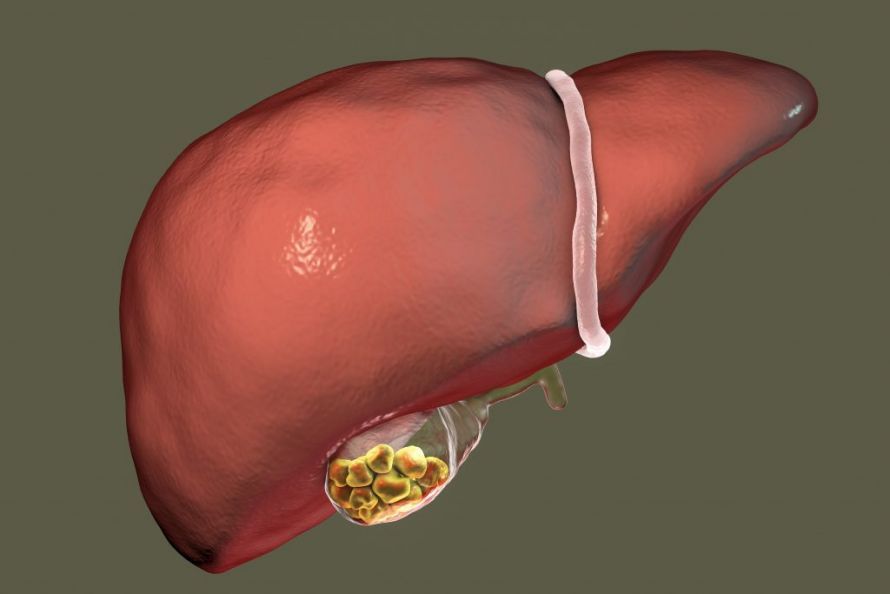
Leading Medicine Guide: What makes gallstones so dangerous?
PD Dr. med. Emanuel Sporn: Gallstones can trigger colic—which refers to cramp-like pain in the abdomen. Furthermore, gallstones can cause cholecystitis, an inflammation of the gallbladder wall. One potentially life-threatening condition that can be triggered by gallstones is pancreatitis. Patients who experience such symptoms or problems due to their gallstones should undergo surgical removal of the gallbladder and the stones it contains.
Leading Medicine Guide: The gallbladder is removed quickly. What is the function of the gallbladder if it seems we can do just fine without it?
Prof. Sporn: Typically, only the gallbladder is removed; it serves merely as a reservoir for bile produced by the liver. After the gallbladder has been removed, the liver naturally continues to produce bile—which is necessary for fat digestion—and secretes it into the duodenum via the bile duct. Therefore, patients do not run out of bile after surgical removal of the gallbladder.

That’s interesting to know. Thank you very much for the informative discussion about the gallbladder, Professor Dr. Sporn!
Here you can find more information about gallbladder surgery.
Associate Professor Emanuel Sporn, MD, PhD, a specialist in general surgery, visceral surgery, and vascular surgery, is an expert in abdominal and breast surgery in Vienna, where he runs two private practices. His areas of expertise include hernia surgery, breast cancer surgery, gastrointestinal surgery (including gastroscopy and colonoscopy), oncological surgery, and gallbladder surgery. PD Dr. Sporn has also completed additional training, for example in vascular surgery. This training helps him, on the one hand, to better assess medical conditions and, on the other hand, to perform major surgeries on cancer patients more safely and to manage critical situations during a procedure more reliably.
Image source: (c) Kateryna_Kon, (c) PIC4U – Adobe Stock/PD Dr. Sporn
Share this article
About the medical author
Sabine Schneider
Editor-in-Chief
Sabine Schneider – medical author: Explore expert articles and medical expertise in the Leading Medicine Guide.
More about the medical author →Doctor’s Offices at the Vienna Private Hospital
ProfileExpert Interviews
Read next
- Expert interview
Cardiogeriatrics: Significance and benefits in the context of hospital reform
Sep 21, 2026
Cardiogeriatrics: Significance and benefits in the context of hospital reform
Read more - Expert interview
Expert Interview with Professor Dr. Amadeus Hornemann, MPH
Sep 18, 2026
Prof. Amadeus Hornemann on Precision Medicine in Gynecology: Modern Surgery, New Techniques, Better Quality of Life
Read more - Expert interview
Expert Interview with Professor Dr. Konstantinos Anagnostakos
Sep 15, 2026
Prof. Anagnostakos on Painful Knee Replacements
Read more