News
Liposuction: When Exercise and Diet Reach Their Limits

Sabine Schneider ·
Stubborn pockets of fat are often unfair. You exercise and eat healthy, but the “saddlebags” on your thighs or that little belly just won’t go away. Genetics are often to blame, and no fitness program can overcome that. Liposuction is one of the most common cosmetic procedures worldwide for correcting precisely these areas of disproportion. But be careful: it’s not a means of weight loss.
Body Contouring, Not Weight Loss
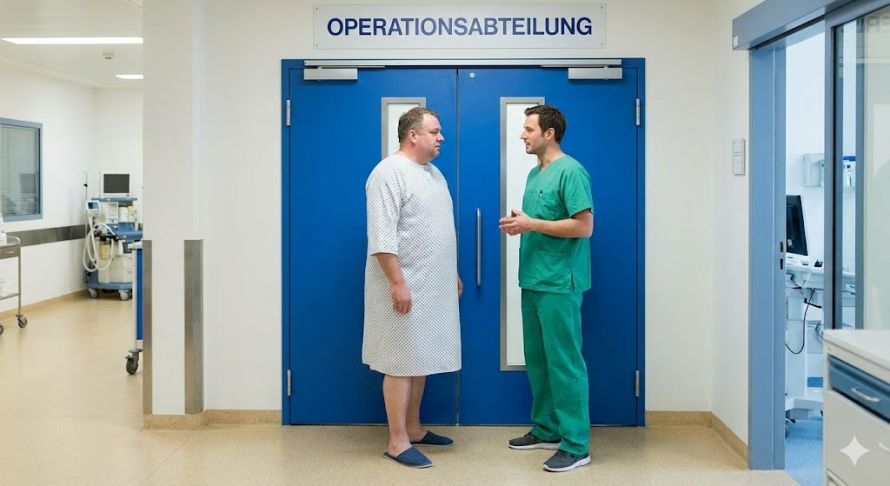
Many patients come to the clinic with the mistaken expectation that liposuction will help them lose excess weight. However, that is not the goal. Liposuction is intended for body contouring. The goal is to harmonize proportions. So, if certain areas (problem areas) disrupt the overall appearance despite a normal weight, the surgeon can permanently remove these fat deposits. Once fat cells are removed, they do not regrow in that area.
The Methods: Gentle and Precise
The days when liposuction was a brutal procedure are over. Today, specialists use gentle techniques that protect the tissue and speed up healing:
-
Tumescent technique: The classic method. A special solution of saline and anesthetic is injected into the fatty tissue. The fat cells absorb the fluid, detach from the surrounding tissue, and can be suctioned out more easily.
-
Water-Jet-Assisted Liposuction (WAL): A fine stream of water gently dislodges the fat cells from the tissue before they are suctioned out. This method is particularly gentle on blood vessels and nerves and is often used in the treatment of lipedema.
-
Vibration-assisted liposuction (PAL): The cannula vibrates slightly, which makes it easier to dislodge the fat cells.
Lipedema: When Fat Is a Medical Condition
A special case is lipedema, a painful fat distribution disorder that affects almost exclusively women. In this condition, fat tissue accumulates uncontrollably on the legs and arms, regardless of exercise or diet. For these patients, liposuction is often not purely a cosmetic decision, but a medical necessity to relieve pain and maintain mobility. Recently, health insurance companies have begun covering the costs under certain conditions (usually starting at Stage III).
After the procedure: It takes time to get into shape
Anyone who thinks they’ll wake up with their dream figure right after surgery will be disappointed. Initially, the area is swollen, and bruising is normal. To achieve an even result and prevent dimpling of the skin, patients must wear special compression garments (girdles) for about 4 to 6 weeks. The final result often becomes apparent only after several months, once the tissue has completely subsided and the skin has retracted.
Conclusion: Realistic expectations are important
Liposuction can greatly improve how you feel about your body and boost your self-confidence. However, it does not magically improve skin quality. If the skin is already significantly sagging, additional skin-tightening surgery may be necessary. A detailed consultation with a specialist in plastic and aesthetic surgery is therefore essential to realistically assess the possibilities and limitations.
Share this article
Verified expertise
Recommended specialists
5 specialists
5 results

Dr. Ali Abdeen
Seeheim-Jugenheim


Dr. (IR) Ali Tabatabaei
Seeheim-Jugenheim

Wingenbach Aesthetics GbR
Frankfurt am Main

Prof. Dr. med. Peter Issing
Bad Hersfeld

Prof. Dr. Serena Preyer
Karlsruhe
News
Read next
- News
Scabies: A contagious skin disease that is easily treatable
Oct 26, 2026
Severe itching and minor skin changes should be taken seriously
Read more - News
Heat Rash: What's Behind the Itchy Blisters
Oct 23, 2026
Heat Rash: Heat and Sweat Can Disrupt the Skin's Balance
Read more - News
Enlarged Prostate – When Medication Is Sufficient and When Surgery Is Recommended
Oct 21, 2026
Why Many Men Ignore Urinary Problems for Too Long
Read more